 Lei Li
Let's be honest. Most travel guides treat Lugou Bridge as a quick stop on a rushed Beijing tour. You see the famous stone lions, snap a photo, and get back on the bus. But if you're reading this, you're different. You want to immerse yourself in the history, maybe catch the bridge at sunrise, and not waste hours in traffic. Choosing where to stay is the first, most crucial step.
I've been guiding tours here for over a decade. I've seen families struggle with poorly located hotels and watched history buffs light up when they realize they can walk to the bridge from their room. This isn't just a list of hotels. It's a strategic breakdown of the best areas to stay near Lugou Bridge, with my personal picks, transport hacks, and a foolproof itinerary that most tourists never get to experience.
What You'll Find in This Guide
Why Stay Near Lugou Bridge?
Most visitors stay in Dongcheng or Chaoyang. That's fine for the Forbidden City, but for Lugou Bridge, it means a 45-60 minute subway ride or a costly, unpredictable taxi (especially during Beijing's infamous rush hours, 7:30-9:30 AM and 5:00-7:30 PM). Staying nearby gives you two massive advantages:
First, you beat the crowds and the heat. The bridge opens at 7:00 AM. If you're staying in Fengtai, you can be there by 7:30. You'll have the iconic stone lions mostly to yourself, and the morning light is perfect for photography. By 10:00 AM, when the tour buses roll in from downtown, you're already exploring the quiet, fascinating Wanping Fortress next door.
Second, you experience a real Beijing neighborhood. Fengtai District isn't a tourist bubble. You'll have breakfast where locals do, see people practicing tai chi in the park, and get a feel for life outside the postcard. It's a more authentic, and often more affordable, base.
The Best Areas to Stay Near Lugou Bridge
There are three main zones to consider, each with a different vibe. I've mapped them out based on who they suit best.
1. Within Walking Distance of the Bridge (The Immersion Zone)
This is for the serious history enthusiast or photographer. We're talking hotels within a 15-20 minute walk of the bridge entrance. The area is quiet, residential, and green. The trade-off? You're far from Beijing's nightlife and other major sights. Dining options are local and simple—think noodle shops and dumpling houses, not fine dining. Perfect if Lugou Bridge/Wanping Fortress is your primary goal.
2. Near Daotian Station (The Convenience Zone)
This is my top recommendation for most travelers. The Daotian subway station (Line 14) is the closest station to the bridge (about a 10-minute taxi or 25-minute walk). The area around it has seen recent development. You'll find a cluster of modern, reliable chain hotels, several supermarkets, and more varied restaurants. It's the sweet spot: easy access to the bridge via a short, cheap taxi ride, and you're on a direct subway line (Line 14) that connects to Beijing's massive network.
3. Near Beijing West Railway Station (The Transit Hub)
If you're arriving or departing by high-speed train from Beijing West, this area makes logistical sense. It's a major transport hub with dozens of hotels. However, it's noisy, crowded, and feels impersonal. It's a 20-30 minute drive to Lugou Bridge, subject to traffic. I only suggest this if you have a very early train or prioritize train station access above all else. The area itself isn't charming.
My Verdict: For 90% of visitors asking "where to stay near Lugou Bridge," the Daotian Station area is the winner. It offers the best balance of comfort, convenience, and value. The "Within Walking Distance" zone is a special pick for a deeply focused visit.
My Hotel Recommendations: From Budget to Comfort
These are places I've personally booked for clients or visited. I judge them on clean rooms, reliable Wi-Fi (a must for international guests), proximity to transport, and staff helpfulness.
| Hotel Name & Area | Why I Recommend It | Best For | Price Range (Per Night) |
|---|---|---|---|
| Hanting Express (Beijing Fengtai Lugouqiao) Walking Distance Zone |
It's a 12-minute walk to the bridge. The rooms are compact but spotless, typical of this reliable Chinese budget chain. Front desk staff speak basic English. There's a 24-hour convenience store next door. The biggest perk? You can stroll over for a sunset view. | Budget travelers, solo history buffs, photographers. | $30 - $45 |
| Jinjiang Inn (Beijing Fengtai Daotian) Daotian Station Zone |
Another trusted budget brand. This one is 800 meters from Daotian Station Exit C. The beds are firm, the water pressure is good, and the lobby has free hot water dispensers (a lifesaver). Taxis to the bridge cost about 15 RMB. It's no-frills but dependable. | Families on a budget, practical travelers. | $35 - $50 |
| Holiday Inn Express Beijing Fengtai Daotian Station Zone |
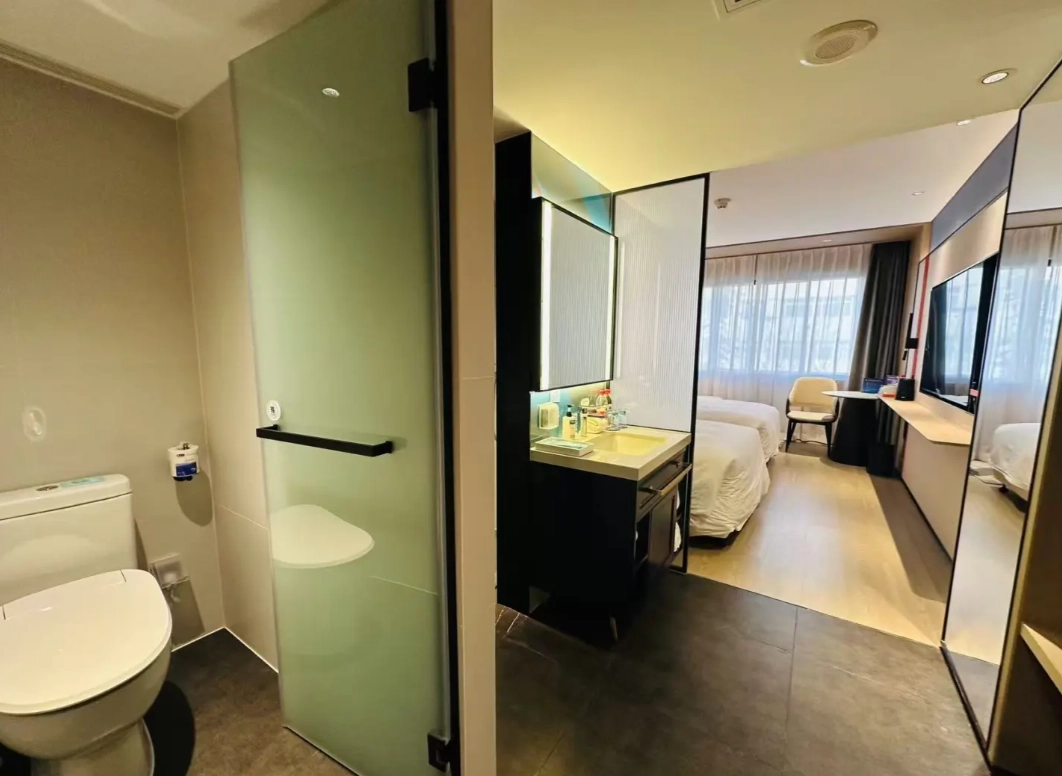
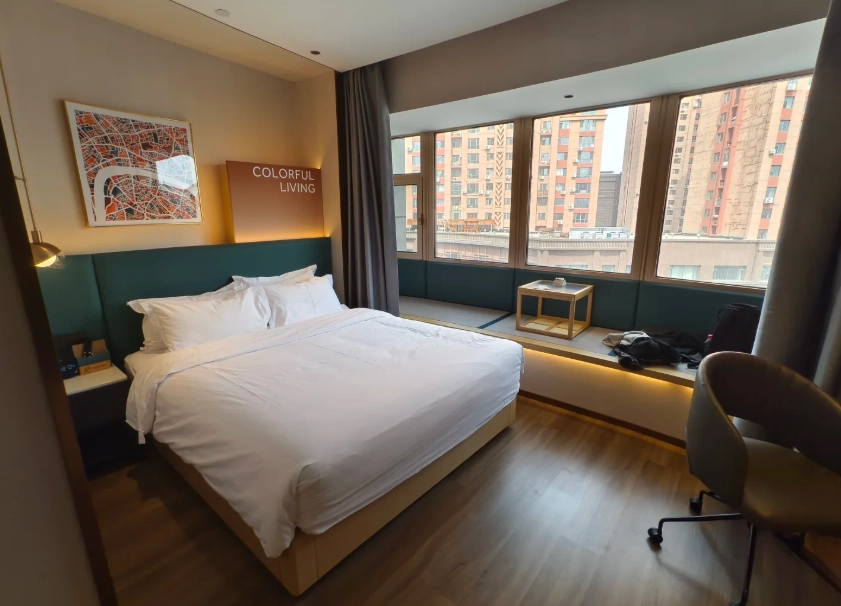
My go-to for clients wanting Western-style comfort. It's a 5-minute walk from Daotian Station. The breakfast has both Chinese and Western options (scrambled eggs, sausages, decent coffee). Rooms are soundproofed, and the international brand means staff are more accustomed to foreign guests. You can book taxis through the concierge. | First-time visitors to China, couples, business travelers. | $65 - $90 |
| New World Beijing Hotel Beijing West Station Zone |
If you must stay near the railway hub, this is the upscale choice. It's connected directly to the station, which is chaotic but convenient. The rooms are spacious and quiet despite the location. The pool and multiple restaurants are a bonus after a long journey. A taxi to Lugou Bridge will take 25+ minutes. | Travelers with early/late trains, those prioritizing luxury near transit. | $100 - $150 |
A quick note on booking: Use international sites like Booking.com or Agoda for these. They handle foreign cards and have English customer service. While Chinese apps like Ctrip are cheaper, the language barrier and payment issues aren't worth the hassle for a short stay.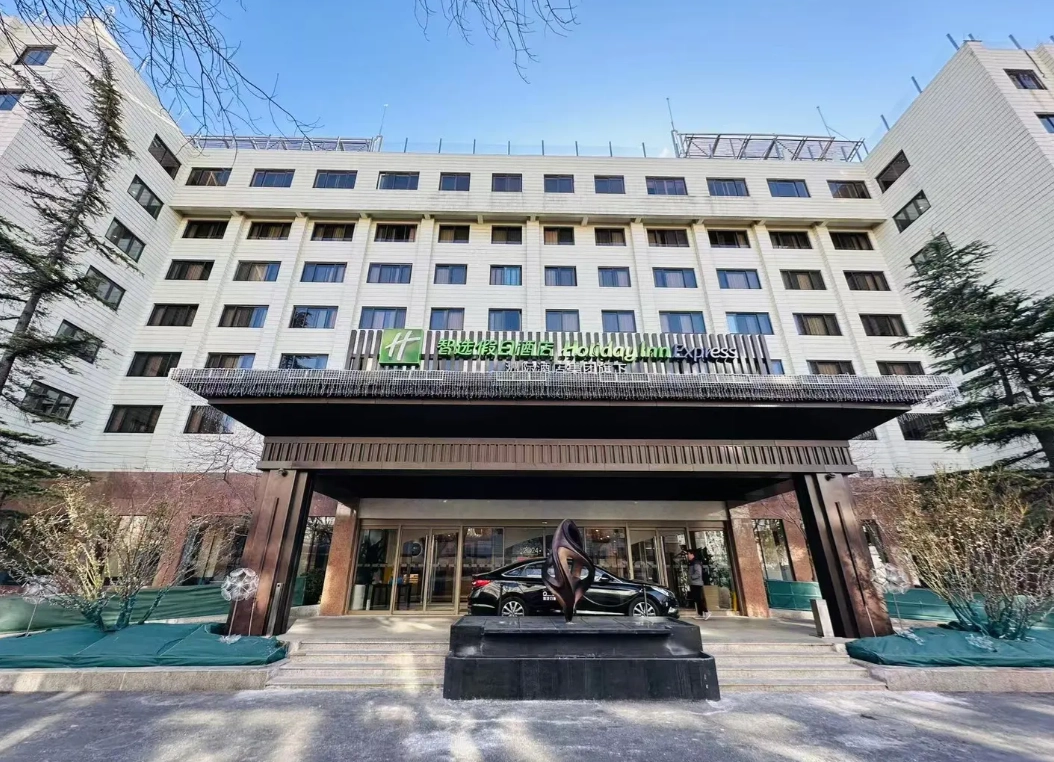
How to Get to Lugou Bridge from Your Hotel
Let's get specific. Here’s exactly how to make the final leg of the journey.
From Daotian Station Area: The easiest way is to hail a taxi or use the Didi app (China's Uber). Tell the driver "Lugouqiao" (loo-goh-chow). The ride is short, about 10 minutes and 15-20 RMB. You can also walk from Daotian Station Exit C in about 25 minutes—head south on the main road, you'll see signs.
From Walking Distance Hotels: Just walk! Use Google Maps or Apple Maps; they work fine for walking directions here. The entrance is on the east side of the bridge.
Public Transport Tip: While there are buses, they're confusing for visitors. I never recommend them for this trip. A taxi is cheap, direct, and saves your energy for exploring.
Entrance & Tickets: The bridge site opens at 7:00 AM and closes at 7:00 PM (last entry 6:30 PM). You buy tickets on-site at the booth. It's 20 RMB per adult. No need for advanced booking. They accept cash and mobile payment (Alipay/WeChat Pay). Have small bills ready.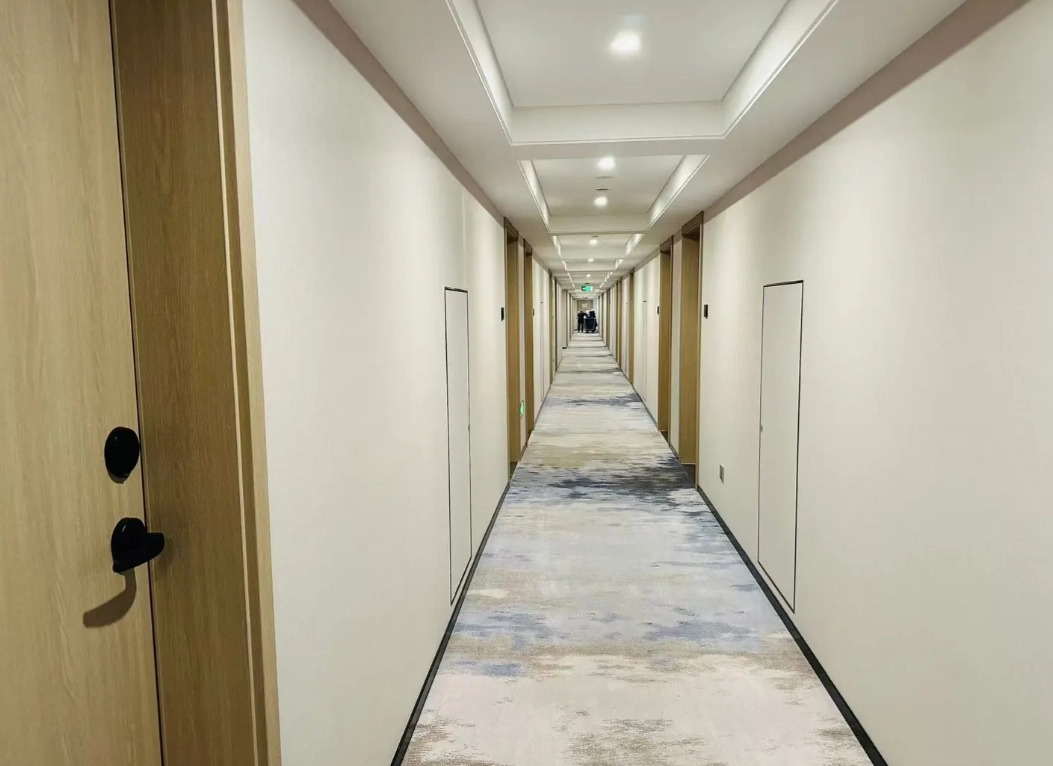
The Perfect One-Day Lugou Bridge & Wanping Itinerary
You've chosen your hotel. Now, here’s how to spend a perfect day here, based on my tours that clients rave about.
7:30 AM: Arrive at Lugou Bridge. Enter, walk slowly across. Count a few lions—each is unique. The morning light from the east illuminates the bridge beautifully. It's peaceful.
8:30 AM: Exit the bridge and walk south for 3 minutes to the entrance of Wanping Fortress (Wanpingcheng). This 17th-century walled city is free to enter and utterly fascinating. Walk the ancient walls.
9:30 AM: Inside the fortress, visit the Museum of the War of Chinese People's Resistance Against Japanese Aggression. It's sobering and essential for context. Admission is free with your passport. Allow 90 minutes.
11:30 AM: Lunch. Exit the fortress's west gate. You'll find a small street with local eateries. Look for the place with the steamed buns (baozi) in the window. A filling meal costs 30-50 RMB.
1:00 PM: This is your flexible time. Option A (History): Explore the quieter back lanes of Wanping Fortress. Option B (Nature): Walk along the Yongding River park south of the bridge. It's a lovely green space locals use.
3:00 PM: Head back to your hotel for a rest. You've earned it.
Evening: If you're near Daotian, explore the local area for dinner. If you want more sights, take Line 14 subway north 6 stops to Xiju station, transfer to Line 9, and go to the Military Museum or Beijing West Railway Station area for more dining options.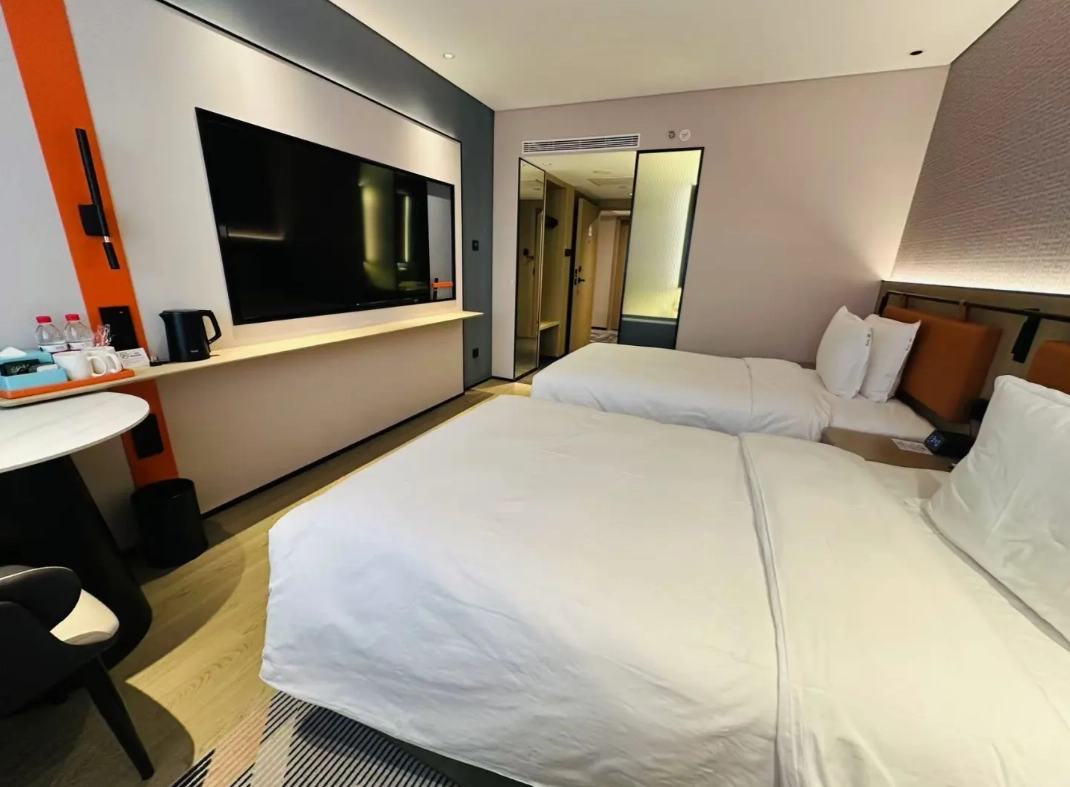
Your Questions, Answered (The Stuff Other Guides Miss)
Is it safe to stay in the Fengtai District near Lugou Bridge?
Absolutely. It's a standard Beijing residential area. Violent crime against tourists is extremely rare. Normal precautions apply: watch your belongings in crowded places and use licensed taxis. The streets are well-lit. I've walked back to my hotel near Daotian at 10 PM many times without a second thought.
What's the biggest mistake tourists make when visiting Lugou Bridge?
They only see the bridge. They spend 30 minutes there, get back on the bus, and miss the incredible Wanping Fortress literally next door. The fortress and its museum complete the story. Allocating less than 3 hours total for the bridge and fortress is a disservice to the history.
I'm traveling with kids. Which area and hotel is best?
The Daotian area is better for families. It has more food choices familiar to kids (some fast-food options, supermarkets for snacks). I'd pick the Holiday Inn Express there. The rooms are larger than budget hotels, the breakfast is kid-friendly, and the short taxi ride means less fuss. The walking-distance zone can feel too quiet and lack immediate amenities for restless children.
Can I pay with credit card at the bridge, hotels, and local restaurants?
Hotels booked internationally will take your credit card. At the bridge ticket booth and almost all small local restaurants in this area, cash or Chinese mobile payment (Alipay/WeChat Pay) is king. International credit cards are rarely accepted. Withdraw RMB at the airport when you arrive. For a day here, having 200-300 RMB in cash per person is wise for tickets, taxis, and meals.
How do I get from Lugou Bridge to the Beijing city center (like Tiananmen Square) afterwards?
The most reliable way is to take a taxi back to Daotian Station (10 mins). From Daotian, take Line 14 subway northbound. Transfer at Xiju station to Line 9, heading east towards the National Library. From there, you can connect to Line 1 to Tiananmen East or West. The total subway journey is about 45-50 minutes. Don't try to get a long-distance taxi directly from the bridge to Tiananmen—the meter will run high with traffic.
 Choosing where to stay near Lugou Bridge is about prioritizing your experience. Do you want pure historical immersion or balanced convenience? For most, a reliable hotel near Daotian Station is the smart move. It puts you in control of your visit, letting you explore one of Beijing's most significant sites at your own pace, not a tour bus's schedule.
Pack comfortable shoes, some cash, and your curiosity. The bridge and its stories are waiting.
This article is based on my personal experience guiding tours in Beijing for over ten years. Details like opening hours and transport options are regularly checked for accuracy.





No comments yet.