 Ting Chen
Quick Jump to Solutions
You booked the flight to Guiyang. You've seen the photos of Huangguoshu Waterfall. But now you're staring at the bus schedule at the airport, and none of it makes sense. That's the moment most travelers to Anshun break.
I've guided this route a hundred times. Let me save you the nightmare. Here's a no-nonsense answer on how to travel to Anshun: take the high-speed train from Guiyang North to Anshun West — it's 30 minutes and costs about 46 yuan. Then hop on the direct tourist bus to Huangguoshu right at the exit. That's it. No need for complicated package tours.
But the journey is only half the battle. Navigating ticketing, payments, and language barriers can turn a dream trip into a headache. This guide covers every step — from train tickets to hotel bookings — so you can focus on the waterfalls.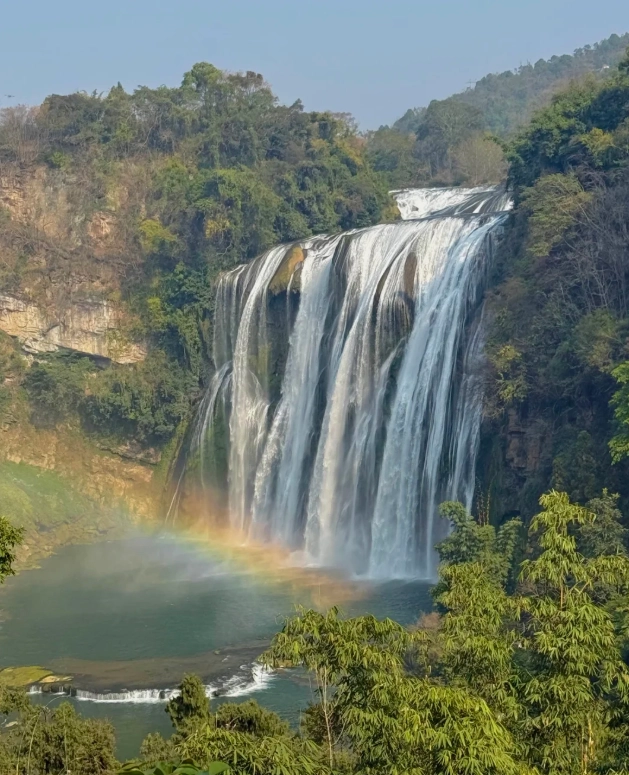
How to Get to Anshun: Flights, Trains, and Buses
By High-Speed Train (Fastest & Easiest)
The high-speed train from Guiyang North is the most reliable way to get to Anshun. It departs every 15-30 minutes, and the journey takes just 30 minutes. Tickets cost around ¥46 in second class. You can book through the official 12306 app or Trip.com. You need your passport number when booking.
When you arrive at Anshun West Railway Station, you'll find clear signs in English. But don't rely on Google Maps to find the bus stop — it's often inaccurate. Use Apple Maps or download AMap (高德地图) beforehand. The station is about 8 km from the city center, and taxis are metered (~¥20).
In my experience, the train is your best bet unless you have mobility issues. The station is huge, but the walk to the taxi rank is manageable.
By Long-Distance Bus (Budget but Less Comfortable)
If you're on a shoestring budget, long-distance buses connect Anshun with most larger cities in Guizhou. From Guiyang's Jinyang Bus Station, buses run every 30 minutes, take about 2 hours, and cost around ¥60. But I rarely recommend this option — the high-speed train is only ¥14 more expensive and saves you 1.5 hours.
Buses are also less comfortable, with limited legroom and no air conditioning on some older models. If you do take a bus, bring snacks and water.
By Rental Car or Private Transfer
Driving to Anshun is an option, but not recommended for first-time visitors. Chinese traffic rules and aggressive drivers can be intimidating. Parking near Huangguoshu is scarce and expensive (¥20-30 per day). If you want flexibility, consider hiring a private car for the day — it costs around ¥300-500 from Guiyang.
Private transfers can be arranged through your hotel or platforms like Trip.com. They're great for groups or families with kids.
| Mode | Duration | Cost (approx.) | Best For |
|---|---|---|---|
| High-speed train | 30 min | ¥46 | Most travelers |
| Long-distance bus | 2 hr | ¥60 | Budget travelers |
| Private car/transfer | 1.5 hr | ¥300-500 | Groups & families |
How to Get Around Anshun: From the City to the Scenic Areas
Getting to Huangguoshu Waterfall
The direct tourist bus from Anshun West Station is the most foolproof way to reach Huangguoshu. Follow the signs to the adjacent bus terminal, where you'll find a dedicated lane for scenic area buses. The ride takes about 1 hour and costs ¥22. Buses leave every 30 minutes from 7:00 AM to 5:30 PM, but confirm the last return time when you arrive — it may be earlier in the off-season.
There's also a bus from Anshun East Station, but the West Station one is more convenient if you arrive by train. Taxis or rideshares (Didi) cost around ¥150 one-way. If you're splitting with other travelers, it can be reasonable.
Pro Tip: Avoid taking unsolicited “tourist vans” from outside the station — they overcharge and will force you to stop at souvenir shops. Stick to the official buses.
Getting to Longgong Cave
Longgong Cave is less crowded than Huangguoshu and slightly easier to reach if you have your own car. From Anshun city center, take bus line 3 or 4 from the old bus station to Longgong — it takes about 50 minutes and costs ¥10. Alternatively, a taxi from the city will run about ¥80-100. If you're coming from Huangguoshu, there's a direct tourist bus, but it only runs a few times a day (check both return times before committing).
The entrance to Longgong is right at the parking area, and there are English signs to the boat pier. You'll need to use your passport to buy tickets, and mobile payment (WeChat/Alipay) is the norm.
What to See in Anshun: Don't Just Do Huangguoshu
Huangguoshu Waterfall — Prepare for Crowds
Huangguoshu is unmissable, but it's also the most tourist-packed spot in Anshun. The scenic area is massive — it includes the main waterfall, Tianxingqiao, and Duopo Pond. You'll need at least 4-5 hours to see everything comfortably. Admission is around ¥160 (varies by season) and includes shuttle buses within the park.
To beat the crowds, arrive at the gate by 7:30 AM. The tour bus convoys start at 9:00, so you'll have the waterfall almost to yourself for a short window. I've been there when the walkway was shoulder-to-shoulder by noon — you can't enjoy the spray when you're stuck in a human crush.
You'll need to book tickets in advance using your passport. The easiest way for foreigners is through Trip.com or the official WeChat Mini Program (if you can navigate it). If you struggle with Chinese, ask your hotel staff for help — they do it all the time.
Insider Advice: Wear quick-dry clothing. The waterfall mist will soak you, and there's no changing room near the main viewpoint. Also, bring a waterproof phone case.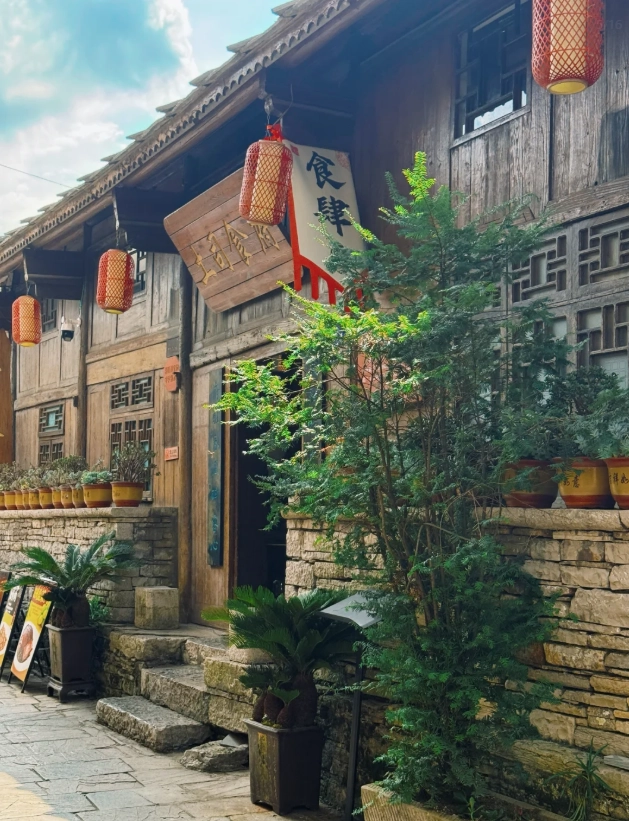
Longgong Cave — A Subterranean Fairyland
Longgong is my personal favorite — underground boat rides, colorful lights, and fewer tourists than Huangguoshu. The cave is a massive limestone system with a river running through it. You'll take a boat for part of the tour, and then walk through lit chambers. Admission is around ¥150 (including the boat).
There's less English signage, so I recommend downloading a translation app (Apple Translate works well). The path is slippery in places, so wear reliable shoes. You can finish in about 2-3 hours if you don't get lost in the side rooms.
Tianlong Tunbao — A Hidden Gem for Culture Lovers
Step into a Ming-dynasty stone village that most foreign tourists skip completely. Tianlong Tunbao is a well-preserved settlement of Han migrants who moved here during the Ming Dynasty. The architecture is unique — everything is built from stone, and the locals still speak an archaic dialect. Entry is only ¥50, and you'll get a glimpse of traditional batik and rice wine making.
Getting there is a bit tricky — take bus 8 from Anshun West Station to Tianlong (about 40 minutes), then walk 10 minutes to the village. It's a great addition if you have extra time.
Where to Stay in Anshun: City Base vs. Scenic Area
Your accommodation choice depends on your itinerary and budget. I usually advise staying in the city center (near the old night market) for convenience and value, unless you're determined to catch sunrise at Huangguoshu.
| Area | Distance to Huangguoshu | Est. Nightly Rate | Best For |
|---|---|---|---|
| Anshun West Station | 1 hr by bus | ¥150-300 | Train travelers with early departures |
| City Center (e.g., Hongshan Lake) | 1-1.5 hr | ¥200-400 | Foodies and nightlife lovers |
| Huangguoshu Scenic Area | At the gate | ¥400-800 | Photographers and early risers |
City center hotels like Hanting or 7 Days Inn are reliable and budget-friendly. They have basic amenities and English-speaking front desk staff (though limited). Always check if the hotel has an elevator — some budget boutique hotels in old buildings don't. For scenic area stays, book well in advance, especially in summer.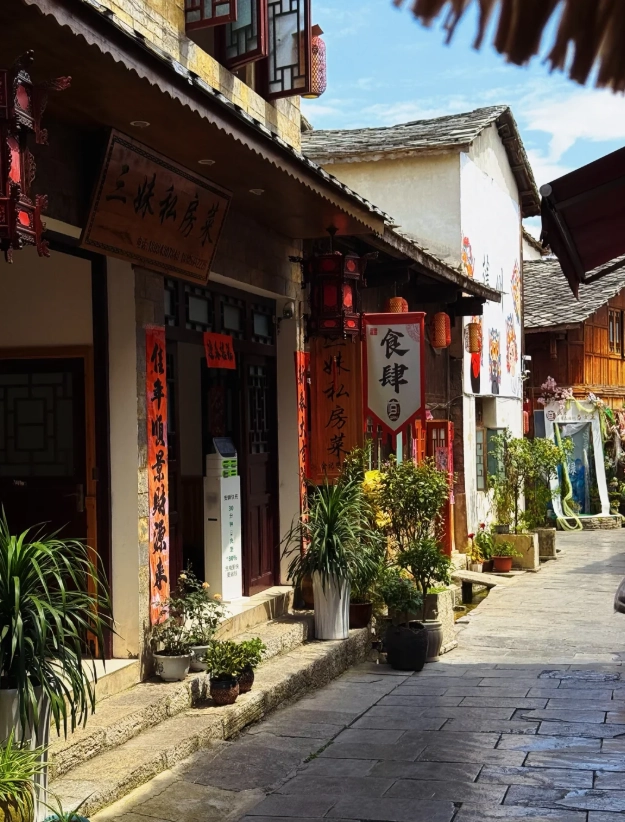
Anshun Food Guide: Eat Like a Local
Anshun is a hidden foodie paradise, but you need to know what to look for. The night markets around the “Qingyuan Trail” are bustling with stalls selling local specialties:
- Changwang noodles (肠旺面) — a spicy, slippery noodle soup with pig intestine and blood cakes. One bite and you'll either love it or run for the hills.
- Sour fish soup (酸汤鱼) — a Guizhou classic, made with fermented tomatoes and fresh fish. It's tangy, slightly spicy, and perfect for sharing.
- Grilled tofu with stinky sauce — don't let the smell fool you; it tastes better than it smells.
I always take my guests to the night market near the ancient city wall. It's a 10-minute walk from the central square. Stall owners don't speak English, so just point at what others are eating. Prices are cheap — you can have a feast for ¥30.
For a sit-down meal, try “Red Maple Restaurant” (红枫餐馆) on South Street. The chef speaks no English, but the menu has photos. They're famous for their sour fish stew. Expect to pay ¥60-80 per person.
Note: Almost all stalls accept only WeChat Pay or Alipay. Carry a small amount of cash (¥100-200) as a backup, but don't rely on it.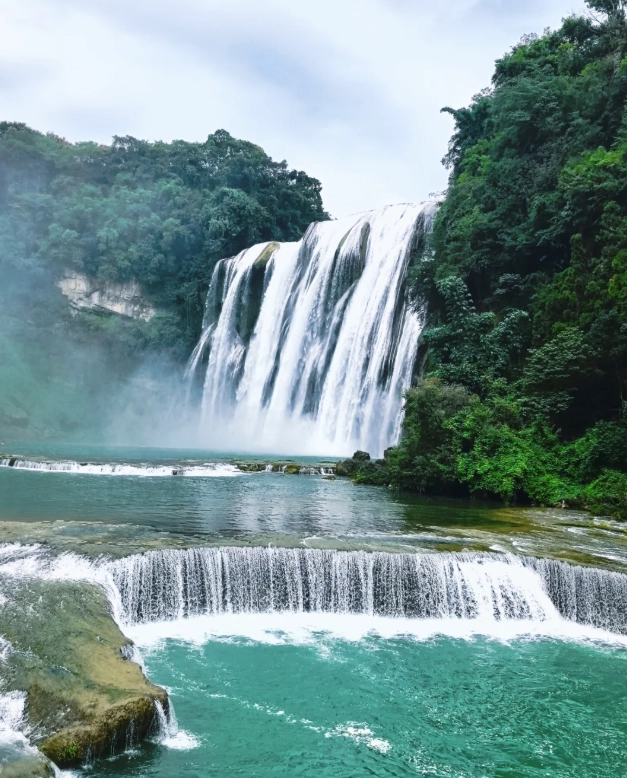
Sample Anshun Itinerary: 1 to 3 Days
If you have only one day, dedicate it to Huangguoshu. Any longer, and you have room for Longgong and cultural wonders. Here's a realistic plan:
1-Day Rush
- 7:00 AM — Take the direct bus from Anshun West Station to Huangguoshu (1 hr).
- 8:00 AM — Enter the scenic area before the tour groups arrive.
- 9:30 AM — Hike down to the main waterfall viewpoint (the stairs are steep but worth it).
- 12:00 PM — Lunch at a local noodle shop inside the park (¥20-30).
- 1:30 PM — Take the shuttle to Tianxingqiao for the boulder maze and water features.
- 4:00 PM — Catch the return bus to Anshun.
- 6:00 PM — Dinner at the night market: sour fish soup and grilled skewers.
2-Day Balanced
Day 1: Huangguoshu (as above). Day 2: Morning at Longgong Cave, afternoon at Tianlong Tunbao. The bus from Anshun West to Longgong takes 50 min; then take a taxi to Tianlong (~30 min). You'll be back in the city by dinner.
3-Day Relaxed
Day 1: Huangguoshu. Day 2: Longgong + Old Town Anshun (walk the ancient city wall and see the Confucius Temple). Day 3: Day trip to the Lianhua Water Cave or just explore local markets.
If weather turns bad (thunderstorms in summer are common), swap outdoor time for the indoor Tunbao Museum or catch a movie at the local cinema. You'll find that most towns have a “golden screen” cinema that's cheap and worth a window seat for people-watching.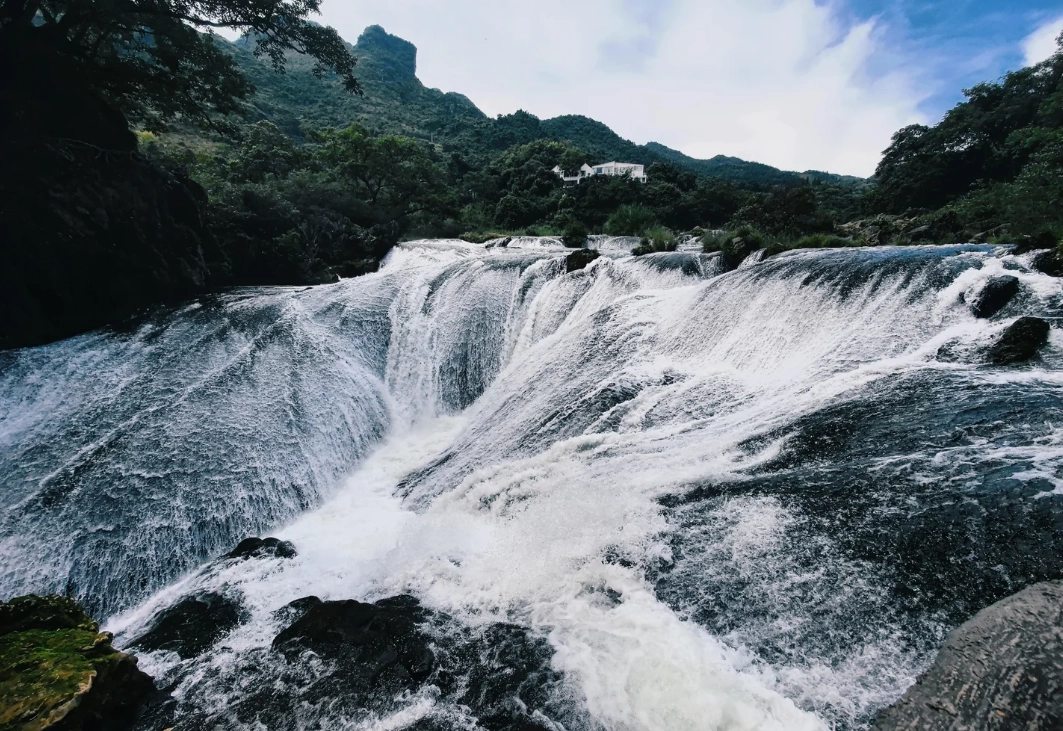





No comments yet.