 Ling Wu
What You'll Learn in This Guide
Ever queued under a blazing sun for a ticket that should have taken two minutes? That's Wudang Mountains on a typical weekend. I'm not here to sell you a dream — I've been guiding travellers up these Taoist peaks for six years, and most wasted hours happen before the climb even starts. So here's the honest truth: the only way to truly enjoy Wudang is to plan your visit around realistic logistics — not the postcard photos. Use this guide to master the basics: the fastest train from Wuhan, the exact bus that drops you at the tourist centre, the 240 CNY ticket that includes the shuttle, and the one-hour window when the summit cable car line shrinks. I'll show you how to skip the chaos and get your camera ready for the famous Golden Summit without losing your mind.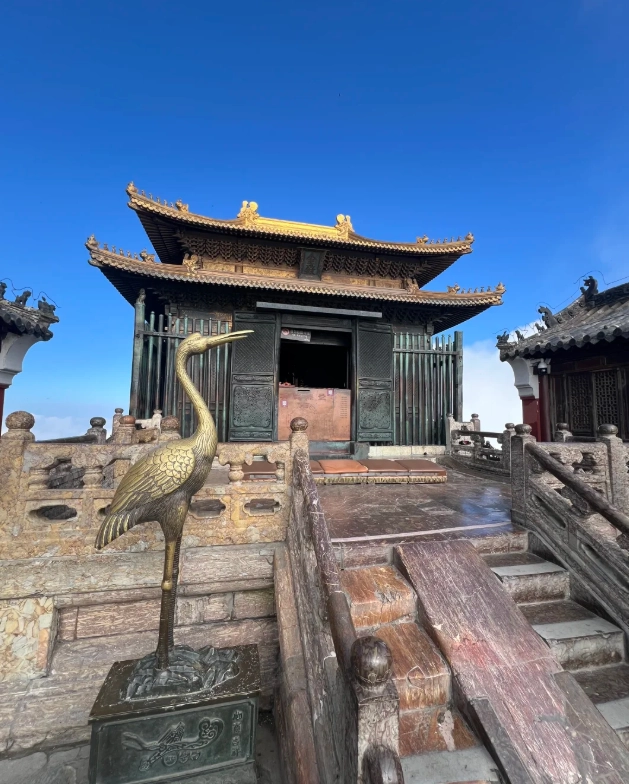
Why You Should Visit Wudang Mountains (Not Just for the Taoist Temples)
China has enough mountains to confuse any traveller, but Wudang stands apart because it's a living Taoist centre, not just a scenic spot. You'll see monks in grey robes, incense curling from 900-year-old halls, and stone paths that feel more ancient than anything you've seen in English-language guides.
But here's what most foreign visitors miss: The surrounding forests and valleys are just as rewarding as the temples themselves. The architecture is incredible, sure — the Golden Summit, the Purple Cloud Temple, the Nanyan Temple — but the real magic happens when you step off the main cable-car route and follow the old pilgrimage paths. I've led countless groups up here, and the people who rave the most are the ones who caught the sunrise from the top before the crowds arrived.
Still, a visit here isn't like a walk in a city park. The scale is huge, the altitude changes quickly, and the logistics can be daunting. That's exactly why I've put together this no-fluff, field-tested guide. Let's start with the hardest part — getting there.
How to Get to Wudang Mountains: Trains, Buses, and Taxis
Most travellers fly into Wuhan, the provincial capital, then take a high-speed train to Wudangshan West Railway Station. That's your smoothest bet. The train from Wuhan to Wudangshan West takes about 2–2.5 hours and costs around 80–120 CNY depending on seat class. Book early on Trip.com or 12306.cn — the latter requires a verified phone number, so Trip.com is friendlier for foreigners.
From Wudangshan West Railway Station to the Tourist Centre
Once you exit the station, ignore the touts yelling "taxi" — they'll overcharge you. Instead, walk straight ahead to the public bus stop. Bus 203 (or a shuttle, depending on the season) takes you directly to the Wudang Mountain Tourist Centre in about 20–30 minutes. The fare is just 2–5 CNY. If you're tired, a Didi (Uber-like) ride costs around 20–30 CNY for the same trip.
Pro Tip: Save the Chinese address of your hotel to show the driver: 武当山景区游客中心附近 (Wudangshan Scenic Area Tourist Centre). Many drivers don't speak English, so having this written out saves you a headache.
By Bus from Shiyan City
If you're already in Shiyan, take the express bus from Shiyan Bus Station to Wudangshan Town. It runs every 30 minutes and takes about 1 hour. From the town, you can grab a short taxi to the tourist centre. This is a budget-friendly option if you're coming from there.
| Route | Time | Cost (CNY) | Notes |
|---|---|---|---|
| Wuhan to Wudangshan West (High-speed rail) | 2–2.5 hours | 80–120 | Book via Trip.com or 12306.cn |
| Wudangshan West to Tourist Centre (Bus 203) | 20–30 min | 2–5 | Exit station, follow signs |
| Wudangshan West to Tourist Centre (Didi) | 15–20 min | 20–30 | Show Chinese address |
| Shiyan to Wudangshan Town (Express bus) | 1 hour | 15–20 | Runs every 30 minutes |
Now, let me save you some money: Don't pay for a private car from the train station. The public bus is perfectly safe and drops you right at the entrance. I've watched tourists pay 100 CNY for a ride that costs 5 CNY by bus. Be smarter.
Wudang Mountains Tickets: Prices, Booking, and Passport Rules
The ticket situation confuses nearly every first-timer, so listen up. The entrance ticket costs between 240 and 260 CNY (adjusted seasonally) and includes the mandatory eco-shuttle buses that ferry you between scenic spots. You still need separate tickets for the cable car (up to 90 CNY one-way) and a few special attractions like the Golden Summit (a small extra fee, around 20–30 CNY).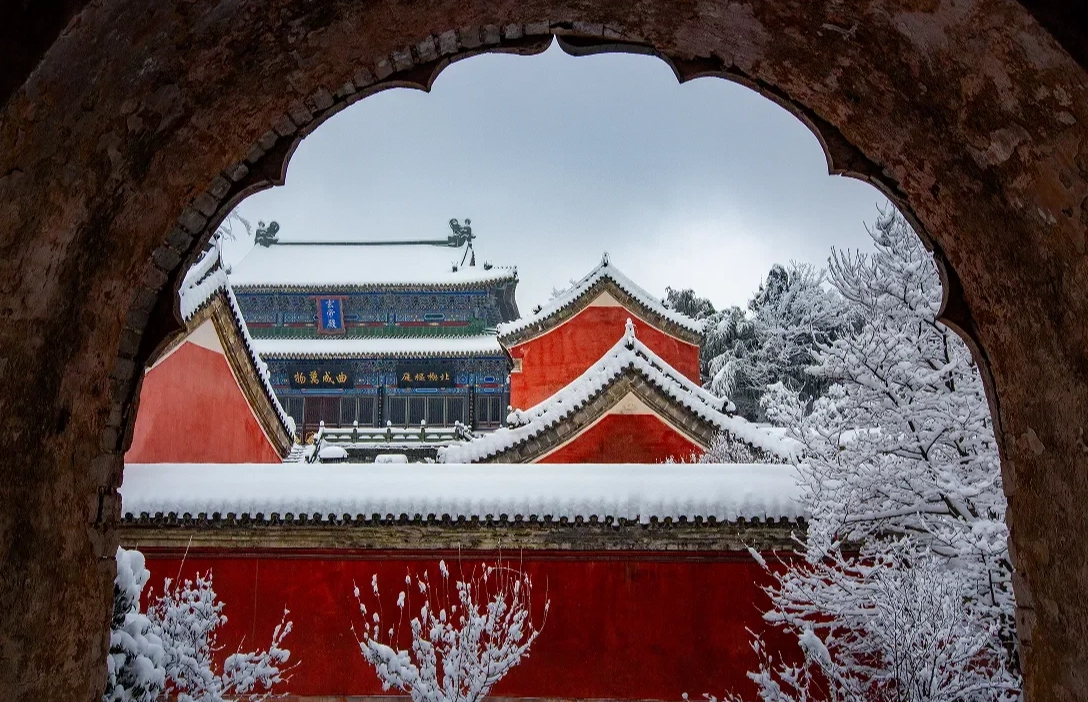
How to Buy Without Losing Your Mind
Booking is mandatory for foreign visitors — you can't just walk up and buy a ticket. The official WeChat mini-program is in Chinese, which is a nightmare for most travellers. Instead, use Klook or Trip.com to book your entry ticket in English. You'll need your passport number, so keep it handy. You'll also have to show the same passport at the gate — they verify the name and number.
Insider Advice: If you're visiting during a Chinese public holiday (like National Day in October), the ticket office sells out online days in advance. Book at least 3–4 days ahead. If you're here in shoulder season (May or June), booking the night before is usually fine.
Pro Tip: The ticket counter at the tourist centre accepts cash and Chinese mobile payment but often rejects international credit cards. Even if you have a card, bring some cash as backup. I've seen travellers turned away when their card was declined.
Operating Hours & Best Time to Enter
The scenic area gates open from 7:00 AM to 5:30 PM (sometimes later in summer). The last shuttle bus leaves the summit around 6:00 PM. I always tell my clients to be at the gate by 7:30 AM at the latest. The morning light on the Golden Summit is unbeatable, and you'll beat the tour groups that start pouring in around 10 AM.
A Realistic 3-Day Wudang Itinerary
Here's a plan that's worked for dozens of my guests. It's not a checkbox tour — it respects your legs and your brain. This itinerary balances the iconic spots with quiet moments you'll actually remember.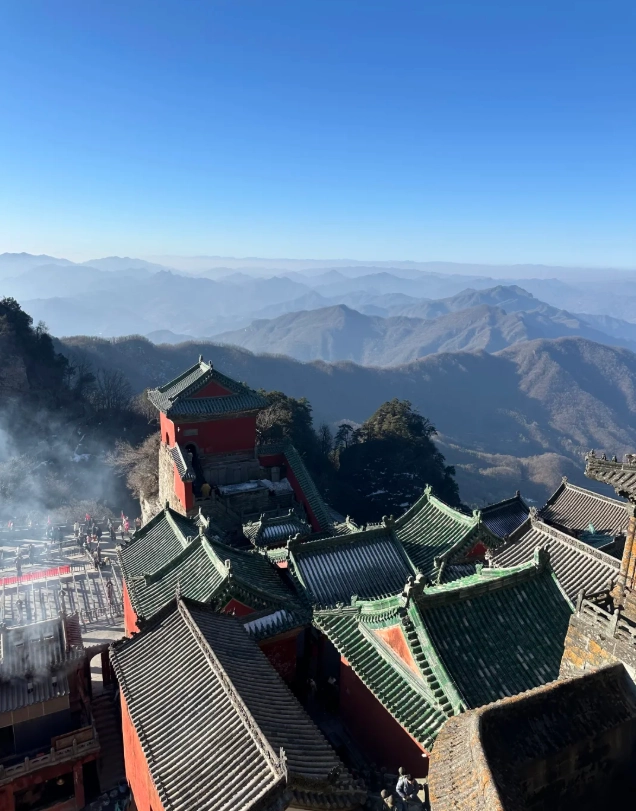
Day 1: Arrival & Acclimation
Arrive in Wudangshan town in the afternoon, check into your hotel, and take it easy. Spend an hour walking around the old town and sample some local food. If you're feeling energetic, walk to the statue of Zhang Sanfeng (a 10-minute stroll). Don't enter the scenic area yet — a rushed half-day is worse than none.
Day 2: Golden Summit & Purple Cloud Temple
Start early (7:30 AM) and take the eco-shuttle to the cable car station. Ride up to the Golden Summit, then walk the remaining steps (about 20 minutes). The summit is atmospheric before 9 AM — you'll see Taoist monks doing morning prayers. After descending, take the shuttle to the Purple Cloud Temple. This is the largest and most impressive Taoist complex. Plan for 2–3 hours here.
Lunch: Grab a simple noodle bowl near the temple entrance — the vegetarian fried noodles are surprisingly good. Don't expect gourmet; it's about convenience.
Day 3: Southern Cliff & Nanyan Temple
Last day focuses on the Southern Cliff (Nanyan), a cliff-hugging temple complex that looks like something from a wuxia movie. Take the shuttle to Nanyan, then walk the cliffside paths. Allow 3 hours. In the afternoon, explore the nearby Zixiao Palace (Purple Cloud Temple) if you missed it, or simply rest at a tea house. Leave in the late afternoon via bus or train.
If you have only 24 hours: Do Day 2 only — the Golden Summit and Purple Cloud Temple are the must-sees. Skip the rest to avoid burnout.
How to Avoid Crowds While Hiking Wudang Mountains
Everyone talks about the crowds, but most advice online is generic. Here's the real deal: The worst crowds are between 10 AM and 2 PM, especially around the cable car and Golden Summit. The tour buses arrive around 10:00, so your mission is to be going the opposite direction.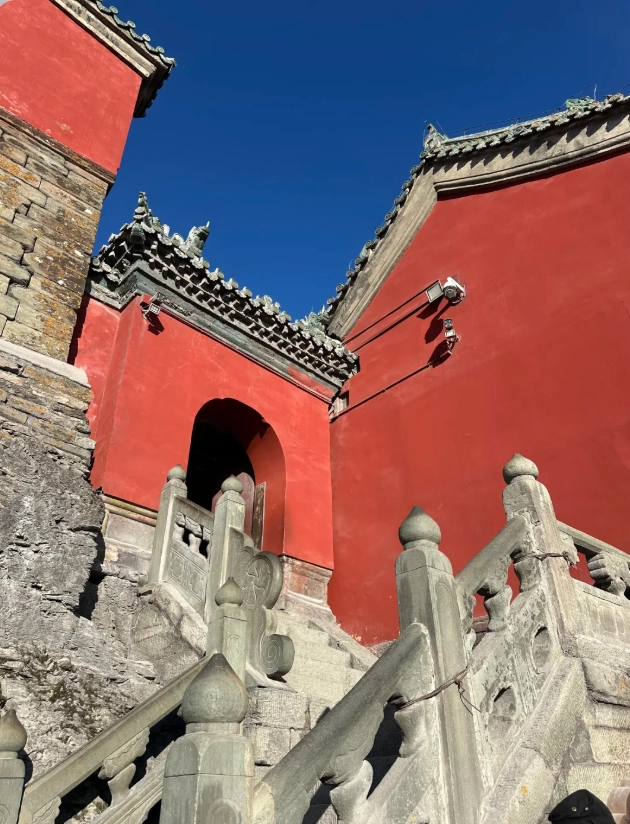
Concrete tactics:
- For the Golden Summit: go up via cable car before 8 AM, or hike up the 6000-step Ming Path at 7 AM (tough but empty).
- For Nanyan Temple: visit after 3 PM, when most day-trippers are heading back down.
- Always check the weather: if it's overcast, the view is gone — but you'll have the place nearly to yourself. Pack a rain jacket.
I've noticed that many first-timers underestimate the hiking time. The path from the Nanyan Temple to the Golden Summit is 4–5 hours of steady climbing. Don't attempt this without proper hiking shoes and water. Build in extra time for rest stops.
Another subtle mistake: the cable car line at the end of the day is worse than the morning rush. If you're coming down, take the shuttle bus instead — it's less scenic but significantly faster.
Where to Stay Near Wudang Mountains: Hotels, Hostels, and Niche Options
You have two main options: stay in Wudangshan Town (the base town) or stay inside the scenic area itself. If you're only here for two days, staying in the town is more practical — you'll be near the tourist centre and restaurants. Staying inside the scenic area is magical, but you'll face limited food choices and you'll need to haul your bags up steps.
| Area | Pros | Cons | Best For |
|---|---|---|---|
| Wudangshan Town | Easy access to tourist centre, many restaurants | Can be touristy, no mountain views | First-timers, families |
| Inside Scenic Area (near Nanyan) | Wake up to mountain mist, fewer tourists | Limited food, must carry luggage | Photographers, couples |
| Shiyan City | Cheaper hotels, bigger city amenities | 40-min drive to gate | Budget travellers |
For budget travellers, hostels in town cost 80–120 CNY per night. Mid-range hotels run 200–300 CNY. Inside the scenic area, family-run guesthouses near Nanyan Temple start at around 150 CNY, but check if they have heating or reliable Wi-Fi — mountain nights get cold.
What to Eat in Wudang: Local Specialties After a Day of Climbing
You'll be hungry after all that altitude. The local cuisine is Hubei provincial food, with a focus on fish and mountain vegetables. Don't miss the 武当山野菜 (wild mountain greens) stir-fried with garlic — they're earthy and delicious.
My go-to restaurant in the town: 老张三风味餐厅 (Lao Zhang San Flavor Restaurant), just off the main street. It's a simple place with an English picture menu (ish). Try their 冷水鱼 (cold-water fish) with pickled peppers — it's spicy, so have some rice ready. A meal for one costs around 40 CNY.
Inside the scenic area, most food stands sell snacks like grilled corn and mapo tofu. For a proper lunch, the noodle shop near the Purple Cloud Temple is my pick — the osmanthus cake is a must-try dessert.
Insider Tips for Visiting Wudang Mountains: Payments, VPNs, and More
Let's talk about the practical stuff that most guides avoid. Cash is your emergency backup, not your main payment method. Even at the ticket office, they prefer mobile payment (Alipay or WeChat). Set up Alipay before you arrive — link your international credit card. WeChat Pay is also accepted but often requires a Chinese bank card for some functions. Alipay is easier for foreign cards.
Note: Google Maps is completely unreliable here. Download AMap (高德地图) and switch it to English mode. Apple Maps works okay, but AMap has better coverage of tourist buses. Also, download an offline Chinese language pack in case your signal drops.
You'll need a VPN before you arrive. China blocks Google, Facebook, and Instagram. Set it up at home, because downloading a VPN app from the app store after you land is a pain. I've used both Astrill and ExpressVPN; both work here.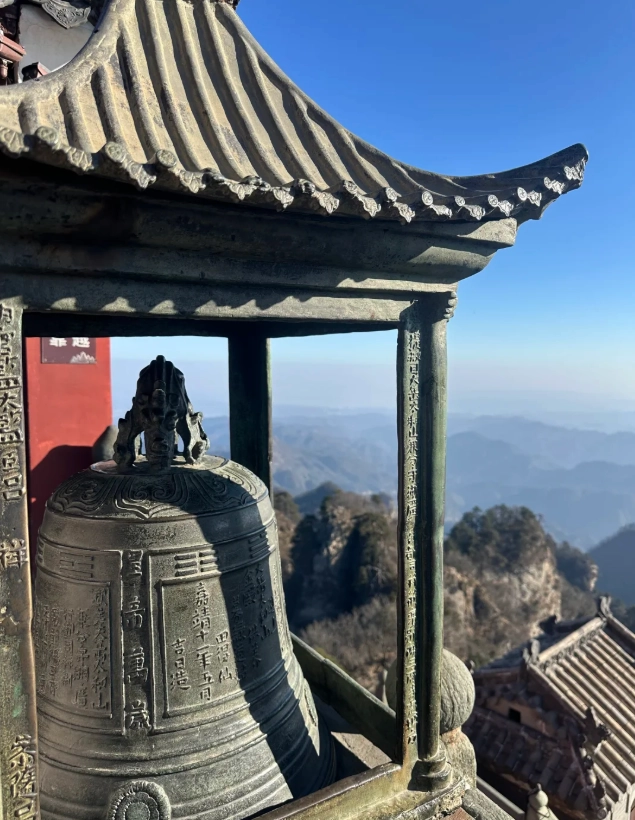
Pro Tip: The Wi-Fi in many guesthouses is spotty, especially in mountain villages. If you rely on your phone for translation, buy a local SIM card (China Unicom or China Telecom) at the airport. Data plans are cheap (around 50 CNY for 10GB).
Wudang Mountains FAQ: Your Questions, Answered
This content has been fact-checked to ensure informational precision.






No comments yet.