 Tao Xu
What’s Inside – Quick Guide
- Why Choose the Guilin to Kunming Train Over Flying?
- What Are the Fastest High-Speed Options from Guilin to Kunming?
- How to Book Guilin to Kunming Train Tickets Without Tears?
- Which Guilin Station Should You Use for the Kunming Train?
- What Insider Tips Make the Guilin–Kunming Rail Trip Better?
- FAQ: Guilin to Kunming Train Questions, Answered
Let me be honest: the Guilin to Kunming train has given me more headaches than almost any other route in China — not because the trains are bad, but because almost every foreign traveler I meet walks into it blind. They show up at the wrong station, they try to pay with a foreign credit card at the machine, or they forget that booking requires their passport. But here’s the thing: once you know the right moves, it’s actually one of the smoothest, most scenic rides in the country. That’s why I’m writing this guide — to spare you the mistakes I’ve watched in person, so you can just enjoy the karst mountains blurring past your window.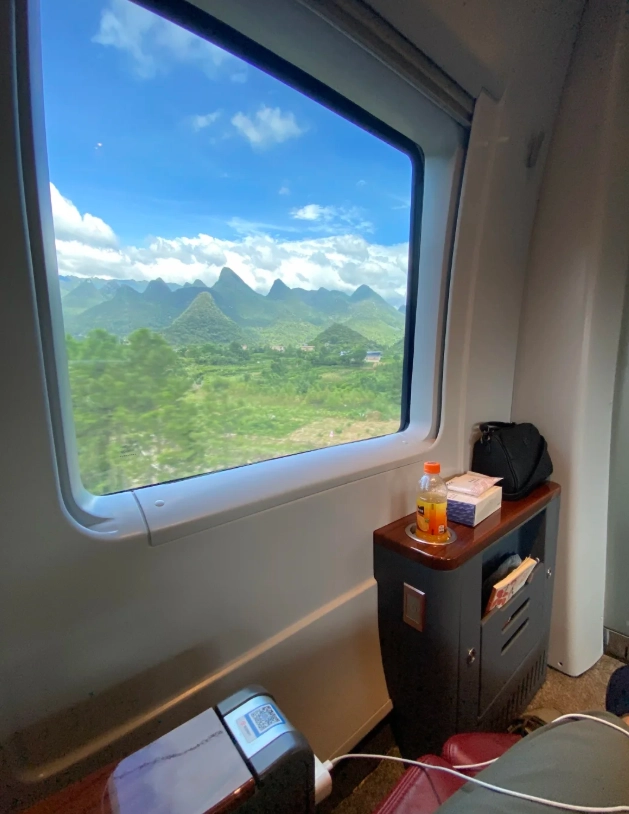
Why Choose the Guilin to Kunming Train Over Flying?
When I ask my tour groups why they’re considering the Guilin to Kunming train, the answers usually fall into three camps: price, scenery, or a mix of both. Flying between these cities is quick — around 1 hour and 40 minutes — but by the time you factor in airport transfers, security lines, and delays, you’re looking at a solid 6-hour door-to-door experience anyway. The train, meanwhile, drops you right at Kunming South station, which has a metro line straight into the city center. Plus, the train window offers a slow-motion parade of limestone peaks, rice paddies, and rivers that you simply won’t see from 30,000 feet.
I’ve taken this route dozens of times over the past decade, and I still get wide-eyed when the train emerges from a tunnel into a valley dotted with tiny villages. It’s not just a transfer; it’s an attraction in itself. If you’re trying to decide between a 1-hour flight and a 6-hour train, the train isn’t the slower option — it’s the smarter one.
What Makes the Rail Route Special
The railway snakes through some of southern China’s most dramatic geography. You’ll pass through Guilin’s famous karst hills, then climb into the highlands of Guizhou, with its terraced fields and dramatic gorges. Keep your camera ready during the first two hours after departure — that’s where the postcard views are. I always tell my travelers to grab a window seat on the right side of the train heading west, because the best panoramas are on that side.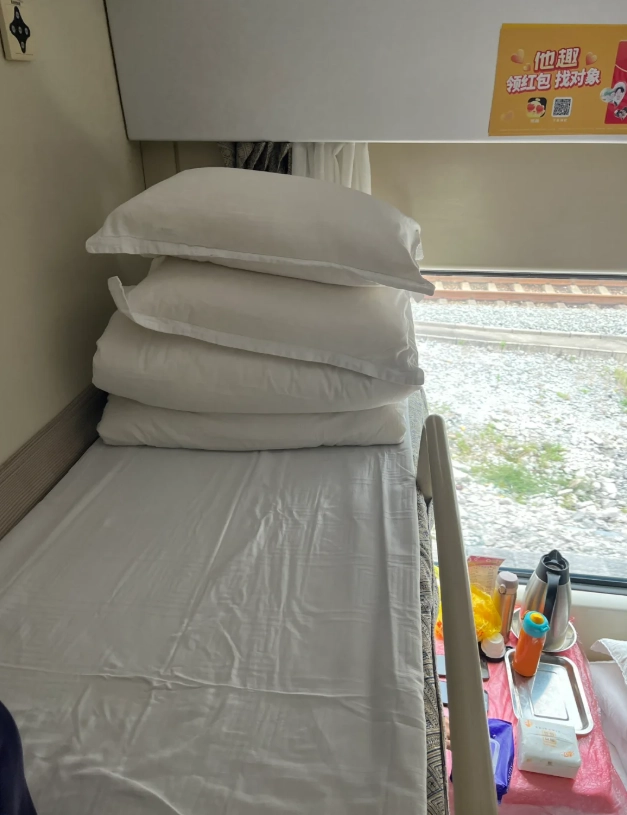
What Are the Fastest High-Speed Options from Guilin to Kunming?
The route is served by two main types of trains: the modern high-speed trains (designated G or D) and the older, slower conventional trains (designated K or T). For most visitors, the high-speed option is the obvious choice, but the slower trains have their own charm — and a much lower price tag.
| Train Type | Duration | Approx. Second-Class Price | Comfort Level |
|---|---|---|---|
| High-Speed (G/D) | 6–7 hours | 400–600 CNY | Air-conditioned, reclining seats, plenty of legroom |
| Regular (K/T) | 12–15 hours | 150–250 CNY | Hard sleepers or soft sleepers, older carriages |
It’s worth noting that high-speed trains are nearly always on time, while regular trains can occasionally be delayed. On the balance of comfort and time, I usually recommend the high-speed train, unless you’re extremely budget-conscious or have a romantic streak for old-school sleeper trains.
Which High-Speed Train Should You Pick?
There are multiple G and D trains depart from Guilin North and Guilin West stations each day. The G trains are slightly faster but may cost a bit more. D trains are slower by about half an hour but are often cheaper. Either way, you’ll end up at Kunming South station, which is connected to the metro network (Line 1) and easily reaches the city center in about 20 minutes.
I always tell my clients to check the departure station carefully — Guilin West is a bit out of town, while Guilin North is closer, and the old Guilin Station handles mostly regular trains. Make sure you know which station your ticket is from; many an embarrassing sprint has happened because someone mixed them up.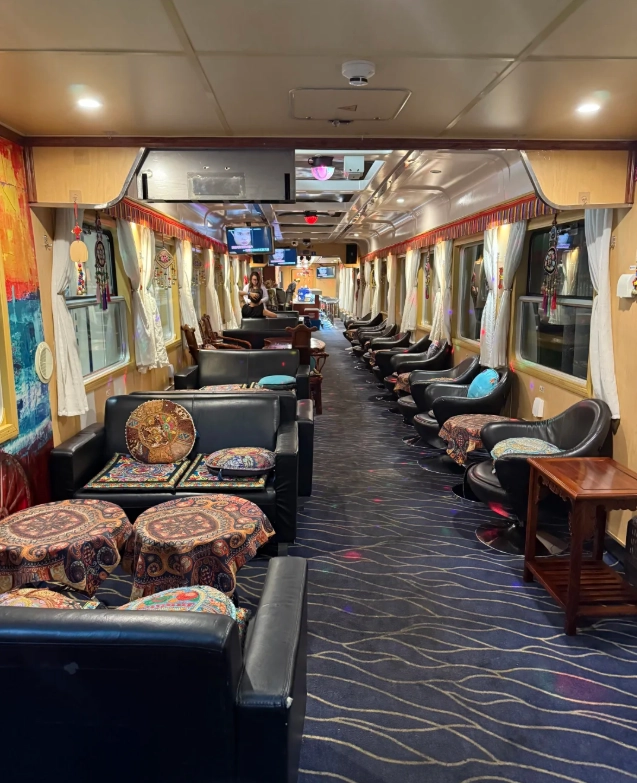
How to Book Guilin to Kunming Train Tickets Without Tears?
Booking a train ticket in China has become easier for foreigners, but it still trips up even seasoned travelers. The good news? You don’t need to master the Chinese rail system — you just need to know the right tools.
The Easiest Way: Use Trip.com or Klook
Both platforms offer English-language booking for Chinese trains. You’ll need to input your passport number exactly as it appears on your passport. The platforms add a small service fee, but they save you the headache of navigating the Chinese 12306 website. I’ve personally booked through Trip.com for dozens of clients and never had a problem. Tickets usually become available 15 days in advance, so set a calendar reminder.
The Official 12306 Route (For the Brave)
If you’re comfortable with Chinese or are using a translation app, you can book directly on 12306.cn. This gives you the lowest price and the most flexibility with seat selection. You’ll need to verify your passport info, which can take a few minutes. If you get stuck, the app’s English version (available since recent years) helps, but the puzzle of login and payment can still be a pain — especially since foreign cards are often rejected.
My advice: if you only have a few days before departure, stick to Trip.com. If you’re a planner who enjoys a challenge, 12306 is fine — just be prepared for a fight.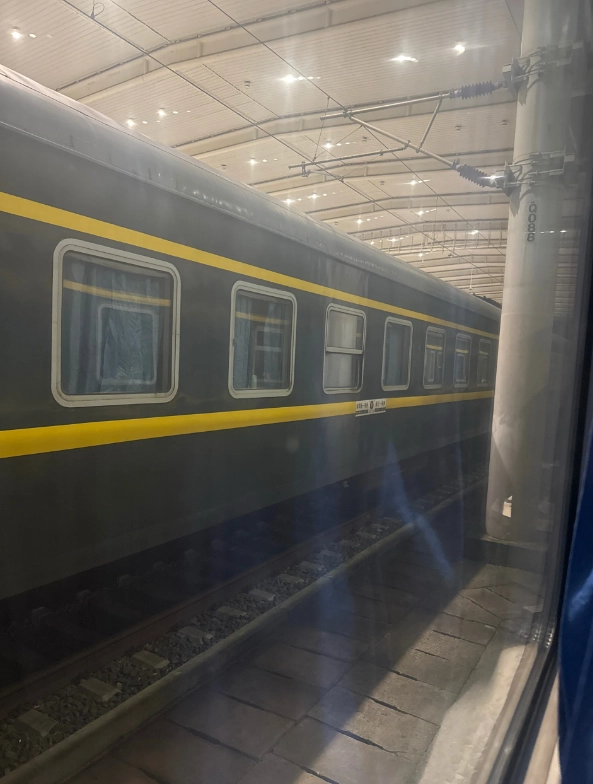
What to Do When Tickets Are Sold Out
Train tickets for this route can sell out fast, especially on weekends and during Chinese holidays. If you can’t get a direct ticket, try a two-leg approach: take a train from Guilin to a major interchange like Nanning or Guiyang, then hop on a train to Kunming. It’s often easier to find seats this way. I’ve even seen travelers reverse the legs (Kunming to Guilin) and it works just fine.
Which Guilin Station Should You Use for the Kunming Train?
This is where most foreign travelers trip up. Guilin has three train stations: the main Guilin Station (桂林站) downtown, Guilin North (桂林北) in the northeast, and Guilin West (桂林西) far west. For the Guilin-to-Kunming high-speed trains, you’ll likely depart from either Guilin North or Guilin West, not the central Guilin Station. Let me break it down.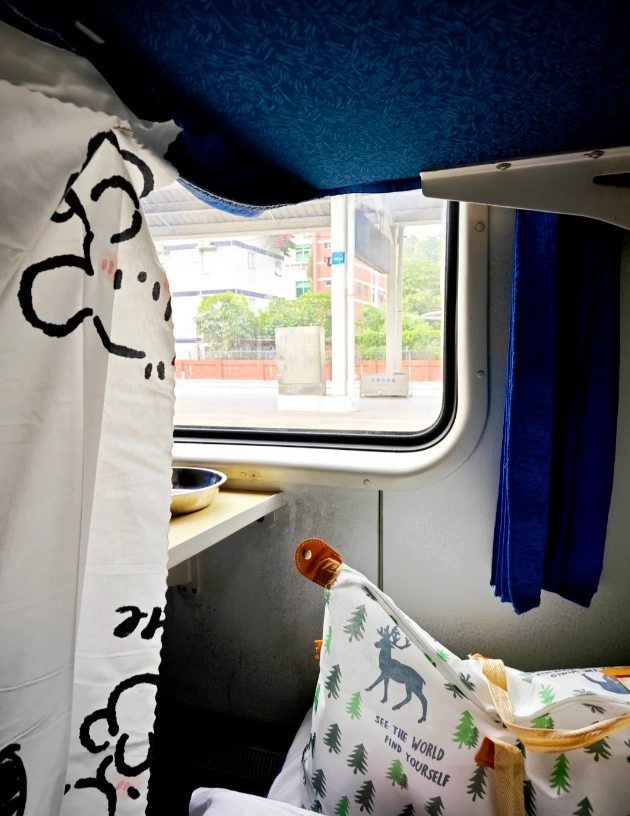
Guilin Station (Central)
This is the original station, located near Jiefang Bridge and the central shopping area. It mainly handles slower trains. If your ticket says “Guilin” with no suffix, it’s this one. For Kunming, there are a few regular trains that leave from here, but they take over 12 hours.
Guilin North Station
The most convenient for high-speed rail. It’s about 30 to 40 minutes by taxi from the center, depending on traffic. The station is modern, with clear English signs, and there’s a dedicated bus line that connects it to the city. I always recommend my clients use this station when possible.
Guilin West Station
This is the newest and most remote. It’s about an hour from town, and public transport is thinner. Some Kunming-bound high-speed trains use it, so double-check. If you’re stuck with Guilin West, budget extra time and pre-book a taxi via Didi (the Chinese Uber) to avoid the chaos.
Pro Tip: Check your ticket’s station code and plug it into your map app before heading out. The Chinese station names look similar, and Google Maps is unreliable in China. I strongly recommend using Apple Maps or the Amap Global, and always have the station address written in Chinese to show your driver.
What Insider Tips Make the Guilin–Kunming Rail Trip Better?
Over the years, I’ve gathered a list of small but crucial tips that can save you from misery. Here are my top non-negotiables:
Payment and Connectivity
- Carry a backup with you. Most food stalls and small shops at the station only accept Alipay or WeChat Pay. International credit cards are almost never accepted at ticket vending machines or on-board snack carts. Make sure your Alipay is linked to an international card and your phone has a local SIM or an eSIM.
- Download a translation app. The signs on high-speed trains are bilingual, but menus on the dining car aren’t. Use Apple Translate or the Baidu Translate app, and keep your passport handy for ticket checks.
The Right Seat Selection
If you want a smooth ride, choose a seat in the middle of the carriage. The front and back can feel more jolting. Also, reserve a window seat (A or F in second class) on the right side of the train heading west — that’s the side with the best scenery. I’ve shot photos from the corridor, but a window seat beats it every time.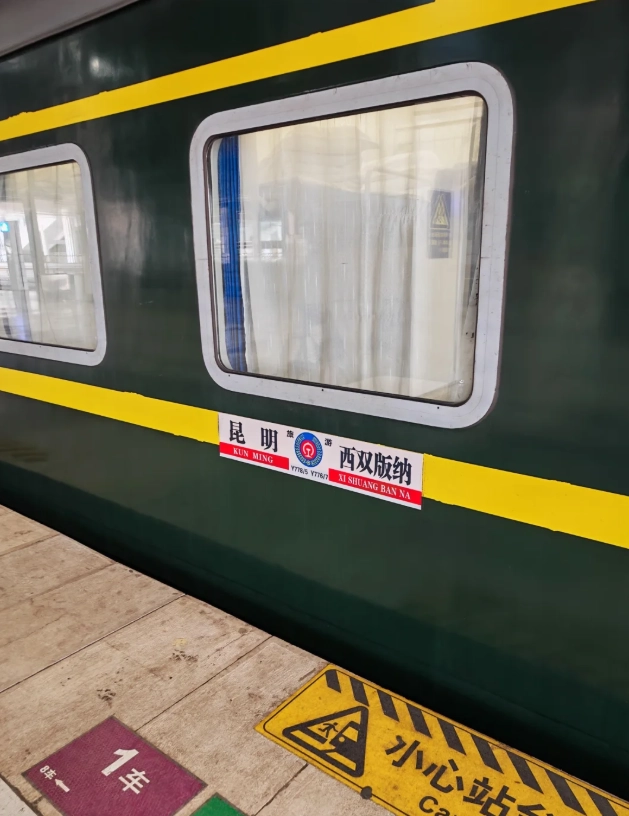
Food and Drink
It’s worth packing snacks, because the train’s dining car is mediocre and overpriced. The station also has good grab-and-go options. If you want to experience local breakfast, try the “Guilin rice noodles” (桂林米粉) before boarding — there’s a decent shop inside Guilin North station, but it’s often busy. Arrive 45 minutes early to grab a bowl.
Dealing with the Toilet Situation
On high-speed trains, toilets are installed in each carriage, but they can get occupied quickly during peak times. My trick: don’t wait until the train starts getting close to Kunming South. Use the restroom at the station before boarding, and use the on-board facilities between stops when the aisle is less crowded.
One more thing: if you have heavy luggage, place it in the luggage racks at the ends of the carriage. Avoid putting it on the seats next to you — you might be asked to move it during a ticket check.
Important: Your ticket will be checked at least once during the journey, and you’ll need your passport along with the ticket. Don’t put your passport in the overhead bin — keep it in your pocket or a small backpack.
FAQ: Guilin to Kunming Train Questions, Answered
There you have it — everything you need to know to make your Guilin to Kunming train journey a breeze. The route is easy to navigate if you plan ahead, and the rewards are immense. I guarantee that once you watch the sunset over the Yunnan-Guizhou highlands from your seat, you’ll wonder why you ever considered flying.






No comments yet.