 Ming Yang
Stop me if you've heard this one: you book a flight to Guizhou, dream about that massive waterfall—and then spend half your trip stuck on a tour bus. I've guided dozens of travelers through this province, and I've seen the same mistakes repeated.
The truth is, Anshun deserves more than a rushed photo stop. With 2 days, you can actually live the Huangguoshu experience, paddle through Longgong Cave, and wander centuries-old villages. But only if you know the right order.
So here's my non-negotiable advice: pack your first afternoon with the main falls, then hit the side attractions early. Book your tickets online before you land. And for the love of all that is holy, bring a lightweight rain jacket—trust me.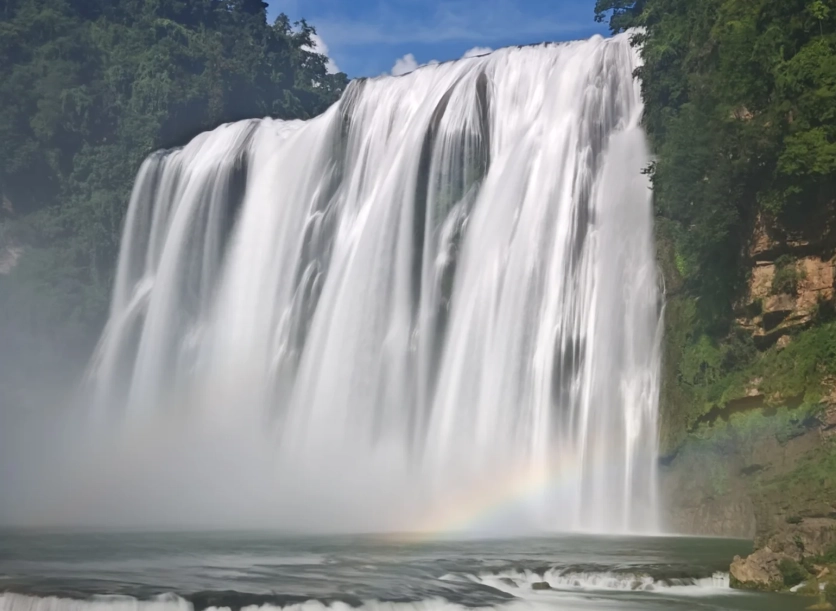
How to Plan Your Anshun 2-Day Itinerary
Getting to Anshun from Guiyang
Most travelers start from Guiyang, the provincial capital. The high-speed train from Guiyang North to Anshun West takes about 30 minutes and costs around 30–40 RMB for a second-class seat. Trains run frequently throughout the day. From the station, you can grab a taxi to your hotel or the scenic area.
If you're looking for a door-to-door transfer, a private car from Guiyang to the Huangguoshu area costs about 300–400 RMB and takes around 1.5 hours. I've also used DiDi to book a ride, but you'll need the app in Chinese.
| Transport | Duration | Cost (per person) | Best For |
|---|---|---|---|
| High-speed train | ~30 min | 30–40 RMB | Speed and comfort |
| Taxi/DiDi | ~1.5 hours | 150–200 RMB | Direct travel, group of 2+ |
| Long-distance bus | ~1.5 hours | 50 RMB | Budget travelers |
Best Time to Visit
Avoid Chinese national holidays (Golden Week in early October and the May Day holiday) if you can — the crowds are brutal. I've seen lines snaking through the ticket halls and near-riot scenes at the shuttle stops. Instead, aim for a clear weekday in spring or autumn. The rainfall will vary, but you'll have a much more pleasant time. Anshun's climate is comfortable year-round, but the best photo conditions usually happen after a light rain clears.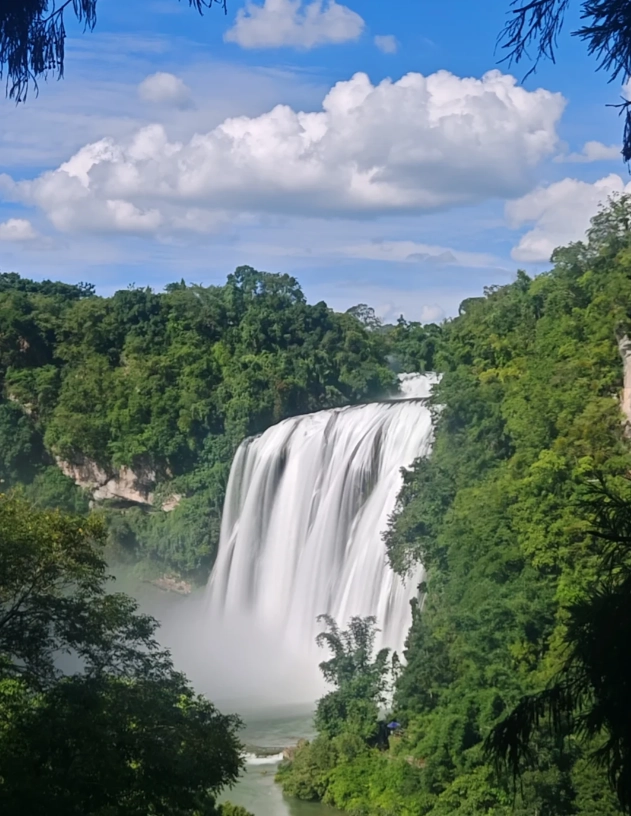
How to Structure Your 2 Days
Here's the rhythm I've perfected after countless trips:
- Day 1: Focus solely on Huangguoshu Waterfall Scenic Area. It's big enough to eat a full day.
- Day 2: Split your morning between Longgong Cave and the Tunpu Ancient Villages. Both are near each other and pair well.
- Keep your evenings free for Anshun's food scene.
This order isn't just about logistics — it's about beating the tour groups that swamp Huangguoshu in the morning. Many groups hit the falls first, so if you go in the afternoon, you'll have more breathing room.
Pro Tip: The light at Huangguoshu after 3 PM is gorgeous, and the tour buses start pulling out by 4. Aim to arrive at the main waterfall platform between 3 and 5 PM.
Day 1: Huangguoshu Waterfall — Is One Day Enough?
Short answer: yes, but you need a plan. The scenic area sprawls over three separate zones connected by shuttle buses. You can't skip the bus, because walking between zones takes hours. You'll buy one ticket that covers all zones plus the bus, valid for the day (sometimes two days during low season — check the official site).
Admission to the entire Huangguoshu scenic area (including the three zones) costs around 180–220 RMB, depending on the season and whether you include the sightseeing bus. Online booking via the official WeChat account or platforms like Trip.com is required — passports are needed for real-name registration. The park opens at around 7:30 AM and closes around 6 PM, with last entry usually two hours before closing.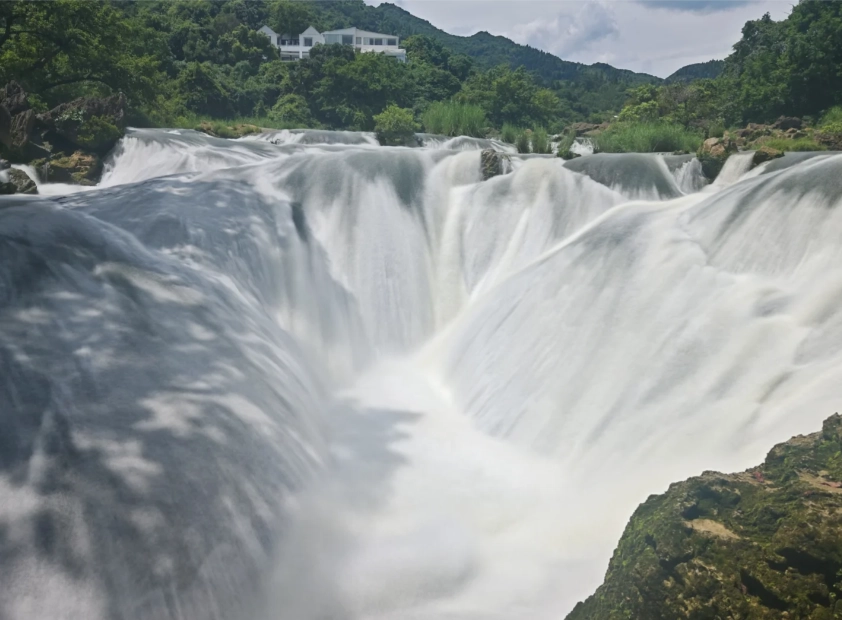
Zone 1: Big Waterfall (Dà Bù) — The Main Event
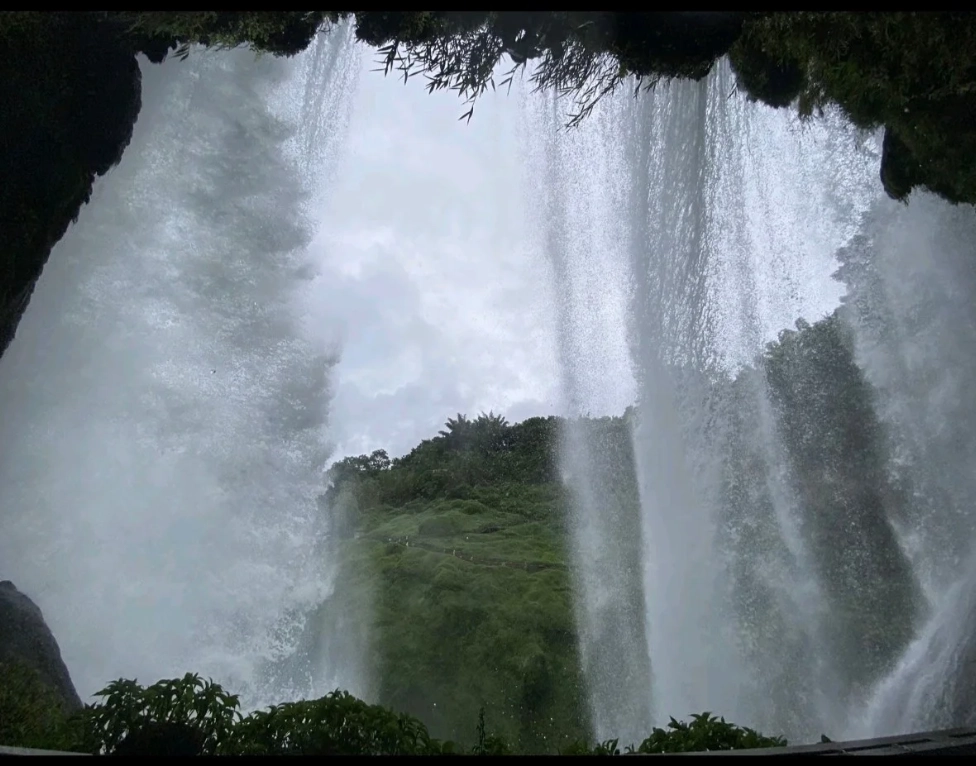
This is the star. The main waterfall spans 80 meters wide and drops 77 meters — a solid, awe-inspiring spectacle. To see it up close, you can walk through the Water Curtain Cave behind the falls. Bring rain gear or a poncho; you'll get soaked.
- Best time to go: After 3 PM for nicer light and fewer crowds.
- Time needed: 1.5–2 hours.
- Watch out: The path down to the waterfall is slick. Steps are uneven; go slow.
Zone 2: Tianxingqiao (Sky Star Bridge)
This is the sleeper hit of the scenic area. Part karst forest, part boulder maze, part hidden caves — you'll wander through a labyrinth of stone formations and trickling streams. The "gems" here are the Half-Sided Wall and the Silver Chain Waterfall, a smaller but arguably more beautiful cascade.
- Time needed: 2.5–3 hours. Don't rush it.
- Best time to go: Morning, before the tour groups arrive.
- Note: The circular route ends with a cable car (optional) — skip it if you're fine walking another 20 minutes.
Zone 3: Dipotan (Whirling Pool)
The widest waterfall in the area, at over 100 meters across. It's less dramatic than the main fall but makes a nice warm-up. You can cross the river on a stone bridge and feel the spray from below.
- Time needed: 1 hour.
- Best time to go: Early morning or late afternoon.
My go-to sequence: start at Tianxingqiao at 8:30 AM (skip the first bus, head straight to the inner loop), then Dipotan around noon, then lunch, then the Big Waterfall between 2:30 and 4:30 PM. This way, you avoid the biggest crush at the main fall.
Day 2: Longgong Cave and Tunpu Ancient Villages
After a heavy day one, this is your chance to slow down. Longgong Cave (Dragon Palace) is a water cave you explore by boat — think underground lakes, stalactites, and echoing stillness. Tunpu villages, meanwhile, are living relics of the Ming Dynasty, with stone houses and ladies still wearing embroidered costumes.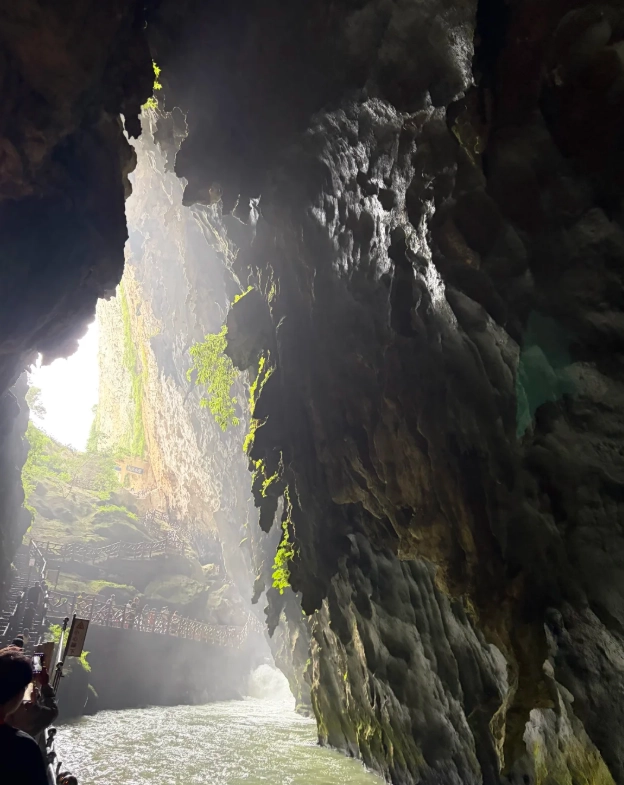
Longgong Cave (Dragon Palace)
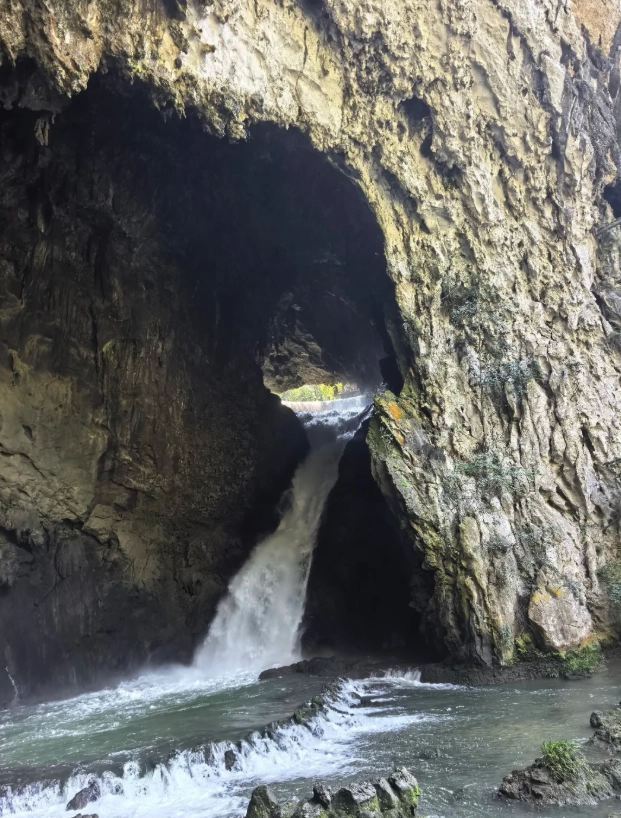
Located about 30 kilometers southwest of Anshun, Longgong is a series of karst caves connected by underground rivers. The highlight is the boat ride through the damp, silent caverns. Tickets run around 150 RMB including the boat. Open 8 AM to 5 PM; go early to avoid tour groups.
You can reach Longgong by taxi from Anshun (about 40 minutes, 60–80 RMB) or join a half-day tour from the city. The cave entrance has a shuttle bus to the boat dock — don't skip it unless you'll enjoy a steep 20-minute hike.
Tunpu Ancient Villages (Tianlong Tunpu)
About 40 minutes from Longgong, the village of Tianlong offers a glimpse of Guizhou's distinct Tunpu culture. It's a village of stone slabs, watchtowers, and narrow lanes, where descendants of Ming soldiers still live. Entrance is free, but I'd suggest hiring a local guide (30–50 RMB) to explain the fascinating history. The village is open all day, but try to arrive before 4 PM to catch the museums.
Transport Between These Sites
Public buses are scarce between Longgong and Tianlong. I recommend hiring a car for the day (around 300 RMB from Anshun) or joining a small-group tour that combines both. It'll save you from the headache of hailing taxis in rural areas.
Where to Stay in Anshun
Where you rest your head shapes your whole trip. You've got two main bases: Anshun city center (convenient for food and transport) and Huangguoshu Village (for sunrise views and escaping the crowds). Here's a quick comparison:
| Option | Distance to Huangguoshu | Est. Price per Night | Best For |
|---|---|---|---|
| Budget hostel in Anshun city | – | 50–100 RMB | Backpackers and solo travelers |
| Mid-range business hotel | – | 150–300 RMB | Families on a budget |
| Guesthouse near Huangguoshu | 5–10- minute drive | 200–400 RMB | Early risers and photographers |
| Boutique resort in Tunpu area | 30 min drive | 500+ RMB | Couples / luxury travelers |
In Anshun city, I usually put clients in the area near the South Railway Station — it's a 10-minute drive to the old town and a 30-second walk to the bus that goes to Huangguoshu. Chains like Hanting and Home Inn are reliable, with decent Wi-Fi and English-speaking front desk staff (usually).
If you want to wake up next to the falls, the village at the Huangguoshu entrance has family-run guesthouses. They're no-frills, but you'll beat every tour bus in the morning. Just make sure your booking confirms a window facing the falls — some rooms look into a parking lot.
Check whether the place has an elevator if you're on a higher floor. Many budget spots don't.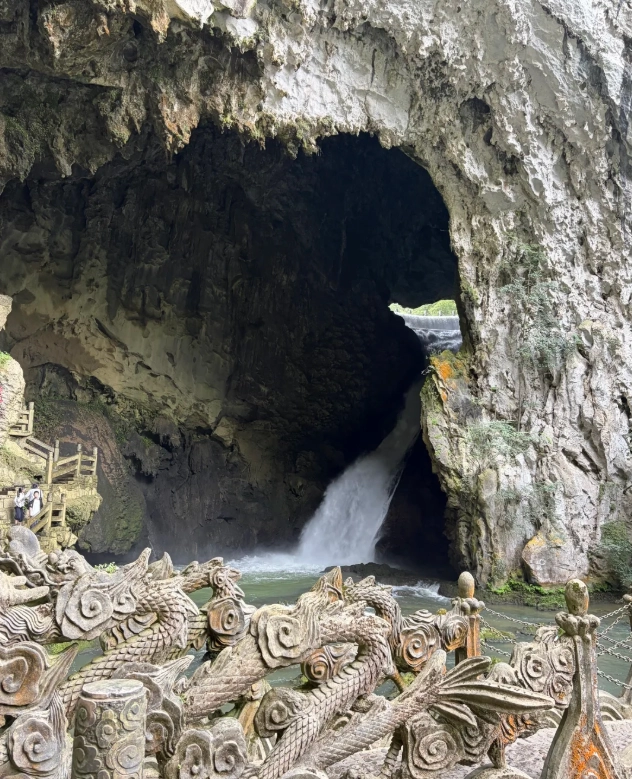
What to Eat in Anshun
Anshun's food cart scene is criminally underrated. You'll find sticky rice cooked in bamboo, grilled tofu with chili oil, and sour-spicy soups that wake you up faster than coffee.
My go-to dish: a plate of Guājuǎn (裹卷) from a stall on Ruxi Dong Lu. The vendor rolls her rice paper around shredded vegetables and a dollop of chili — I always ask for extra peanuts.
- Look for: Dòudòufěn (夺夺粉) in the old town — a tangy, sour-soup hotpot with rice noodles and tofu.
- Sweet treat: Anshun crisps (波波糖) sold in colorful boxes — sesame and maltose, perfect gifts.
- Drink: Local maotai? Not really, but try the sour plum juice sold on street corners.
Don't expect English menus — use a translation app and point. Most stalls accept WeChat/Alipay; cash is okay but change might be scarce.
Insider Tips for a Smoother Trip
This section is born from years of watching travelers fumble. Heed these or you'll lose precious time.
- Payment: Alipay and WeChat Pay are king. Cash is accepted still, but crumpled yuan won't fly if you try to pay at a roadside stall. Keep some small bills for public toilets (often 1 RMB).
- Navigation: Google Maps is unreliable in China. Use Apple Maps (it works with English names) or download the AMap app (has an English version). For taxi drivers, show the Chinese name written big.
- Language: Download a translation app like Baidu Translate or Apple Translate — you'll use it constantly. Have offline packs ready.
- VPN: Set up VPN before arrival — and more importantly, download maps and tickets offline.
- Booking: Everything needs a passport. Use Trip.com or Klook for tickets; they handle English and passport registration.






No comments yet.