 Ming Yang
- Why Anshun Deserves a Spot on Your Travel List
- What Is the Best 3-Day Anshun Travel Itinerary?
- Day 1: Huangguoshu Waterfall
- Day 2: Longgong Cave and Tunpu Villages
- Day 3: Anshun Old Town and Local Food
- Getting There and Getting Around
- Payment, Mobile Networks, and Booking Hacks
- FAQs About Your Anshun Travel Itinerary
Rain drips off the limestone cliffs. You're standing at Huangguoshu Waterfall — the largest in Asia — and your jeans are soaked. That's not a problem. The problem is you only have two days, and you just missed the last bus to Tunpu.
I've been guiding travelers in Guizhou for years, and I've seen too many people try to cram Anshun's highlights into a rushed checklist. They end up exhausted, sunburned, and out of pocket. Let me fix that.
Here's my take: the best Anshun travel itinerary is three days, not two. It gives you time to see the waterfall at different angles, explore the underground river of Longgong Cave, and wander through 600-year-old stone villages — without running yourself ragged.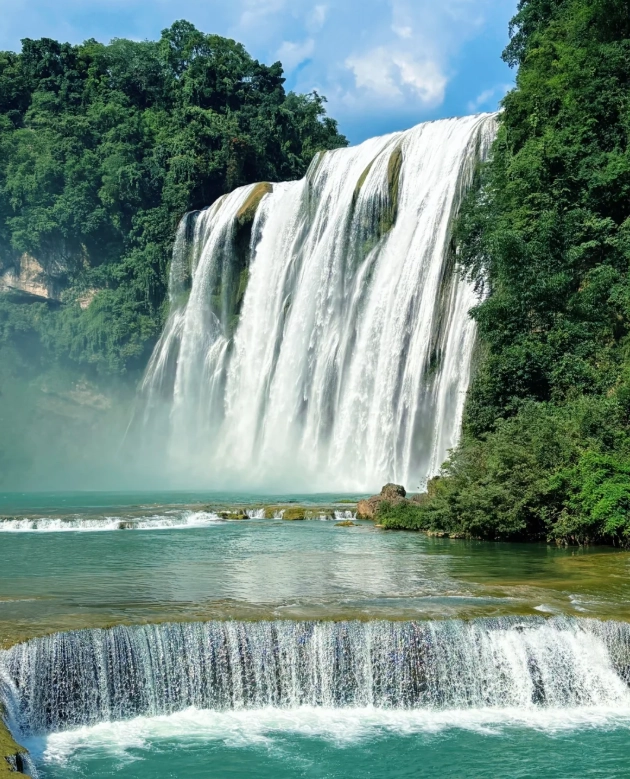
Why Anshun Deserves a Spot on Your Travel List
Anshun sits in central Guizhou, a province often skipped by first-time China visitors. But this little city punches way above its weight. It's home to the mighty Huangguoshu Waterfall, the largest waterfall in Asia, plus the surreal karst formations of Longgong Cave and the ancient stone villages of the Tunpu people — descendants of Ming Dynasty soldiers.
What I love about Anshun is the pace. Compared to the chaos of Guiyang, Anshun feels calm. Street vendors sell fragrant grilled tofu, old men play chess under banyan trees, and the air smells like wet stone and wildflowers. Tourists are few, especially on weekdays. You won't be elbowing your way through selfie sticks here.
Another reason to plan an Anshun travel itinerary: the cost. Meals run 10–30 RMB, a decent hotel room is around 150–300 RMB per night, and most attractions charge under 200 RMB. Your money goes further than in Shanghai or Beijing.
But here's the catch — the attractions are spread out. You can't just show up and hop from one to the next. That's exactly why you need a solid plan. And I'm going to give you one.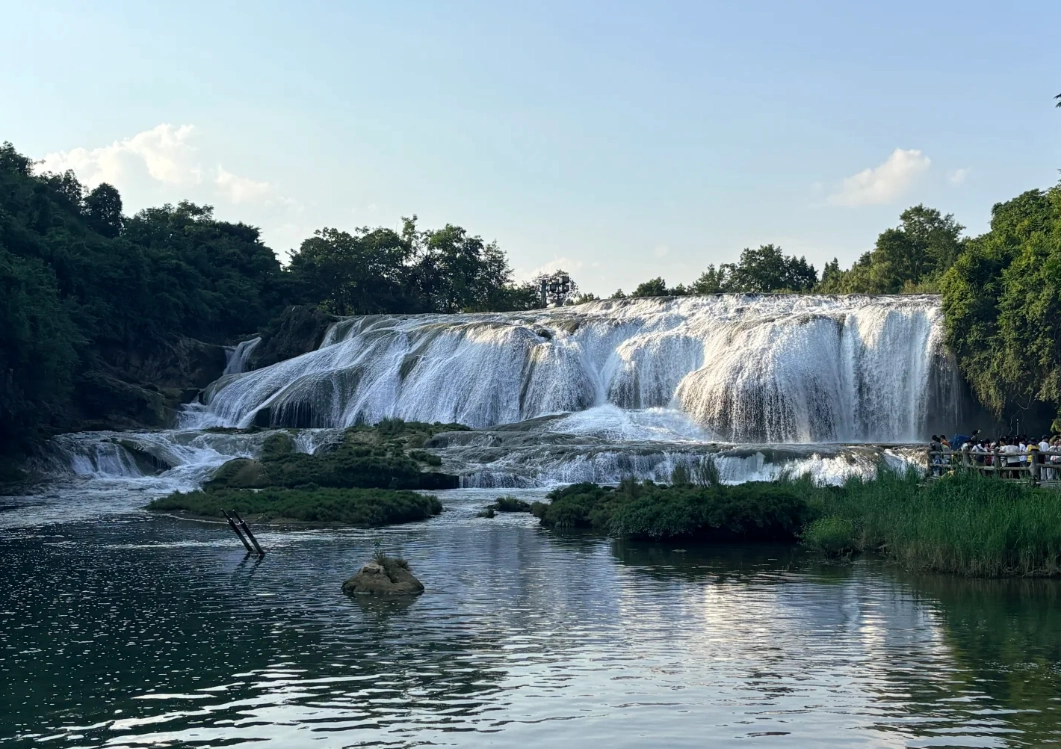
What Is the Best 3-Day Anshun Travel Itinerary?
After leading dozens of groups through Anshun, I've settled on a three-day rhythm that balances sightseeing with breathing room. Here's the skeleton:
| Day | Morning | Afternoon | Evening |
|---|---|---|---|
| Day 1 | Huangguoshu Waterfall | Huangguoshu Waterfall | Return to Anshun, rest |
| Day 2 | Longgong Cave | Tunpu villages | Night snack at Anshun old town |
| Day 3 | Anshun old town and food tour | Departure or optional side trip | N/A |
This itinerary assumes you're based in Anshun city. Day 1 is a long day trip to Huangguoshu, about 1.5 hours away. Day 2 combines two sites that are on the same side of the city. Day 3 is a slow morning to recharge or explore local culture before you leave.
If you have extra energy, you can swap Day 2's afternoon for the lesser-known Yunshan Tunpu or a hike at Tianxingqiao. But I prefer Tunpu for its living culture — you'll see women in traditional blue gowns and stone houses that look like they haven't changed in 600 years.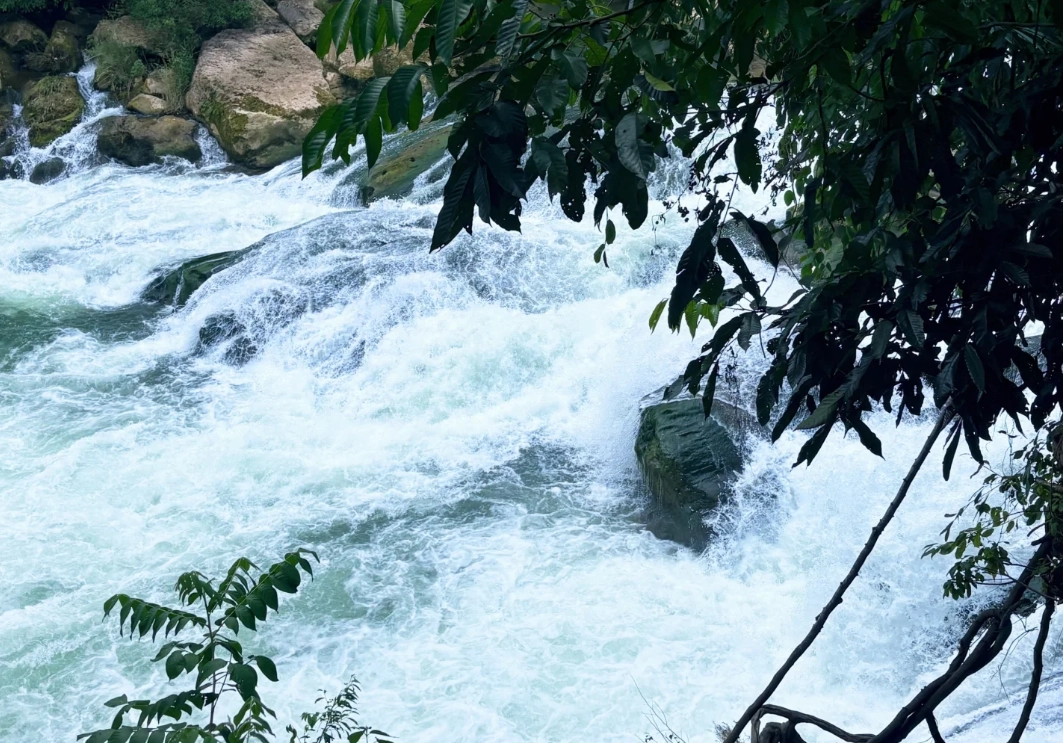
Day 1: Huangguoshu Waterfall — How to Beat the Crowds
Huangguoshu is the star of Anshun, and it deserves a full day. The scenic area is actually three interconnected spots: Dapo Peak (陡坡塘), Tianxingqiao (天星桥), and the main Huangguoshu Waterfall itself. You'll ride a shuttle bus between them.
Getting There and Tickets
First, you need to book your ticket in advance. The official WeChat mini-program can be a pain for foreigners. I always recommend using Trip.com or asking your hotel to book it. You'll need your passport details. The ticket price is around 160 RMB in high season (March to November) and 140 RMB in low season. The shuttle bus ticket is 50 RMB extra, and you can't skip it — the sites are kilometers apart.
To get to Huangguoshu from Anshun: head to Anshun East Bus Station and grab a bus to Huangguoshu. It takes about 1 hour and costs 30–40 RMB. Buses leave every 20 minutes or so. The last bus back is around 6 PM, so don't linger too long.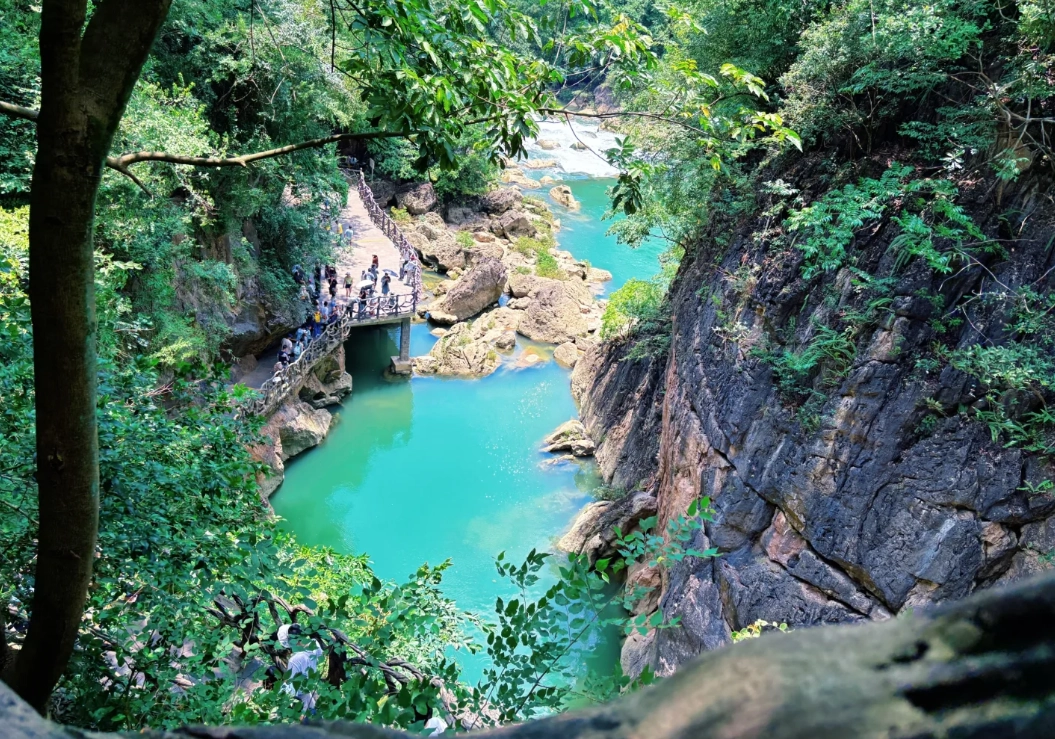
My Golden Rule: Start at the Main Waterfall First
Most tour groups start at Dapo Peak or Tianxingqiao. That's a mistake. By the time they reach the main waterfall, it's packed. Instead, take the first shuttle directly to the main Huangguoshu Waterfall. You'll get there by 8:30 AM, when the mist is still golden and the crowds are thin. Walk behind the waterfall via the Water Curtain Cave — you'll get soaked, but that's the point. Just wear a raincoat.
Here's a quick tip: buy a cheap plastic raincoat from a 7-Eleven or the hotel before you go. The ones sold at the entrance are flimsy and cost double.
After you've marveled at the falls, hop on the shuttle to Dapo Peak (it's the one with the wide, slow waterfall). It's a short walk, and you'll see the classic "Journey to the West" opening location. Then, if you still have energy, take the shuttle to Tianxingqiao. This section is a winding path through stone forest and banyan roots. It's beautiful but can be exhausting — allow 2–3 hours if you walk the whole way. There's a shorter loop if you're tired; just follow the signs for the exit.
Insider Advice: The waterfall facing the main observation deck is backlit in the afternoon. Come in the morning for the best photos. Also, the path behind the waterfall is slippery — wear shoes with good grip.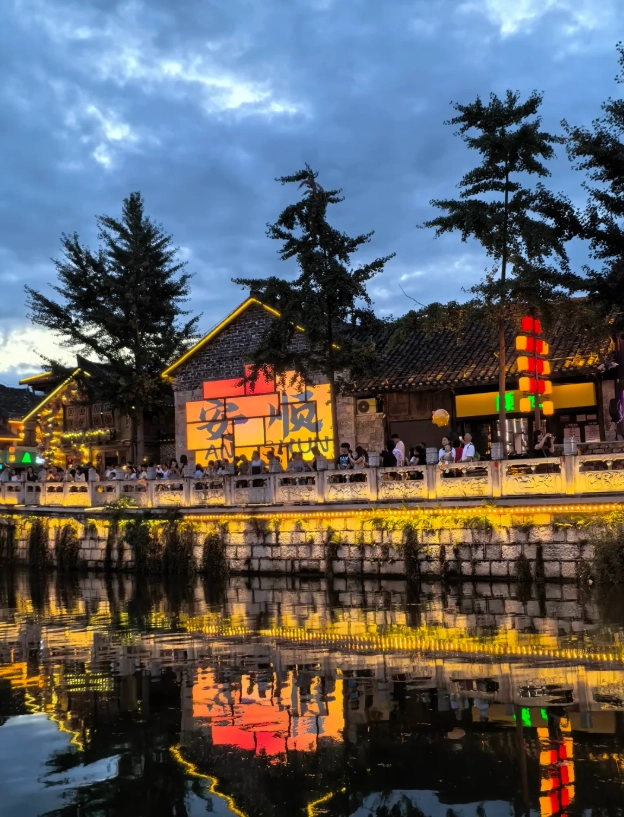
Day 2: Longgong Cave and the Tunpu Villages
Day 2 is all about variety. Start with Longgong Cave, a karst cave with an underground river. It's not as famous as Huangguoshu, but it's just as magical in a different way.
Longgong Cave: A Boat Ride Through the Mountain
Longgong is about 30 km from Anshun. From Anshun East Bus Station, take a bus to Longgong (about 40 minutes). Or, if you're in a group, split a taxi for about 100 RMB each way.
Admission is around 120 RMB, and the ticket includes a small boat ride inside the cave. The temperature stays around 17°C / 63°F, so bring a light jacket. The boat drifts through narrow passages where stalactites glisten in green and blue lights. It feels like entering another dimension.
Inside, you'll also see a waterfall called Longmen Waterfall — one of the world's largest karst waterfalls inside a cave. Don't miss the boardwalk that runs above the water.
As you walk out, you'll notice locals selling honey and fruit. Try a honey-dew melon if it's in season — incredibly sweet.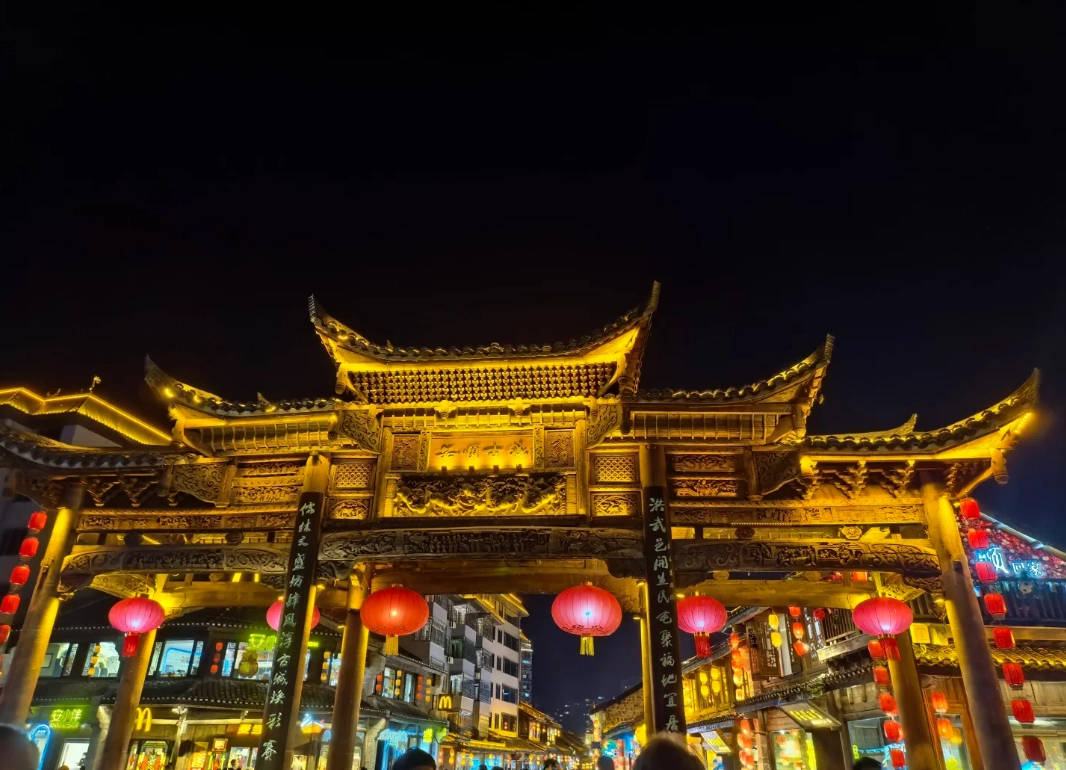
Tunpu Villages: Step Back in Time
After a late lunch, head to the Tunpu villages. The two most popular are Tianlong Tunpu and Yunshan Tunpu. They're both about the same distance from Anshun, around 20–30 minutes by taxi or bus. I prefer Tianlong because it feels less commercialized.
Here's the deal: You'll see stone-walled houses with small windows, narrow alleyways, and women wearing the traditional "fengyang" dress — a blue gown with embroidered cuffs. Many villagers are descendants of Ming Dynasty soldiers who were stationed here in the 14th century. The unique "dixi" opera masks are a highlight; you might catch an impromptu performance.
If you're traveling with kids, the open spaces are great for running around. If you're a photographer, the late afternoon light makes the gray stones glow golden.
Just keep in mind that the villagers speak their own dialect and live daily lives there. Respect their space; don't point your lens at someone's face without asking.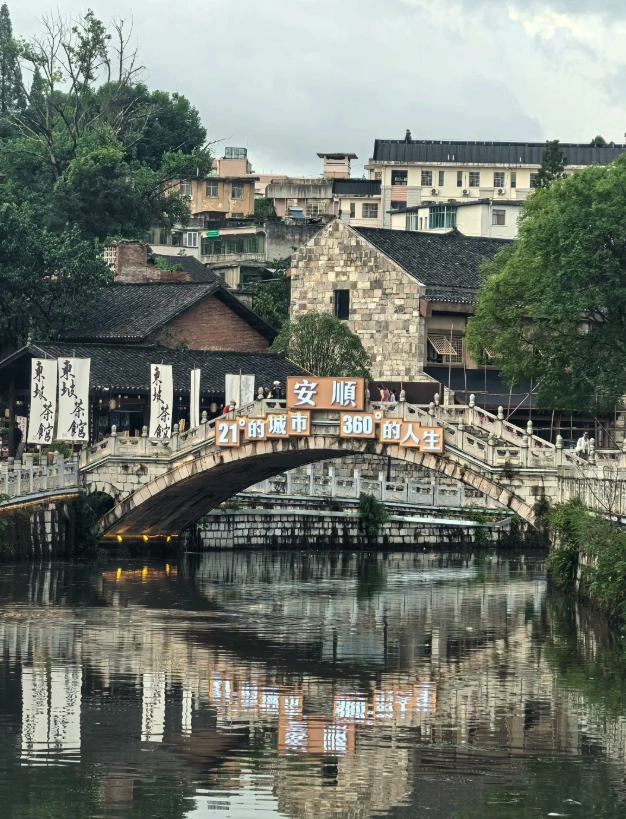
Day 3: Anshun Old Town and Local Food
After two busy days, you'll welcome a lazy morning. Anshun's old town is compact and walkable. Head to Confucius Temple first — it's one of the best-preserved in the province. The stone dragon pillars are intricate enough to make you believe in dragons.
Then wander into the narrow lanes off the main street. You'll find St. Paul's Cathedral? No, that's Macau. Forget it — just follow your nose.
Anshun is famous for its snacks. Don't leave without trying:
- Anshun Guojuan (裹卷) — thin rice roll filled with tofu, bean sprouts, and chili oil. It's like a cross between a spring roll and a rice noodle.
- Dudu Fen (夺夺粉) — a hot pot that's more like a stew, with potato, meatballs, and pickled cabbage. It's spicy, sour, and perfect for lunch.
- Youzha Ba Xifan (油炸粑稀饭) — fried glutinous rice patty served with a warm, soupy rice porridge. Sounds weird, tastes amazing.
- Jizhe (鸡辣子) — a cold dish of chicken and chili peppers in a sticky sauce. It's sold in jars like jam.
Where to go: Guifu Street is the food street. It comes alive in the evening, but you'll find daytime stalls too. Look for the shops with long lines — that's how you know it's good.
For a proper meal, I always take my clients to Lao Anshun Restaurant. Their fried betel nut with pork is a must. Ask for the English menu or point at the picture. It's about 50 RMB per person.
After lunch, you can visit the Anshun Batik Factory if you're into indigo dyeing. Many workshops offer hands-on experiences.
In the afternoon, transfer to the train station or airport. If you have time, grab a box of "Tunpu Lei Tea" (屯堡擂茶) as a souvenir.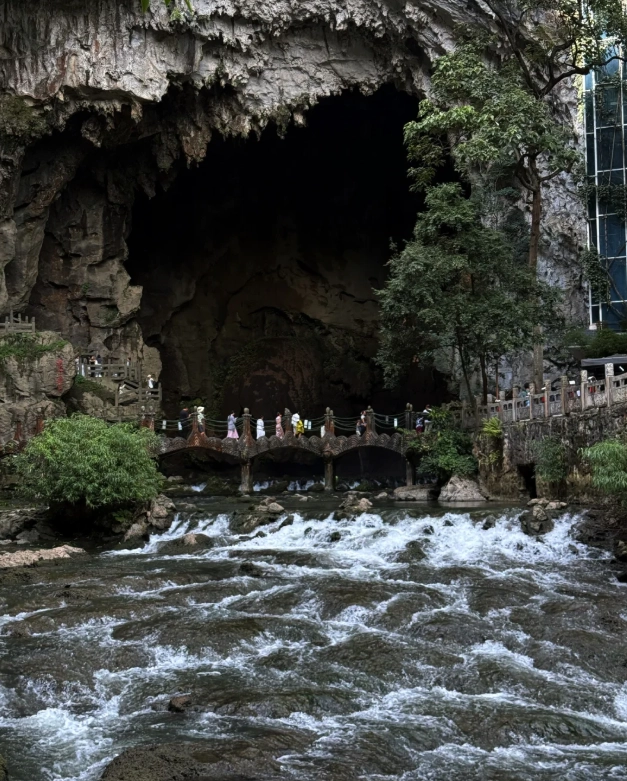
How to Get to Anshun and Get Around
Anshun is well-connected by high-speed rail. From Guiyang North Station, take a high-speed train to Anshun West — it takes about 30 minutes and costs around 46.5 RMB for a second-class seat. Trains run every 20–30 minutes. From Shanghai, it's a direct overnight train or a flight to Guiyang then transfer.
Within Anshun, taxis are cheap. The flag-down fare is 5 RMB, and going across the city rarely costs more than 15 RMB. Didi is also reliable — you can select the "Stop for foreigner" service or just use the app. For attractions, hitch a ride on intercity buses from Anshun East Bus Station. Most depart before 7 PM, so plan your returns accordingly.
If you're comfortable driving, renting a car is an option, but parking at Huangguoshu can be a nightmare on weekends. I'd skip it unless you have a specific reason. Use public transport — it's easy and you'll meet friendly locals.
Payment, Mobile Networks, and Booking Hacks
Let's talk about the elephant in the room: cash vs. mobile payment. In Anshun, as in most of China, cash is slowly becoming obsolete. Small vendors might not even have change. So before you arrive, link your international Visa or Mastercard to Alipay or WeChat Pay. It works perfectly once you're verified — just bring your passport to the setup.
If you absolutely must use cash, keep some 50 and 10 RMB notes. But be prepared for confused looks. I once had a noodle seller shake his head when a client handed him a 100 RMB bill. He didn't have change.
Internet: Google Maps, Facebook, and Instagram are blocked. Download a reliable VPN BEFORE you land. For navigation, Apple Maps actually works well in China — or use AMap Global (it has an English interface). For translations, download Baidu Translate or Apple Translate with offline packs.
Booking: Huangguoshu and Longgong require real-name registration with your passport. The easiest way is to use Trip.com's English website or app. You can also ask your hotel to book for you. That's the cheat code — hotel staff are pros at this.
And a pro tip: carry a small notepad with your hotel's address written in Chinese. Show it to taxi drivers. It saves a thousand misunderstandings.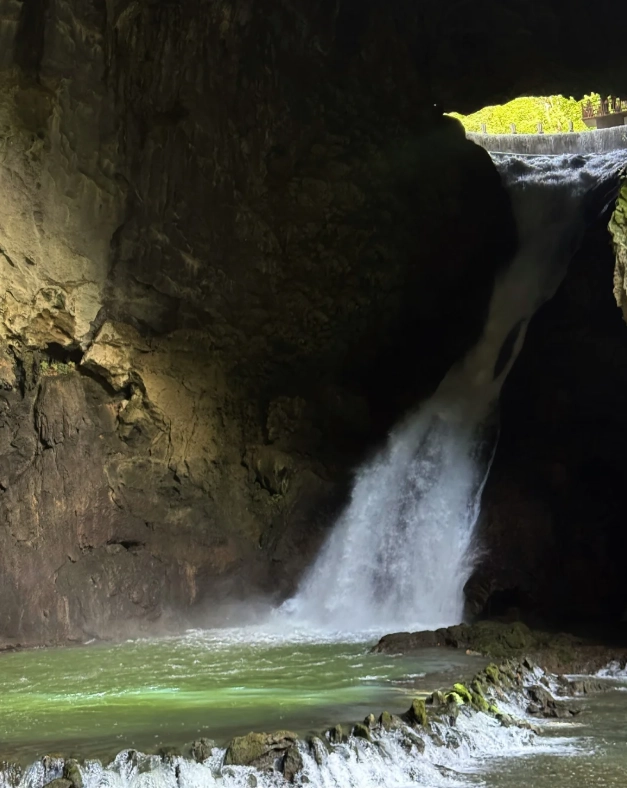






No comments yet.