 Ting Chen
Quick Route Overview
I almost lost a client on the first day. She wanted to see everything in Dali and I almost let her. Then she hit a wall of heat, crowds, and WeChat pay confusion. That's when I rewrote my Dali 4-day itinerary into what you'll read below.
Most Dali 4-day itinerary guides online are written by people who've never navigated the ticket system with a passport. I've done it dozens of times. And the biggest trick? Skip the Three Pagodas at noon — go at 3 p.m. instead.
Here's my promise: follow this route and you'll see the best of Dali without the tourist-trap exhaustion. You'll even leave with time to enjoy a cup of Yunnan coffee.
Why This Dali 4-Day Itinerary Works
Dali has a rhythm — slow mornings, strong coffee, and lake views that make you forget your phone. But the classic tourist path rushes you through a checklist. On my tours, I've seen people burn out in two days. So I designed this 4-day plan around three principles: stay local, start early, and always have a Plan B.
The route connects Dali Ancient City, Erhai Lake, Cangshan Mountain, and the quieter Xizhou village. It mixes culture, nature, and downtime without making you feel like you're on a treadmill.
Day 1: How to Beat the Crowds in Dali Ancient City?
Dali Ancient City is the heart of the itinerary, but it turns into a shopping mall by 11 a.m. You'll see the same souvenir stalls and loud tour groups. The real magic happens before breakfast.
- Start at the South Gate before 8 a.m. — the light is soft, and the streets are empty.
- Walk north along Fuxing Road, but turn onto any small alley if you see something interesting.
- Don't miss the city wall — climb up for a panoramic view of Cangshan Mountain. It's free.
- For breakfast, follow your nose to a small shop selling 饵丝 (ersi) or 米线 (rice noodles). I always pick the one with a crowded local crowd — that's a good sign.
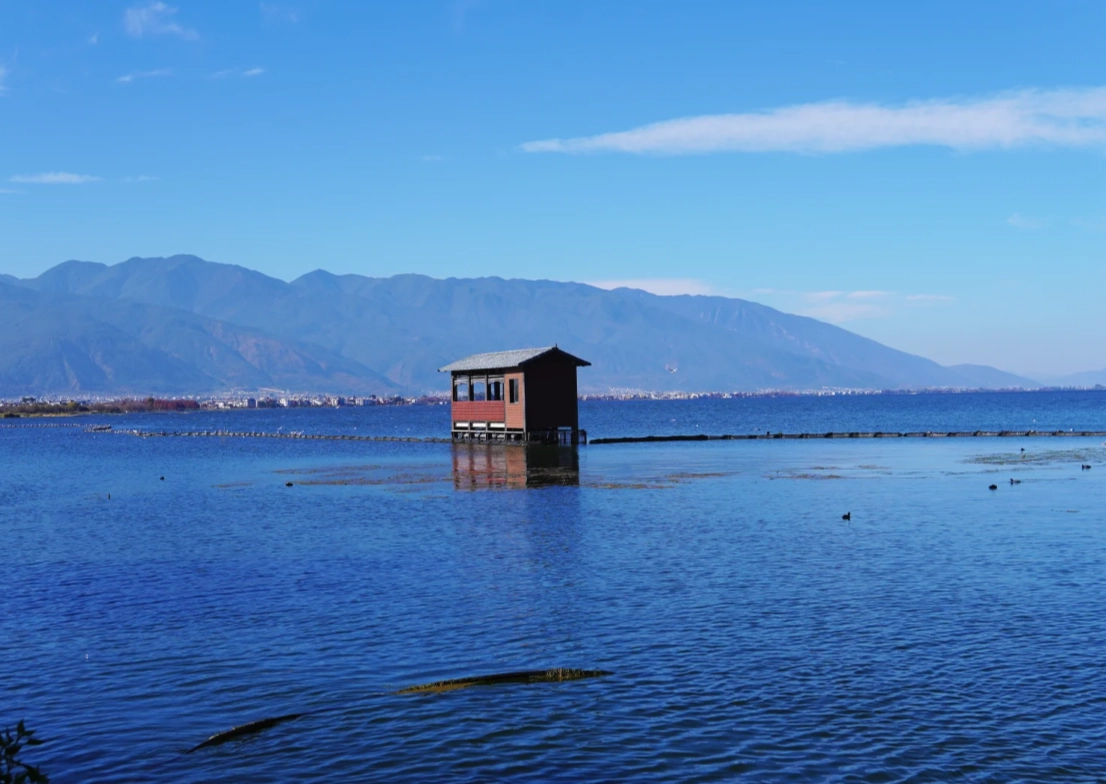
In the afternoon, grab a cup of Yunnan coffee at a local café. I recommend any café with outdoor seating along 洋人街 — it's touristy but fun for people-watching.
Booking note: The Three Pagodas require your passport for entry. You can book via Trip.com or at the gate, but the gate has a long queue between 10 a.m. and 2 p.m. Skip that line by booking online the night before.
Where to Stay in Dali Ancient City
Stay inside the city walls for convenience, or near Caicun for quiet lake views. Prices range from 150 RMB for a basic guesthouse to 800 RMB for a boutique hotel. Ask for a room with a Cangshan view — sunsets are stunning.
Day 2: How to Explore Erhai Lake by Bike?
Erhai Lake is the star of this Dali 4-day itinerary. But the lake is huge — you can't see it all in one day. The smart move is to rent an electric bike or bicycle from Dali Ancient City and ride the western shoreline.
- Start from 才村码头 (Caicun Pier) — it's the closest to the ancient city. Rent a bike here for around 30-50 RMB per day.
- Ride north along the lake path to 喜洲镇 (Xizhou), a town famous for its Bai architecture and corn fields.
- Stop at 海舌公园 (Haishe Park) — a narrow peninsula that juts into the lake. It's free and perfect for photos.
- Bring cash for the small food stalls along the way — they don't take cards or WeChat.
The ride is about 12 kilometers and takes 2-3 hours with stops. Many of my clients worry about the distance, but an electric bike makes it effortless.
If you're not confident in the sun, start at 8 a.m. and bring sunscreen. By 2 p.m., the heat is intense, and the lake path has little shade.
Transport Options from the Ancient City to Erhai Lake
You have four main ways to reach the lake. The table below compares them:
| Transport | Time | Cost | Best For |
|---|---|---|---|
| Walking | 30 min | Free | Morning exercise |
| Local bus (C-2) | 20 min | 2 RMB | Budget travelers |
| Electric bike rental | 25 min | 30-50 RMB | Flexibility and speed |
| Taxi (DiDi) | 15 min | 15-20 RMB | Party of 3+ |
Note: DiDi is China's Uber. You'll need the app, and it works with Alipay or WeChat Pay. There's an English version of DiDi, but it's easier to ask your hotel to call a taxi if you're stuck.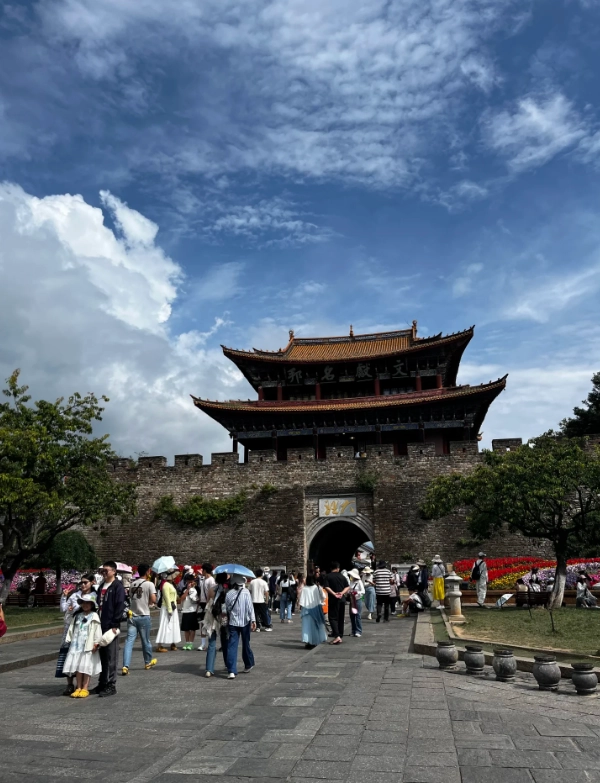
Day 3: Cangshan Mountain — Cable Car or Hike?
Cangshan Mountain forms a dramatic backdrop to Dali, and the view from the peak is unforgettable. But you have two options: pay for the cable car or hike up on foot. Most first-time visitors choose the cable car — and that's fine if you're not in shape for a 3-hour climb.
Cable Car Option
The cable car from 感通索道 (Gantong Station) is the most popular. It costs about 150-200 RMB round trip, and the ride takes 20 minutes. From the top, you can walk along the 玉带路 (Jade Belt Road) — a flat path that stretches for 10 kilometers with stunning views.
Weather warning: The mountain is often foggy in the morning. Check the weather before you go, and buy a rain poncho — they're cheap at the entrance. The temperature at the top is 5-10 degrees cooler than the city.
Alternative: Hiking
If you prefer hiking, the trail starts near 中和寺 (Zhonghe Temple). It's steep and takes 2-3 hours, but you'll pass through forests and see far fewer people. I always tell my clients: hike up, cable car down — that's the best of both worlds.
Honest opinion: The cable car is reliable but the price is a bit steep. I tell my clients to bring a snack because the food at the top is overpriced and not great. If you're on a budget, the hike is rewarding — just bring water and good shoes.
Day 4: Where to Do Nothing in Xizhou?
The last day is intentionally light. You've earned some downtime. Xizhou, about 40 minutes north of the ancient city, is the perfect place to slow down.
- Visit the 严家大院 (Yan Family Compound) to see traditional Bai courtyard houses. Entrance fee is around 60 RMB.
- Enjoy a local lunch at a restaurant facing the lake. I always order 酸辣鱼 (sour-spicy fish) — it's a Dali specialty with a tangy kick.
- Take a walk through the corn fields behind the town. The contrast between the green fields and the blue lake is a photographer's dream.
If you're low on energy, skip Yan's Compound and just wander the streets. The real charm of Xizhou is in its quiet lanes and old doorways. The highlight for me is always the morning market — but you'll need to arrive before 9 a.m. for that.
Rainy Day Backup
If the weather turns nasty, head to the Dali Museum inside the ancient city. It's free and gives a great overview of Bai culture. Alternatively, find a tea house near 人民路 and spend a rainy afternoon watching the world go by.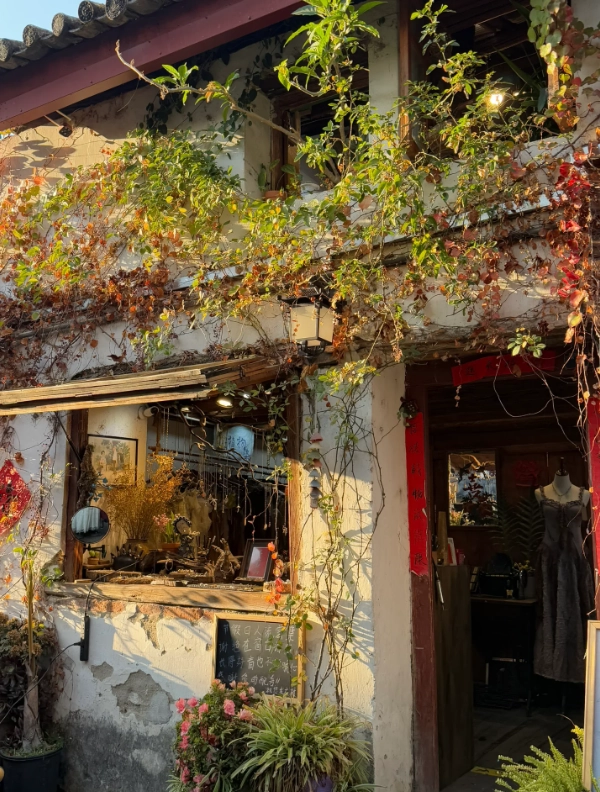
Essential Prep for Your Dali Trip
The biggest hurdle for foreigners isn't the sights — it's the digital ecosystem. You'll need Alipay or WeChat Pay for almost everything. Even noodle shops accept WeChat QR codes but sometimes not cash.
- Set up Alipay with your international credit card. It takes 10 minutes. Do it before you arrive in China — the app works abroad.
- Download DiDi (for rides), and if you can, get a local SIM card with a VPN already installed. Google Maps is unreliable here, so switch to Apple Maps or download the AMap Global app.
- Carry your passport everywhere. Some smaller attractions still ask for it when you buy tickets, even though the booking is online.
For translation, Apple Translate is decent, but I prefer the Pleco app for its offline dictionary.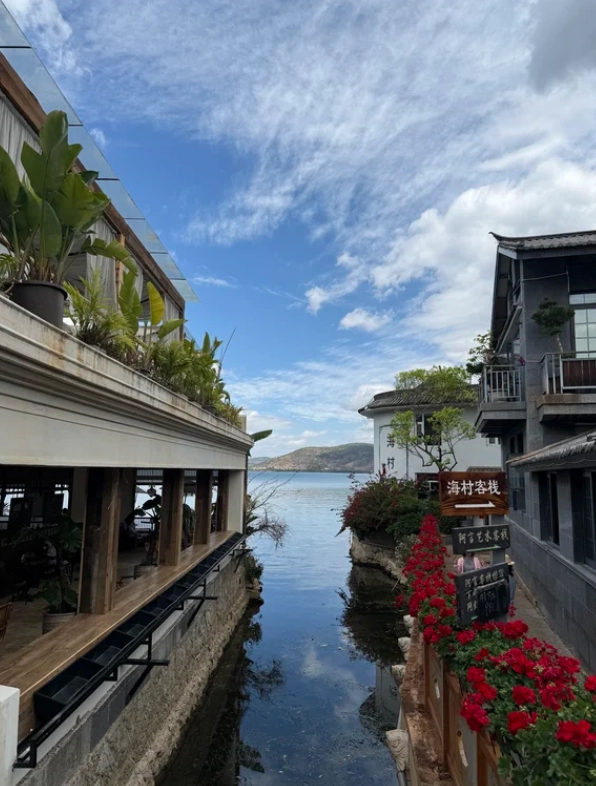
Dining Like a Local
Dali's food is a blend of Bai and Yunnan flavors. Must-tries include 酸辣鱼 (sour-spicy fish), 乳扇 (milk fan — a sweet cheese), and 粑粑 (a flatbread filled with sugar or meat). For dinner, walk around 人民路 and you'll find plenty of restaurants with English menus. I always ask for 微辣 (light spice) — Dali food can be surprisingly hot.
FAQ for Your Dali 4-Day Itinerary
This content has been fact-checked to ensure informational precision. Some prices and opening hours may vary; always confirm with the official source or your hotel.






No comments yet.