 Ling Wu
I’ve lost count of how many times a traveler has pulled out a giant power bank at Beijing Capital Airport security, only to have it confiscated. It’s not that they’re banned — it’s just that nobody tells you the fine print. So, let’s cut through the confusion. Yes, you can bring batteries on a plane. But the rules are stricter in China than you might think, and they follow the international standards set by the ICAO and CAAC. Here’s what you need to know before your flight.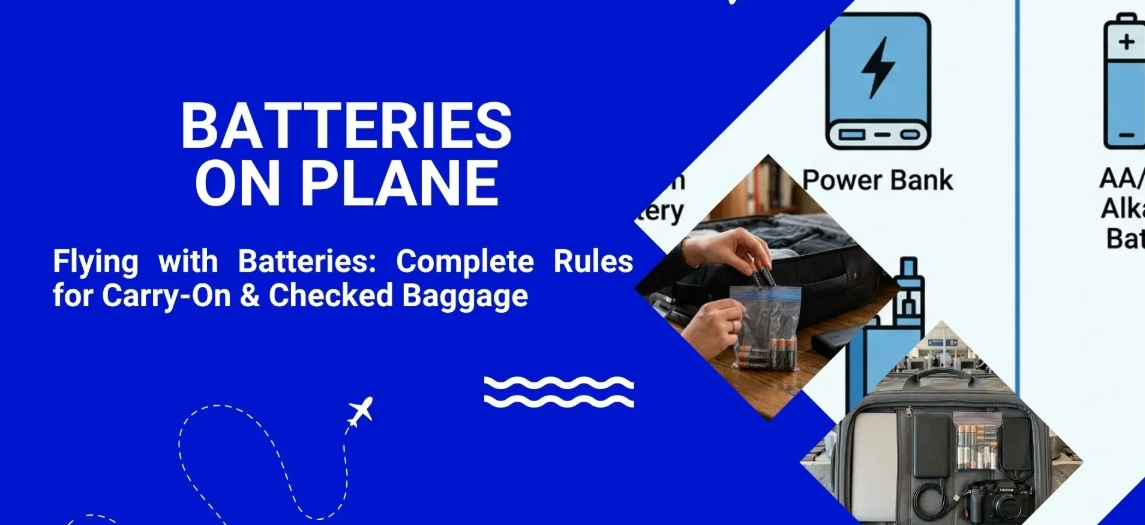
Official Rules for Batteries on a Plane in China
The Short Answer: Yes, But with Limits
The short answer is yes, but with strict limits on battery type and capacity. The Civil Aviation Administration of China (CAAC) enforces the same global rules that most countries follow. Lithium-ion batteries rated at or below 100 watt-hours (Wh) are allowed in carry-on luggage without airline approval. Batteries between 100Wh and 160Wh need the airline’s permission. Anything above 160Wh is a hard no for passenger flights.
These rules apply to spare batteries, which means batteries not installed in a device. Power banks are always treated as spare batteries, even if they have a charging cable attached. Devices with batteries installed, like laptops or phones, are fine in checked luggage only if the battery is permanently built-in and the device is powered off.
CAAC vs TSA: Key Differences
The main difference is that CAAC enforcement is often stricter at security screening. TSA officers in the US may glance at your power bank; Chinese security officers are trained to hunt for the Wh rating. If your power bank doesn’t clearly display its Wh rating, it can be confiscated on the spot. This catches many tourists off guard.
Another difference: Chinese airports have a reputation for inconsistent enforcement. Some officers might let you through with a 20000mAh power bank (which is just under 80Wh), while others will demand a printed label. My advice? Always carry the original packaging or a screenshot of the product page that shows the capacity.
Power Banks: The Most Confusing Case
Power banks are the number one battery item that gets confiscated in Chinese airports. Here is the catch: you must carry them in your hand luggage, never in checked luggage. This is non-negotiable. The rule applies to all power banks, regardless of brand or model.
What about charging power banks mid-flight? Most Chinese airlines prohibit using power banks to charge devices during the flight. The flight attendants will tell you to keep them in your bag. I know, it’s annoying, but I’ve seen passengers get into heated arguments over this. Just follow the rule and charge your phone before you board.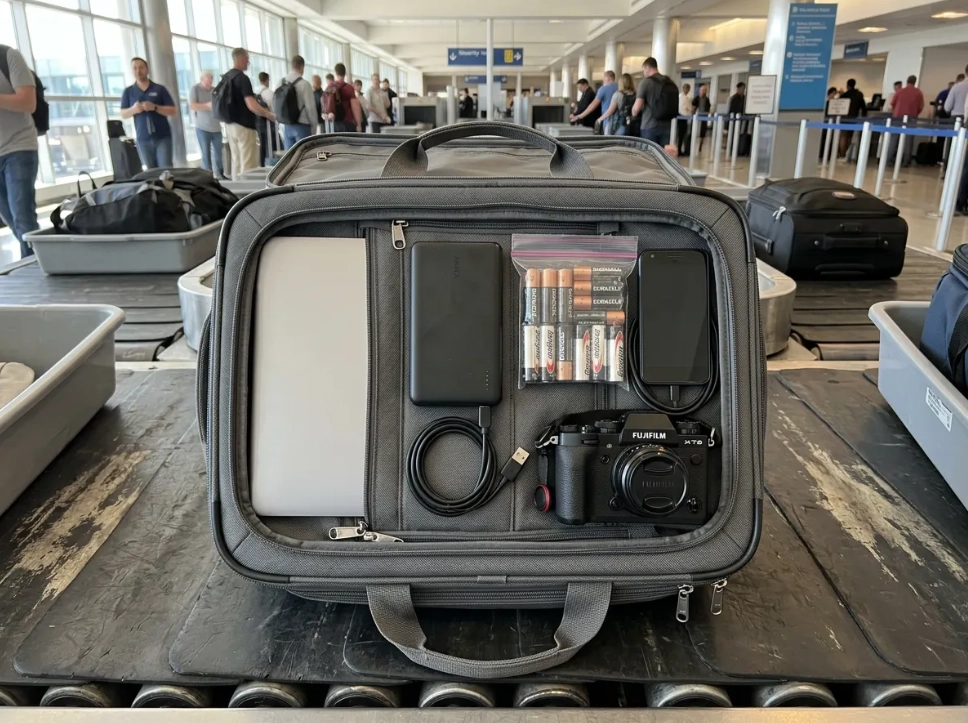
How to Pack Batteries for a Flight in China
Hand Luggage vs Checked Luggage: What Goes Where
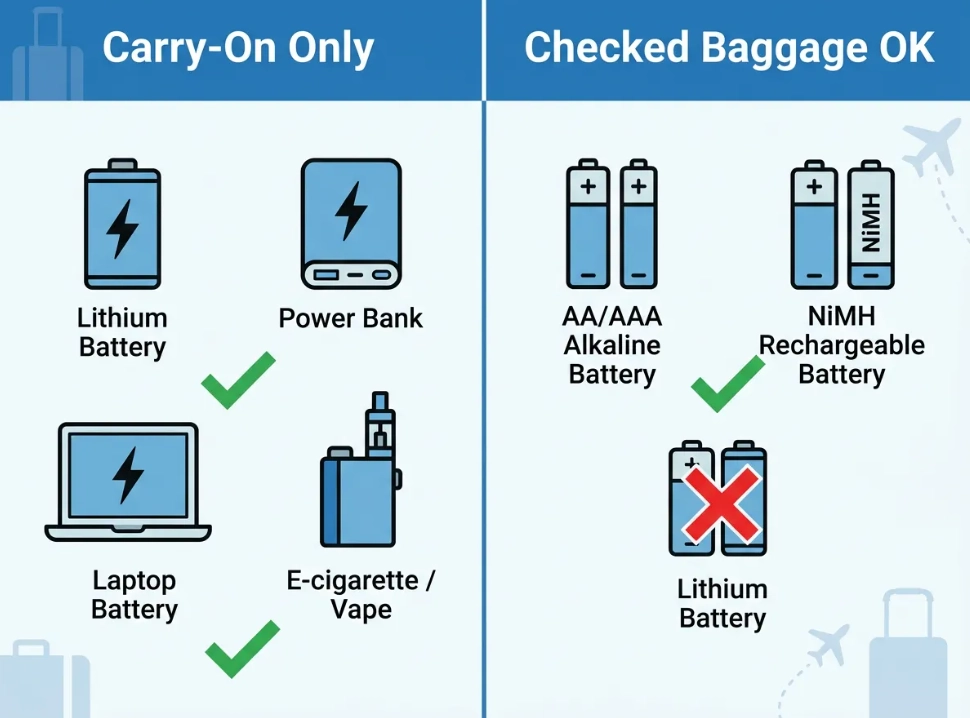
The golden rule is: spare batteries always go in carry-on, not checked. This includes power banks, AA/AAA rechargeable batteries, camera batteries, and any external chargers. Devices with built-in batteries can go in checked luggage only if the device is completely switched off and packed safely to prevent accidental activation.
Here’s a quick breakdown for common battery types:
| Battery Type | Checked Luggage | Carry-On | Special Requirements |
|---|---|---|---|
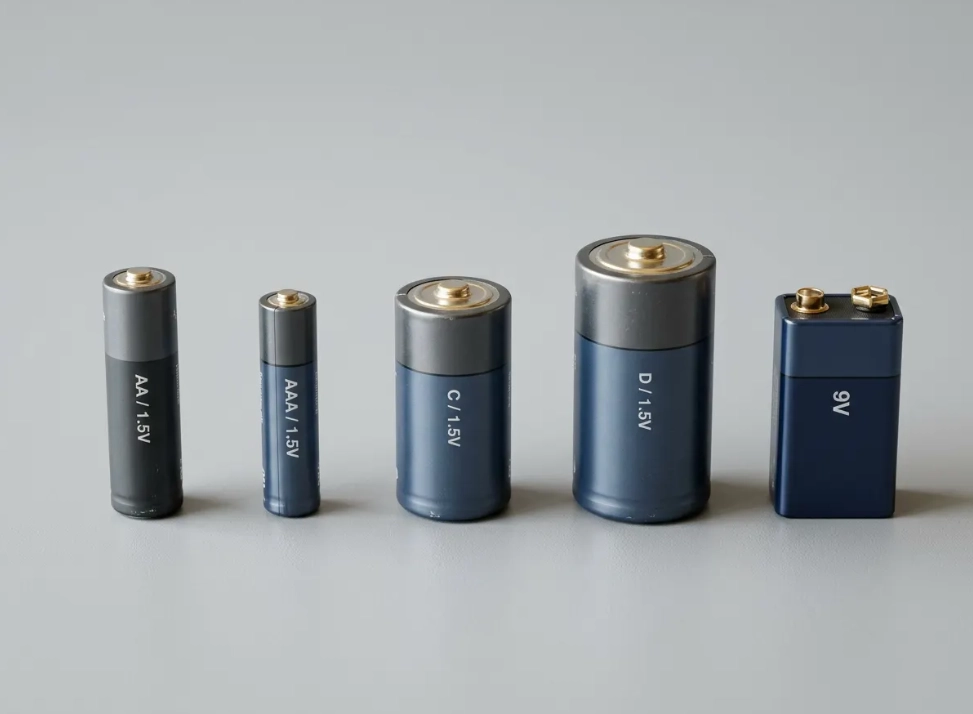
| AA/AAA Alkaline | Yes | Yes | No restrictions, but must be packed to prevent short-circuits. |
| Lithium-ion (in devices) | Yes (device off) | Yes | Device must be protected from damage. |
| Spare lithium-ion batteries | No | Yes | Under 100Wh or approved up to 160Wh. |
| Power banks | No | Yes | Must not exceed 160Wh; typical 10000mAh–20000mAh is safe. |
| Wet cell batteries (e.g., car battery) | No | No | Only as cargo with special arrangements. |
Always cover battery terminals with tape to avoid short-circuits. I recommend bringing a small zippered pouch for your batteries, like those camera battery cases, to keep them separated from metal objects like keys and coins. It’s a small habit that saves you from a security showdown.
How to Protect Your Batteries During Travel
Protecting batteries is about safety, not just keeping them dry. Here’s my step-by-step method, which I’ve shared with hundreds of tourists:
- Place each battery or power bank in its own clear ziplock bag. This prevents the terminals from contacting metal.
- If you’re carrying loose batteries, put a piece of non-conductive tape (like electrical tape) over the positive and negative ends.
- For power banks, keep the original packaging or a screenshot of the product listing showing the capacity. Security rarely asks, but when they do, you’ll be glad you have it.
- Store batteries in your hand bag, not in your pockets. The X-ray machine will thank you — and so will the officers, who glower at people digging through their pockets.
What to Do If Your Battery Is Damaged or Swollen
If you notice any swelling, leakage, or damage, don’t fly with it. I’ve had to talk travelers out of boarding with a battery that looked like it was about to explode. Most airports have drop-off bins at security for damaged batteries. In a pinch, you can give it to a security officer — they have the proper disposal procedures.
There’s a trick many locals use: if your power bank is swelling, charge it for a few minutes to see if it’s just the heat. But truthfully, it’s not worth the risk. Just toss it and buy a new one at the airport shop. Being stuck at security with a swollen battery is a nightmare.
What to Expect at Chinese Airport Security
The Security Screening Process
Chinese airport security is thorough, but it’s not unreasonable. The line moves quickly until it doesn’t. You’re asked to remove laptops, tablets, phones, and power banks from your bag and place them in separate trays. This is your moment. Make sure your power bank is easily accessible. If it’s buried at the bottom of a backpack, the officer will make you dig it out — and the entire line will hate you.
Here’s a common scene: the X-ray machine flags an unusually shaped battery, and the officer asks you to unpack it. They’ll inspect the capacity rating printed on the label. If there’s no label, they might assume it’s oversized. I usually tell my clients to carry a permanent marker and write the Wh rating on the power bank if the original label is worn off. Some travelers have successfully saved their power banks by showing a spec sheet on their phone.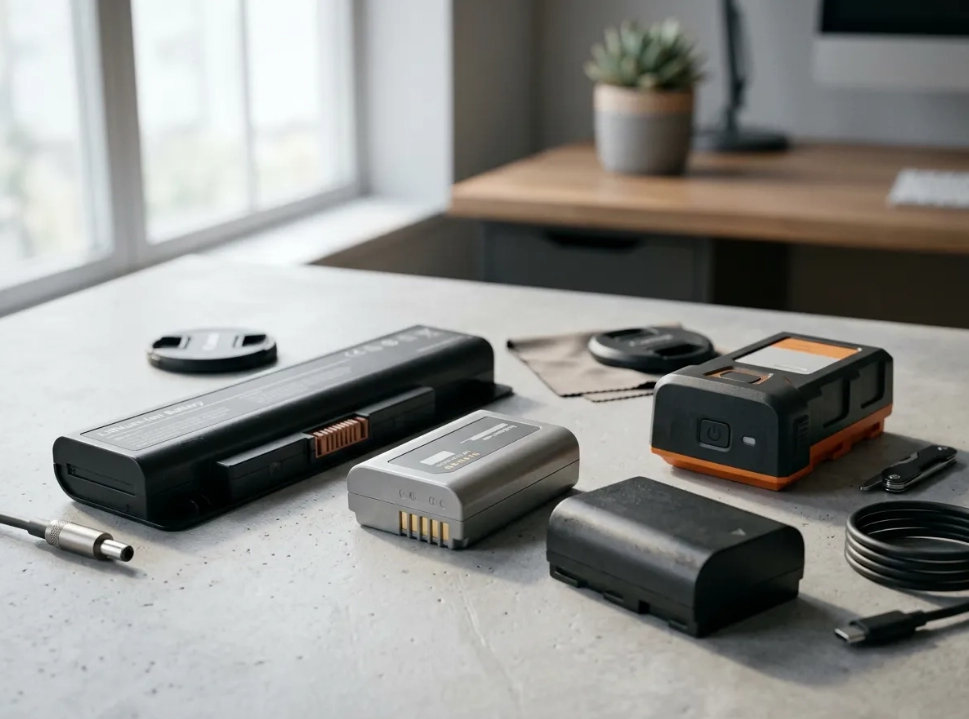
If Your Battery Gets Flagged: What Happens Next
If security deems your battery unacceptable, you have three choices. First, you can return to the check-in desk and put it in your checked luggage — but that’s only allowed for installed batteries, not spare ones. Second, you can find a delivery service at the airport to ship it home. Third, and most common, is to surrender it. Many airports have bins specifically for discarded power banks. It breaks your heart, but sometimes it’s the only way.
I once watched a traveler argue with a security officer for 20 minutes about a 3,000mAh power bank that had no label. The officer didn’t budge. My advice: don’t argue. Smile, ask if there’s a convenience store nearby to buy a new one, and move on. Arguing will make you miss your flight.
Real-Life Pitfalls I’ve Seen as a China Tour Guide
Mistake #1: The “Spare Battery” Rule
Just because a battery comes with a device doesn’t make it “installed.” A few years ago, a client tried to check in a camera with an extra battery snugly taped to the side. The check-in agent spotted it and forced her to remove the tape and put the spare in her carry-on. It delayed us by 15 minutes. The rule is simple: any battery that can be easily removed is a spare.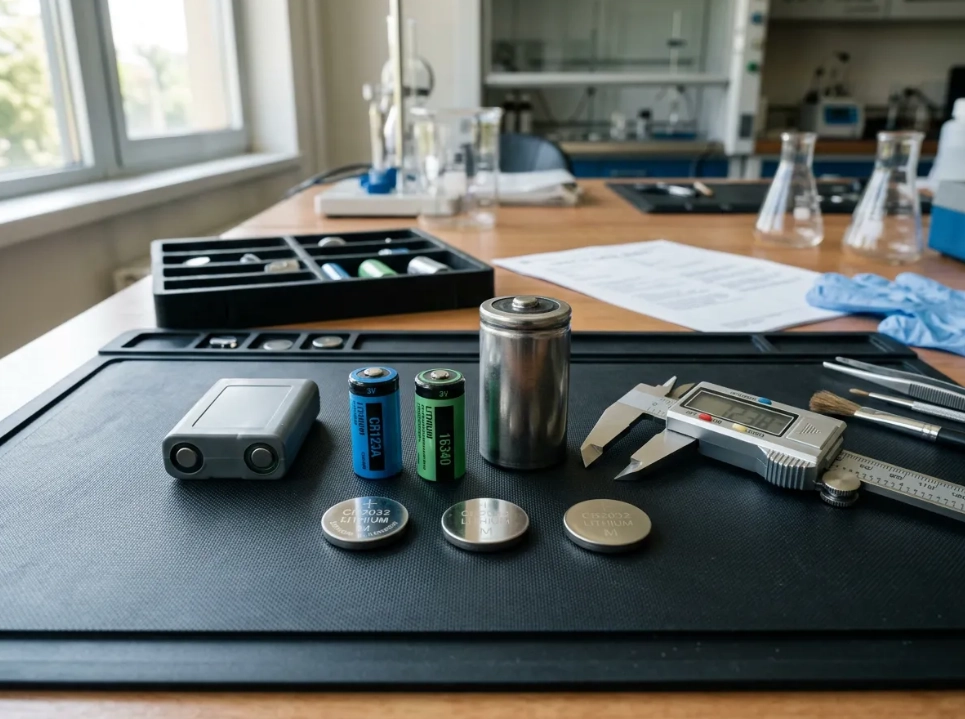
Mistake #2: Ignoring the Wh Rating
I’ve seen more power banks confiscated for missing Wh labels than for exceeding the limit. Many cheap power banks, especially those bought in small Chinese convenience stores, don’t print the Wh rating. They only print mAh. If you have one, either leave it at home or take the risk with a highlighter and a spec manual. I keep a tiny label maker in my tour kit to print Wh stickers for clients who need them.
Mistake #3: Putting Batteries in Checked Luggage
This is the most dangerous mistake. There have been incidents of fires in cargo holds caused by lithium batteries. That’s why airlines internationally ban spare batteries in checked luggage. In China, they enforce it with a hard hand. If a tag on your bag says “li-ion battery” after screening, they’ll pull you aside faster than you can say “power bank.” Always double-check your pockets and small compartments before handing your bag to the conveyor.
One more thing: don’t let your kids check in a backpack with toys that have removable batteries. I once had a family whose son’s toy robot had batteries in the backpack, and security made them open it up and remove the batteries before allowing the bag through. It’s heartbreaking to watch a 5-year-old cry over a robot.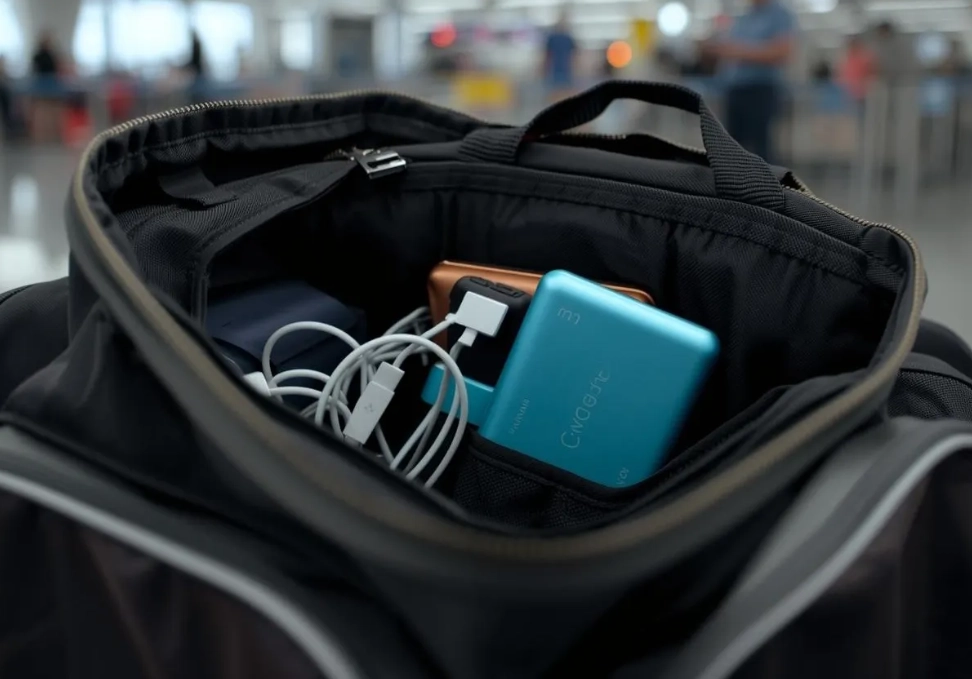
FAQs About Batteries and Flights
The Bottom Line: Don’t Let Battery Rules Ruin Your Trip
Battery rules on planes are straightforward once you know the basics. Carry your power banks and spare batteries in your hand luggage, keep them under 100Wh, and make sure they clearly show their capacity. Respect the security process, and you’ll be through in minutes. I’ve had too many clients show up at my tour with confiscated power banks and a sour mood. Don’t let that be you.
As with everything airport-related, rules can change. Always give yourself extra time at security test. And if you’re unsure about a specific device, pull up the official CAAC website or ask your airline before you arrive. A little preparation goes a long way.
Now go enjoy your flight — and keep your phone charged for all those photos of the Great Wall.








It's okay, but I expected more about the actual 'pitfalls' mentioned in the title. The article goes over the basics of bringing batteries, but it kind of glosses over what happens if you have a damaged or swollen battery—which is what I actually wanted to know. Also, the links to airline pages seemed outdated; one of them led to a 404. Not terrible, but I ended up cross-checking with the TSA website anyway.
Solid overview of battery rules, but I took off one star because it didn't mention that some international airlines have stricter limits than the FAA. I flew through Singapore and my 100Wh power bank got extra scrutiny even though the article said 100Wh is universally accepted. Otherwise the checklist on packing batteries was useful, and the photos helped me identify the watt-hour rating. Worth a read.
Wish I'd found this before my trip to Japan! I was convinced I had to pack my power bank in checked luggage because someone told me that. Turns out that's exactly wrong. The article explains the difference between installed and spare batteries and the weird rule about loose batteries being protected from short circuits. Super practical, no scare tactics. Gave me a lot of peace of mind.
I've been flying with a huge external battery for years and always worried about the rules. This article finally spelled it out in plain English. It even mentions the watt-hour rating printed on the battery and how to calculate it if it's worn off. I checked my Anker and it was right at 26.8 Wh. No issues at LAX. Bookmarking this for every future trip.
Just read this before flying out of Denver with my camera gear and a portable charger. The section on lithium batteries saved me at security—I had no idea spare batteries have to be carry-on only. The layout is super clear, and the table of airline exceptions is something I actually screenshotted. Felt way less stressed boarding. Highly recommend if you travel with electronics.