 Ting Chen
What's Inside
I'll never forget the look on my first guest's face when she dropped an entire plate of raw beef into the pot at once. Chaos. Broth splattered across the table, beef clumped together, and she ended up with a rubbery mess. That's when I realized: Chinese hotpot how to eat isn't obvious to foreigners. It's a performance, a ritual, and a minefield of unspoken rules. After guiding hundreds of travelers through Chengdu's steamiest hotpot joints, I've compiled the real-deal playbook. No fluff, just what you need to eat like you've been doing it for years.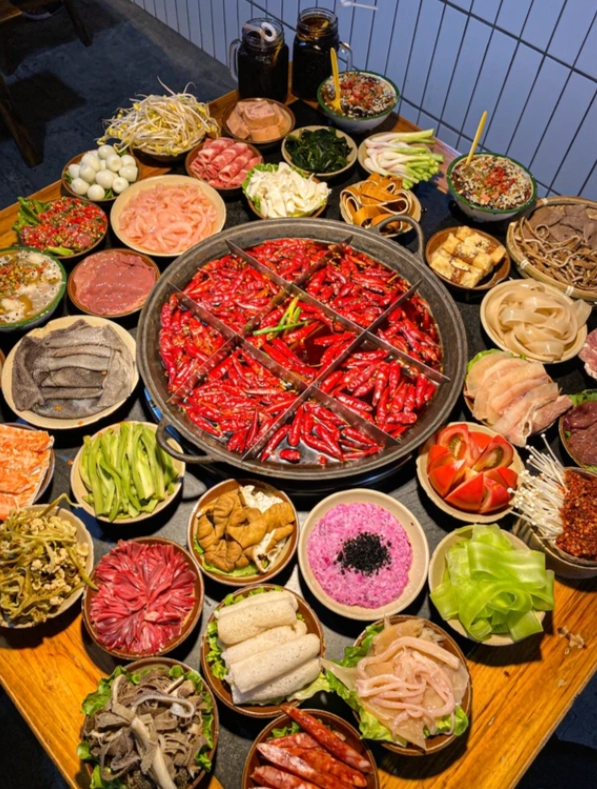
What Exactly Is Chinese Hotpot?
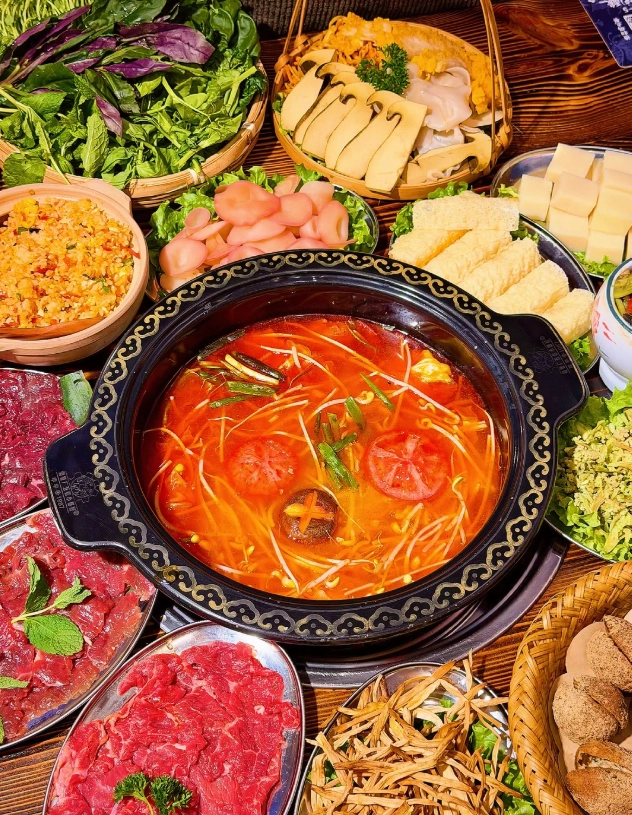
Hotpot (huǒ guō, 火锅) is a communal dish where a simmering pot of broth sits at the center of the table. Raw ingredients—thinly sliced meats, vegetables, tofu, noodles—are cooked by the diners themselves in the bubbling liquid. The two most famous styles are Sichuan (málà)—numbing and spicy—and Chongqing-style, which is even fierier. But don't worry, most places offer a split pot (yuān yāng guō) with a mild half.
Pro Tip: If you're in Chengdu or Chongqing, assume the default spice level will blow your head off. Ask for wēi là (微辣, mild spicy) or a clear broth side. I always tell my clients: start mild, you can always add more chili oil later.
The Golden Rules of Hotpot Etiquette
Never Dump Everything at Once
I've seen it a thousand times. Raw ingredients go in gradually—cook in small batches. Drop a few slices of meat, swish them until they change color, then fish them out. Overcrowding the pot drops the temperature and ruins the texture.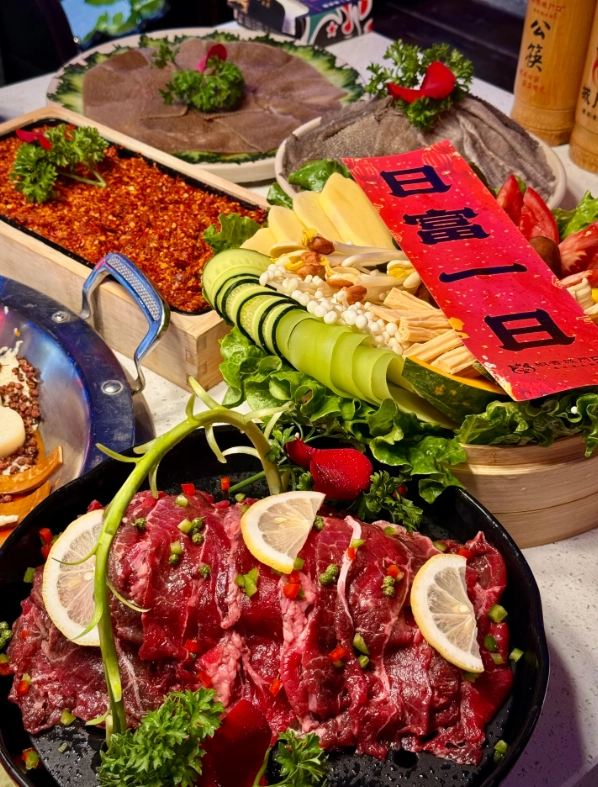
Shared Pot, Shared Rules
Use the communal ladle or your own chopsticks (the ones you eat with aren't for the pot—use the serving chopsticks provided). Don't double-dip your used chopsticks into the broth. It's a hygiene thing.
Cook in the Right Order
Start with vegetables and tofu (they don't muddy the broth), then move to meats, and finish with noodles or rice. Seafood should go last—fish flavors linger.
Insider Advice: At many hotpot restaurants, they'll bring you a small bowl of garlic, chopped cilantro, and sesame oil for your dipping sauce. Don't skip that—it's the classic base. But if you want to get creative, see the next section.
How to Build the Perfect Dipping Sauce
The sauce bar (tiáo liào tái) is where you customize your flavor. Every restaurant has a station with dozens of ingredients. Here's a table of common items and how to use them:
| Ingredient | Flavor Profile | How Much to Add |
|---|---|---|
| Sesame oil | Nutty, rich | 1-2 tbsp as base |
| Garlic (minced) | Pungent, aromatic | 1 tsp |
| Cilantro (chopped) | Fresh, herbaceous | 1 tbsp |
| Chili oil | Spicy, smoky | Start with 1 tsp |
| Fermented bean curd | Salty, funky | 1/2 tsp (crumbled) |
| Vinegar (black or white) | Tangy | 1 tsp |
| Oyster sauce | Savory, sweet | 1 tsp |
| Peanut or sesame paste | Creamy, thick | 1 tbsp |
My go-to combo: 2 tbsp sesame oil + 1 tbsp minced garlic + 1 tbsp cilantro + 1 tsp black vinegar + 1 tsp chili oil. It's balanced, not overpowering. Pro Tip: Don't overload your sauce bowl—you'll need room to mix and dip.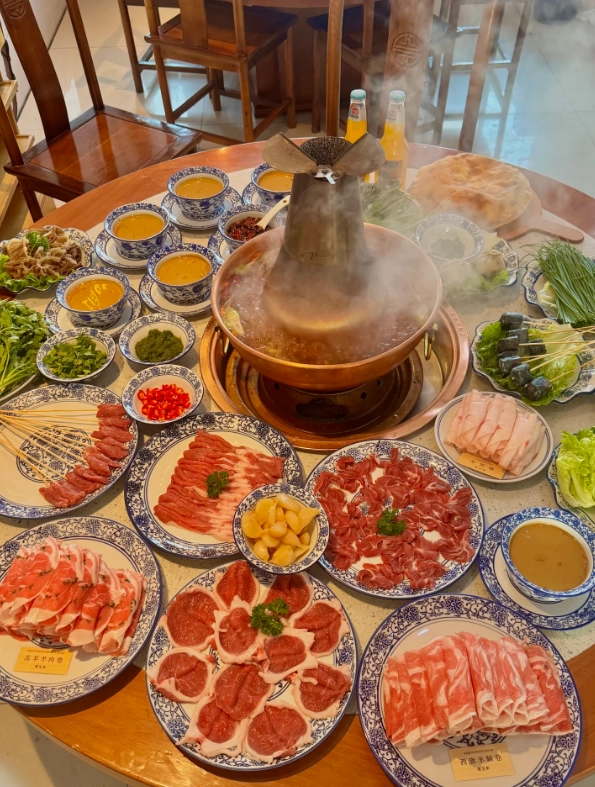
Cooking Times & Order of Ingredients
Getting the timing right is crucial. Overcook beef tripe and it turns into rubber. Undercook meatballs and… well, don't. Here's a quick reference:
| Ingredient | Time in Broth | Doneness Cues |
|---|---|---|
| Thinly sliced beef/lamb | 10–15 seconds | Color changes to brown, no pink |
| Pork belly (thick) | 2–3 minutes | Fattens and curls |
| Tofu (soft) | 2 minutes | Floats, heated through |
| Leafy greens (spinach, lettuce) | 30 seconds–1 min | Wilts but still bright |
| Mushrooms | 3–5 minutes | Tender and juicy |
| Potato slices | 4–5 minutes | Soft when pierced |
| Fish balls / meatballs | 5–7 minutes | Floats to top, firm |
| Tripe (niú dù) | 10–15 seconds | Curled, crunchy texture |
| Noodles (fresh) | 3–5 minutes | Soft but not mushy |
Pro Tip: Use the small wire basket (lòu sháo) provided to cook small items like fish balls. It saves you from fishing them out one by one.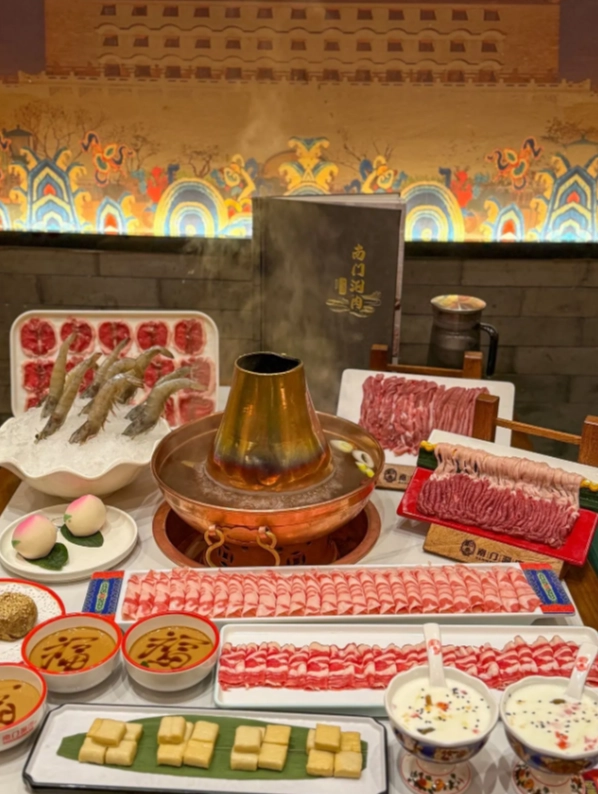
Ordering Like a Local
Walking into a hotpot restaurant can be overwhelming. Here's how to decode the menu:
Must-Order Dishes for First-Timers
- Sliced fatty beef (féi niú): The staple. Look for marbling.
- Lamb (yáng ròu): Thin slices, gamey but mild.
- Tripe (niú dù / bǎi yè): A Sichuan specialty. Cook quickly for a crunchy bite.
- Tofu skin (dòu pí): Chewy and absorbs broth flavor.
- Potato slices (tǔ dòu piàn): Become creamy when cooked.
- Mushroom platter (jūn lèi): Enoki, shiitake, oyster—variety is key.
- Green vegetables (qīng cài): Chinese cabbage or water spinach.
How to Order Without Chinese
Many hotpot chains in Chengdu (like Haidilao or Dà Lóng Yì) have iPads with English menus. At smaller places, point at the pictures or use your phone to show a dish photo. I always recommend my clients to save a picture of a hotpot feast beforehand. Payment: Most accept Alipay and WeChat Pay linked to international cards. Cash is rarely taken, and credit cards only at high-end spots. Navigation: Google Maps barely works in China. Use Apple Maps or download AMap (Gāo Dé) which has an English mode. For taxi drivers, show the Chinese address written on your phone.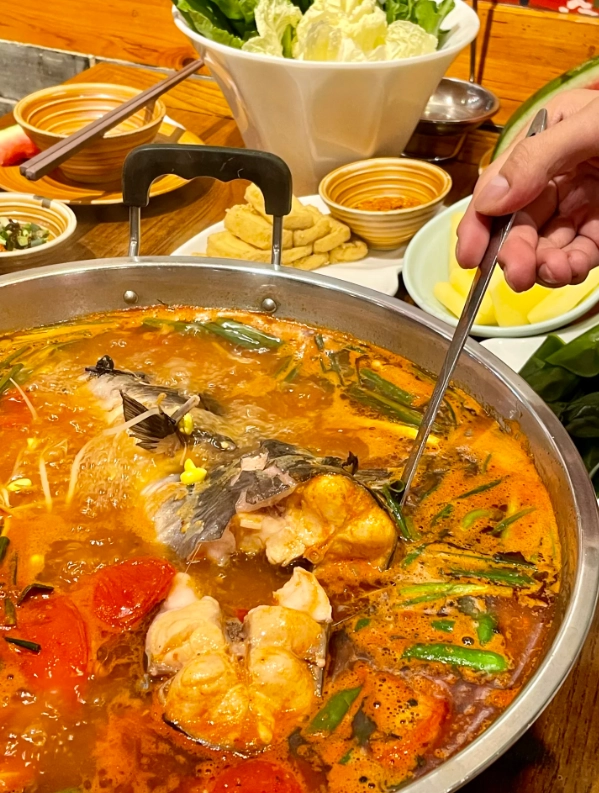
Insider Advice: Hotpot restaurants in Chengdu are notorious for long waits. Book through Trip.com or Klook in advance, or ask your hotel concierge to call. Alternatively, arrive before 5:30 PM for dinner to skip the line.
FAQ: Your Burning Questions Answered
Verified and fact-checked by the editorial team.





I read this in a hostel in Kunming before trying hotpot for the first time, and honestly, I was a little let down. The five mistakes are valid, but the article keeps repeating the same point about not putting everything in at once. It also didn’t explain the dipping sauce basics enough for someone who has never even seen a sesame oil jar. I still made a small mess and had to ask my friend what to do with the raw garlic. It’s okay, but I expected more depth for all the praise.
This article is perfect if you’re a total beginner. I read it before meeting my boyfriend’s family for hotpot, and it helped me avoid so many awkward moments. The section about heat control was a lifesaver, and I loved that the tips were written as mistakes to avoid rather than a boring rule list. I still got nervous when the broth started bubbling and steam fogged up my glasses, but at least I knew exactly what to do. Five stars—I’d give it ten.
I don’t usually leave reviews for articles, but this one earned it. I followed these tips during a rainy-night hotpot dinner in Chongqing, and I actually didn’t embarrass myself. The warning about not putting ice cubes in the spicy broth made me laugh, but then I almost did it out of habit—so it was needed. My only small issue is that I wanted more details on the different dipping sauces. Still, the core advice is solid. Highly recommend to any clueless beginner like me.
I’ve been eating hotpot for years, but this article still got me. The bit about putting too many ingredients in at once is something even my hotpot-loving friends do every single time. The writer keeps it light and funny, but every point lands. I passed it to a coworker who was nervous about his first hotpot dinner with local clients, and he told me it completely saved him. If you only read one hotpot guide, make it this one. It’s short, practical, and spot on.
I read this article on the flight to Chengdu and I’m so glad I did. The tip about not drinking the broth straight from the pot? I 100% would have done that. By the time I sat down with my friends, I knew not to overload the pot, how to use the garlic dip properly, and why you shouldn’t scoop all the chilies into your bowl. The whole place smelled like Sichuan pepper and sesame oil, and I actually felt confident instead of lost. This is a must-read before any first hotpot experience.