 Wei Zhang
Quick Look Inside
I've been guiding European travelers through China for over a decade. And every summer, I see the same scenario: a family from Paris, drenched in sweat, stuck in a 40°C queue at the Forbidden City, frantically waving their Visa card at a ticket booth that only accepts Chinese digital payments. Don't be that family.
Here is the raw truth: China summer travel from Europe is amazing but requires a completely different playbook than visiting in spring or autumn. The heat is real, the crowds are intense, and the digital ecosystem can feel like a wall. But if you plan smartly, you'll have incredible experiences that most tourists miss. Let me show you how.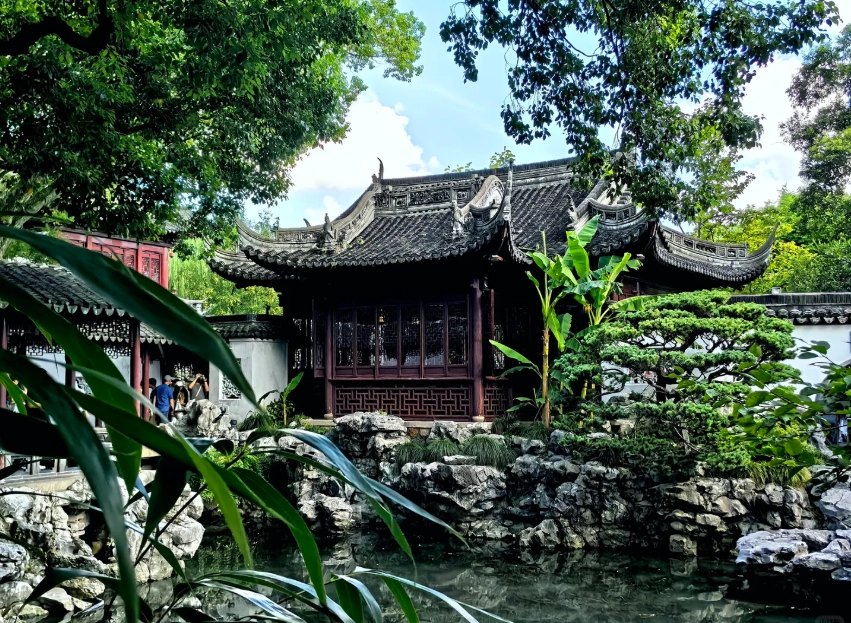
Why Summer Travel in China from Europe is Different (and Tricky)
July and August are peak domestic travel months in China. Schools are out, and millions of Chinese families hit the road. Combine that with the monsoon season in many regions, and you've got a challenge that rewards advance planning.
First, the heat. Beijing, Shanghai, and Xi'an can reach 35-40°C with high humidity. I always tell my clients: if your itinerary is heavy on outdoor sightseeing between 11 am and 3 pm, you'll burn out by day two.
Second, the digital maze. Almost everything in China requires a smartphone. Payments via Alipay or WeChat Pay are the norm – cash is rarely accepted at attractions or restaurants. Google Maps is blocked and unreliable. Reserving tickets often involves WeChat mini-programs in Chinese. The learning curve is steep, but I'll give you the shortcuts.
Third, the crowds. The Great Wall, the Forbidden City, the Terracotta Warriors – these are packed. But there are tricks to dodge the masses, like going early or choosing less crowded sections.
Now, the good news: summer also brings lush green landscapes, vibrant festivals, and a unique energy. With the right strategy, you'll love it.
Top 5 Destinations for a Smart China Summer Trip
I've curated these spots based on cooler climates, manageable crowds, and European-friendly infrastructure. Each has a “summer edge.”
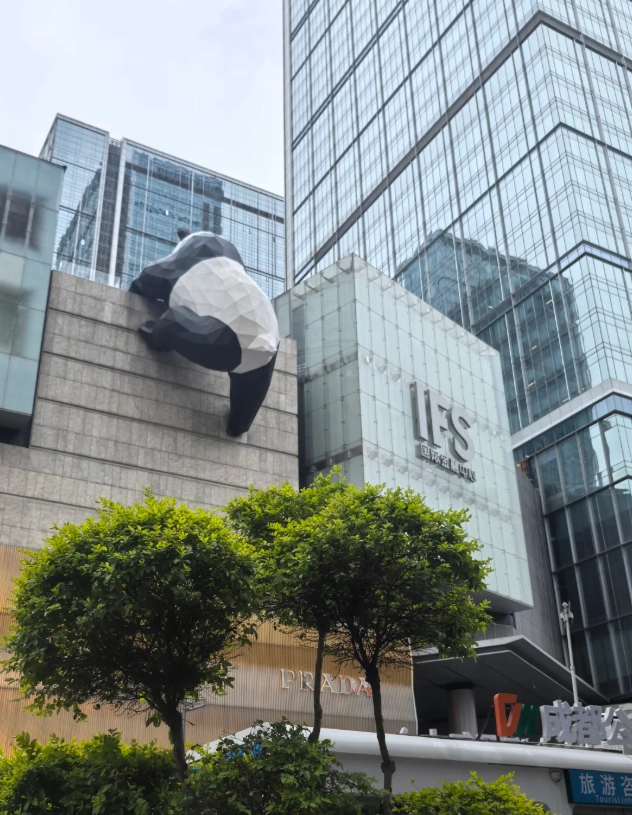
1. Chengdu – Panda Cuddles and Spicy Food (Indoor Heaven)
Chengdu is my top recommendation for summer. The giant panda base is partially shaded, and the indoor panda viewing areas are air-conditioned. But the real win? The city is famous for its tea houses and Sichuan cuisine – both perfect for escaping the heat. I always take my groups to the Wenshu Monastery tea house where you can sip jasmine tea under bamboo shades for hours.
- Price: Panda base entry 55 RMB (adult), free for kids under 6. Book on Trip.com or the official WeChat mini-program (ask your hotel to help).
- Address: 1375 Xiongmao Avenue, Chenghua District (English: 1375 Panda Ave). Take Metro Line 3 to Panda Avenue Station, Exit B – 5-minute walk.
- Best time to visit: Arrive by 7:30 am to see the pandas at their most active. Afternoon is too hot and they nap.
- Pro Tip: The line for the shuttle bus inside the base can be 30+ minutes. I recommend walking – it's a shaded path with lots to see.
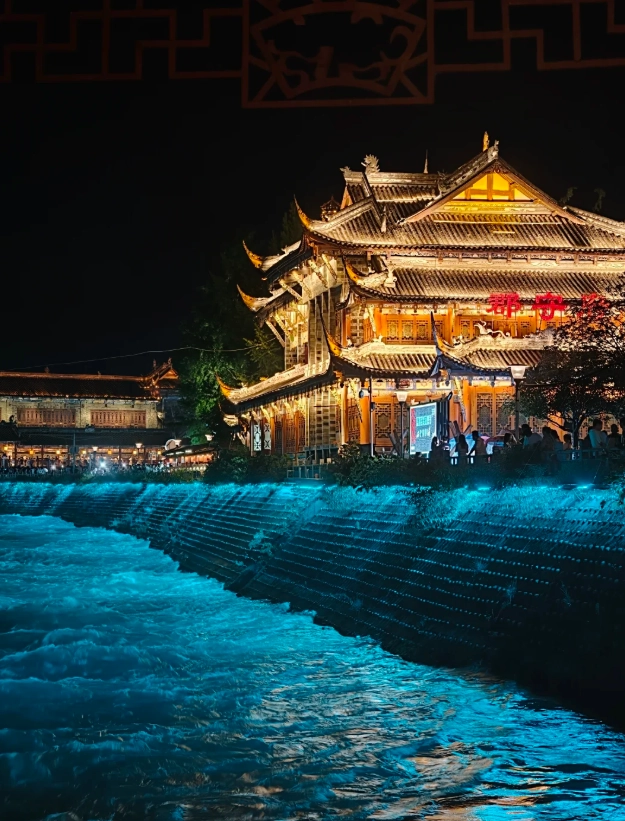
2. Yunnan – Escape to the Highlands (Kunming, Lijiang)
Yunnan province is China's summer paradise. Kunming is known as the “Spring City” with average highs of 24°C in July. Lijiang's old town sits at 2,400m elevation, offering cool nights and stunning views of Jade Dragon Snow Mountain.
- Navigation: From Kunming, take a high-speed train to Lijiang (3 hours, ~220 RMB). Book tickets on Trip.com. Bring a light jacket for evenings.
- Attraction: Lijiang Old Town is free to enter, but you need to register your passport at the info center. Avoid the main tourist streets – wander into the side alleys near the Black Dragon Pool.
- Insider Advice: The cable car to the glacier on Jade Dragon Snow Mountain requires booking at least 3 days in advance via the official “Yulong Snow Mountain” mini-program. If that's too complicated, Klook sells day passes with a surcharge.

3. Zhangjiajie – Avatar Mountains with a Cool Breeze
The towering quartzite pillars stay relatively cool thanks to their altitude. The park's glass bridge and cable cars offer shade. But be prepared for sudden rain showers (pack a poncho).
- Tickets: 228 RMB for the national forest park (valid 4 days). Buy at the gate or on Trip.com. You'll need your passport.
- Best route: Enter at the South Gate (less crowded than the main gate). Take the free shuttle to the “Yuanjiajie” area – that's the famous Hallelujah Mountain. Avoid the Baihua Valley if it's raining heavily.
- Dining: Near the South Gate, try “Dad's Restaurant” – they have English menu pictures. I always order the stir-fried pork with chili (not too spicy). Cash only, so bring small bills.

4. Xi'an – History Without the Heat (Sort Of)
Xi'an still gets hot (35°C), but the main attraction – the Terracotta Warriors – is indoors with good AC. The real strategy is timing: visit the pit at opening time (8:30 am) to beat both crowds and heat.
- Getting there: Take high-speed train from Beijing (4.5 hours) or Chengdu (3.5 hours). At Xi'an North station, use Didi (Chinese Uber) – the official taxi queue can take 45 minutes. Show the driver this address: 秦始皇兵马俑博物馆 (Qin Shihuang's Terracotta Warriors Museum).
- Tickets: 120 RMB, book on Trip.com. Avoid unofficial tours offering “skip-the-line” – they're scams.
- Night move: In the evening, head to the Muslim Quarter for street food. The beef skewers are fantastic, and it's cooler after sunset.

5. Beijing – The Must-Do with a Summer Strategy
Beijing in summer is a beast, but you can't skip it. My rule: do outdoor sights before 10 am or after 4 pm. Use the middle of the day for indoor activities like the National Museum or a hutong cooking class.
- Forbidden City: Book at least 1 week in advance on the official website (en.dpm.org.cn). Enter from the Meridian Gate (south). If you can't get tickets, try the Jingshan Park hill across the street – great photo spot for free.
- Great Wall: Avoid Badaling. I always send my clients to Mutianyu – it's less crowded and has a cable car. Take bus 916 from Dongzhimen, then a shuttle. Or book a private driver on Klook (around 800 RMB round trip).
- Payments at Mutianyu: The ticket office accepts card, but many food stalls are cash-only. I'd bring 200 RMB in small bills.

Practical Survival Kit for European Travelers in China Summer
Payments – Alipay/WeChat is King
Assume that no business accepts your European credit card. I've seen it happen too many times. Before you leave, download Alipay and link your international credit card. WeChat Pay also works for foreigners. Both scan QR codes – super easy once set up. Test it with a small purchase at a 7-Eleven. Keep some cash for emergencies (e.g., 200 RMB for street vendors).
Navigation – Ditch Google Maps, Use Apple Maps or AMap
Google Maps won't work reliably in China. Apple Maps actually uses local data and is decent for walking directions. For public transit, I recommend AMap (高德地图) – it has an English interface. Download it before you go. Type addresses in Chinese characters that I'll provide. For example, “熊猫大道1375号” for the panda base.
Booking Tickets – The WeChat Nightmare (and How to Beat It)
Many Chinese attractions require WeChat mini-programs for booking, which are entirely in Chinese and need a Chinese bank card. It's a pain. My advice: use Trip.com or Klook for most tickets. They accept foreign cards and show English info. If the official site is the only option, ask your hotel concierge to book for you – they do this every day.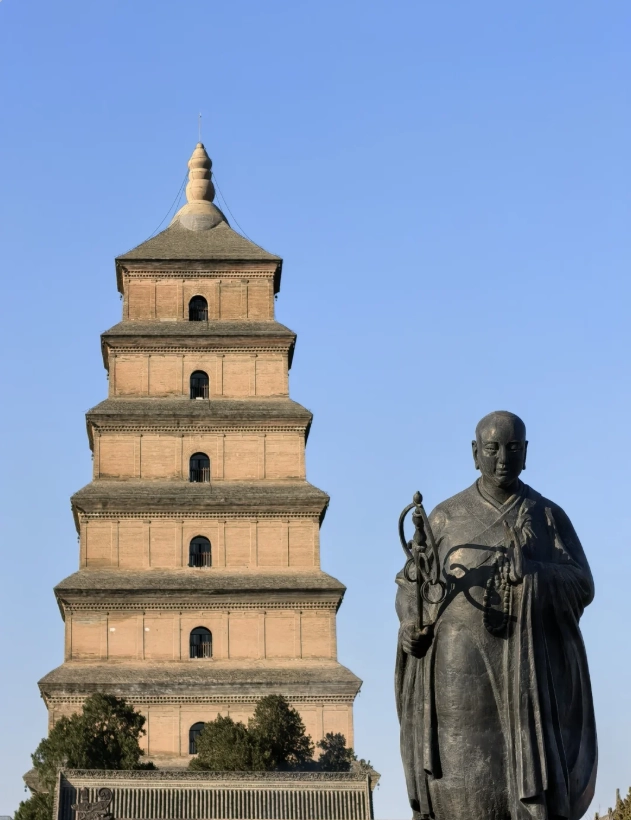
Language & VPN – Must-Haves
Download a VPN on your phone before landing. Without it, many European websites (including Gmail, WhatsApp, Instagram) will be blocked. I like ExpressVPN. Also, install Apple Translate or Baidu Translate for offline use. Most young Chinese in tourism speak basic English, but older locals don't – having a translation app is a lifesaver.
Sample 10-Day Summer Itinerary (From Arrival to Departure)
This itinerary balances heat avoidance, cultural highlights, and realistic travel times. Adjust based on your interests.
| Day | Morning (7-11am) | Midday (11am-4pm) | Afternoon/Evening (4pm onwards) |
|---|---|---|---|
| 1 | Arrive in Beijing, check-in, rest | Visit National Museum (AC, free, book online) | Walk Tiananmen Square, evening Peking duck at Quanjude (book ahead) |
| 2 | Mutianyu Great Wall (leave by 6am) | Lunch near wall, take cable car down | Back to city, visit 798 Art District (AC galleries) |
| 3 | Take high-speed train to Xi'an (4.5h) | Check-in, lunch near Muslim Quarter | Explore Muslim Quarter & evening street food |
| 4 | Terracotta Warriors (arrive 8am) | Lunch at museum, return to city | Visit City Wall (rent a bike, sunset views) |
| 5 | Fly to Chengdu (2h) | Check-in, lunch at Chen Mapo Tofu (spicy, iconic) | Evening at Jinli Ancient Street (shopping, snacks) |
| 6 | Giant Panda Base (arrive 7:30am) | Return to city, rest at tea house | Watch a Sichuan Opera (face-changing show) |
| 7 | Fly to Lijiang (1.5h) | Check-in, walk Old Town (avoid midday sun) | Dinner at Amber Sky restaurant (balcony view) |
| 8 | Jade Dragon Snow Mountain (if booked) | Lunch at base, visit Blue Moon Valley | Return to town, relax at a café |
| 9 | Visit Lijiang Mural & tea plantations | Packing and rest | Evening flight to Shanghai or Beijing |
| 10 | Departure from international airport | – | – |
What to Pack for a China Summer Trip
- Breathable clothing (linen, cotton) – you'll sweat through synthetics.
- Sun protection: hat, sunglasses, SPF 50+ sunscreen (you can buy local brands like Mentholatum in China, but European brands are expensive).
- Reusable water bottle – many sites have filtered water dispensers. Avoid buying plastic.
- Travel umbrella – for both sun and sudden rain. A UV umbrella is popular here.
- Smartphone with data plan – get a local SIM or eSIM (e.g., Holafly) so you have constant internet. VPN pre-installed.
- Power bank – you'll use your phone for everything: maps, payments, translation.
- Small towel/wipes – for sticky moments in queues.
FAQ – Insider Answers to Your Burning Questions
Verified and fact-checked by the editorial team. This content has been fact-checked to ensure informational precision.






Probably helpful for someone new to China, but for me it felt a bit repetitive. Too much generic advice like 'stay hydrated' and 'avoid hottest hours' that you'd figure out anyway. The promised 'local' angle didn't really show up: the so-called hidden temple in Chengdu was overcrowded and hot, and the suggested tea house had a tourist-trap menu. Also nobody mentions how crowded the metro gets in summer - we got stuck between people and sweaty shoulders every evening. Not terrible, but I was hoping for more insider knowledge.
Good, practical read. I especially liked the early-morning chapter: we arrived in Shanghai and went straight to Yu Garden at 8am because the guide warned about tour groups. Totally right advice - by 10am it was a scrum. The QR code payment section was also clear and useful for a first-timer. I knocked off one star because the author's 'hidden' food recommendations near the Bund were just touristy spots, and one address was outdated. Still, this article made our Summer Palace visit much smoother, so no regrets.
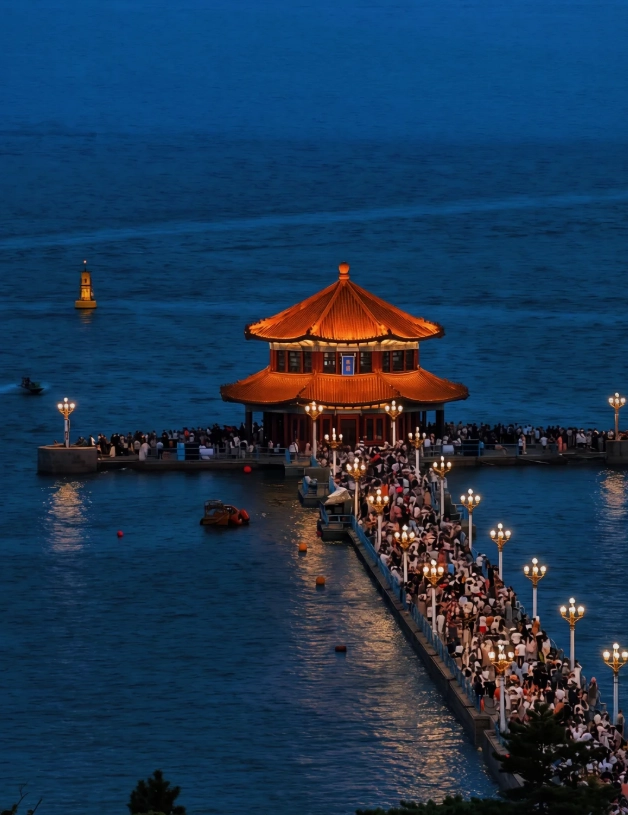
Two friends and I used this guide for our first trip to China, and it completely changed the vibe of our summer vacation. We were nervous about the heat, so the article's idea to finish in Qingdao rather than another inland city was perfect. After a week in Beijing and Xi'an, the sea breeze and cold beer at the Qingdao beer museum were exactly the reset we needed. Also loved the tip to pack an empty water bottle and refill at hotel breakfast every day - saved us money and kept us hydrated. Highly recommend if you want to enjoy China in August instead of just surviving it.
I'm a photographer, so summer in China usually means haze and crowds to me. This guide convinced me to visit the Great Wall at Mutianyu instead of Badaling and to arrive just before closing time. The light was warm, the crowds were gone, and I got shots of the wall with zero strangers in the frame. The recommendation to spend mornings in city parks watching locals practice tai chi was better than any paid sight. The whole tone felt like a friend explaining how to travel smart, not just a list of tourist attractions. Exactly what my trip needed.
Flew from London to Beijing mid-August and honestly thought I'd made a huge mistake. Then I read this guide somewhere over Siberia and adjusted my plan. The advice to start sightseeing at 7am and go back to the hotel for a few hours between 1 and 4pm is pure genius. We did the Forbidden City with manageable crowds, had a long lunch near Wangfujing, and only hit the Summer Palace after the worst heat broke. The bit about booking tickets through the official WeChat mini-programs saved us at least an hour of queueing in 35C heat. If you're coming from Europe in summer, read this before you book anything.