 Wei Zhang
What’s Inside This Guide
I’ve led dozens of groups through Shangri-La, and I can tell you one thing: most 2-day itineraries you find online will leave you exhausted and missing the real magic. Either they cram too much in, ignore the altitude, or completely forget that Google Maps doesn’t work here. So I put together this Shangri-La 2-day itinerary based on years of trial and error — designed for foreign travelers who want a relaxed pace, epic photos, and zero headaches.
Here’s the catch: Shangri-La sits at 3,300 meters (10,800 feet). The thin air can hit you hard if you sprint around. My plan builds in proper acclimation, skips the tourist traps, and reveals a couple of secret spots even some locals don’t know. Let’s dive in.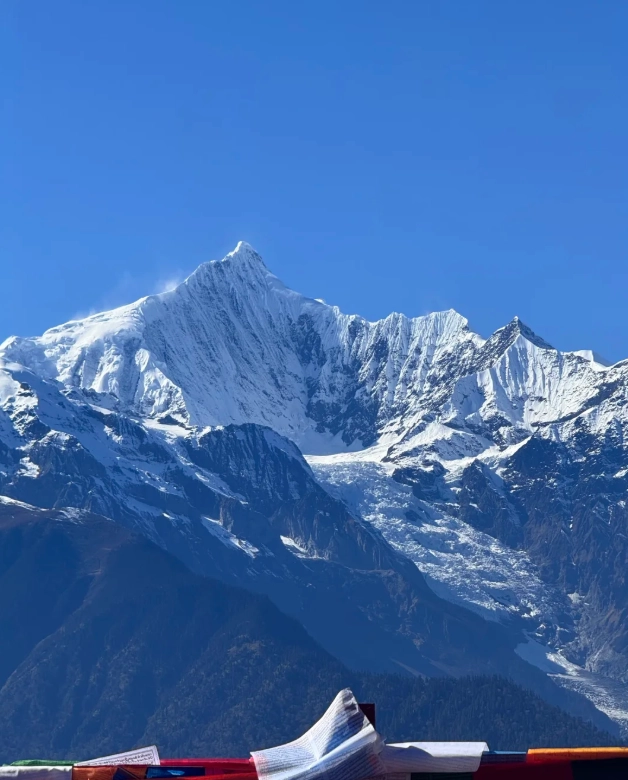
Why This Itinerary Works (and Where Others Fail)
The biggest mistake is trying to visit both Potatso National Park and the Tiger Leaping Gorge in one day — physically impossible. My route focuses on two core areas with breathing room. You’ll also avoid the 11am–2pm rush at Songzanlin Monastery (when tour buses flood in). Instead, you’ll arrive at 8:30am, when the morning light hits the golden roofs and the chanting monks create an atmosphere you can’t put into words.
- Day 1: Old Town + Songzanlin Monastery (moderate walking, altitude adjustment)
- Day 2: Potatso National Park + Napa Lake (scenic drive, light hiking)
- Every meal is timed to avoid hungry crowds, and I’ll show you how to pay without WeChat (yes, it’s possible).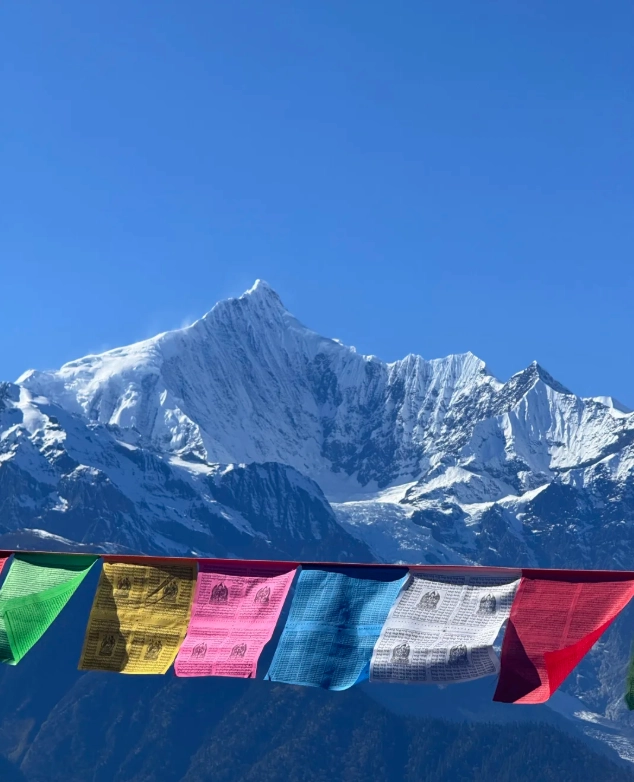
Day 1: Songzanlin Monastery & Old Town
Morning: Songzanlin Monastery (Ganden Sumtsenling)
You want to be at the entrance before 8:30am. The monastery opens at 8:00am (ticket: 90 RMB adults, 45 RMB for kids 6–18, free under 6). Pay with cash or Alipay — they rarely accept foreign cards at the gate. Show your passport to buy the ticket; no advance reservation needed, but if you use Trip.com you can skip the line. Address: No. 3, Songzanlin Road (show the taxi driver: “松赞林寺”). From Old Town, it’s a 15-minute drive (30 RMB by taxi).
Once inside, take the left staircase first — 99% of visitors go straight up the middle, but the left path leads to a quieter shrine with a rooftop overlooking the entire monastery. Pro tip: the main prayer hall has a strict “no photos inside” rule, but you can take stunning shots from the courtyard. By 10:30am, the crowds start pouring in. That’s your cue to leave.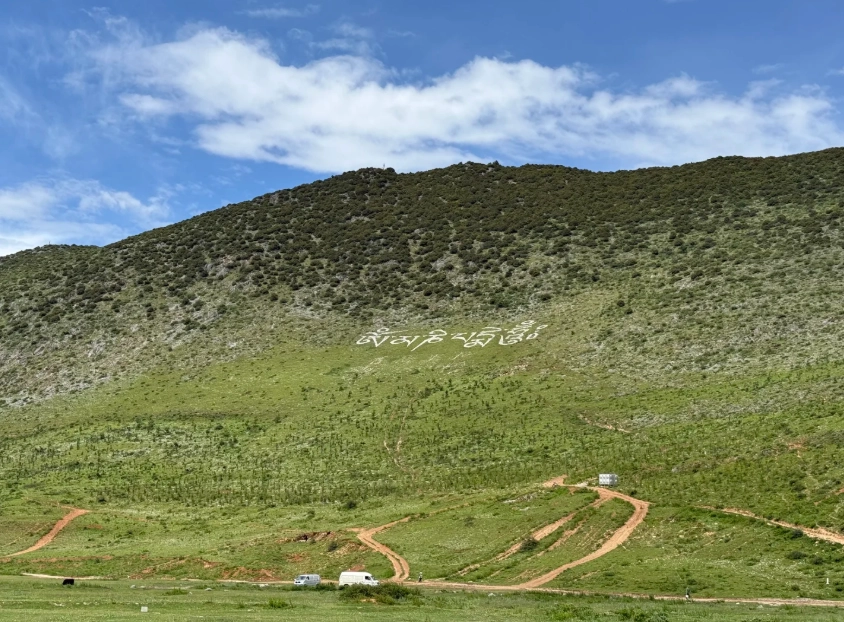
Lunch: Tibetan Hotpot at a Local’s House
Forget the touristy restaurants on the main street. I always take my groups to Mama’s Tibetan Kitchen (not on Google Maps — search “藏家土火锅” on Amap or ask a local). It’s a small courtyard with a sign shaped like a yak. The hotpot (80 RMB per person) comes with slices of local pork, yak meat, and wild mushrooms. Cash only, no English menu. Point at what others are eating — they’re friendly. Opens 11:30am–2pm and 5pm–8pm.
Afternoon: Dukezong Old Town & a Nap at Altitude
This is where many itineraries fail — they push you to hike the “Tibetan Dancing Square” right after lunch. Bad idea. Your body needs a siesta to adjust to the altitude. I recommend 1 hour of rest back at your hotel. Then, around 3pm, head to the Moonlight Square in Dukezong. It’s a 10-minute walk from most hotels. Climb the small hill to the Guishan Temple — the giant prayer wheel there takes 8 people to turn. Join locals and give it a spin clockwise for good luck.
From the temple, walk down Jinlong Street — it’s lined with shops selling handmade thangka and turquoise jewelry. Bargain politely; I’ve seen foreigners pay triple the actual price. A fair price for a small turquoise pendant is 50–80 RMB.
Dinner: Yak Burger & Barley Wine
Skip the hotel buffet. Go to The Compass (address: 54 Jinshan Road). It’s a cozy place run by a Tibetan expat who speaks English and accepts international cards. Their yak burger (35 RMB) is juicy — I always order two. Try their local barley wine (10 RMB a glass), but sip slowly — it’s stronger than it tastes. Rating: 4.8 on TripAdvisor. Wait time: usually none before 6:30pm.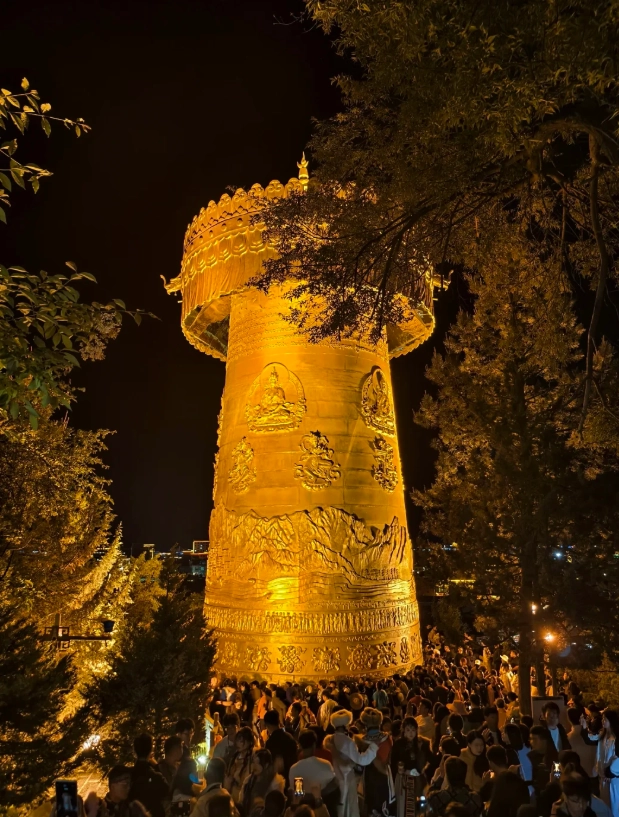
Day 2: Potatso National Park & Napa Lake
Morning: Potatso National Park (Budget 4 Hours)
Potatso is a 40-minute drive from Old Town. You need to book your ticket in advance. The official WeChat mini-program is Chinese-only and a pain for foreigners. Use Trip.com or Klook — they sell timed entry slots (104 RMB adults, free under 7). Bring your passport for verification. Park hours: 8:00am–4:00pm (last entry 2pm). I suggest the 8:30am slot to catch the mist over Bita Lake.
Inside the park, you take a shuttle bus to the trailheads. Get off at the second stop: Shudu Lake. Most tourists stay at the first stop (Bita Lake) and create congestion. Shudu Lake has a wooden boardwalk that circles the lake (3.2 km, easy flat walk, takes 1.5 hours). The reflection of the mountains in the water is surreal. No swimming, no feeding the wildlife — rangers are strict.
| Stop | Highlight | Time Needed | My Recommendation |
|---|---|---|---|
| 1 – Bita Lake | Open water, swans | 45 min | Skip if crowded |
| 2 – Shudu Lake | Boardwalk, quiet | 1.5 hr | Must do |
| 3 – Militang Pasture | Yaks, grasslands | 30 min | Photo stop |
Important: The park has no restaurants inside — pack snacks and water. Also, the toilet at the visitor center is the only one with flushing; the rest are pit toilets. Use it before you board the shuttle.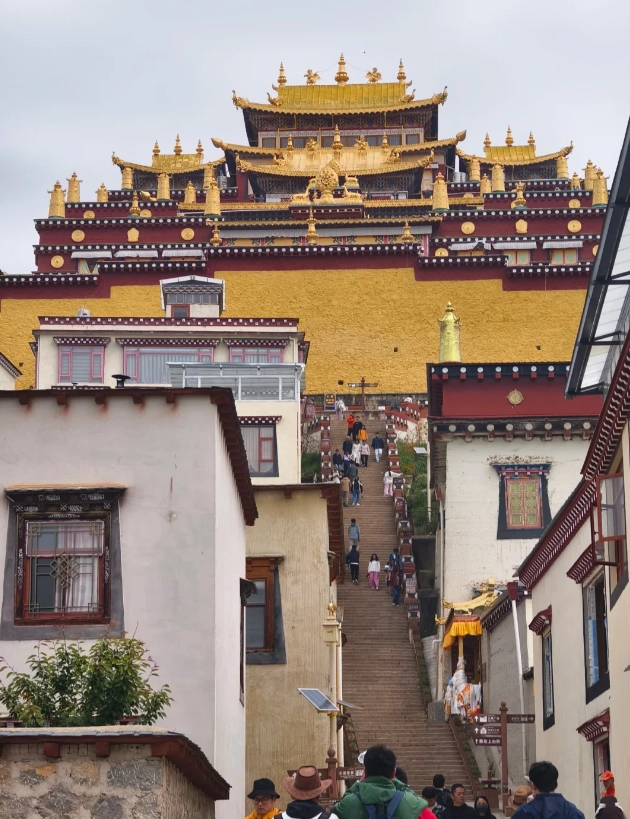
Lunch at Napa Lake (Yila Grassland)
After exiting Potatso around 12:30pm, drive 25 minutes to Napa Lake. Address: Napa Hai Nature Reserve (纳帕海). No entry fee — you pay for parking (10 RMB). There’s a row of local food stalls near the entrance. Get the “yiliang fen” (凉粉, cold jelly noodles) for 10 RMB — spicy and refreshing. Watch out for the horses: they roam freely and might try to steal your food. Cash only.
Afternoon: Horseback Ride or Lakeside Walk
If you’re up for it, rent a horse (100 RMB for 1 hour) and trot along the lake. The views of the snow-capped peaks in the background are postcard-perfect. No experience needed — the horses are gentle. Alternatively, walk the wooden plank path (1 km) to the observation tower. I personally prefer the walk because you can stop and photograph the black-necked cranes if you’re here in winter (November–March).
Pro tip for the drive back: Tell your driver to take the National Road 214 instead of the expressway — it winds through a scenic valley with prayer flags and small villages. You’ll be back in Old Town by 5pm, with time to grab a coffee and pack for your next destination.
Where to Stay in Shangri-La
I recommend choosing accommodation in or near Dukezong Old Town for convenience. Most hotels have stable Wi-Fi (though some throttle due to VPN detection), and staff can help book taxis. Here are three options I’ve personally vetted:
| Hotel Name | Distance to Old Town | Price per Night (Low/High Season) | Best For | Key Facility |
|---|---|---|---|---|
| Shangri-La Songtsam Lin | Inside Old Town | 600–1200 RMB | Couples, Luxury | English speaking, heater, hot water stable |
| Zi Wu Qing Shan Inn | 5-min walk | 250–500 RMB | Budget Solo, Backpackers | Free luggage storage, common room |
| Hilton Garden Inn Shangri-La | 10-min drive | 400–800 RMB | Families, Business | Gym, restaurant with Western options |
Note: Many hotels in Old Town lack elevators — if you have heavy luggage, ask for a ground floor room. Also, bring your own slippers; some budget inns offer only disposable ones.
Where to Eat: Local Favorites
- Mama’s Tibetan Kitchen – Hotpot, cash, no English menu (see above for details)
- The Compass – Yak burger, international cards, English-speaking owner
- Napa Lake Food Stalls – Cold noodles, yak skewers, cash only
One more hidden gem: Xiao Tu Cafe on Cangshan Road. It’s a tiny place with 4 tables run by a Tibetan grandma. She makes the best butter tea (15 RMB) and a mean bowl of tsampa (roasted barley flour). No signage — look for the red door with a painted yak head. Google Maps won’t find it; search “小土咖啡馆” on Amap.
Frequently Asked Questions
Verified and fact-checked by the editorial team.






This was my third trip to Shangri-La, and it finally shook off the tourist layers. The two-day route balances the big sights with pockets of quiet I didn’t know existed — particularly the old tea-horse road section above Napa Lake. The views across the plateau were so clear I could see the snow peaks all the way to the north; I just sat there with a warm bottle of water and listened to the quiet. The advice to arrive at Songzanlin at opening time is spot-on. I’ve already sent the link to three friends. If you’re tired of being herded around, this is the itinerary.
I usually avoid day-by-day articles because I hate being told what to do, but this one felt more like a friend’s recommendation. The best part was the short detour to the white pagoda before sunset — no one else was there, just the sound of wind through the prayer flags and a few local grandmas spinning the kora. Day two’s walk through the back lanes of Dukezong, away from the shopfronts, was magical. I probably took 200 photos of moss-covered roofs. Only tiny issue: the public bus times in the article seemed a little optimistic; give yourself a buffer. Still, five stars from me.
This itinerary absolutely nailed it. My partner and I followed it down to the hour, and we had the prayer hall at Songzanlin almost to ourselves — the smell of yak butter candles mixed with cold pine air is something I’ll never forget. The golden roof glowed at sunrise exactly like the guide promised. The track around Napa Lake was peaceful, and we stopped for the most amazing butter tea in a tiny lakeside shack that definitely wasn’t on any other tour route. If you want the classic Shangri-La beauty without the busloads of selfie sticks, use this. Genuinely the best two days I’ve spent in Yunnan.
Solid two days for sure. I loved that it said to skip the main Pudacuo boardwalk and take the side trail along the creek — cypress and pine smell was incredible, and we only passed three other people until lunch. The only reason I’m not giving 5 stars is the second day felt slightly rushed around Dukezong Old Town; I wanted more time sitting in a teahouse watching the rooftops. But overall, well-paced, clear directions, and the tip about entering Songzanlin before 8:30 really works. I’d recommend it to friends who like quiet mornings.
I really wanted to love this itinerary, and parts of it worked. The early start at Songzanlin got us in before the worst of the tour groups, but by 9:30 the courtyard was shoulder-to-shoulder anyway. Napa Lake was beautiful, though our taxi driver claimed the 'private viewpoint' in the guide didn't exist and tried to upcharge us. Dukezong at night was lovely, but the whole day felt a bit disjointed. Maybe I had too-high expectations after all the buzz. It’s not a bad plan, just not the crowd-free miracle I hoped for.