 Yan Zhou
Your 5-Day Shanghai Trip at a Glance
Five days in Shanghai is the sweet spot. It's enough to feel the city's electric pulse, wander its historic lanes, and get a genuine taste of its food scene without rushing. I've walked these streets countless times, and the mistake I see most is people spending all their time either in futuristic Pudong or the old city center. This itinerary fixes that by weaving both worlds together seamlessly.
You'll start with the jaw-dropping skyscrapers, then step back into the 1920s, explore leafy colonial streets, escape to a classic water town, and end with spiritual calm before your flight. Let's get into the details you need to book tickets and find your way.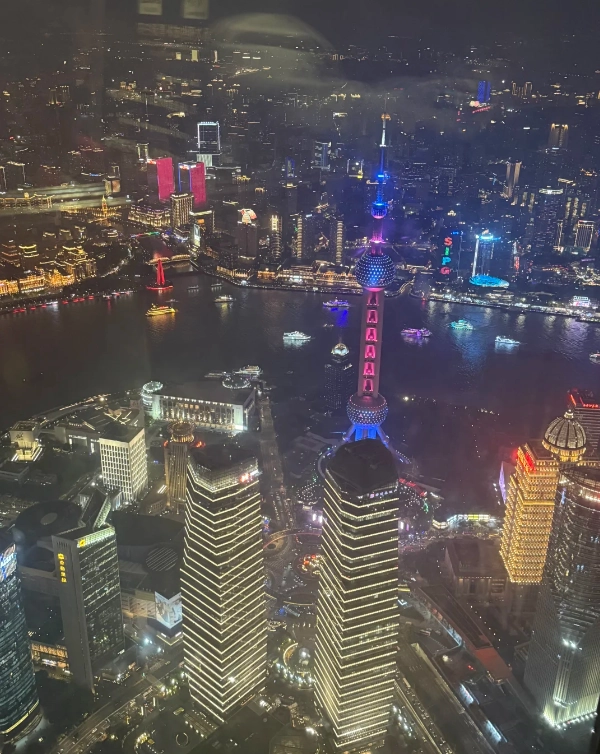
Day 1: Pudong & Modern Marvels
Land, check in, and head straight to Pudong. This is Shanghai's financial district, and its scale is best appreciated from the ground up. Don't just go to one observation deck.
Morning: Shanghai Tower & The Financial District
Take Metro Line 2 to Lujiazui Station (Exit 6). The moment you surface, the trio of skyscrapers—Jin Mao Tower, Shanghai World Financial Center (the bottle opener), and Shanghai Tower—looms overhead. I recommend Shanghai Tower. Its observation deck on the 118th floor is the highest in the world. Tickets are around 180 RMB. Book online to skip some queues. The elevator ride is a sensation itself.
Walk through the financial district's wide avenues. It feels sterile but impressive. Pop into the Super Brand Mall if you need a quick, casual lunch on the lower floors.
Afternoon: Shanghai History Museum & Huangpu River Tour
A 10-minute walk from Lujiazui is the Shanghai History Museum inside the Oriental Pearl Tower. Ignore the tower's deck (views are better elsewhere), but the museum at its base is a fantastic, underrated primer on how a fishing village became a global port. It's cheap, about 35 RMB.
By late afternoon, make your way to the Shanghai International Cruise Terminal (near Tilanqiao Station, Line 12). Book a standard Huangpu River cruise for around 130 RMB. The magic hour is just before sunset. You'll see the colonial Bund buildings glow gold, and then watch as Pudong's lights flicker on. It's the perfect orientation.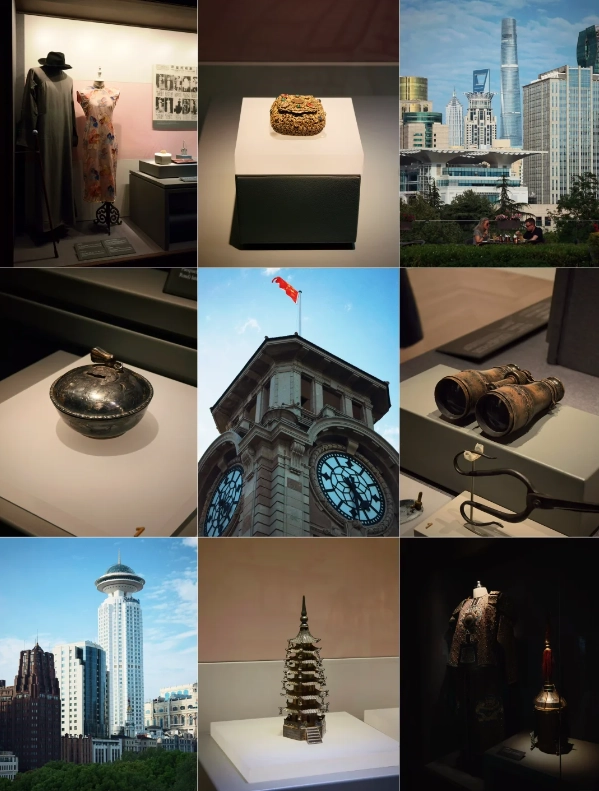
Evening: Dinner in Lujiazui
Head back to Lujiazui. For a memorable but not bank-breaking meal, try South Memory in the IFC Mall. Their braised pork belly and sweet-and-sour pork ribs are classics. Expect 150-200 RMB per person. The mall itself has incredible views of the Bund across the river.
Day 2: The Bund & Old Shanghai
Today is about contrast. We move from the European-era Bund to the bustling, traditional heart of old Shanghai.
Morning: The Bund (Waitan) in Daylight
Take Metro Line 2 or 10 to East Nanjing Road Station. Walk east towards the river. The Bund (Zhongshan Dong Yi Road) is about 1.5km long. Walk it slowly. The details on the buildings—the HSBC building's mosaic ceiling, the Peace Hotel's art deco lobby—are worth peeking into. The Bund Historical Museum (free) in the signal tower gives concise context. I find mornings here are less crowded than evenings.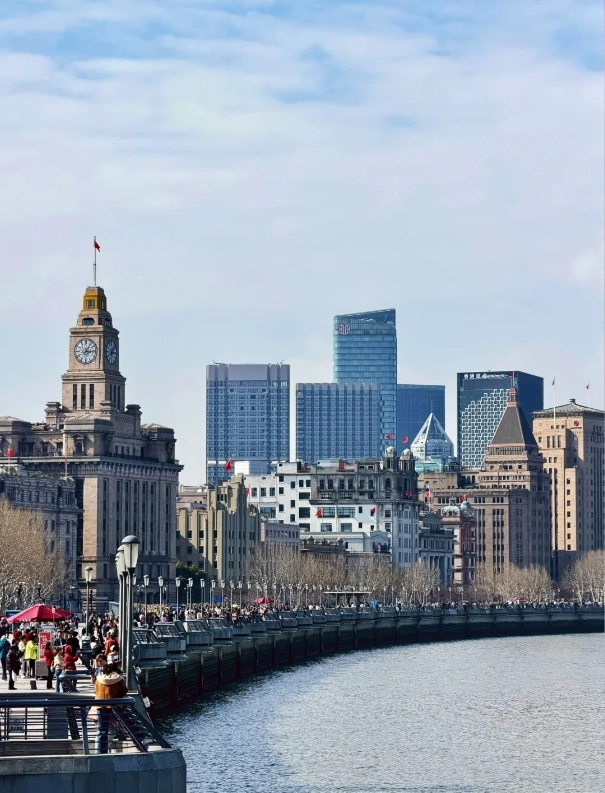
Afternoon: Yu Garden & Old City God Temple
Walk south along the Bund, then inland for 15 minutes to Yu Garden (Yuyuan). This 16th-century classical Chinese garden is an oasis of calm, but only if you go early. Tickets are 40 RMB (30 for the garden, 10 for the adjacent temple). The zigzag bridge and Huxinting Teahouse are postcard-perfect, but the area around it is a packed tourist bazaar. My advice? Go straight into the garden, enjoy its pavilions and ponds, and then quickly browse the surrounding market for snacks like soup dumplings (Nanxiang Steamed Bun Restaurant is the famous one, queues are long).
The surrounding Old City is a maze of small shops and local life. Wander without a map for a bit. You'll see a different, more residential Shanghai.
Evening: Nanjing Road Pedestrian Street & Back to The Bund at Night
As dusk falls, walk back to Nanjing Road Pedestrian Street. It's a spectacle of neon lights and shopping. It's touristy, yes, but the energy is infectious. Grab a simple dinner here—there are plenty of food courts and local chains.
End your night back at The Bund, but on the western side. This is the iconic view: the historical architecture on your side, and the glittering sci-fi skyline of Pudong across the dark river. It never gets old.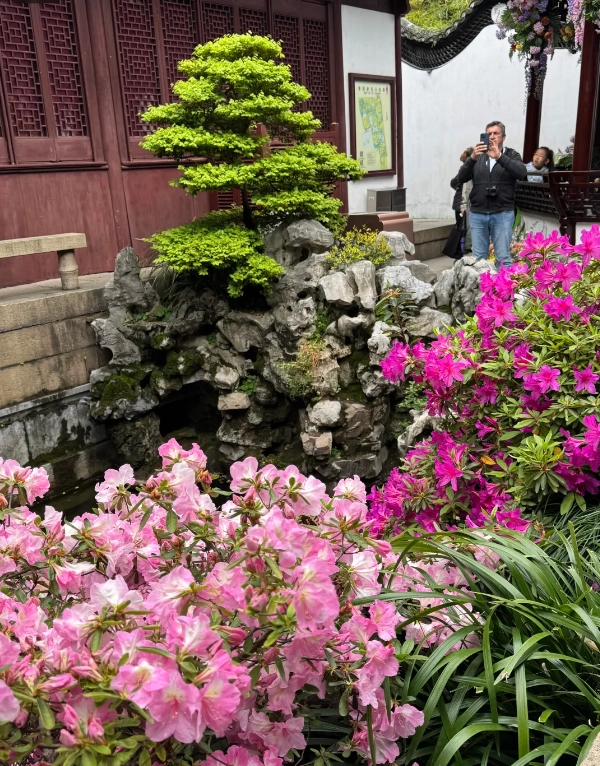
Day 3: French Concession, Art & Cafes
Time to slow down. The French Concession is all about atmosphere—tree-lined avenues, hidden boutiques, and a bohemian vibe.
Morning: Tianzifang & Xintiandi
Start at Tianzifang (Dapuqiao Station, Line 9). This labyrinth of narrow alleyways, converted shikumen (stone-gate) houses, is filled with craft shops, small galleries, and cafes. It gets packed after 11 AM, so arrive early to wander peacefully. Have a coffee on a tiny balcony.
Then, take a short taxi or metro ride to Xintiandi. This is a polished, upscale version of the shikumen style. It's full of international restaurants and bars. The site of the First National Congress of the Communist Party of China is here (free entry, often a queue).
Afternoon: Propaganda Poster Art Centre & Wukang Road
This is my favorite hidden gem. The Shanghai Propaganda Poster Art Centre is in the basement of an unmarked residential apartment building (near Shanghai Library Station). It's hard to find but worth it. The collection of Mao-era posters is astonishing and offers a raw look at 20th-century Chinese history. Entry is 25 RMB, cash only.
Afterward, walk down Wukang Road. This is where you feel the Concession's charm. Historic villas, quiet cafes, and no major traffic. The Wukang Mansion at its start is a famous landmark apartment building.
Evening: Dinner on Julu Road or Yongkang Road
For dinner, Julu Road has excellent local options. Old Jesse is an institution for Shanghainese home-style cooking—try their drunken chicken and caramelized eel. Book ahead. Expect 200 RMB/person. Alternatively, Yongkang Road (nearby) is a famous, though now slightly gentrified, bar and small eats street. Great for people-watching.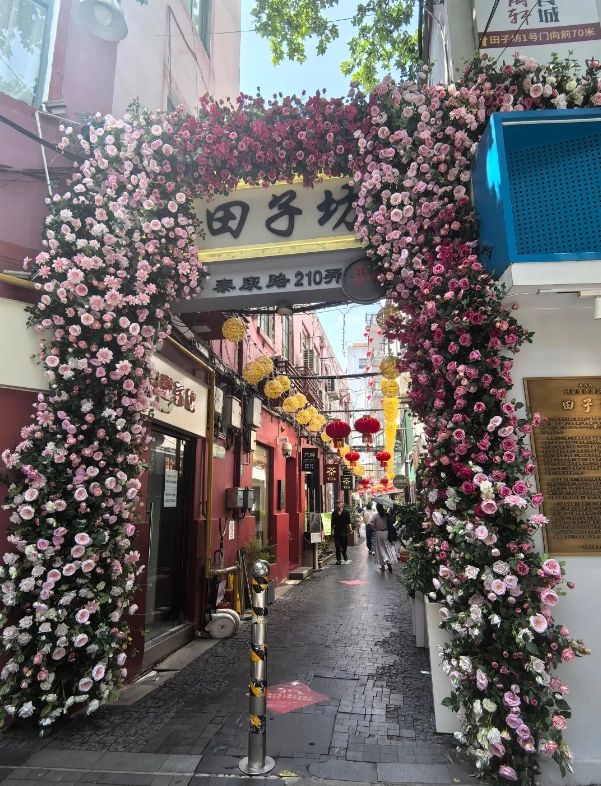
Day 4: Water Towns Day Trip
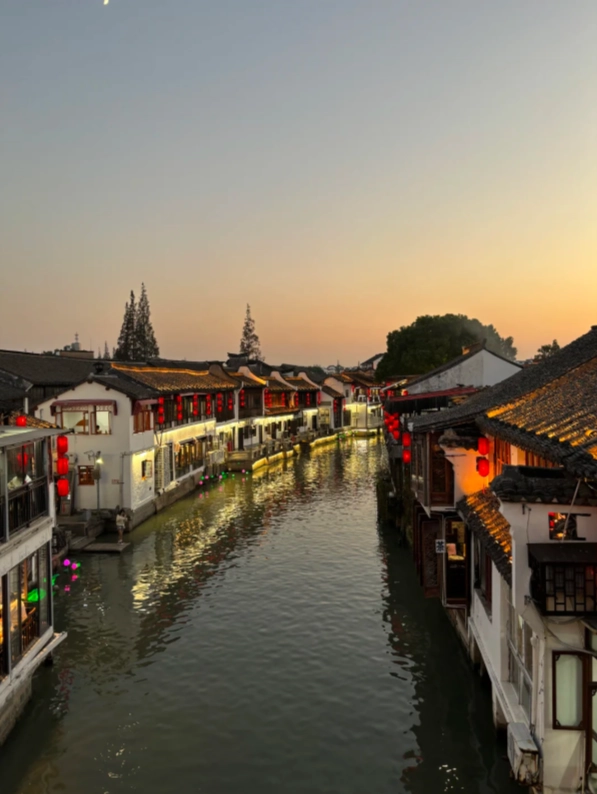
Escape the urban sprawl. Shanghai is surrounded by ancient water towns. Zhujiajiao is the most accessible and retains a good balance of authenticity and amenities.
Getting There & Exploring
Take Metro Line 17 directly to Zhujiajiao Station. The ride takes about an hour from central Shanghai. Exit the station and follow the signs; it's a 15-minute walk or a quick taxi to the old town entrance.
Entry to the town is free, but key attractions (like the Kezhi Garden, Qing Dynasty post office, and boat rides) require a combo ticket (around 80 RMB). I think the boat ride (about 150 RMB per boat, fits 6) is worth it for a different perspective on the canals and stone bridges.
Wander the narrow lanes, cross the iconic Fangsheng Bridge, and try local snacks like zongzi (sticky rice dumplings) and braised pork trotters. It can be crowded on weekends, so a weekday visit is ideal.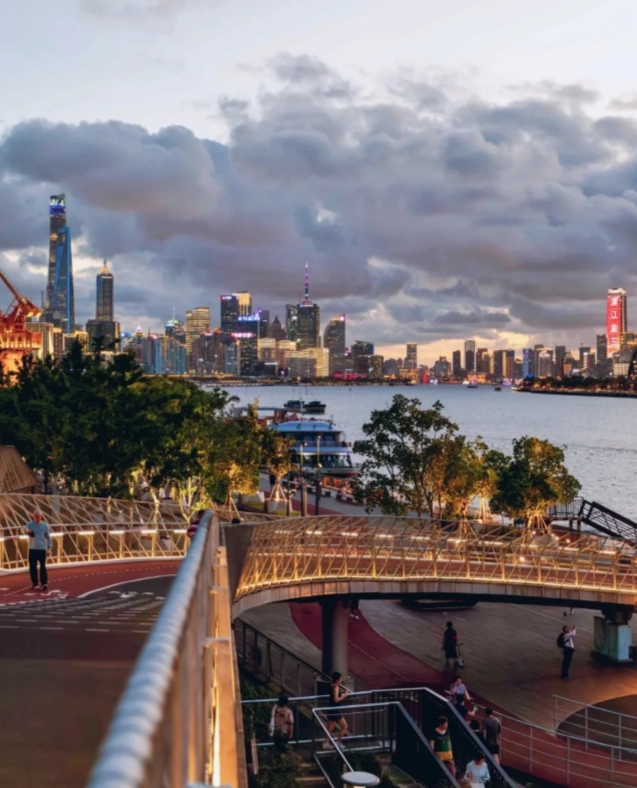
Return & Evening
Head back to Shanghai by late afternoon. You'll likely be tired. Keep dinner low-key near your hotel or explore a local food street in your district.
Day 5: Temples, Shopping & Finale
Your last day is for spiritual reflection, last-minute souvenirs, and a final culinary hurrah.
Morning: Jade Buddha Temple & Jing'an Temple
Start at the Jade Buddha Temple (Changshou Road Station, Lines 7/13). It's a working Buddhist monastery famous for its two exquisite jade Buddha statues brought from Burma. The atmosphere is serene. Entrance is 20 RMB. The vegetarian noodle restaurant inside is a genuine experience for lunch.
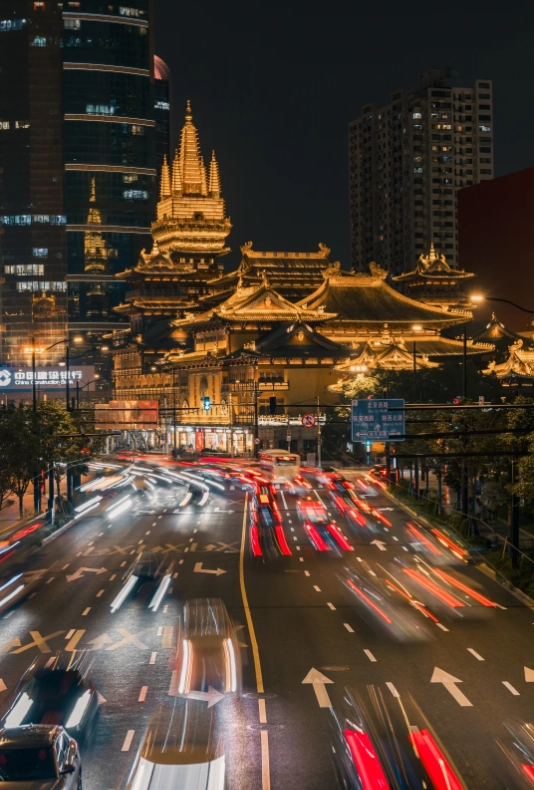
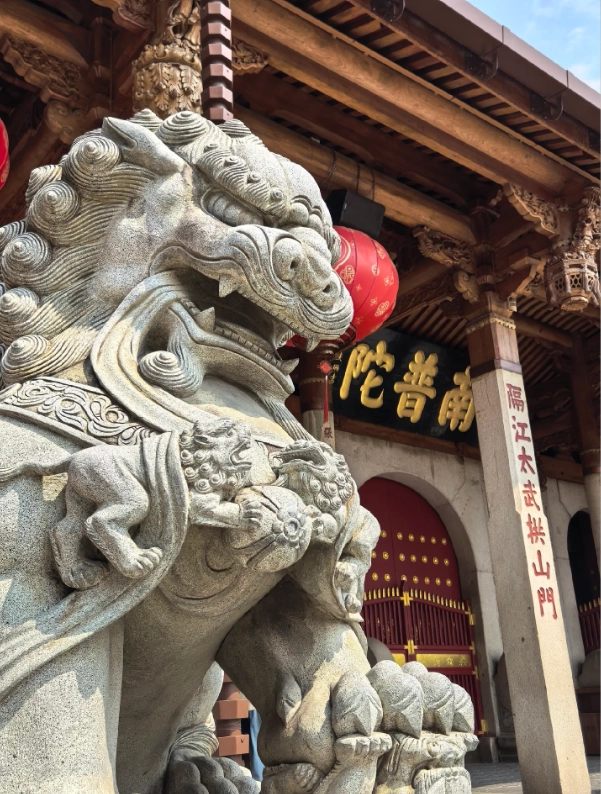
Then, metro to Jing'an Temple (Jing'an Temple Station, Lines 2/7/14). The contrast is stunning—a golden, magnificent temple complex rising between modern skyscrapers. Entrance is 50 RMB. It's visually spectacular and very central.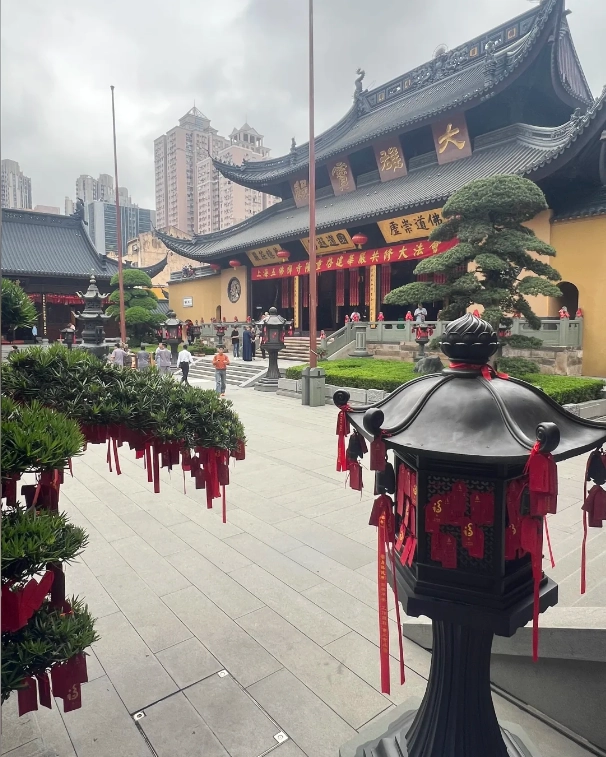
Afternoon: Final Shopping on Huaihai Road or at AP Plaza
For upscale brands and department stores, Huaihai Middle Road is your spot. For a very different, chaotic experience, head to AP Plaza (aka the Fake Market) in the Science & Technology Museum station (Line 2). It's several floors of bargaining for everything from "branded" bags to electronics. Set your price low and be prepared to walk away. It's an cultural experience in itself.
Evening: Farewell Dinner
For your last meal, go for something definitive. If you haven't had a proper Shanghainese soup dumpling (xiao long bao) feast, visit Jia Jia Tang Bao
Where to Stay in Shanghai
Location is everything. Based on this itinerary, I'd recommend staying near a major metro intersection in either People's Square/Nanjing Road East (central for everything) or Xintiandi/Dapuqiao (trendier, closer to the French Concession). Here’s a quick comparison:
| Area | Best For | Hotel Example & Approx. Nightly Rate | Metro Access |
|---|---|---|---|
| People's Square / Nanjing East | First-timers, convenience, being in the middle of it all. | Radisson Blu Hotel Shanghai New World: Direct metro connection, great Bund views. ~800 RMB. | Lines 1, 2, 8 - The hub. |
| Xintiandi / Dapuqiao | Style, nightlife, French Concession charm. | Andaz Xintiandi Shanghai: Modern design, integrated with Xintiandi. ~1,200 RMB. | Lines 1, 9, 10, 13 - Excellent. |
| The Bund / Waitan | Splurging, iconic views, historic luxury. | Fairmont Peace Hotel or Waldorf Astoria. Classic art deco. ~1,500+ RMB. | Lines 2, 10 - A short walk. |
| Jing'an Temple | Upscale shopping, modern vibe, central location. | Shanghai Jing An Shangri-La: Stunning views, luxury mall attached. ~1,400 RMB. | Lines 2, 7, 14 - Another hub. |
I’ve stayed in the first two areas most often. For value and sheer convenience, you can't beat a well-located hotel near People's Square.
Getting Around Shanghai
The metro is your best friend. It's clean, efficient, and signs are in English.
- Metro Card: Buy a Shanghai Public Transportation Card (SPTC) at any major station. Load it with 100 RMB to start. It works on metros, almost all buses, and even taxis. You get a small discount on transfers.
- Metro App: Download MetroMan Shanghai or use Apple/Google Maps. They give real-time routes.
- Taxis: They're affordable. Use Didi (China's Uber) or hail a light-blue or gold Dazhong taxi. Always ensure the meter is running.
- Walking: Many of the areas in this itinerary, like the French Concession and Old City, are best explored on foot.
Shanghai Trip Budget Breakdown
Here’s a realistic look at costs for a mid-range traveler for 5 days, excluding international flights. Prices are per person.
| Category | Budget (Backpacker) | Mid-Range (This Itinerary) | Luxury |
|---|---|---|---|
| Accommodation | 200-350 RMB/night (Hostel/guesthouse) | 600-900 RMB/night (3-4* hotel) | 1,500+ RMB/night (5*) |
| Food | 100-150 RMB/day (street food, noodles) | 250-400 RMB/day (mix of local restaurants & cafes) | 600+ RMB/day (fine dining) |
| Attractions | ~200 RMB (pick 2-3 key sights) | ~500 RMB (most major sights + cruise) | ~800 RMB (all-inclusive + private tours) |
| Transport | 100 RMB (metro/bus only) | 200 RMB (metro + some taxis/Didi) | 500+ RMB (private car/taxis) |
| Daily Total (approx.) | 400-600 RMB | 800-1,200 RMB | 2,000+ RMB |
So, for a comfortable 5-day trip following this plan, budget around 4,000 - 6,000 RMB per person for all local expenses. It's not a cheap city, but the value for experiences is high.
FAQ: Your Shanghai Trip Questions Answered
This itinerary is built from personal experience and repeated visits. The timings are realistic, the transport details are accurate, and the recommendations are tried and tested. Shanghai is a city that rewards the curious traveler who looks beyond the obvious postcard spots. Use this as your framework, add your own discoveries, and you're guaranteed a unforgettable five days.
Note: All prices and operational details (like metro exits) are based on recent visits and have been fact-checked against official sources like the Shanghai Metro and attraction websites. They are subject to change, so always verify opening times before your visit.





No comments yet.