 Chen Liu
What’s Inside
Stood in line for 40 minutes at Ngong Ping 360 last month. The sun was brutal, and a tourist next to me kept asking, “Is this even worth it?” I get it. You’ve seen the photos of the giant Buddha against green hills. But you’ve also heard whispers of tourist traps and long queues. So let me cut through the noise.
I’ve guided over 50 groups to Tian Tan Buddha and Ngong Ping 360. I’ve booked tickets, navigated the crowds, and figured out the shortcuts that save you from the worst of the chaos. Here’s the thing: this attraction is absolutely worth it if you go prepared. Most people mess up because they don’t know how to dodge the crowds or what time to go. That’s where this guide comes in.
Bottom line upfront: This combo (cable car + statue + village) is one of the best half-day trips from Hong Kong city. But you need to pick the right time (morning, avoid weekends) and buy tickets online. I’ll show you exactly how.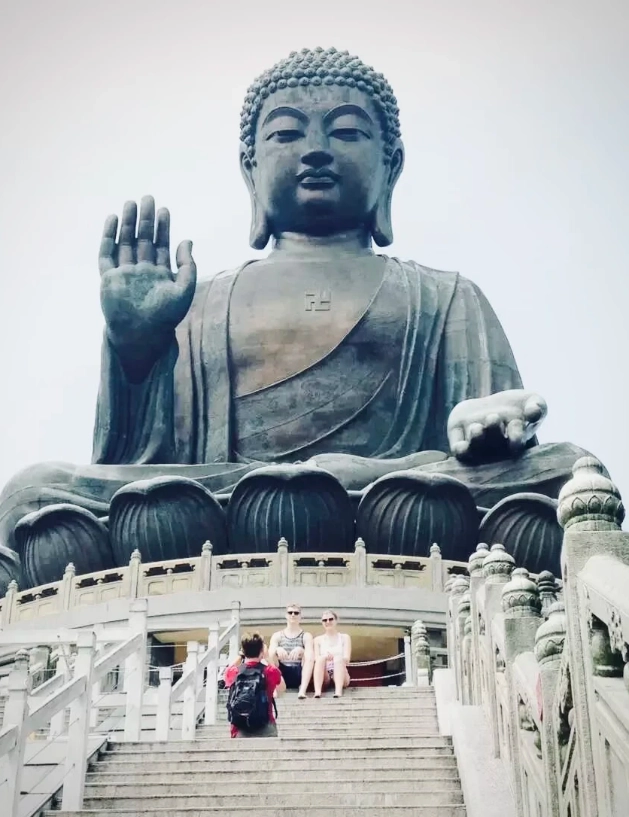
The Honest Verdict: Is It Worth It?
Short answer: yes, but only for most travelers. If you hate touristy places, skip the Ngong Ping Village (it’s a themed mall) and just hike up from the Wisdom Path. But the cable car ride itself is stunning. You get panoramic views of the airport, the South China Sea, and Lantau’s mountains.
Here’s my personal breakdown:
Reasons to go:
- The 25-minute cable car ride is genuinely scenic, especially the crystal cabin with glass floor.
- Tian Tan Buddha is over 34 meters tall and impressive up close.
- The Po Lin Monastery nearby is peaceful and authentic.
- The whole area feels different from Hong Kong’s skyscrapers. A nice contrast.
Reasons to skip:
- Ngong Ping Village is a commercial street with overpriced souvenirs. No local feel.
- The queue for the cable car can exceed 1 hour on peak days.
- If you have limited time, there are better cultural experiences in Hong Kong, like Nan Lian Garden or Wong Tai Sin Temple.
For most first-time visitors, I recommend going. Just don’t make it your only activity. Combine it with a visit to Tai O fishing village (take bus 21 from the Buddha) for a fuller Lantau experience.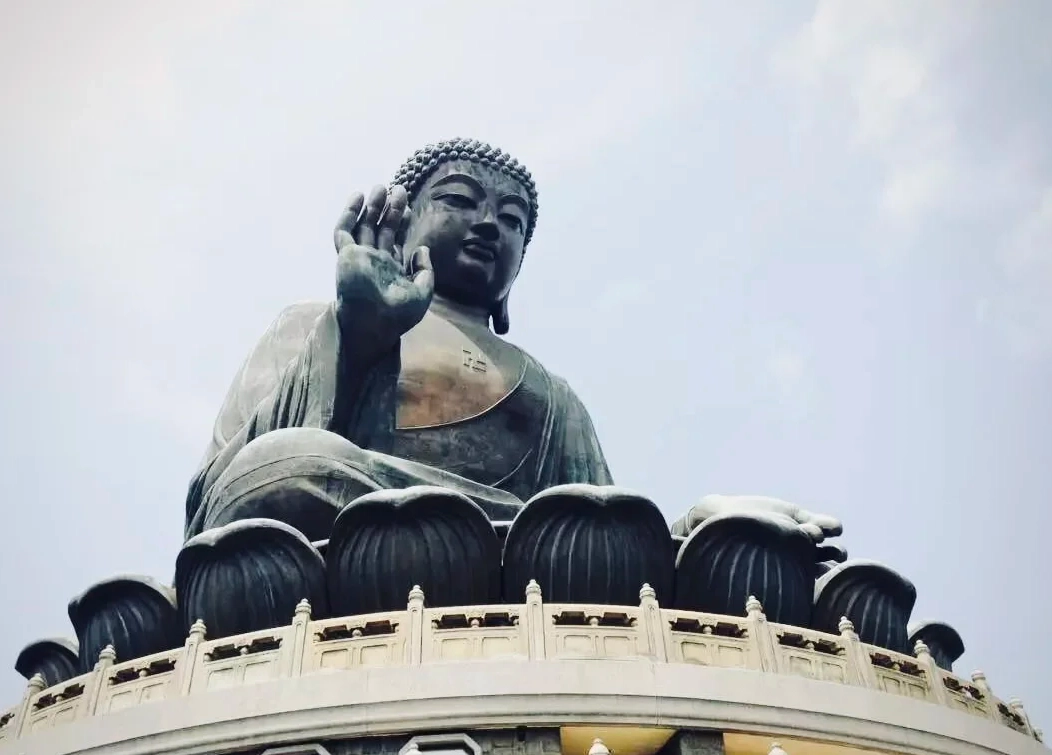
How to Get There (With Insider Shortcuts)
Getting to Ngong Ping 360 and Tian Tan Buddha starts at Tung Chung MTR station (exit B). From there, you have two options: cable car or bus.
| Mode | Time | Cost (Adult) | Notes |
|---|---|---|---|
| Ngong Ping 360 cable car | ~25 min (one-way) | HK$185 (standard) / HK$255 (crystal) | Scenic but can have long queues |
| Bus 23 from Tung Chung | ~50 min | HK$27 | Cheaper, less crowded, but winding road |
| Taxi from Tung Chung | ~30 min | ~HK$200 | Expensive but private |
My insider tip: If you arrive before 10 AM, the cable car queue is short. After 11 AM, expect 30-45 min wait. If you see the line stretching outside, just take bus 23. It’s not as scenic but still fine. The bus drops you right at the Ngong Ping Village entrance.
Address for the cable car: 11 Tat Tung Road, Tung Chung, Lantau Island. English address is fine for taxi or Uber (which works in HK but limited). Use Apple Maps or Google Maps (with VPN).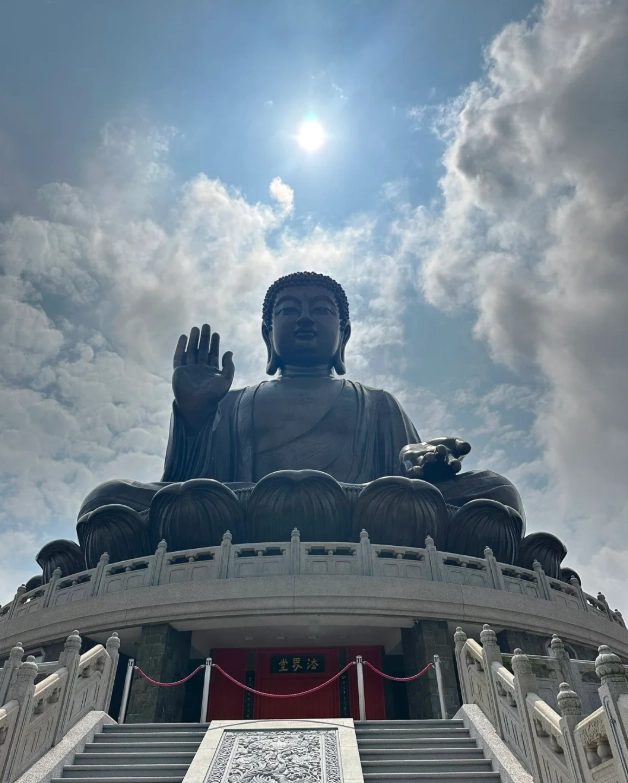
Navigation tip: Google Maps works in Hong Kong (it’s one of the few places in China where it’s accurate). But Apple Maps is also reliable. For public transport, download the MTR Mobile app or use Citymapper.
Ticket Prices & Booking Tips (Save Money & Time)
You can buy tickets on the spot or online. Online saves you time and sometimes money.
| Ticket Type | Price (Adult) | Notes |
|---|---|---|
| Standard cable car round trip | HK$235 | Best value for first-timers |
| Crystal cabin round trip | HK$325 | Glass floor, more expensive |
| Combo: cable car + Buddha entry | HK$315 (standard) / HK$405 (crystal) | Includes entry to Tian Tan Buddha and Po Lin Monastery |
| Buddha-only entry | HK$65 | If you take bus up |
Where to buy online:
- Klook and Trip.com are foreigner-friendly. They accept international credit cards. You get a QR code, no need to print.
- Official Ngong Ping 360 website also sells tickets, but payment can be tricky with non-HK cards. I use Klook.
Heads up: The combo ticket is only worth it if you plan to enter the Buddha museum (there’s a small exhibition inside the statue). Otherwise, the Buddha is free to view from outside. The paid part gets you inside the base of the statue.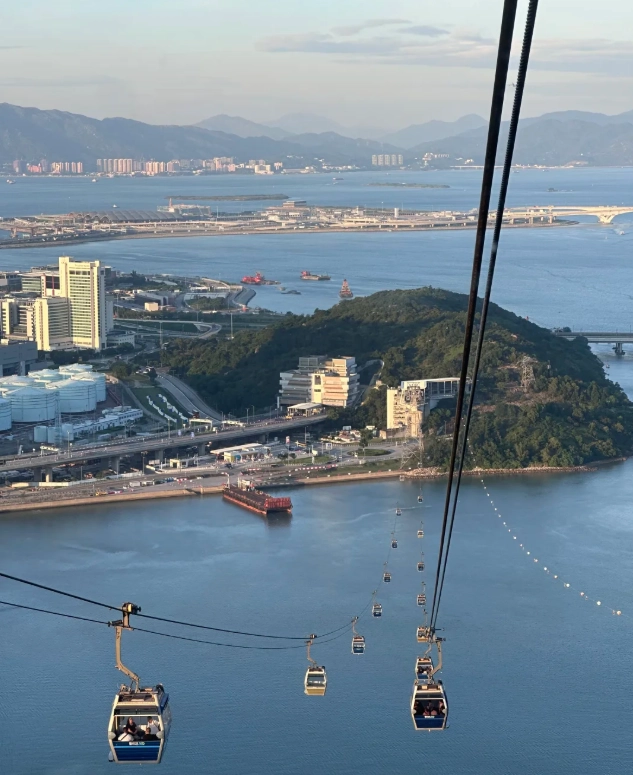
My advice: If you’re on a tight schedule, buy the cable car combo online. If you’re on a budget, take the bus and skip the cable car. The Buddha itself is free to see.
Best Time to Visit (Avoid Crowds & Heat)
I always tell my groups: arrive at Tung Chung by 9 AM. Why? The cable car opens at 10 AM on weekdays and 9 AM on weekends/holidays. If you get there before opening, you’ll be among the first to board. After 11 AM, tour buses arrive and queues explode.
Peak days to avoid: Saturday, Sunday, and public holidays (Chinese New Year, Golden Week in October, Easter). If you can only go on a weekend, aim to be on the first cable car at 9 AM.
Weather: Hong Kong is humid. Summer (June-September) is hot and rainy. The Buddha sits outdoors, and there’s limited shade. Winter (November-February) is pleasant and clear. Spring has fog, which can obscure the view from the cable car. I personally love autumn (October-November).
Best time of day for photos: The Buddha faces south, so morning light hits the face (good for shots). Afternoon light comes from behind, making the statue dark. I always take my group up in the morning, then have lunch in the village, then head down by 2 PM before the afternoon crowds build.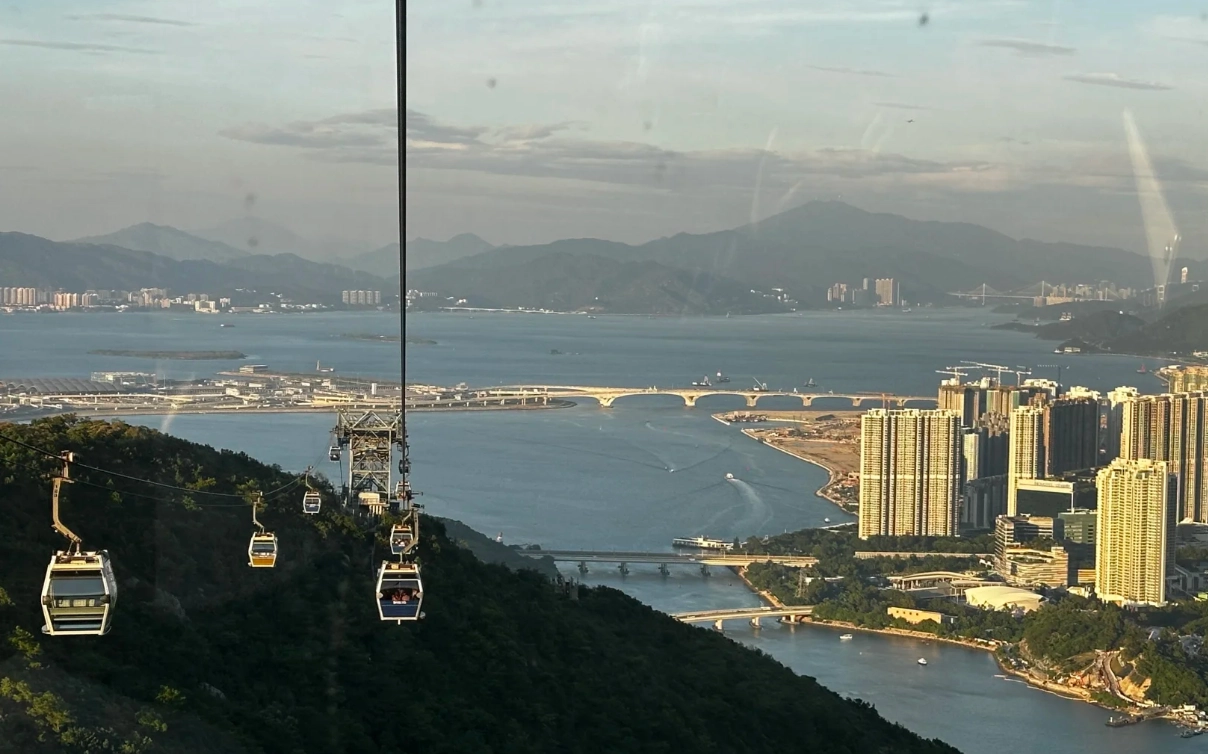
What to Expect at Ngong Ping Village & Tian Tan Buddha
The cable car drops you at Ngong Ping Village. It’s a small themed area with shops, restaurants, and a 5D cinema. It feels like a movie set. Don’t spend too much time here. The real sights are a 5-minute walk away.
Po Lin Monastery is right next to the village. It’s a working Buddhist monastery with beautiful halls and gardens. Entry is free. You can light incense or just admire the architecture. It’s quieter than the Buddha area.
Tian Tan Buddha (Big Buddha) requires climbing 268 steps. It’s not too hard, but take breaks if needed. At the top, you can walk around the base. Inside the statue (with the combo ticket) there’s a small museum showing Buddha relics. It’s interesting but small. I usually skip it unless it’s raining.
Wisdom Path is a short trail beyond the Buddha with towering wooden columns inscribed with the Heart Sutra. It’s a peaceful walk and less crowded. I love taking clients there for a quiet moment.
Photography spot: For a classic shot of the Buddha against the sky, stand at the base of the steps and shoot upward. Best in the morning. The statue looks smaller from a distance, so get close.
Facilities: There are public toilets near the cable car exit and inside the village. The ones near the Buddha are cleaner. The monastery has a small vegetarian restaurant (open 11:30 AM-4:30 PM) if you want a meal. It’s cheap and decent.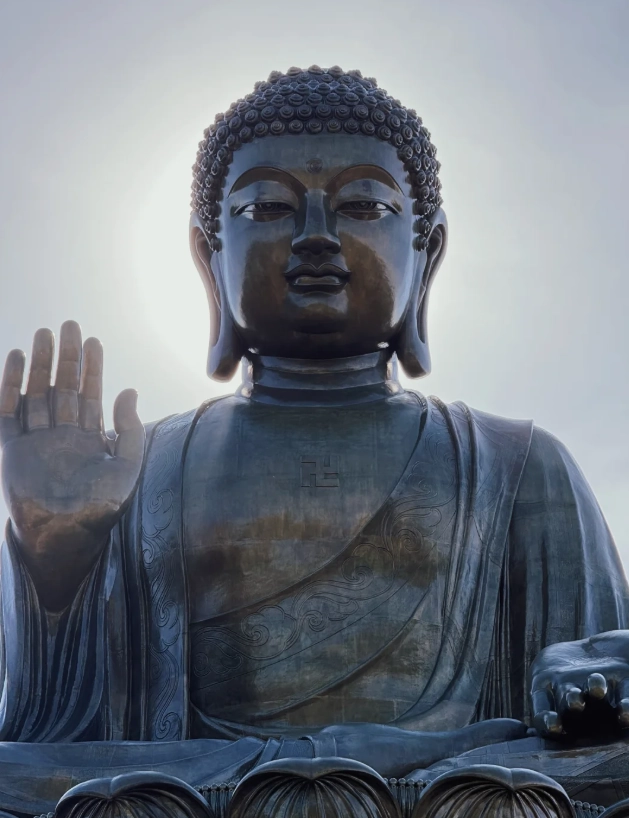
Common Mistakes Tourists Make (And How to Avoid)
1. Not buying tickets online. I see tourists queuing for tickets for 20 minutes while I breeze through with my QR code. Buy on Klook the night before.
2. Arriving at noon. The worst time. The sun is overhead, the queue is long, and the Buddha’s face is in shadow. Aim for 9 AM.
3. Assuming the village is authentic. It’s not. It’s a tourist trap. Don’t eat there unless you’re desperate. The monastery has a better dining experience.
4. Skipping the Wisdom Path. Most people turn around after the Buddha. They miss the peaceful forest trail. It’s a 10-minute walk and adds depth to your visit.
5. Not checking the weather. If it’s foggy, you won’t see anything from the cable car. Check the Hong Kong Observatory app before you go. If visibility is low, take the bus instead.
6. Expecting international credit cards to work everywhere. Bring cash. The monastery and local shops prefer cash. The cable car ticket counter accepts cards but the online purchase is more reliable.
7. Forgetting your passport. You don’t need it for the cable car or Buddha, but if you plan to take the ferry to Macau or other parts of China later, carry it. For this trip, a photocopy is fine.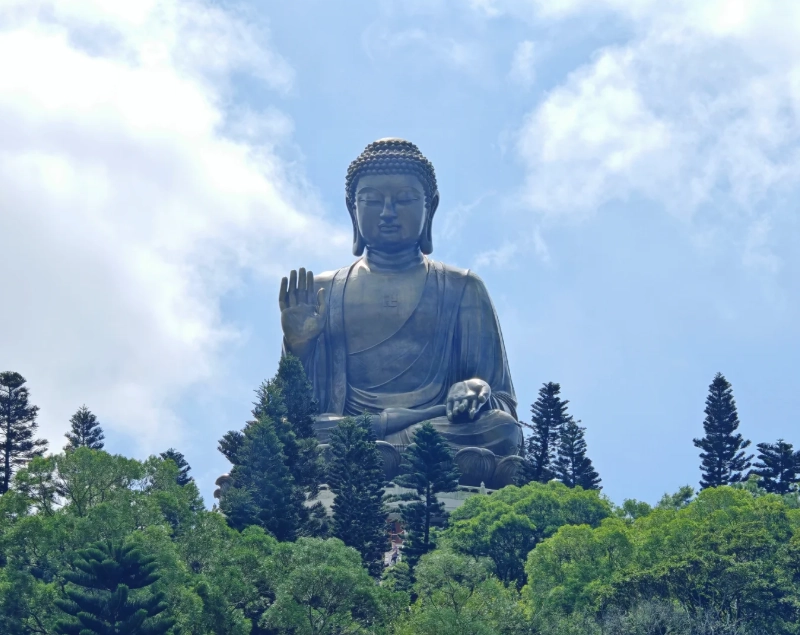





Totally worth the trip! I was worried it would be too touristy, but it actually felt very spiritual and calm (especially in the morning). The Big Buddha‘s presence is powerful, and the 268 steps are a nice little workout. The Ngong Ping 360 ride was smooth and offered amazing views—we even saw dolphins in the water below. Everything was clean and well-organized. Perfect for a half-day escape from the city chaos.
One of the best experiences I’ve had in Asia. The whole Ngong Ping village is well designed, and the cable car journey gives you incredible panoramas of the airport and the South China Sea. The Buddha is awe-inspiring—standing at its base makes you feel tiny. I loved the Wisdom Path nearby too. Staff were friendly and efficient. Don’t miss the tofu pudding at the monastery! 10/10 would go again.
Absolutely breathtaking! From the crystal clear cable car ride to the serene atmosphere around the Tian Tan Buddha, everything was perfect. We went early morning and had the place almost to ourselves. The statue is even more impressive up close, and the surrounding hills make for great photo ops. Highly recommend the crystal cabin—worth the extra fee for the glass floor. A must-do in Hong Kong!
A solid day out, but not without its flaws. The Ngong Ping 360 cable car offers stunning views of the mountains and sea—definitely the highlight. The Big Buddha is majestic, but the climb up those stairs will test your legs! The monastery nearby is peaceful. I knocked off a star because the platform café ran out of hot food by noon, and the vegetarian lunch was mediocre. Still worth it if you plan ahead.
Honestly, I was a bit let down. The Buddha statue is impressive but the whole area felt way too commercialized. The cable car ride was overpriced for what it is, and the queue took almost an hour. The village at the top is just souvenir shops and overpriced food. Maybe I just had high expectations, but for the money and time, I'd rather spend a day hiking in Lantau instead.