 Fang Wang
Let's get this out of the way first: Shanghai is expensive. The sky-high bars, the designer boutiques, the tasting menus that cost a month's rent. It's easy to think you need deep pockets to enjoy it. I thought so too when I first moved here. But after years of exploring every corner, I've learned that the city's soul isn't locked behind a price tag. The real Shanghai—the one with crumbling lane houses next to neon skyscrapers, the serene temples drowned out by traffic, the community squares where life unfolds—is almost always free to experience. This isn't a list of afterthoughts. These are the essential, no-cost experiences that form the backbone of understanding this chaotic, beautiful metropolis.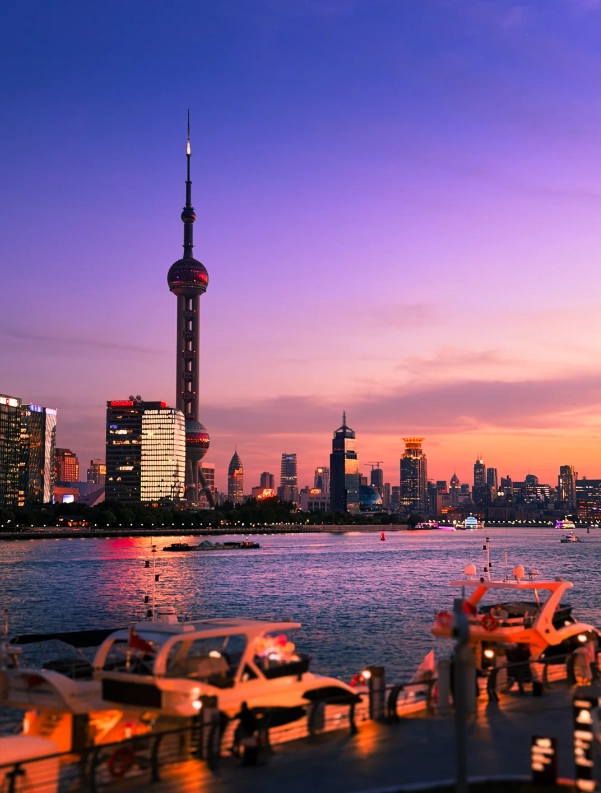
Your Free Shanghai Quick Guide
Iconic Waterfront Walks That Won't Cost a Penny
The Bund is the obvious start. Everyone goes, and for good reason. The colonial-era buildings on one side, the futuristic Pudong skyline on the other—it's a visual punch you can't get anywhere else. But most people make two mistakes. They only go at night for the lights (which are spectacular, granted), and they only walk the main elevated promenade.
My advice? Go just before sunset. Start at the Rockbund Art Museum end (near the intersection with Jinling Road). The light hits the old buildings perfectly, casting long shadows and turning the stone a warm gold. Walk slowly towards the Waibaidu Bridge. This is where you'll see the real magic: locals flying kites, couples taking wedding photos with the Pearl Tower in the background, elderly men practicing water calligraphy on the pavement with giant brushes. It's a living postcard, and it costs nothing.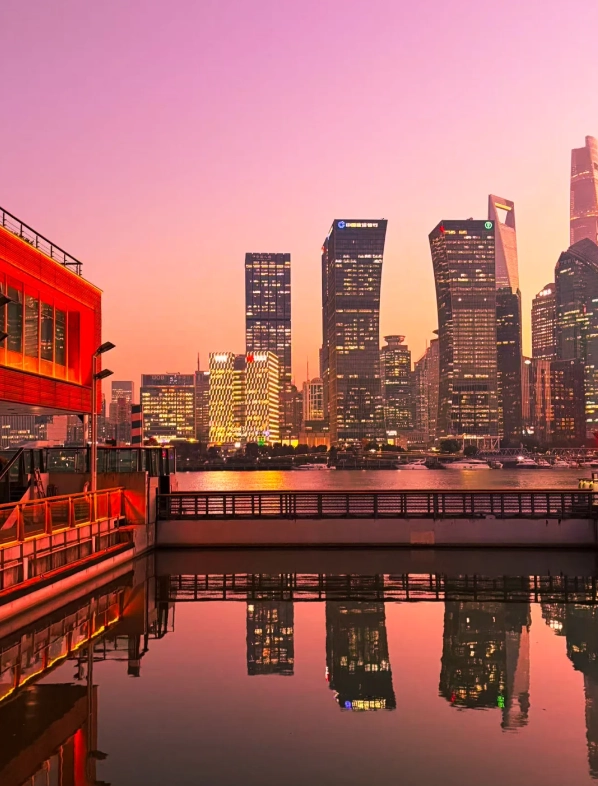
Getting There & Best Time: Take Metro Line 2 or 10 to East Nanjing Road Station. Walk east for about 10-15 minutes. The promenade is open 24/7. For a quieter experience, go on a weekday morning. For the full neon spectacle, go after 7 PM. The crowds are part of the experience, so don't fight them—lean in and observe.
For a different vibe, head to the West Bund. This is Shanghai's attempt at a cultural corridor, and they've nailed the public space. A long, uninterrupted riverside path stretches for kilometers, dotted with futuristic art installations, skate parks, and climbing walls. You can rent bikes, but walking is free. I often come here to watch the massive cargo ships glide silently down the Huangpu River, a stark contrast to the hyper-designed leisure around you. The Long Museum and West Bund Art Center often have free exhibitions in their public lobbies, so pop your head in.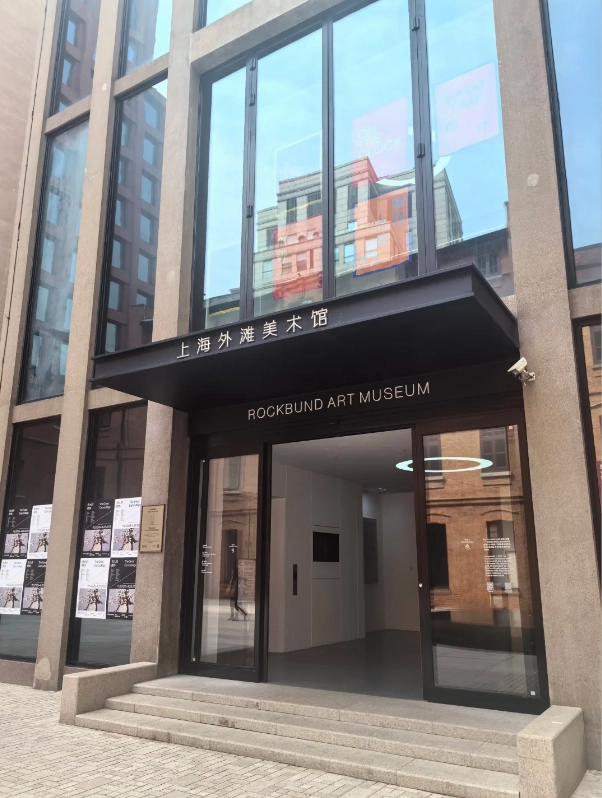
Diving into Cultural Heritage for Free
Shanghai's history isn't just in museums you pay for. It's etched into the streets and, thankfully, into several excellent free institutions.
The Shanghai Municipal History Museum is my top recommendation for anyone wanting a foundation. It's located in the base of the Pearl Tower in Pudong. Yes, you pay to go up the tower, but the museum downstairs is completely free. It uses dioramas, models, and artifacts to tell the story of Shanghai's transformation from a fishing village to a treaty port to the megacity it is today. It's engaging, well-lit, and provides context that makes everything else you see more meaningful.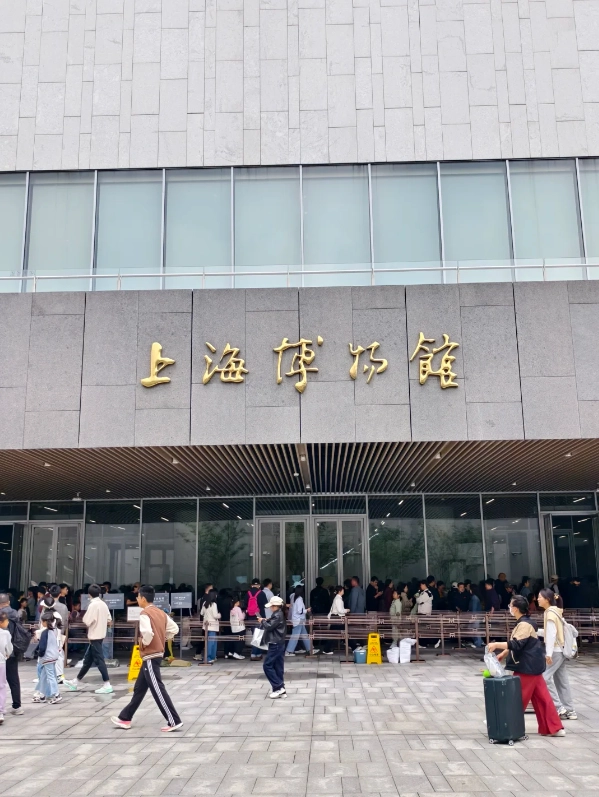
Pro-Tip: The museum can get busy with tour groups from the tower. Visit on a weekday afternoon for a more contemplative experience. Don't rush the section on the International Settlement and French Concession—it explains the city's unique architectural jumble.
For spiritual heritage, the Jing'an Temple is a stunning, golden-hued complex surrounded by skyscrapers. While there's an entrance fee to go into the main halls, you can experience a huge part of it for free. The outer courtyard and the view of the magnificent main hall from the square are completely accessible. The contrast of ancient Buddhist architecture against a backdrop of glass and steel is a uniquely Shanghai photo op. Stand there for a while and listen to the chanting mixing with the hum of city traffic.
Similarly, the Former French Concession is an open-air museum. Forget a map for an hour. Get lost on streets like Fuxing Road, Wukang Road, and Shaoxing Road. You'll pass art deco apartments, Spanish-style villas, and plane-tree-shaded lanes. Look for the blue heritage plaques on buildings. Peek through wrought-iron gates into hidden gardens. This area is best explored on foot, with no destination in mind. I've discovered countless tiny galleries, independent bookshops with free reading areas, and quiet cafes just by wandering.
Free Museum Hours You Should Know
Many of Shanghai's major museums offer free admission on specific days or times, a secret locals use. Planning around these can save you a fortune.
The Shanghai Museum (of ancient Chinese art) is always free, but you must book a timed-entry ticket online in advance, especially for weekends. Their official website is the most reliable source for bookings. The collection of bronzes and ceramics is world-class.
The China Art Museum (the giant red building from the 2010 Expo) also offers free general admission. It's massive, so focus on one or two exhibitions that interest you. The building itself, modeled after an ancient Chinese crown, is worth the trip.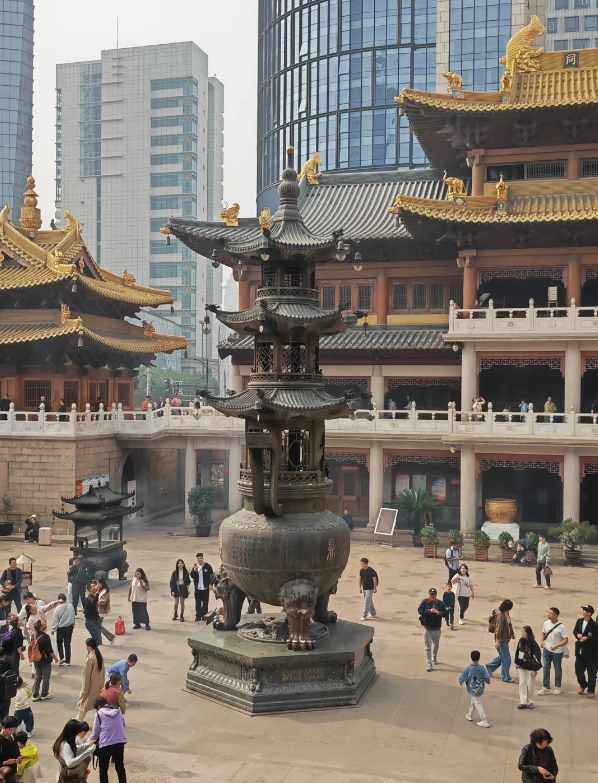
Green Escapes: Parks and Gardens as Urban Sanctuaries
Shanghai's parks are not just patches of grass; they are community hubs, performance spaces, and refuges from the urban density.
Fuxing Park in the former French Concession is a masterpiece of people-watching. Early mornings belong to ballroom dancers twirling to tango music, tai chi practitioners moving in silent unison, and choruses of retirees singing revolutionary songs. By afternoon, it's a mix of tourists, nannies with children, and locals playing intense games of Chinese chess. There's a small fee for the rose garden inside, but 95% of the park is free. Grab a bench and just watch life happen.
Century Park in Pudong is vast. You could spend half a day here. While there's a nominal entrance fee (about 10 RMB), I'm including it because the perimeter is entirely free and accessible. You can walk or cycle the full loop around the park on the public paths, enjoying views over the lakes and lawns without ever going through the turnstiles. It's a popular weekend route for families and fitness enthusiasts.
For something completely different, seek out Gongqing Forest Park. It's further out (take Line 8 to Nenjiang Road), but it feels like you've left the city. There are dense forests, wetlands, and open meadows. It's free, less manicured, and perfect for a proper nature fix. I go there when the skyscrapers start to feel oppressive.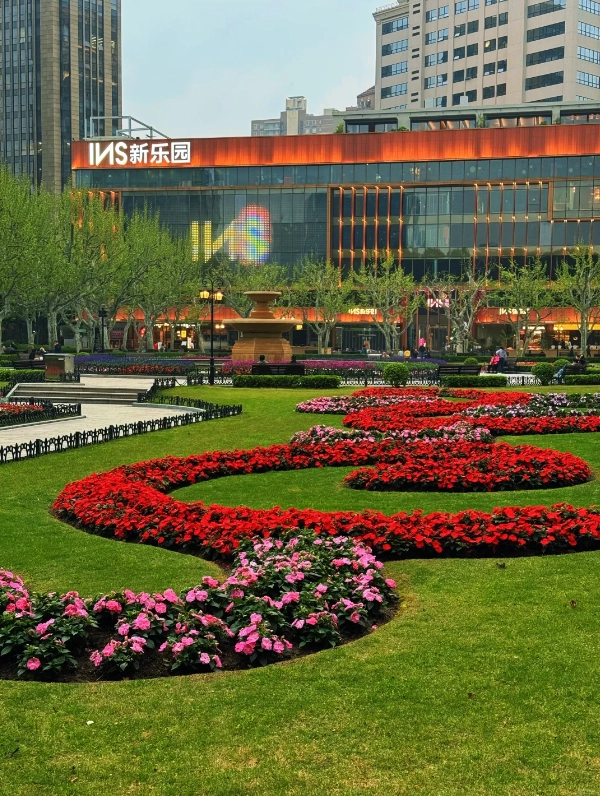
Art and Architecture in Unlikely Galleries
Shanghai's contemporary art scene is vibrant, and many commercial galleries have free admission. They rely on you falling in love with a piece and buying it, so they're happy to have you browse.
Cluster areas like M50 on Moganshan Road are perfect for a free art crawl. Dozens of galleries occupy a converted riverside factory complex. You can spend hours viewing cutting-edge Chinese contemporary art. Don't be shy about walking in; it's expected. The Tank Shanghai project, built in renovated aviation fuel tanks, also has free access to its impressive public spaces and often some free exhibitions.
Architecture itself is free art. The Lujiazui skyline in Pudong is best viewed from the across-the-river Bund, but for a close-up, walk the circular pedestrian overpass that connects the Jin Mao Tower, Shanghai World Financial Center, and the Shanghai Tower. You're walking among giants, and it's dizzying in the best way. The lobbies of these buildings are often architectural marvels themselves. The lobby of the Park Hyatt in the Shanghai World Financial Center, on the 87th floor, is a public space. You can't go to the bar without a reservation, but you can walk in, take in the breathtaking view from the sky lobby, and use the restroom with a multi-million-dollar view.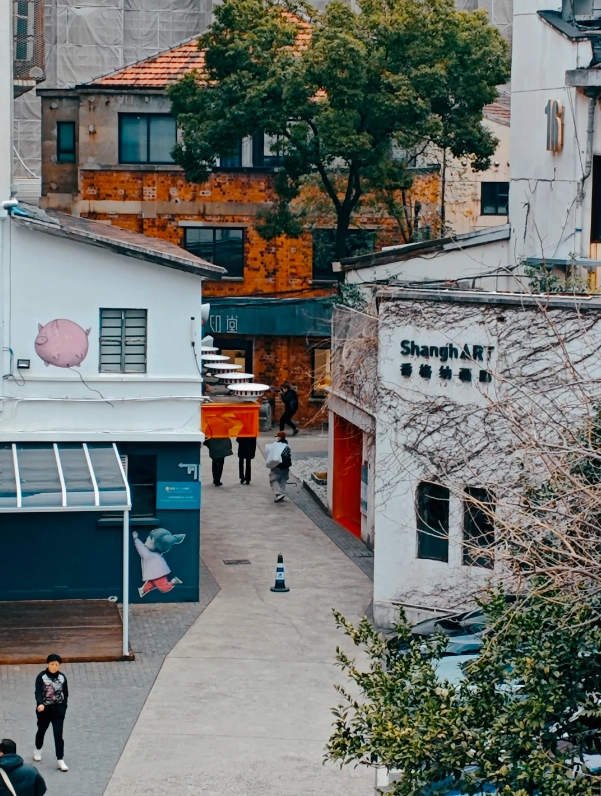
Neighborhood Immersion: The Best Free Walking Routes
This is where you move beyond sightseeing and into experiencing. Here are two curated walks I've designed and walked countless times with visiting friends.
The Old City & Yu Garden Perimeter Walk: Start at the Yuyuan Tourist Mart metro station (Line 10). Instead of paying to enter the crowded Yu Garden bazaar, walk along its outer walls on Fangbang Middle Road. You'll pass traditional tea houses, calligraphy shops, and snack stalls. Curve onto Old Street (Fangbang Road), which retains some older architecture. Your goal is the City God Temple area. The temple complex has an entrance fee, but the bustling square in front of it, with its incense clouds and food vendors, is free and wildly atmospheric. Continue to the Confucius Temple area—a quieter, scholarly oasis. The walk is a sensory overload in the best way.
The Literary & Quiet Concession Walk: Start at Shaoxing Road, known for its publishing houses and quiet, scholarly feel. Browse the free displays in the window of the Shanghai News Press building. Walk north onto Shaanxi South Road, then west onto Changle Road. Look for the hidden alleyways (called longtangs). If a gate is open, it's usually acceptable to peek in briefly to see the communal living. End at Changshu Road, where you'll find small design shops and cafes. This walk is about texture, quiet, and glimpsing the layered history beneath the modern surface.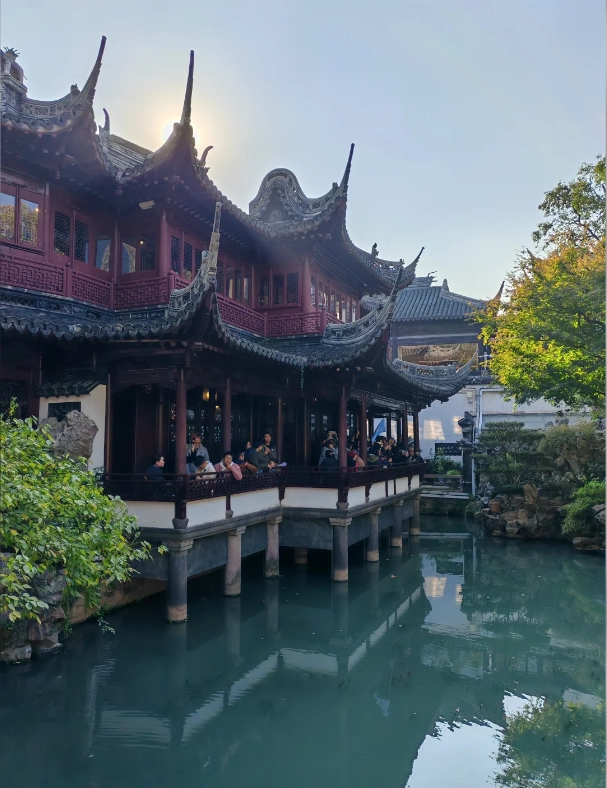
Your Free Shanghai Exploration Questions Answered
Is it really safe to walk around Shanghai's free attractions, like the Bund, at night?
Shanghai is one of the safest major cities I've lived in. The Bund and other major public areas are well-lit and patrolled. I've walked there alone at midnight and felt completely secure. The primary concern isn't personal safety, but watching your belongings in dense crowds. Keep your bag in front of you and be mindful of your phone in packed subway stations or on busy sidewalks.
What's the biggest mistake tourists make when looking for free things to do in Shanghai?
They stick too rigidly to a list. The magic is in the in-between spaces. The mistake is rushing from one "free spot" to the next without allowing for serendipity. The most memorable free experience might be watching a group of grandmothers exercise in a hidden neighborhood square, or stumbling upon a spontaneous piano performance in a subway station passageway. Build your free attractions into a loose framework, but leave time to wander off the line between them.
 Are the free museums as good as the paid ones?
They serve different purposes. The free museums, like the Shanghai Municipal History Museum, often provide the essential context and narrative backbone. The paid ones, like the Power Station of Art or the Rockbund Art Museum, typically feature rotating, often more avant-garde, special exhibitions. For a first-time visitor, the free museums are frequently more valuable because they help you understand what you're looking at in the city itself. The paid museums are for diving deeper into specific artistic movements.
How can I find out about temporary free events, like festivals or street performances?
Follow local English-language media like SmartShanghai or That's Shanghai. Their websites and social media regularly list free events, markets, and gallery openings. Also, check the websites of major cultural hubs like the West Bund or the Power Station of Art for their public program listings. Many community events in places like Ferguson Lane or the Foundry are free and promoted through these channels.
The real cost of experiencing Shanghai isn't monetary; it's time and attention. The free attractions aren't the B-list. They are the stage upon which the city's daily drama plays out. Paying gets you a closer seat or backstage access, but the show itself is free for anyone who cares to watch. Put away your wallet for a day, walk until your feet hurt, look up, look down alleyways, and you'll leave with a richer understanding of Shanghai than any ticket could ever provide.
This guide is based on personal, repeated experience living in and exploring Shanghai. All information regarding free access, museum policies, and public spaces has been fact-checked for accuracy as of my latest visits.





No comments yet.