 Chen Liu
What's Inside
I still remember my first day guiding a couple from Germany around Haikou. They'd booked a hotel near Qilou Old Street, excited to explore. But within an hour they were sweaty, lost, and frustrated — their credit cards didn't work at the bus stop, Google Maps showed a park that wasn't there, and they'd paid triple for a taxi. That's when I realized: a good guide doesn't just list sights; he shows you how to actually move through the city without wasting time or money.
This isn't another generic article. I'll walk you through the exact transportation options, the routes that save you 30% of your day, and the unspoken rules that only locals know. By the end, you'll know how to travel around Haikou like a savvy traveler — not a lost tourist.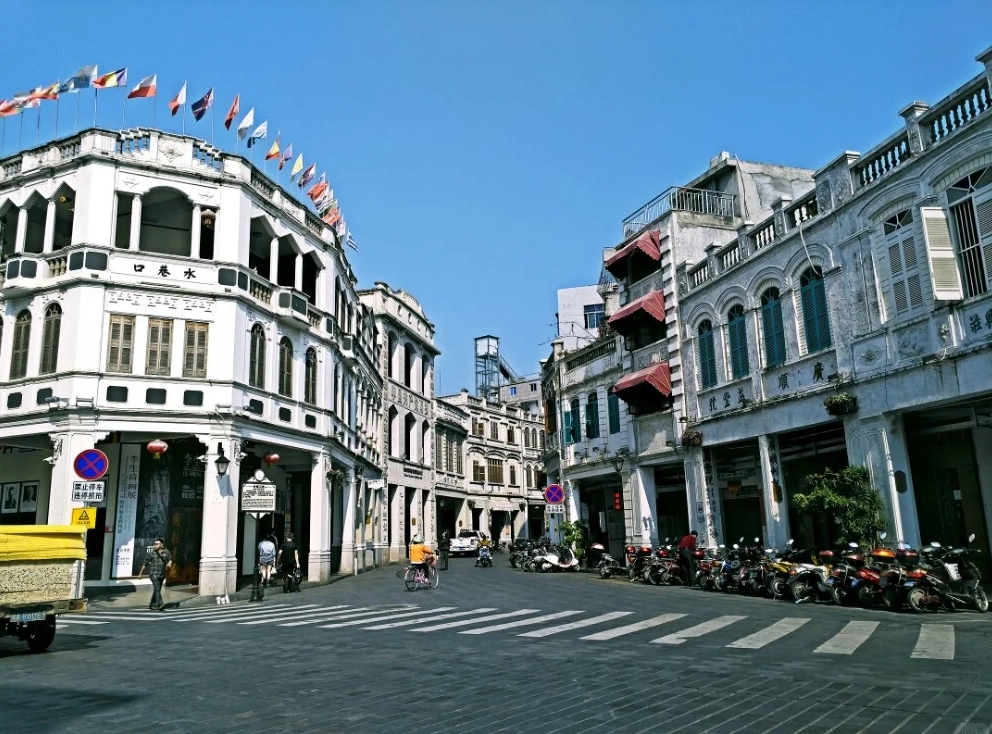
Best Ways to Get Around
Ride-Hailing: Your Best Friend
Forget taxis on the street. Use the Didi app (Chinese Uber) — it works with Alipay and English interface. I always tell my clients: never hail a cab near train stations or popular spots; they'll charge 50% more. Instead, walk 100 meters away from the entrance and order a Didi. Average fare within city center: 10–30 RMB. Always confirm the license plate — I've seen tourists get into the wrong car.
Buses: Cheap but Tricky
Haikou's bus system covers most attractions, but it's a maze for first-timers. Fares are only 1–2 RMB — insanely cheap. But here's the catch: you need a local transportation card or Alipay QR code. Most buses don't accept cash or foreign cards. The good news: the Haikou Tourist Bus Line 1 (观光1线) runs past major sights like Holiday Beach, Volcanic Park, and Qilou. Frequency: every 15 minutes. But don't rely on Google Maps for bus times — use the Didi Bus mini-program in WeChat (ask your hotel to help).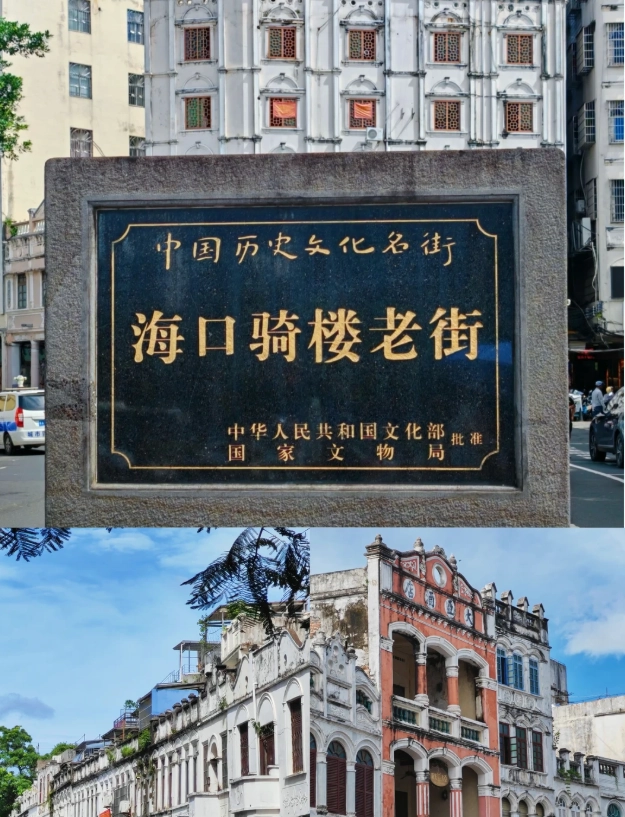
Bicycle & E-Scooter Rentals
Haikou is flat and bike-friendly. You'll see lime-green Mobike and blue HelloBike everywhere. Scan via Alipay (deposit 99 RMB, refundable). Rental: 1 RMB per 30 minutes. I love biking along the Binhai Avenue coastline — it's a 6-km scenic stretch perfect for sunset. Just avoid rush hours (8-9am, 5-7pm) when the bike lanes get clogged with e-scooters. And wear a helmet — I've seen too many scraped knees.
Attractions & Route Planning
Don't try to do everything. Pick 3 attractions per day max. I've seen tourists exhaust themselves hopping from Holiday Beach to Volcanic Park to Wugong Temple in one morning — it's 40 km apart! Here's my recommended 2-day route that balances cultural sights, nature, and food stops.
Day 1: Old Town & Coast
Morning: Start at Qilou Old Street (骑楼老街). Address: Zhongshan Road, Longhua District. Free entry, but the Haikou Qilou Museum (3 RMB) is worth it for air conditioning and history. Arrive before 9am to avoid crowds. Then walk to Dongmen Market (东门市场) to see local seafood (and smell it — brace yourself).
Lunch: Yipin Noodle House (一品面馆) at 22 Jiefang West Road. Their braised beef noodles (25 RMB) are my go-to. They accept Alipay only; no English menu, but just point at photos.
Afternoon: Take Didi to Holiday Beach (假日海滩). Fare: ~20 RMB. Entry free. Rent an umbrella for 50 RMB. Swim only in designated areas — the currents can be strong. Avoid the beach from 11am-3pm when the sun is brutal; I'd rather go at 4pm and stay for the sunset.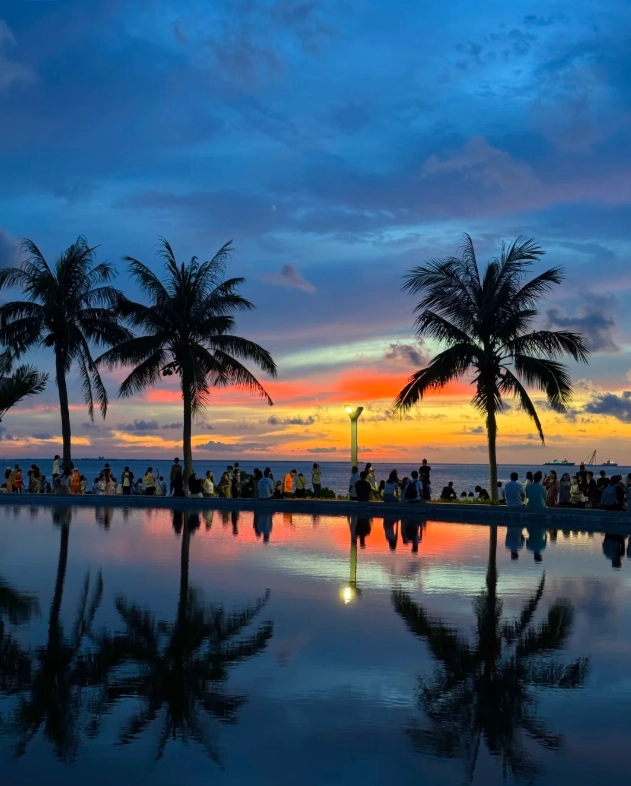
Day 2: Nature & Culture
Morning: Haikou Volcanic Cluster Global Geopark (火山群世界地质公园). Address: Xiuying District. Entry: 60 RMB (student discount available). Take Didi from downtown (40 min, ~50 RMB). Must pre-book on Klook or via WeChat mini-program (ask hotel to help). Bring water — there's lots of uphill walking. The crater viewpoint is stunning but windy. Avoid the stone steps after rain — they're slippery. I've twisted my ankle there.
Lunch: Wenchang Chicken Restaurant (文昌鸡) near the park gate. Local specialty: Wenchang chicken with coconut rice (65 RMB for a set). Very spicy version available on request.
Afternoon: Wugong Temple (五公祠) at 109 Haifu Road. Entry: 20 RMB. A peaceful Ming-dynasty complex with five statues of exiled officials. It's compact (1 hour max). Combine it with Haikou People's Park next door — free, and you'll see locals doing tai chi and playing mahjong.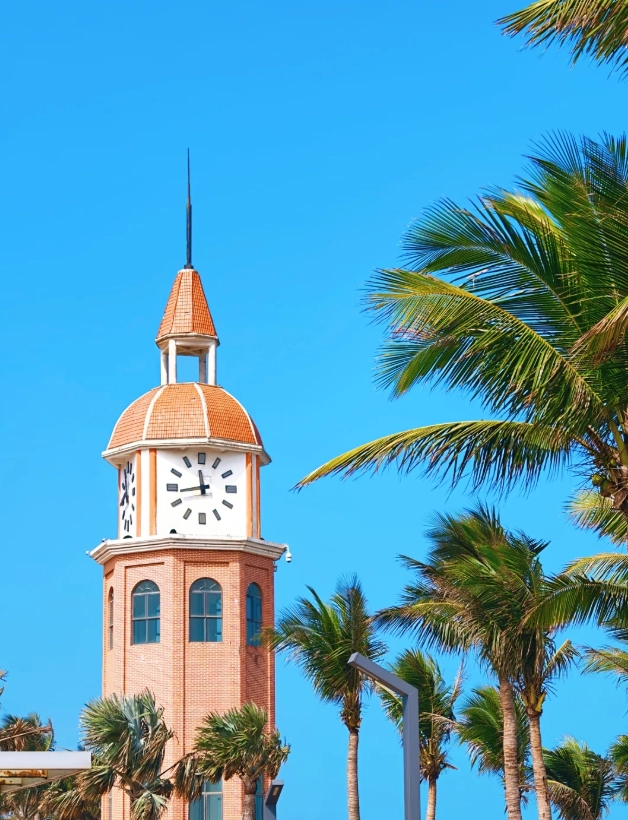
Where to Eat & Drink
Forget the fancy tourist restaurants near Qilou. I'll take you to places where locals actually queue.
| Restaurant | Specialty | Price (per person) | Address | Payment |
|---|---|---|---|---|
| Old Dad's Sugar Water (老爸糖水) | Coconut milk pudding, sweet potato soup | 8–15 RMB | 12 Xinhua North Road | Alipay / cash |
| Wenchang Chicken Stall No. 3 | Poached chicken with ginger sauce | 30–40 RMB | 27 Jiefang East Road | Only Alipay |
| Hainan Rice Noodles King (海南粉王) | Dry-mixed rice noodles with peanut and bean sprouts | 15–20 RMB | 45 Yusha Road | Alipay / WeChat |
| Minsheng Night Market (民生夜市) | Grilled oysters, fried spareribs, mango sticky rice | 50–80 RMB full meal | Minsheng Road, near Binhai Park | Mostly cash / Alipay |
Pro tip: Go to Minsheng Night Market around 7pm. The grilled oysters (20 RMB for 6) are a must. I always tell my clients: skip the first stall — they're tourist traps with inflated prices. Walk to the middle ones where the locals crowd. Bring small bills; some stalls don't accept digital payments. Also, the mango sticky rice from Auntie Li's cart (third row, left side) is better than any fancy dessert place.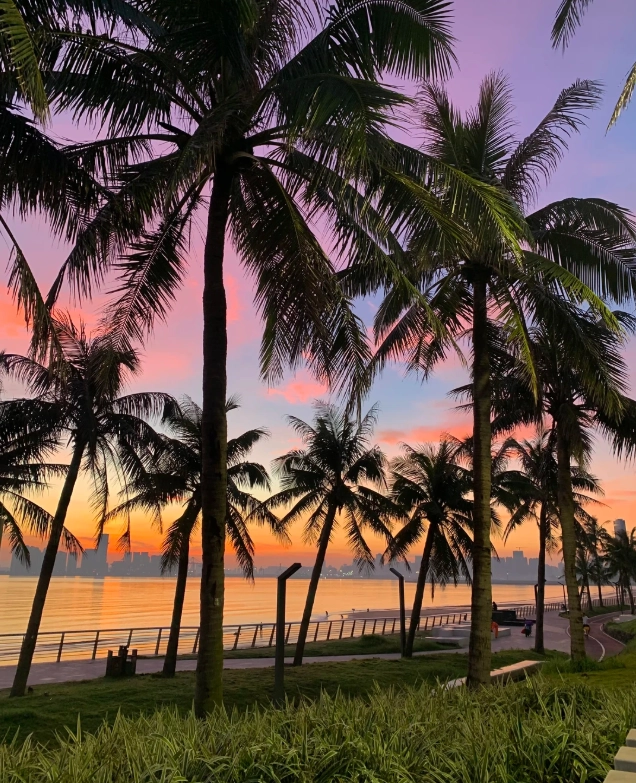
Accommodation Picks
Where you stay determines your commuting time. If you choose a hotel near Qilou, you can walk to many attractions but the noise can be annoying. If you're near Holiday Beach, you'll have peace but need to take transport for everything.
| Hotel Name | Area | Price Range (per night) | Best For | Wi-Fi & English |
|---|---|---|---|---|
| Hilton Haikou Meilan | Guoxing Avenue (near museum) | 600–900 RMB | Business + families | Good Wi-Fi; English-speaking staff |
| Qilou Inn Boutique (骑楼客栈) | Inside Qilou Old Street | 250–400 RMB | Budget + backpackers | Free Wi-Fi; limited English |
| Holiday Beach Resort | Beachfront, Binjiang area | 400–700 RMB | Beach lovers, couples | Stable Wi-Fi; some English speakers |
Money-Saving Insider Tips
- Alipay is king. Download it before you come. Link your international credit card. Most taxis, restaurants, and attractions accept Alipay. Cash is rarely accepted except at some night market stalls or public toilets (yes, some charge 1 RMB!).
- VPN is essential. Install it before leaving your home country — I use ExpressVPN or NordVPN. Once in China, it's hard to download. Without it, you can't use Instagram, Google, or Facebook. Also download Apple Translate for offline translation. The built-in Chinese keyboard on iPhone is clunky; I prefer Baidu Translate for quick conversations.
- Book attractions via Klool or Trip.com. The official WeChat mini-programs for places like the Volcanic Park are in Chinese only and require a Chinese phone number. Use third-party sites — they accept foreign cards and show English instructions. Print your booking confirmation; some ticket counters ask to see it.
- Avoid weekends. I've seen crowds triple at Qilou and Holiday Beach on Saturdays. If you can, schedule temple visits on weekdays. The best time for photos is early morning (7-9am) when the light is soft and the streets are empty.
- Bargain at Dongmen Market but not at malls. Stall owners expect haggling — offer 50% of the initial price. But in fixed-price stores like Watsons, don't bother. And never argue over a few RMB; it's not about the money, it's about saving face. A smile and a gentle "too expensive" works better than aggressive negotiation.
FAQ
This content has been fact-checked to ensure informational precision.








No comments yet.