 Ling Wu
What's Inside
I've led over 50 groups here. And I still see tourists making the same mistake—heading straight into the main street at noon. Sun burning the back of your neck. Crowds shuffling shoulder to shoulder. You miss the real charm.
So here's the trick: start at 4:30 PM. The golden light hits the pastel arcades. The street food stalls just fired up. And the temperature drops to something bearable. That's when how to visit Haikou Qilou Old Street becomes less about surviving the heat and more about falling in love with the place.
Let me walk you through the exact plan—no fluff, just what I tell my clients.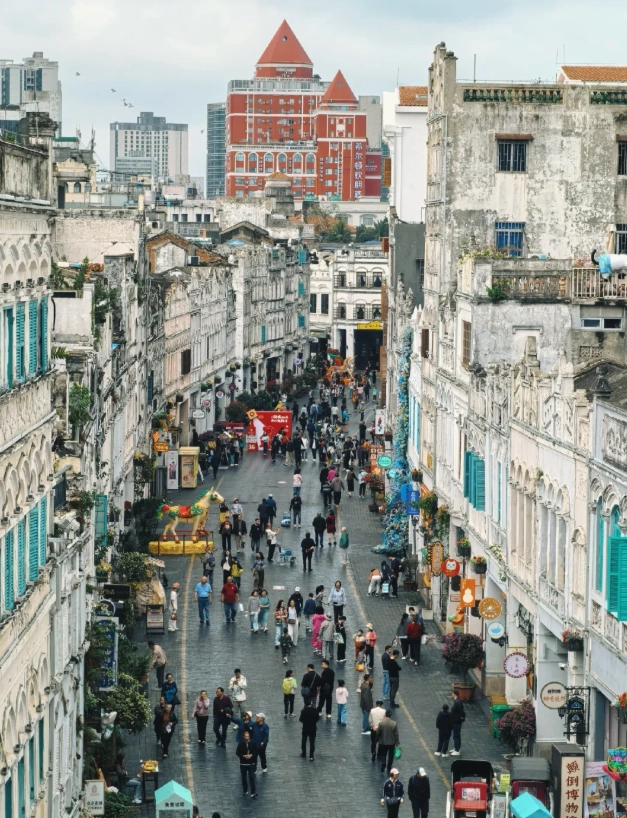
Why This Street is So Special
Qilou (骑楼) means "riding building"—the covered walkways that extend from the shops, shielding pedestrians from rain and sun. These arcades combine European colonial styles with Southern Chinese elements. Built mainly by overseas Chinese returning from Southeast Asia in the early 20th century, the architecture is a blend of Baroque, Art Deco, and local Lingnan details.
But don't expect a perfectly preserved museum. This is a living street. People dry laundry on balconies. Motorcycles weave through pedestrians. Old men play Chinese chess under the arches. That's the beauty—it's messy, real, and full of life.
Best Time to Visit (and When to Avoid)
Many guides tell you to go in the morning. I disagree. Here's the breakdown:
| Time | Vibe | Why It Works (or Not) |
|---|---|---|
| 8:00–10:00 AM | Quiet, shops mostly closed | Great for photos but streets feel empty. Some breakfast stalls open. |
| 10:00 AM–2:00 PM | Busy, hot, direct sun | Worst time. Crowds peak, arcades offer shade but still sweaty. |
| 4:00–6:00 PM | Golden hour, stalls opening | My pick. Light is beautiful, temperature drops, food sizzles. |
| 6:00–9:00 PM | Night market mode | Lively but more tourists. Good for dinner and drinks. |
Avoid Chinese public holidays. The street becomes a human river. If you must go, arrive before 8 AM and leave by 10 AM.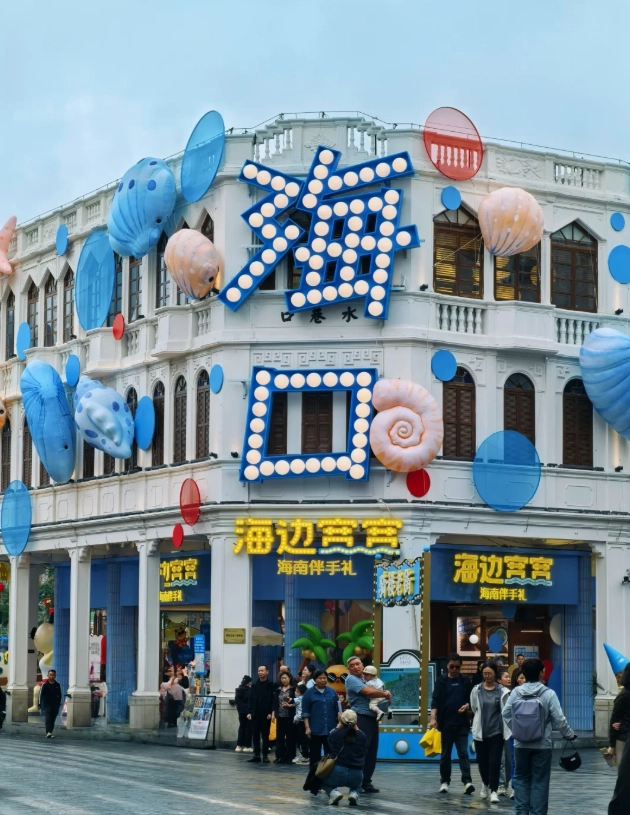
How to Get There: Subway, Taxi, or Bus
By Subway (Recommended)
Haikou Metro Line 1 (green line) takes you to Wugong Temple Station (五公祠站). From Exit B, it's a 15-minute walk east along Haifu Road. But the more convenient stop is Zhongshan Road Station (中山路站) on Line 2? Actually, wait—Line 1 is the only line currently. Get off at Fuxingcheng Station (复兴城站)? Not exactly. Correct station: Bo'ai Road Station (博爱路站) – but that's under construction. So for now, take Line 1 to Wugong Temple, then walk or take a 5-minute taxi.
Easier option: Use Didi (China's Uber). Enter destination: 海口骑楼老街. Cost from city center: about 12–20 yuan. Pay with Alipay or WeChat—cash rarely accepted.
By Taxi
Show the driver this: 去海口骑楼老街(博爱北路). If they don't know, tell them near Zhongshan Road (中山路). Tip: Always have the Chinese address ready on your phone.
By Bus
Routes 3, 5, 6, 7, 8, 11, 14, 17, 24, 26, 30, 37, 38, 39, 42, 43, 44, 50, 60, 61 all stop near the area. Get off at Zhongshan Road stop (中山路站) or Bo'ai Road stop (博爱路站).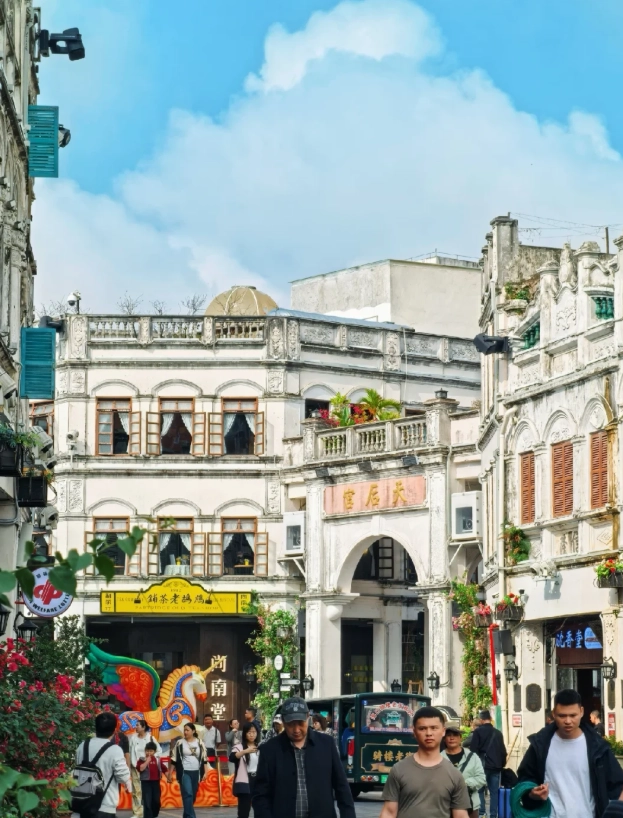
Step-by-Step Walking Route (with Map Tips)
Start at Zhongshan Road (中山路) – the most photogenic stretch. The street is pedestrian-only here. Walk slowly, look up—the ornate carvings and faded shutters are Instagram gold.
After 200 meters, turn left into Bo'ai North Road (博爱北路). This is where locals shop for hardware, fabrics, and daily goods. Less polished, but real. Continue until you reach Jiefang West Road (解放西路), then loop back via Xinhua North Road (新华北路).
Pro tip: Google Maps is unreliable in China. Use Apple Maps (yes, it works decently here) or Baidu Maps. But I still carry a printed screenshot—works when my phone dies.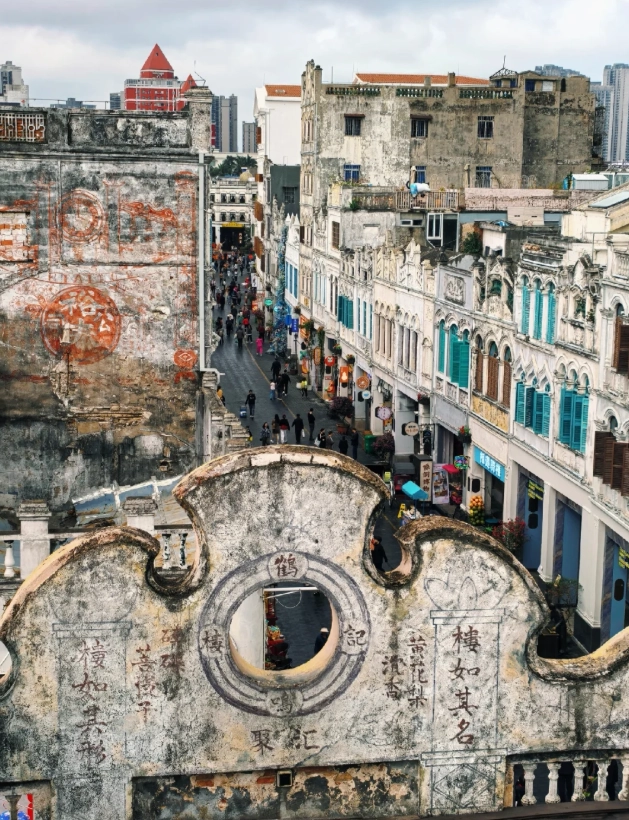
Where to Eat: Must-Try Snacks and Avoid
Food is a highlight. But not every stall is worth your stomach. Here's what I always recommend:
| Dish | Where to Find | Why It's Good | Price (approx) |
|---|---|---|---|
| Wenchang Chicken (文昌鸡) | Yanjiang Wenchang Chicken (沿江文昌鸡), No. 63 Zhongshan Road | Tender poached chicken with ginger-scallion dip. A Hainan staple. | 60–80 yuan |
| Hainan Noodles (海南粉) | Lao Dao Noodle (老道粉), Bo'ai North Road corner | Cold rice noodles with peanut, sesame, and sweet soy. Refreshing. | 15 yuan |
| Steamed Bun (老爸茶) | Any small tea house on Xinhua North Road | Not a dish, but a ritual. Order a cup of tea and a coconut bun. Watch old men chat. | 10 yuan |
| Coconut Rice Cake (椰丝糕) | Street cart near No. 24 Bldg | Glutinous rice stuffed with grated coconut. Sweet, chewy. | 5 yuan |
One thing I skip: The fried squid on the main drag. Oil is often reused, and they charge tourists double. Better to get fresh seafood in a proper restaurant.
Payment: All stalls accept Alipay/WeChat. Cash is sometimes turned away. If you only have cash, ask a shopkeeper to exchange—they usually help.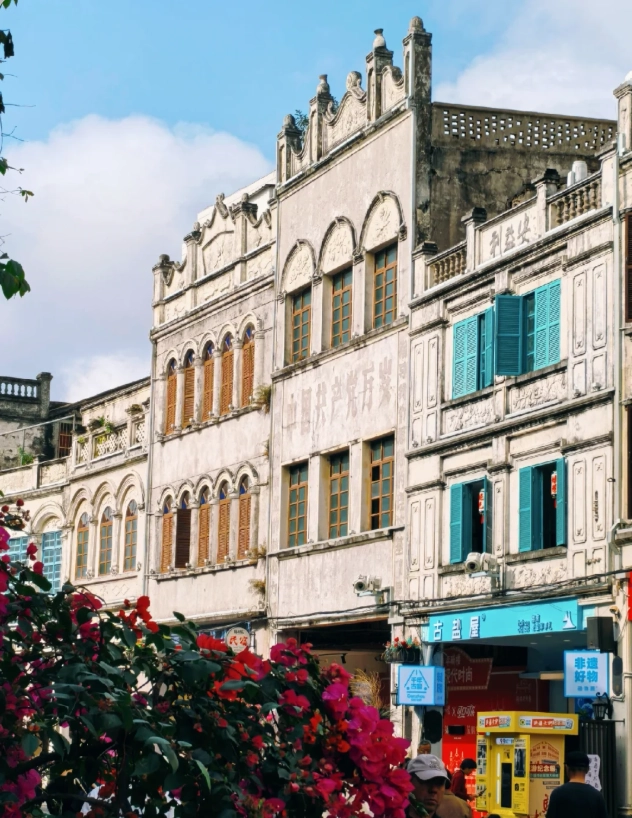
What to Buy: Souvenirs and Art
The arcades are filled with shops selling pearls, coconut carvings, and tea. My honest take: most are overpriced tourist traps. Instead, look for:
- Handmade coffee filters – Hainan grows its own coffee, and these drip filters (called "yékafēi" filter) make a unique gift. Found in small hardware stores on Bo'ai Road.
- Hainan wood carvings – A few artisan shops near the west end of Zhongshan Road. Check for the seal of authenticity.
- Local coffee beans – Buy from a dedicated coffee shop like Fu Shan Coffee (福山咖啡) on Zhongshan Road. They roast on-site.
Bargaining rule: Start at 50% of the asking price. Be polite, smile. If they refuse, walk away slowly—they often call you back.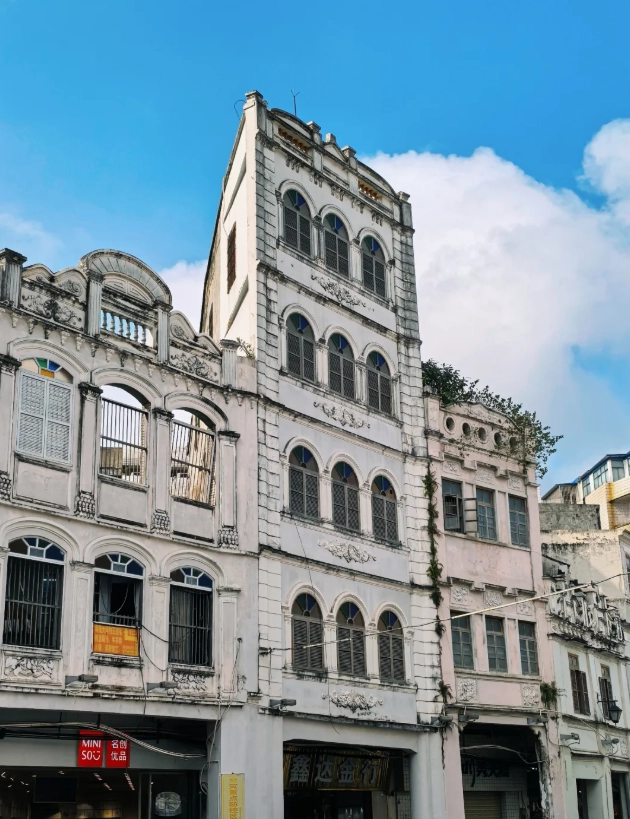






No comments yet.