 Fang Wang
Quick Look: What's Inside
I've been guiding travelers through China for over a decade. And honestly? The 240-hour visa-free transit is the most misunderstood policy I've dealt with. Tourists show up at the airport, passport in hand, expecting to waltz into any city for 10 days—only to be turned away because they booked a round-trip instead of a transit ticket. Let me clear that up right now.
Here is the catch: This policy isn't a free pass to enter China like a tourist visa. It's a transit privilege. You must be flying through China to a third country (or region). If you fly from London to Shanghai, then to Tokyo, you qualify. If you fly from London to Shanghai and back to London, you don't.
What Is the 240-Hour Rule?
The 240-hour (10-day) visa-free transit policy allows nationals of certain countries to stay in specific Chinese cities for up to 10 days without applying for a visa in advance. It's a massive time window—enough to explore Shanghai, Beijing, or even two cities if they're in the same regional cluster.
I remember a couple from Australia who booked a 9-day trip thinking they could land in Shanghai, take a train to Beijing, then fly home from Beijing. They were stuck at immigration because their itinerary crossed policy zones. That's when I learned: you need to stay within the approved region for that port of entry.
Who Qualifies and Which Cities?
| Eligible Nationalities | Ports of Entry (Sample) | Permitted Area |
|---|---|---|
| 53 countries (US, UK, Canada, Australia, most EU, etc.) | Shanghai (PVG), Beijing (PEK), Guangzhou (CAN), Chengdu (CTU), etc. | Usually the city + surrounding province |
| Full list on National Immigration Administration | Over 40 ports across China | Check specific policy—some clusters allow travel to multiple cities in the same region (e.g., Shanghai + Jiangsu + Zhejiang) |
Warning: Don't assume you can jump from Shanghai to Beijing. The 240-hour transit for Shanghai only covers Shanghai municipality plus Jiangsu and Zhejiang provinces. Beijing's policy is separate—you can only move within Beijing, Tianjin, and Hebei. I've seen too many travelers get denied boarding at the train station.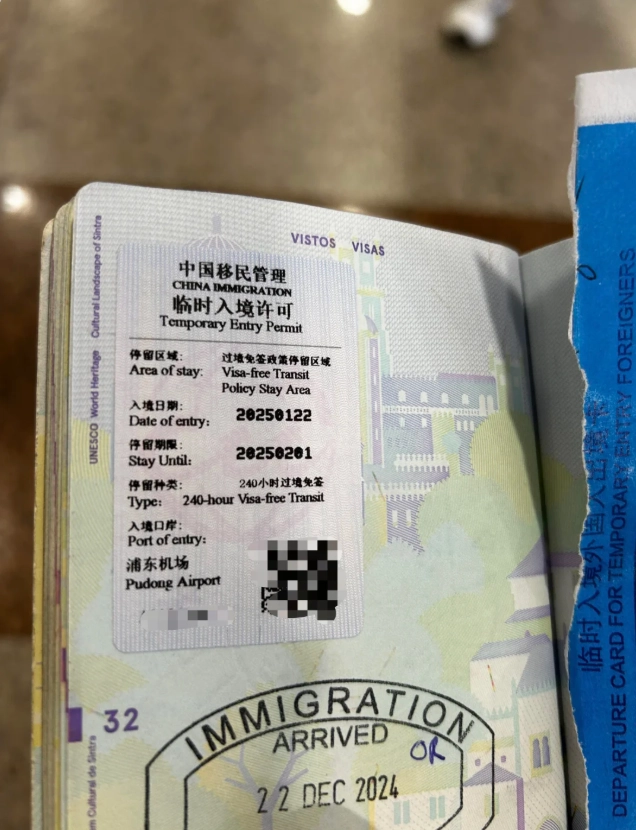
How to Actually Use It (Step by Step)
Step 1: Confirm Your Flight Qualifies
Book an inbound flight from Country A to a Chinese city, and an onward flight (or train/ferry with confirmed ticket) from that same Chinese city to Country B. Country B cannot be your departure country unless you have a visa. For example: London → Shanghai → Tokyo works, but London → Shanghai → London fails.
Step 2: At the Immigration Counter
You'll fill out a simple arrival card. The officer will check your passport, your onward ticket, and the hotel booking in China. I always tell my clients: keep your printed flight itinerary handy—the e-ticket on your phone might not load if the Wi-Fi is weak. And yes, Google Maps doesn't work here; use Apple Maps or Baidu Maps with English addresses ready.
One time, a traveler from Brazil got flagged because his onward flight was to Hong Kong (which is part of China, not a different country). Hong Kong is considered a separate customs territory, so it still counts as a third destination—but the officer had to verify. Lesson learned: double-check with the airline before flying.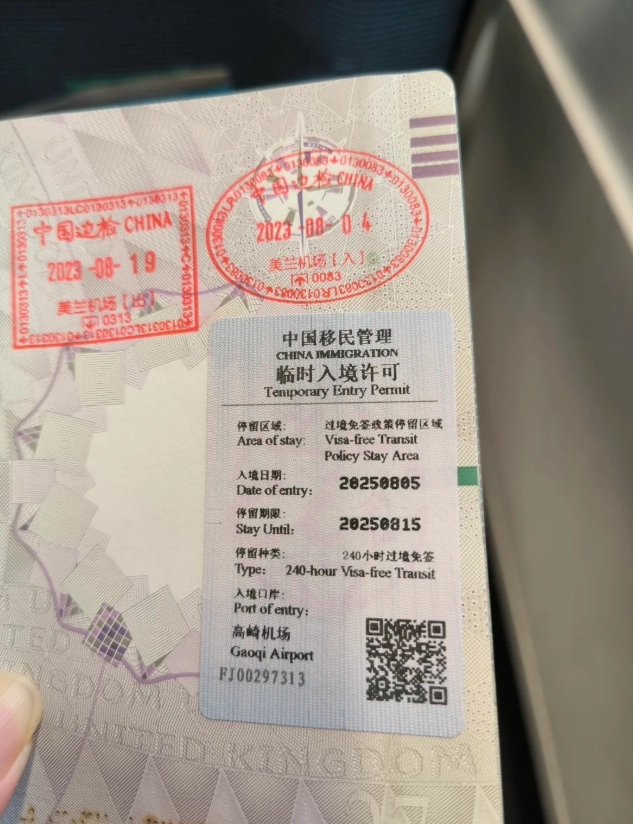
Step 3: Enjoy Your 10 Days (But Follow the Rules)
You can stay up to 240 hours (10 days) from midnight after arrival. So if you land at 10 PM, the clock starts at 00:00 the next day—giving you almost 11 calendar days. You must exit China before the 240-hour mark. Overstay? Expect a fine and a potential ban.
You can travel within the designated region. For example, landing in Shanghai allows you to visit Hangzhou (1 hour by train), Suzhou (30 min), and Nanjing (1.5 hours). But don't try to sneak into Beijing.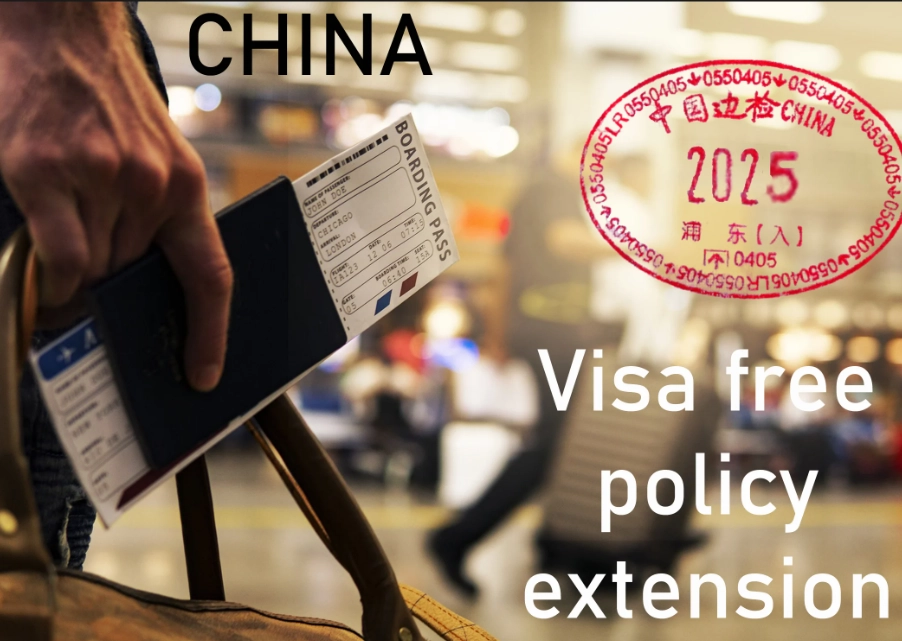
Biggest Mistakes I See Tourists Make
1. Booking a round-trip ticket instead of transit. Fix: Book your outbound flight as a separate leg or a multi-city ticket showing onward travel to a third country.
2. Assuming all ports allow 240 hours. Some ports only offer 72 hours (3 days) or 144 hours (6 days). Double-check on official sites like TravelChina.gov.cn.
3. Ignoring regional restrictions. You can't mix clusters. Shanghai cluster ≠ Beijing cluster. Pick one region and explore it thoroughly.
4. Not having a VPN installed before arrival. Most Google services are blocked. Without a VPN, you can't use WhatsApp, Google Maps, or even check your email. Install a reliable VPN before you land.
5. Thinking cash works everywhere. I still see tourists waving dollar bills. China is almost cashless—set up Alipay or WeChat Pay with a foreign credit card before you go. Many restaurants and shops won't accept cash, and definitely not international credit cards.
Sample Itinerary: 10 Days Without a Visa (Shanghai Cluster)
Let's say you fly into Shanghai from London, and fly out from Shanghai to Tokyo. Here's how I'd plan 10 days:
- Day 1-3: Shanghai — The Bund, Yu Garden, Huangpu River cruise, and a night at the Shanghai Tower. Avoid peak hours at the Tower (11 AM–2 PM). I always suggest going right before sunset—the line is shorter and the city lights up.
- Day 4-5: Hangzhou — Take the bullet train (45 min). Visit West Lake, Lingyin Temple. Try Longjing tea. Warning: West Lake is packed on weekends. Go on a weekday early morning.
- Day 6-7: Suzhou — 30 min by train. Classical gardens (Humble Administrator's Garden, Lingering Garden). I recommend Pingjiang Road for evening strolls—much less touristy than Shantang Street.
- Day 8-9: Nanjing — 90 min on the high-speed rail. Sun Yat-sen Mausoleum, Confucius Temple, and the Nanjing Massacre Memorial (free, but need passport to enter).
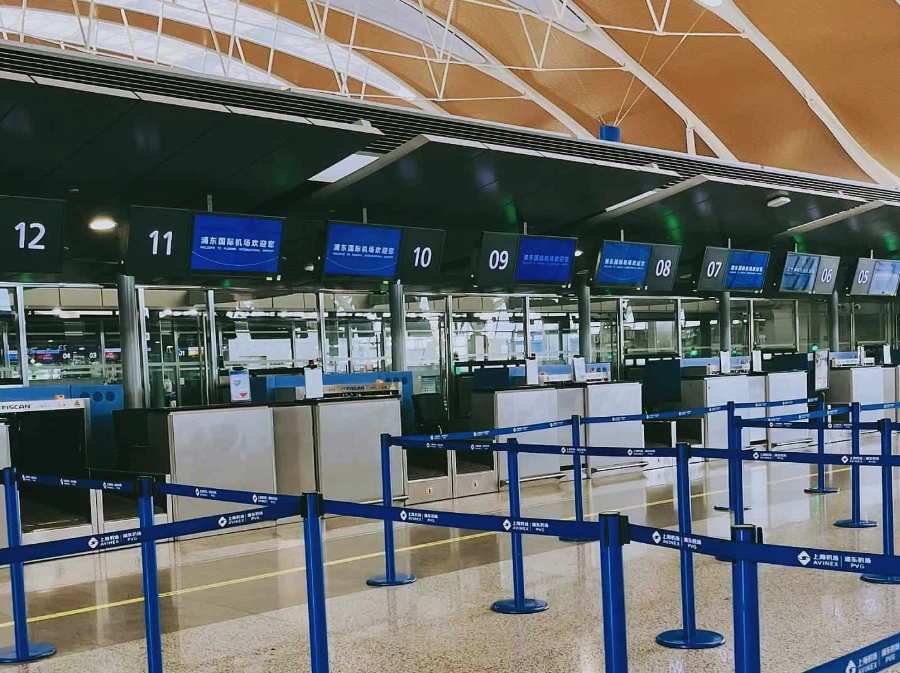
- Day 10: Back to Shanghai, fly out — Leave buffer time for airport check-in. Shanghai Pudong (PVG) is huge—arrive 3 hours early.
If the weather is bad (typhoon season in summer), swap outdoor days for indoor museums like the Shanghai Museum or the China Art Museum. They're free on certain days.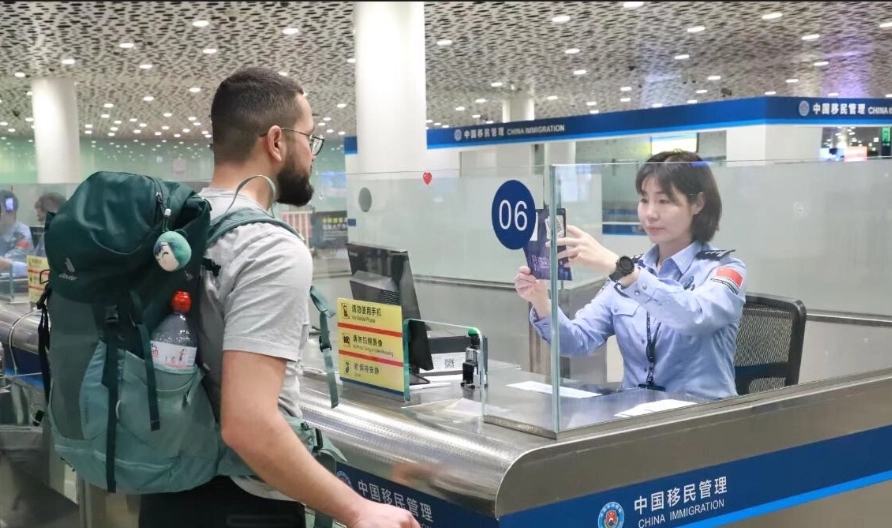
FAQ: 240-Hour Visa-Free Transit
Verified and fact-checked by the editorial team.






No comments yet.