 Fang Wang
Let's be honest. Most lists of Shanghai's famous places feel like they were copied from a tourist brochure. You'll see the same photos of the Bund skyline and the Yu Garden rockery. But what's it actually like to be there? Where do you go to escape the crowds for a moment? How do you see these icons without feeling like you're just ticking a box?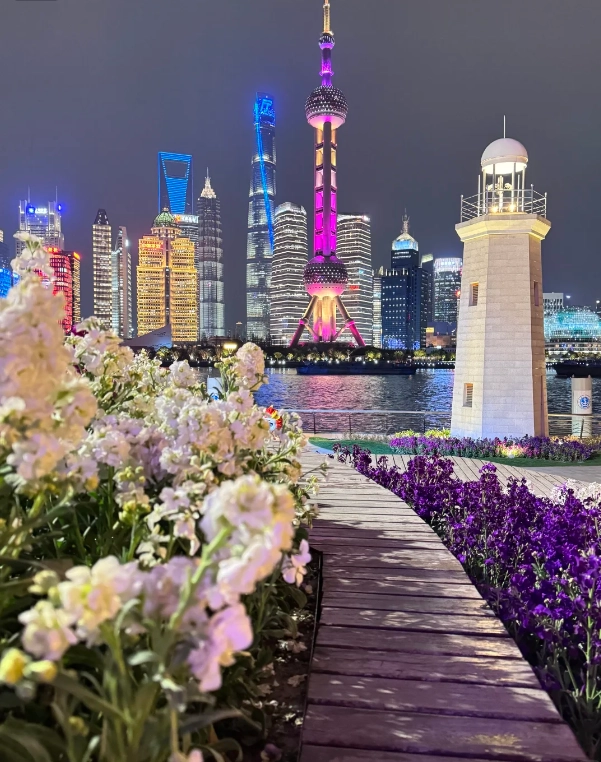
I've walked the Bund at every hour, gotten lost in Yu Garden's quieter corners, and watched the city transform over years. This isn't just a list. It's a breakdown of what makes each spot worth your time, packed with the nitty-gritty details—ticket prices, the best metro exits, specific viewing angles—that turn a good visit into a great one.
What's Inside This Guide
The Bund: A Walk Through History
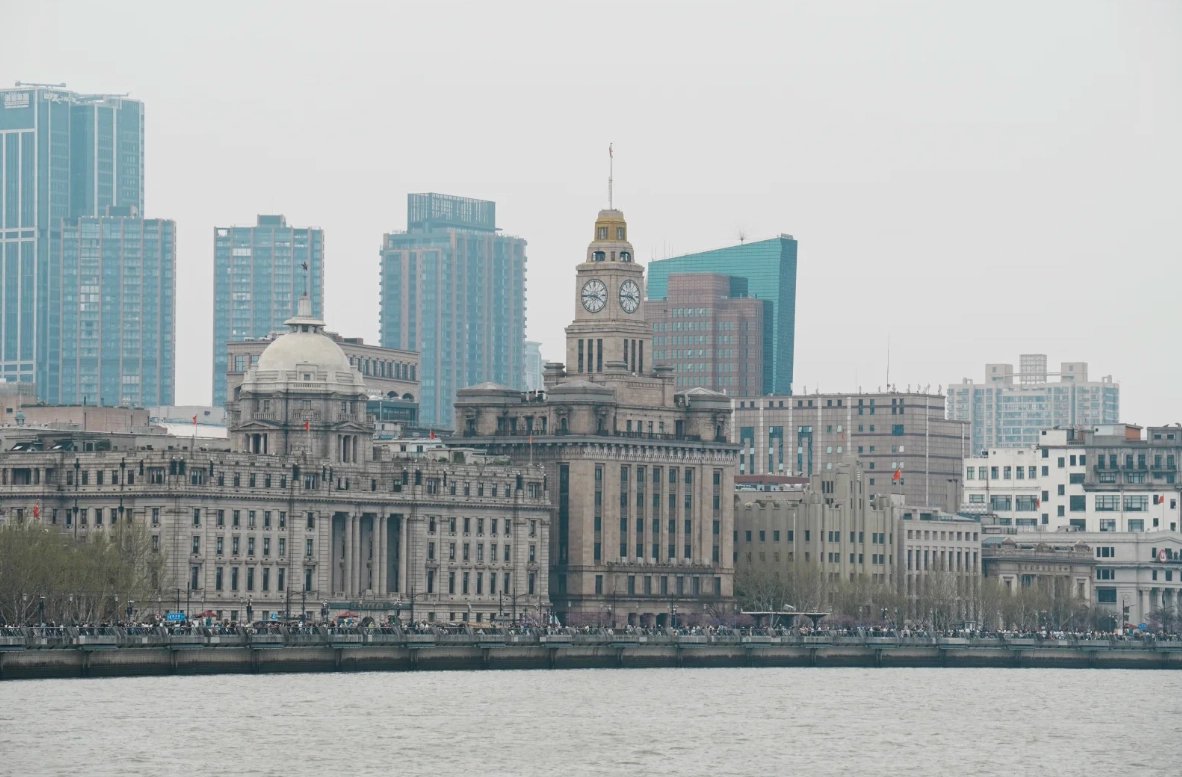
The Bund isn't just a row of buildings. It's a timeline. On one side of Zhongshan Road, you have the solid, ornate stone of the 1920s and 30s—banks and clubs that whispered of old money and foreign concessions. On the other, the glass and steel spires of Pudong scream 21st-century ambition. The magic is in the tension between them.
Most people make one big mistake: they only go at night for the lights. The neon spectacle is undeniable, but you miss the detail. In the morning, especially on a weekday, the light hits the old facades perfectly. You can see the carvings on the Customs House clock tower, the green patina on the Peace Hotel's pyramid roof.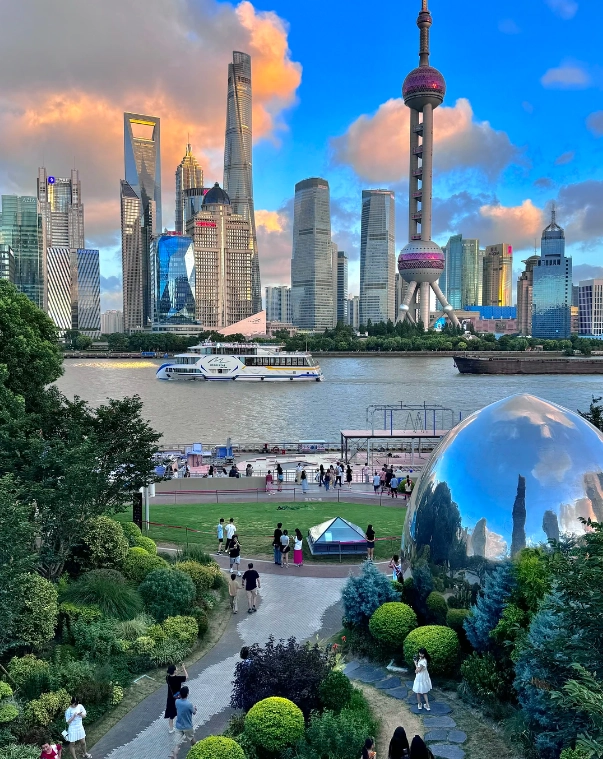
Getting There & Basics: Take Metro Line 2 or 10 to East Nanjing Road Station. Follow the crowds east. It's free, open 24/7. The famous light show on the Pudong skyscrapers runs from sunset until about 11 PM.
Don't just walk the main promenade. Duck into the side streets. The alley behind the Peace Hotel feels like a different era. For a truly unique view, cross the river. Take the Bund Tourist Tunnel (a quirky, slightly dated light show ride) or, better yet, the 2 RMB ferry from Jinling Road Ferry Pier to Dongchang Road Pier in Pudong. From the water, the scale hits you.
My favorite spot isn't at street level. It's the small observation platform on the Waibaidu Bridge, looking south. You get the classical buildings framing the modern towers. Fewer selfie sticks there, too.
Yu Garden: More Than a Photo Op
Yu Garden gets crowded. Really crowded. By noon, the main courtyards can feel like a subway platform. The trick is understanding its layout. The garden itself is a series of intimate, walled spaces designed for contemplation. The surrounding bazaar is a chaotic, delightful maze of souvenirs and snacks. You have to navigate both.
Go as soon as it opens. The first hour is peaceful. Head straight for the inner garden. Ignore the Nine Zigzag Bridge at the entrance initially—you'll come back. Find the Jade Rock. It's the centerpiece, a porous limestone boulder. The guide says it has 72 holes. I've never counted, but watching light filter through them is hypnotic. The rockery around it is meant to mimic a mountain range. Sit on one of the stone benches nearby and just watch the koi.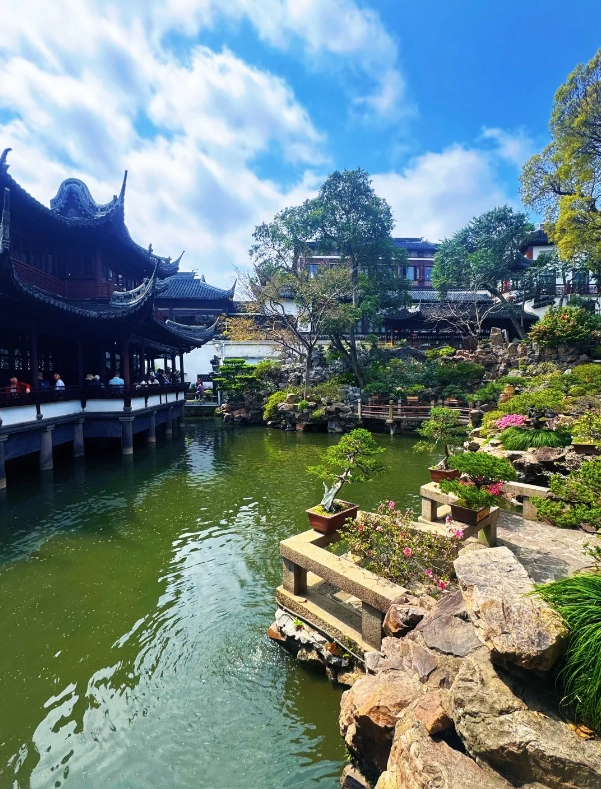
Getting There & Tickets: Metro Line 10, Yuyuan Garden Station. The bazaar is free. Entry to the inner Yu Garden costs 40 RMB (spring/autumn), 30 RMB (summer/winter). It's open from 8:30 AM to 5:00 PM (last entry 4:30 PM). The adjacent Chenghuangmiao (City God Temple) area is free and has great street food like nanxiang steamed buns.
After the garden, get lost in the bazaar. Yes, it's touristy. But the craftsmanship in some of the older shops selling chopsticks, silk, and papercuts is real. The snack stalls are part of the experience. The crab shell cake place always has a line for a reason.
Other Top Shanghai Attractions You Should Consider
The Bund and Yu Garden are the headliners, but Shanghai's fame spreads wider. Depending on your interests, these spots compete for a place on your list.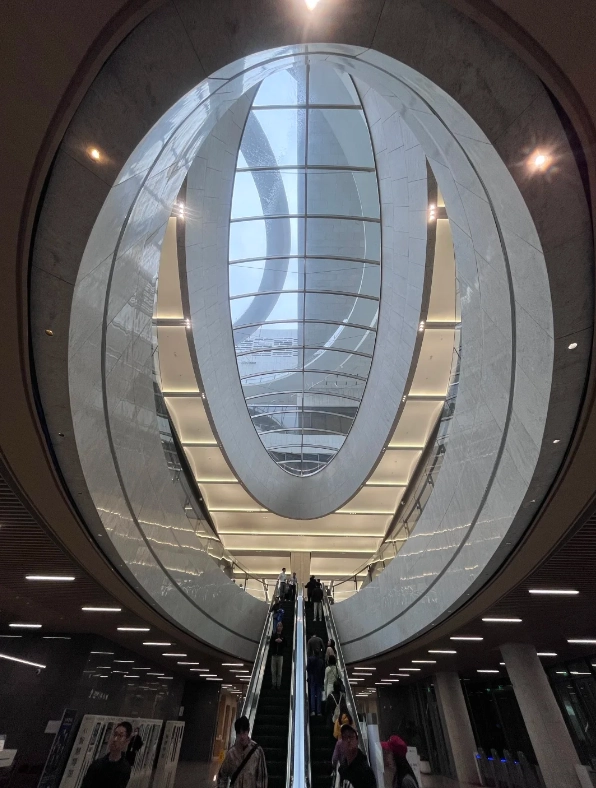
| Attraction | Why It's Famous | Key Details (Address/Transport) | Ticket & Hours |
|---|---|---|---|
| Shanghai Museum | World-class collection of ancient Chinese art—bronzes, ceramics, calligraphy. The building's shape symbolizes "heaven round, earth square." | No. 201, Renmin Avenue. Metro Line 1, 2, 8 to People's Square Station. | Free (reservation often required). 9 AM - 5 PM. Closed Mondays. |
| Shanghai Tower | China's tallest building. The observation deck on the 118th floor offers a dizzying, unobstructed 360° view. | No. 501, Yincheng Middle Road, Lujiazui, Pudong. Metro Line 2 to Lujiazui Station. | ~180 RMB for adult observation deck ticket. 8:30 AM - 10:00 PM. |
| Tianzifang | A labyrinth of narrow lanes (Shikumen houses) turned into artsy cafes, boutiques, and studios. Less commercial than Xintiandi, more gritty. | Lane 210, Taikang Road. Metro Line 9 to Dapuqiao Station. | Free to explore. Shops open from late morning until late evening. |
| Xintiandi | Restored Shikumen stone-gate houses housing upscale restaurants, bars, and shops. A polished version of old Shanghai. | South Block, Xintiandi. Metro Line 1 to South Huangpi Road Station or Line 10/13 to Xintiandi Station. | Free to walk around. Dining and retail hours vary. |
A quick thought on the towers. Everyone knows the Oriental Pearl TV Tower. Its unique spheres are iconic. But for the actual view, the Shanghai Tower's deck is higher and less obstructed. The Jin Mao Tower and Shanghai World Financial Center (the "bottle opener") also have observation decks. You only need one. Choose based on architecture you prefer or budget.
Planning Your Shanghai Itinerary
How you string these famous places together depends entirely on your time. Here’s how I’d do it.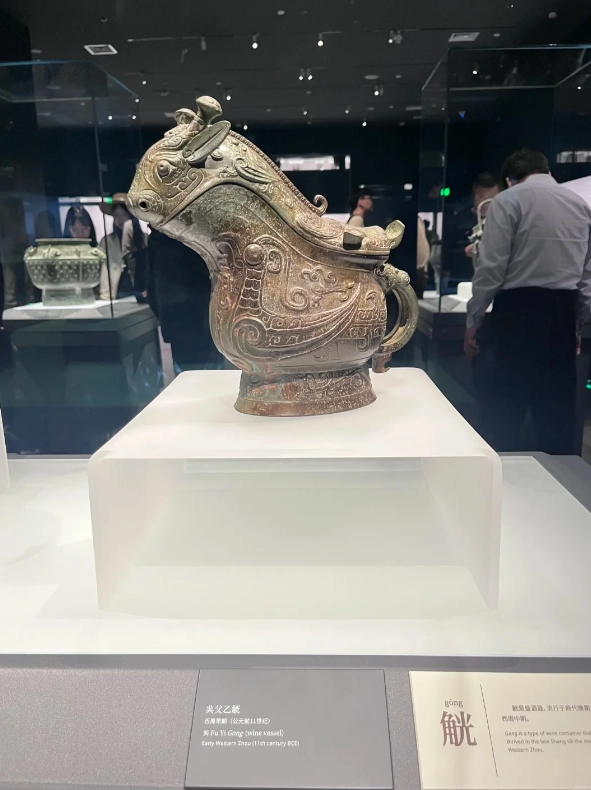
If You Have One Day
Start early at Yu Garden (8:30 AM). Spend two hours in the garden and bazaar. Grab a quick lunch from the street food stalls. Take Metro Line 10 to East Nanjing Road and walk to The Bund. Walk its length, then take the ferry across to Pudong. Visit the Shanghai Tower observation deck for the sunset view. Have dinner back in Puxi around Xintiandi.
If You Have Two Days
Day 1: Follow the one-day itinerary above, but at a more relaxed pace. Maybe swap the Shanghai Tower for an evening Huangpu River cruise if you prefer seeing the lights from the water.
Day 2: Morning at the Shanghai Museum (book ahead!). Afternoon exploring the alleys of Tianzifang. This gives you the high culture and the local, artsy vibe.
Practical Visitor Information for Shanghai
Getting around is half the battle. Shanghai's metro system is extensive, cheap, and signs are in English. Get a transportation card (Jiaotong Card) or use the Metropolis app on your phone. It works for metro, buses, and even taxis.
Timing matters. Avoid Chinese national holidays (Golden Week in October, Spring Festival) unless you enjoy monumental crowds. Late spring (April-May) and autumn (September-November) have the best weather.
For major attractions like the Shanghai Museum or popular time slots for the tower observatories, book tickets online in advance. Platforms like their official WeChat accounts or travel sites often have this option. It saves hours of queueing.
Wear comfortable shoes. You will walk more than you think. The Bund is over a kilometer long. Yu Garden's paths are uneven stone.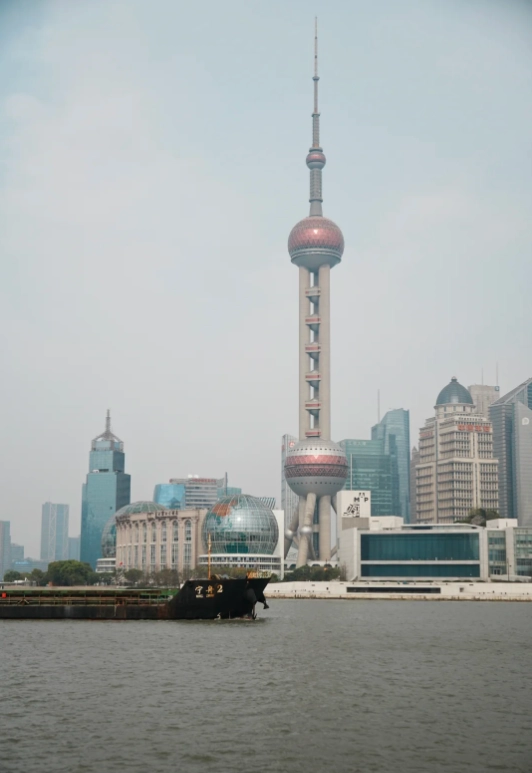
Your Questions on Shanghai Attractions Answered
Is the Bund just about skyscrapers and a photo?
That's the common misconception. The skyscrapers are across the river. The Bund itself is about the historical architecture on the Puxi side. The real experience is reading the plaques on the buildings—the former Hongkong and Shanghai Banking Corporation building, the Customs House—and feeling the weight of history. Go inside the lobby of the Fairmont Peace Hotel if you can; the art deco interior is stunning.
Is Yu Garden too crowded to be enjoyable?
It can be, during peak hours. The solution is strategic timing. Be at the gate at 8:30 AM. Alternatively, visit in the last 90 minutes before closing. The crowds thin considerably. The bazaar is always busy, but that's part of its energy. The paid inner garden is where you seek quiet, and it's easier to find early or late.
 Shanghai Tower or Oriental Pearl Tower for the best view?
For an unobstructed, highest-possible view, the Shanghai Tower wins. The Oriental Pearl is iconic from the outside, but its viewing spheres have tinted glass and internal structures that can block parts of the view. The Shanghai Tower's deck is all clear glass. However, the Oriental Pearl has other attractions like a glass-bottomed walkway and a small museum. Choose the Tower for pure panorama, the Pearl for a more varied (and slightly cheaper) tourist experience.
What's one famous place I can visit to escape the main tourist crowds?
The Former French Concession area. It's not a single ticketed attraction but a whole district. Tree-lined avenues like Fuxing Road or Julu Road, hidden villas, quiet cafes. You can visit sites like the former residence of Sun Yat-sen or just wander. It offers a different, more leisurely famous Shanghai experience—the one of ambiance and lived-in history rather than jaw-dropping landmarks. Start at Metro Changshu Road Station and walk south.
The famous places of Shanghai tell a story of collision and fusion. It's not just about seeing them; it's about feeling the contrast between the old stone and the new glass, the quiet garden and the bustling bazaar. With these specifics—the 40 RMB ticket, the 2 RMB ferry, the 8:30 AM opening—you're equipped to move past the postcard and into the real experience.
This guide is based on repeated personal visits and observations. Details like ticket prices and opening hours are accurate as of my last verification but are always subject to change.





No comments yet.