 Bo Wu
Bo Wu
Quick Navigation — What's Inside
- Why the Forbidden City Layout Confuses First-Timers
- The Three Main Sections: Outer Court, Inner Court, and the Garden
- The Central Axis vs. the Eastern and Western Wings
- How to Plan Your Walking Route to Avoid Crowds
- Hidden Spots Most Tourists Miss
- Ticket Booking and Entry Gates: What the Map Doesn't Tell You
- FAQ: Forbidden City Layout Tips
You step through the Meridian Gate. Crowds everywhere. Where to go first? Most visitors just follow the main axis — and miss everything. I've seen it happen a hundred times. The Forbidden City layout is actually a clever grid designed to control access and create ceremony. But without a game plan, you'll waste hours backtracking and fighting crowds.
Here's the truth: the palace complex covers 72 hectares with over 900 buildings. Following the central axis from south to north is the default route, but it's also the most crowded. I always tell my guests: if you only walk the middle line, you see maybe 20% of what's special. The real gems — the quieter courtyards, the detailed gardens, the less-crowded halls — are tucked into the eastern and western wings.
In this guide, I'll break down the Forbidden City layout so you can navigate like a pro, save time, and actually enjoy your visit instead of feeling like you're in a stampede.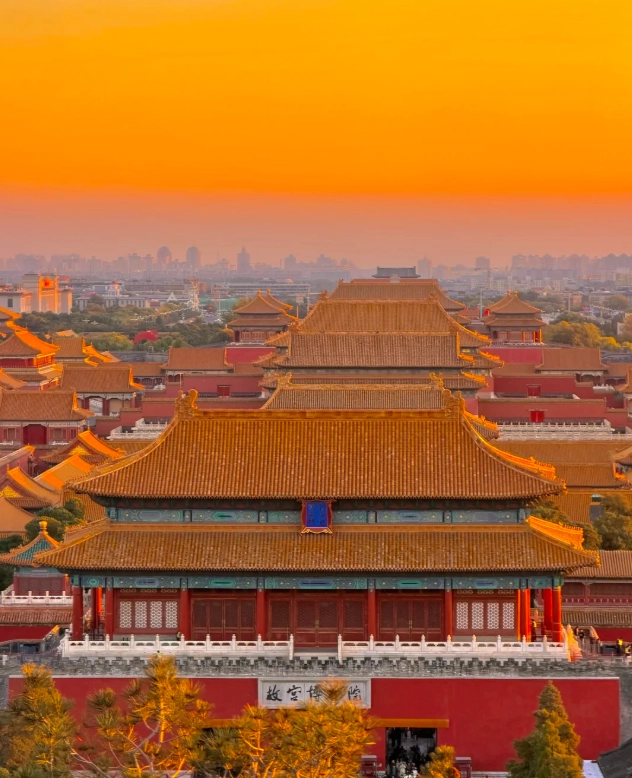
Why the Forbidden City Layout Confuses First-Timers
The layout isn't random — it's deeply symbolic. The entire complex is oriented along a north-south axis, with the emperor's throne at the center of the universe (literally). But here's the confusion: there are multiple gates, side corridors, and exits that aren't obvious on a simple map.
Most maps you find online are either too simple (just showing the main axis) or too detailed (every single building listed in Chinese). The Forbidden City layout is basically a rectangle divided by horizontal and vertical walls. Three main gates on the south side: Meridian Gate (the only entrance for visitors), and two side gates (Donghua and Xihua) that are usually exits only.
Common mistake: People think they can exit from the Meridian Gate after entering. Nope — it's one-way. You must exit from the North Gate (Gate of Divine Might) or the East Gate (Donghua). I've seen exhausted tourists try to walk all the way back. Don't be that person.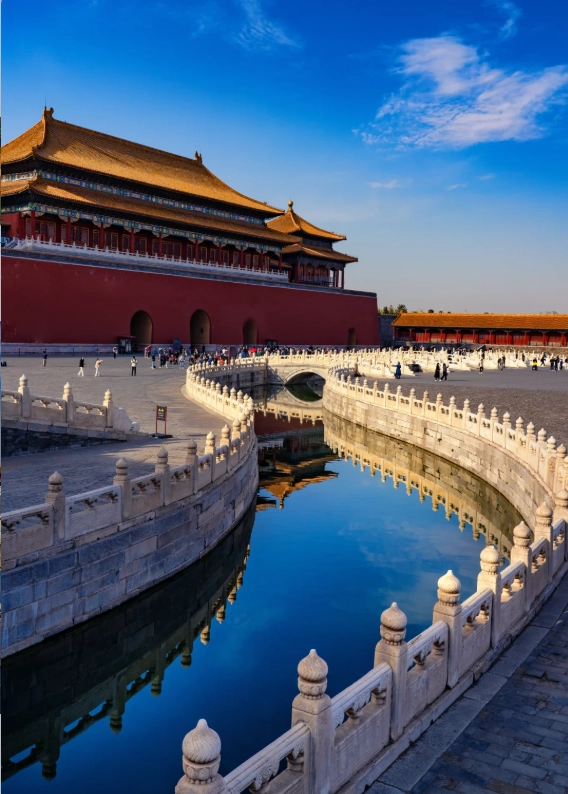
The Three Main Sections: Outer Court, Inner Court, and the Garden
The Outer Court (Political Hub)
This is where the emperor held grand ceremonies. The three main halls — Hall of Supreme Harmony, Hall of Central Harmony, and Hall of Preserving Harmony — sit on a three-tiered marble terrace. If you visit in peak season (May–October), you'll be shoulder-to-shoulder on the stairs. But here's a tip: step to the far left or right of the terrace for a clear photo without heads.
The Forbidden City layout places the Outer Court in the southernmost area. It's wide open, meant to impress. Plan to spend about 45 minutes here if the crowds are heavy.
The Inner Court (Living Quarters)
Behind the Outer Court lies the Inner Court, where the emperor and his family lived. The Palace of Heavenly Purity and the Palace of Earthly Tranquility are the main residences. This section feels more intimate — narrower courtyards, smaller gates. But it also gets incredibly packed, especially near the popular exhibits like the Treasure Gallery and the Clocks Gallery.
My advice? Skip the central halls in the Inner Court if you're short on time — they're often just empty rooms behind ropes. Instead, head to the side palaces that contain the better collections.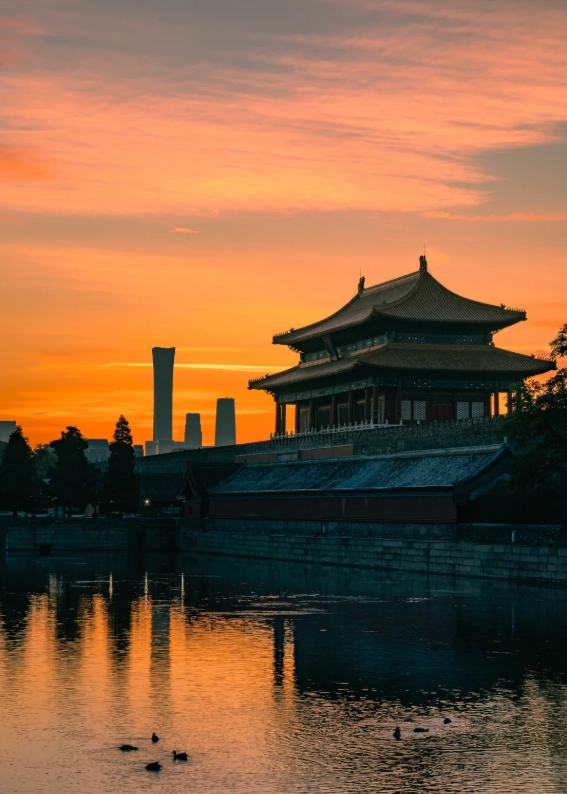
The Imperial Garden
At the northern end, the Imperial Garden offers a breather. Ancient cypress trees, rockeries, and a pavilion. It's small — maybe a 10-minute stroll — but nice for a rest. Keep in mind, this is also the final section before the north exit, so it's crowded late in the afternoon.
The Central Axis vs. the Eastern and Western Wings
The central axis is the straight line from Meridian Gate to the Garden. It's the most famous and the most photographed. But if you stay on it the whole time, you'll miss the Wings, which are where the Forbidden City's personality hides.
Eastern Wing highlights: The Hall of Literary Glory (now a ceramics museum), the Hall of Martial Valor (bronze ware), and the huge stone carving at the Nine-Dragon Screen. This wing sees maybe 30% of the crowd that the central axis gets.
Western Wing highlights: The Hall of Mental Cultivation (where emperors actually governed), and the Palace of Eternal Spring — much quieter, with beautiful gardens. I personally love the Western Wing for its calm atmosphere.
The Forbidden City layout is symmetric, but the east and west sides are not identical. The eastern side has more museums; the western has more residential courtyards. Pick based on your interest.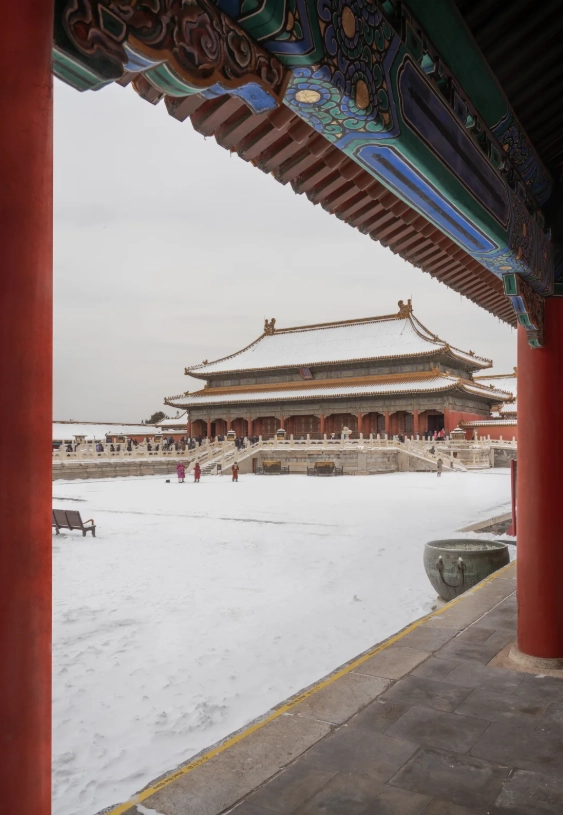
How to Plan Your Walking Route to Avoid Crowds
The worst possible strategy is to go straight north along the central axis. You'll hit peak crowds at every main hall. Instead, try this sequence I've refined over years:
Morning Route (8:30 AM – 11:30 AM)
Enter Meridian Gate, then immediately turn RIGHT (East). Walk along the eastern corridor, past the tranquil courtyards. Visit the Hall of Literary Glory first — it's almost empty at 9 AM. Then make your way to the central axis around 10 AM when the first wave of tour groups has moved north. You'll be against the traffic but it works. By 11 AM, hit the eastern wing of the Inner Court.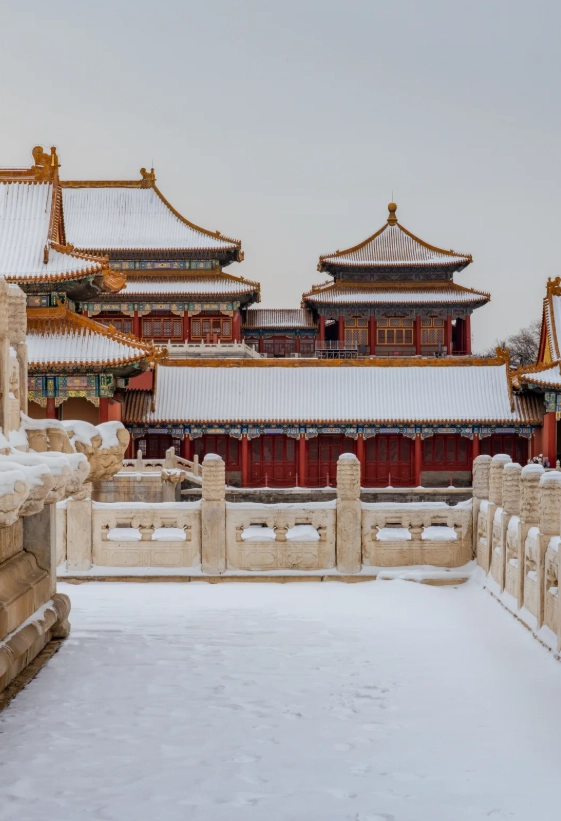
Afternoon Route (1:00 PM – 4:00 PM)
After lunch, go to the Western Wing. Start from the Hall of Mental Cultivation, then walk southward along the western side. This reverse path keeps you ahead of the afternoon tour groups. End at the Imperial Garden around 3:30 PM — by then the morning crowd has left and it's relatively quiet. Exit from the North Gate.
Total walking distance: about 8 km if you cover both wings plus the axis. Wear the most comfortable shoes you own. I've watched people collapse on benches — not a good look.
Hidden Spots Most Tourists Miss
These are the places that don't appear on quick glance but are worth the detour:
- The Marble Ramp: Behind the Hall of Preserving Harmony, there's a massive 250-ton marble carving. Most people walk right past it. Pause and admire the imperial craftsmanship.
- The Qianlong Garden: A separate garden built for the retired emperor in the northeastern corner. It requires an extra ticket (10 RMB) but has a stunning rock garden and gold-leaf pavilions. Hardly anyone goes there.
- The Couple's Pavilions: Near the Palace of Eternal Spring, two small pavilions connected by a corridor. Popular with locals for wedding photos — a peaceful spot away from the main flow.
- The Western Long Corridor: A covered walkway with intricate painted beams. Great for shade on hot days and much less frequented than the main halls.
Ticket Booking and Entry Gates: What the Map Doesn't Tell You
First, you must book tickets online — no on-site ticket sales. The official reservation system (WeChat mini-program or website) is entirely in Chinese. This is the biggest headache for foreign visitors. I always ask my guests to have their hotel concierge handle it. Alternatively, use a third-party site like Trip.com or Klook, but they add a markup.
Ticket prices:
| Visitor Type | Price (Peak Season) | Price (Off-Peak) | Notes |
|---|---|---|---|
| Adult | 60 RMB | 40 RMB | Peak: Apr–Oct |
| Student (with ID) | 20 RMB | 20 RMB | Valid for full-time students |
| Senior (60+) | Free | Free | Must show passport; reservation still required |
| Child (under 18) | Free | Free | Reservation required |
Entry gates: Only the Meridian Gate (south) is for entry. The North Gate (Gate of Divine Might) and East Gate (Donghua) are for exit only. There's also a small West Gate (Xihua) but it's rarely open for tourists. The Forbidden City layout funnels everyone through the south entrance, so expect a security line of 15–30 minutes on busy days.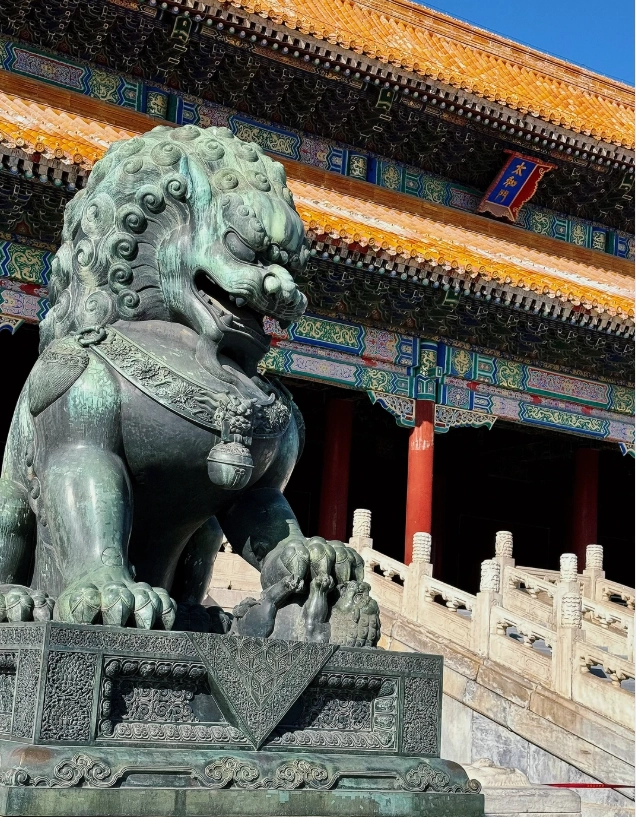
Pro tip from a guide: If the Meridian Gate line is crazy long (like 50 people deep), don't just stand there. Walk further east along the moat — there are two smaller inspection channels at the side that many skip. I use them every time.
Opening hours: 8:30 AM – 5:00 PM (peak), 8:30 AM – 4:30 PM (off-peak). Last entry is 1 hour before closing. The museum closes the halls one by one starting 30 min before closing. Aim to finish your visit by 4 PM at latest to avoid being rushed out.
FAQ: Forbidden City Layout Tips
One last thing from my own experience: The restroom near the Nine-Dragon Screen (east wing) is always less crowded than the ones on the central axis. Trust me, you'll thank me when you see the queue at the main hall toilets.
Verified and fact-checked by the editorial team. This content has been fact-checked to ensure informational precision.





As someone who's obsessed with photography, I was worried I'd spend half the day backtracking for good shots. This guide helped me plan my route to hit the most photogenic spots in the right order – the Hall of Preserving Harmony at golden hour was incredible! The layout tips are clear and super practical. Worth every penny (or minute saved).
I'm usually terrible with maps, but this guide made navigating the Forbidden City feel like a breeze. The breakdown of each courtyard and the best routes to avoid the tourist herds was spot on. I loved how they pointed out the hidden corners near the gardens – perfect for a quiet break. Honestly couldn't have done it without this. Five stars!
This is an absolute must-read before you step foot in the Forbidden City! I used it as my cheat sheet and didn't get lost once – even when the crowds got thick. The tip about looking for the bronze lions at each gate was genius. My feet were thanking me by the end because I didn't waste any steps. Highly recommend printing it out!
Pretty helpful overall! The tip about following the central axis from south to north made a lot of sense once I got inside. I only wish they included more details about the side halls – I almost missed the Clock and Watch Gallery because the directions were too vague. Still, saved me from wandering aimlessly for an hour, so it's a solid 4.
Honestly, I was expecting more from this guide. The descriptions of the Hall of Supreme Harmony and the inner court were decent, but the directions to navigate between them got confusing when you're actually there. I ended up doubling back twice because the landmarks mentioned didn't match what I saw. Not terrible, but definitely not the lifesaver I hoped for.
One of the most impressive historical sites I've ever visited. The Forbidden City is enormous but actually quite logical once you understand the central axis layout. We followed a self-guided route from a blog post and it worked perfectly. The architecture is uniform yet each gate tells a story. I was blown away by the intricate details on the marble ramps. Bring water and comfortable shoes — you'll walk a lot! This is an absolute highlight of Beijing.
This place is a masterpiece. I'm a history buff, so walking through the exact same corridors where emperors once walked gave me chills. The detail in the painted beams and the stone carvings is incredible. I especially loved the exhibition halls with the original artifacts — the dragon throne and the jade collection are stunning. We came at 8:30 AM when it opened, and the early morning light made everything glow. Do yourself a favor and book the fast-track ticket in advance.
Honestly, I was a little disappointed. Maybe it's because we went on a Saturday afternoon? It was insanely crowded — couldn't even get a good photo without fifty people in the background. The layout really is a maze; we got lost several times and the directional signs were confusing. Also, some of the halls were closed for renovation, so we didn't get to see everything. For the entrance fee, I expected more. Would have rather spent the time at Jingshan Park for the view.
Pretty impressive, but honestly, the navigation was a bit tricky. The signs are mostly in Chinese, and the English translations are small or missing in some areas. We ended up backtracking quite a bit. That said, the architecture is breathtaking, and the Hall of Supreme Harmony is a jaw-dropper. If you plan ahead and download a map beforehand, it's a 5-star experience. Without it, be ready for some frustration.
Absolutely stunning! The sheer scale of the Forbidden City is mind-blowing. We spent almost 4 hours walking through the halls and courtyards, and I still felt like I barely scratched the surface. The red walls and golden roofs are even more vibrant in person. I highly recommend getting the audio guide — it brought the history to life. My favorite spot was the Imperial Garden; so peaceful despite the crowds. A must-see in Beijing!