 Bo Wu
Bo Wu
What’s Inside
First time at the Temple of Heaven? You’ll see everyone clustered at the south gate, tripods bumping into each other. I’ve watched that scene for years. Here’s the truth: the best shots aren’t there. They’re hidden in the quieter corners, where the light falls exactly right. Let me show you exactly where to stand, when to click, and what to avoid — no fluff.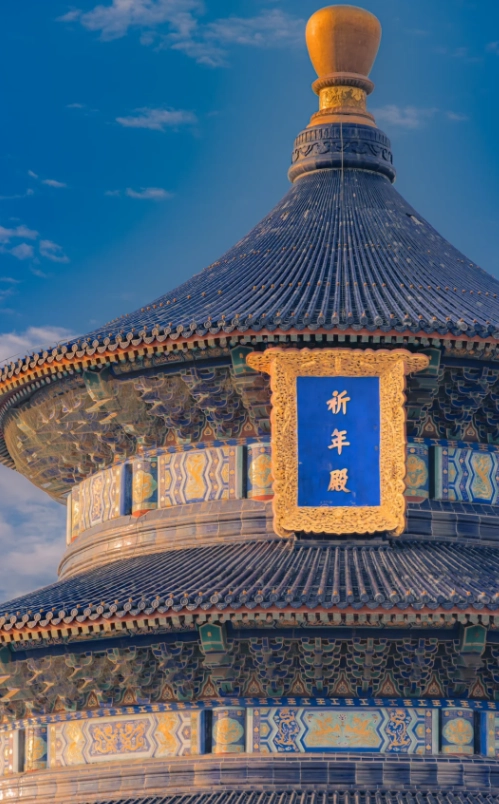
Now, let’s dive into the details.
Why the Temple of Heaven?
Built in 1420, this UNESCO site isn’t just an altar — it’s a geometric masterpiece. Three round terraces, blue-tiled roofs, and white marble balustrades create layers of symmetry that photographers dream about. But many visitors get stuck photographing the iconic hall head-on, missing the play of shadows and reflections. I’ve guided hundreds of guests, and the ones who walk away with stunning shots are those who explore the periphery.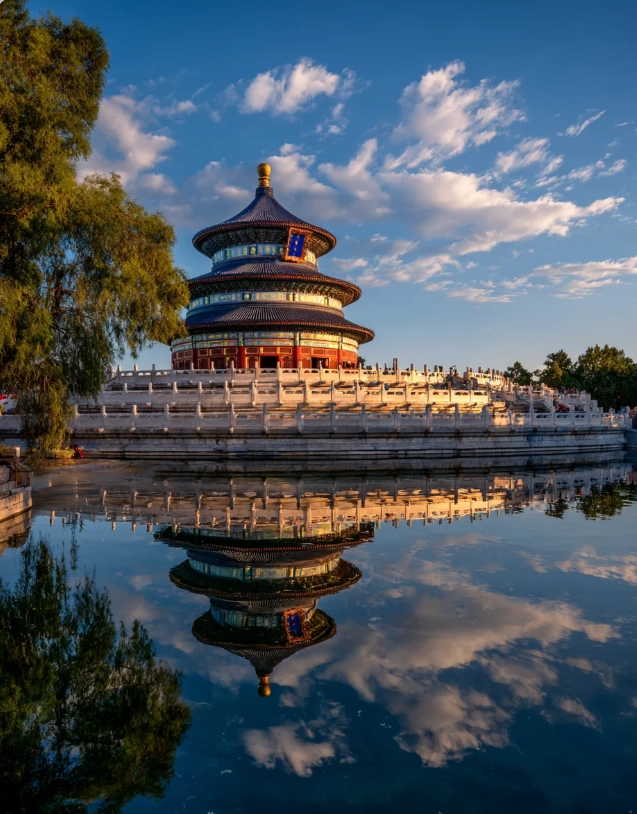
Best Temple of Heaven Photography Spots
1. The Hall of Prayer for Good Harvests (Qi Nian Dian)
Address: Inside the Temple of Heaven, Dongcheng District, Beijing
Best angle: Don’t shoot from the center line. Instead, walk to the east side of the hall around 4 PM. The sunlight hits the golden ball on top and casts a warm glow on the blue tiles. Use a 24-70mm at 24mm, crouch low to include the marble steps.
Crowd hack: Most tour groups leave by 4:30 PM. Stay until 5 PM for near-empty shots.
2. The Imperial Vault of Heaven (Huang Qiong Yu)
This smaller circular building is often overlooked. Its curved roof and surrounding wall create a natural frame. Tip: Position yourself at the southwest corner of the wall, about 50 meters away. Use a telephoto (70-200mm) to compress the perspective. The afternoon light highlights the intricate bracket sets under the eaves.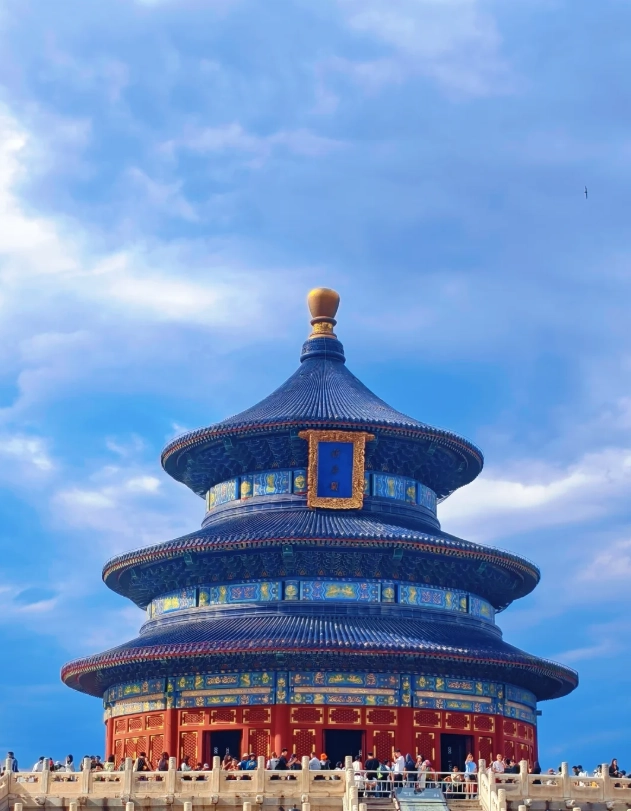
3. The Circular Mound Altar (Huan Qiu Tan)
Three tiers of white marble — perfect for minimalistic compositions. Best time: Early morning (7 AM) when the ground is wet from cleaning, creating a mirror effect. Warning: The center stone is always surrounded by people. Instead, frame the empty outer ring with the altar in the background.
4. The Echo Wall
Don’t just record the acoustic trick. The wall itself, with its grey bricks and red pillars, makes beautiful leading lines. Stand at the north gate of the wall, shoot southward along the curve, wait for a person in a bright coat to walk into the frame — instant storytelling.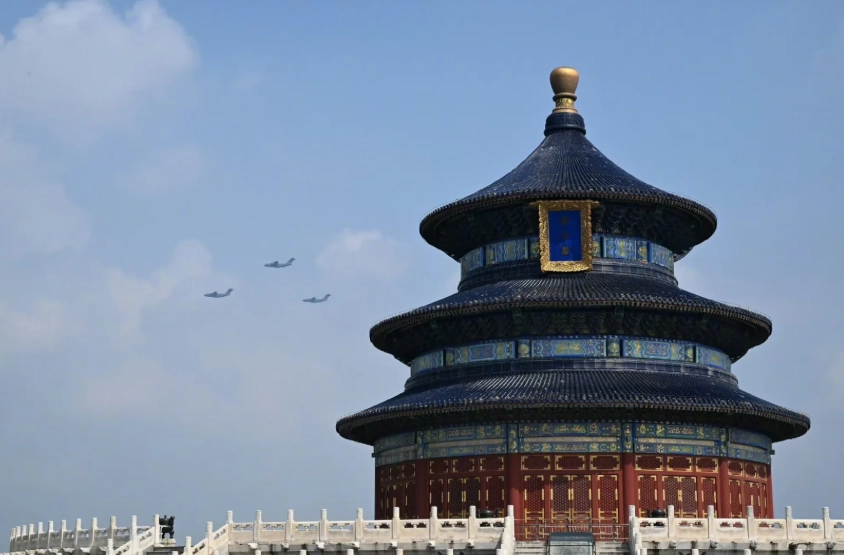
5. The Long Corridor & Gardens
This covered walkway connects the main buildings. Locals practice tai chi or play instruments here. Photography tip: Use a fast shutter (1/250s) to freeze a spinning fan or a flying pigeon. The dappled light through the lattice creates a stage-like effect. My favorite spot is the third section from the north — fewer people, more character.
When to Shoot: Lighting and Crowd Avoidance
Golden hours: 7-8:30 AM (east gate entrance) and 3:30-5 PM (park closes at 6 PM in summer, 5 PM in winter). Midday light washes out the blue tiles — avoid it unless you want harsh shadows for dramatic black-and-white conversions.
Seasonal nuance: Spring (April-May) has blooming flowers around the altar — great foreground interest. Autumn (October-November) offers golden ginkgo leaves near the west gate. Summer is hot (35°C+) and crowded; winter gives you crisp air and fewer tourists, but the park closes earlier.
Weekday vs weekend: Weekdays are noticeably quieter. If you must go on a weekend, arrive at 6:30 AM when the gate opens — you’ll have about 90 minutes of relative peace.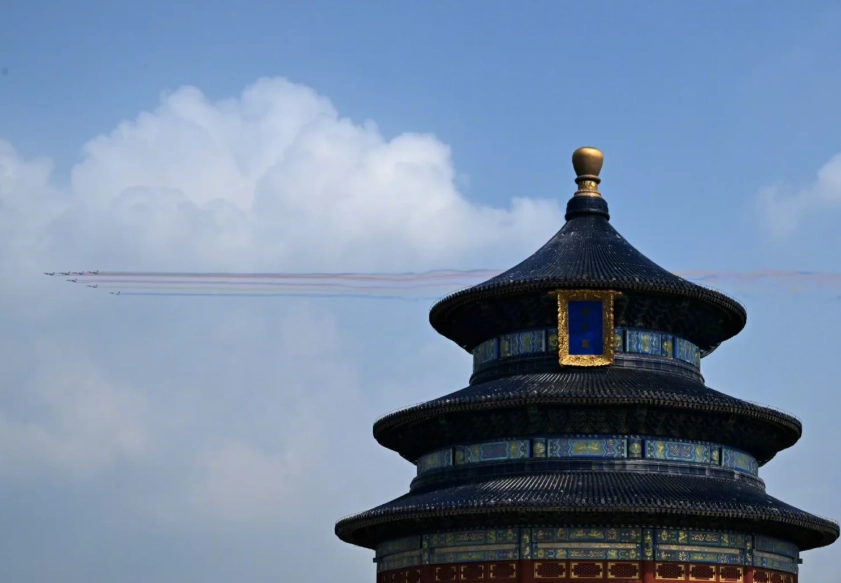
Essential Gear and Camera Settings
| Item | Recommendation | Why |
|---|---|---|
| Lens | 16-35mm f/2.8 (ultrawide) + 70-200mm f/4 | Wide for architecture, telephoto for details and compression |
| Filter | Circular polarizer (CPL) | Reduces glare on marble and saturates the blue sky |
| Tripod | Lightweight travel tripod (allowed, but not in crowded central areas) | For long exposures of the altar at dawn |
| Settings | Aperture priority, f/8-f/11, ISO 100-400 | Sharp depth of field; keep ISO low for clean skies |
| Shutter speed | 1/60s handheld with stabilization; for crowds use 1/250s | Prevent blur; freeze motion if people are moving |
Photography Tips from a Local Guide
1. Avoid the main north-south axis after 10 AM. That’s where every tour bus drops people. Instead, enter from the West Gate (closest to subway line 5, Tiantandongmen Station Exit A). Fewer people, and you’ll approach the Hall of Prayer from a side — a more unique composition.
2. Use the reflection in the moat. The Hall of Prayer is surrounded by a small moat. On calm days, you can get a perfect reflection by kneeling at the southeast corner. Best done before 8 AM when the water is still.
3. Don’t forget the red walls. The outer wall of the temple complex is 5.6 km long. Near the south gate, there’s a section where the wall curves and the shadows create stripes — great for minimalist portraits.
4. Bribing the guards? No — but smiling works. The staff aren’t allowed to let you into closed areas, but I’ve had many guests get “exceptions” by being polite and showing a small print of the site. Just ask nicely; the worst they can say is no.
5. Drone? Absolutely not. The airspace above the Temple of Heaven is restricted. Don’t even try — you’ll get fined and your gear confiscated.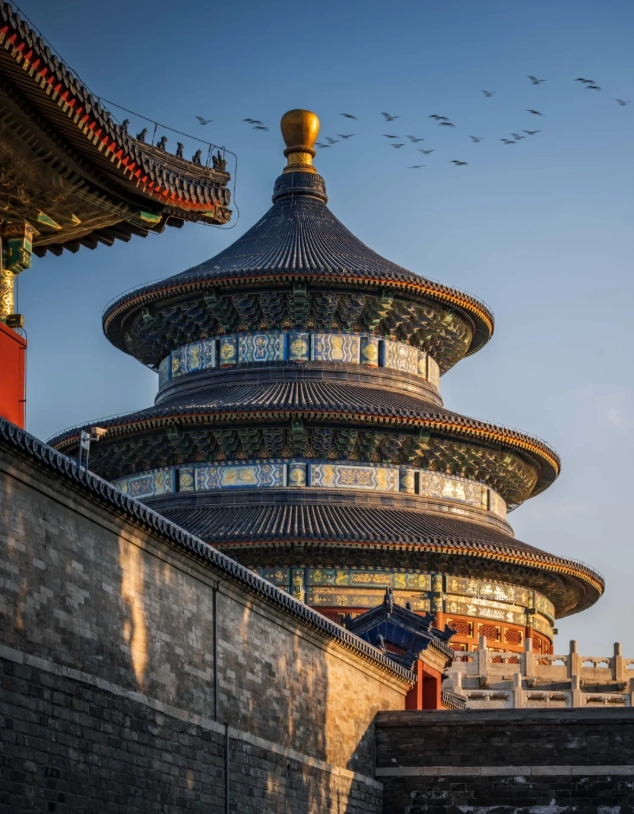
Ticket and Entry Information
| Detail | Info |
|---|---|
| Price (peak Apr-Oct) | Combined ticket: ¥34 (adult); ¥17 (child 6-18, senior 60+). Park-only: ¥15 (adult). |
| Price (off-peak Nov-Mar) | Combined: ¥28 (adult); ¥14 (child/senior). Park-only: ¥10. |
| Booking required? | Yes. Use the official WeChat mini-program “天坛” or book through Trip.com. You’ll need a Chinese phone number or a hotel receptionist to help. |
| Opening hours | Park: 6:00-21:00 (Apr-Oct), 6:30-20:00 (Nov-Mar). Inner buildings: 8:00-17:30 (Apr-Oct), 8:00-17:00 (Nov-Mar). Last entry 30 min before close. |
| Address | 28 Tian Tan Road, Dongcheng District, Beijing. Subway: Line 5, Tiantandongmen Station, Exit A (4 min walk to East Gate). |
| Facilities | Wheelchair accessible ramps at main gates; audio guides available in English (¥40, ID required). |
Payment note: International credit cards (Visa/Mastercard) are NOT accepted at the ticket booth. Bring Chinese cash (RMB) or use Alipay/WeChat Pay. Many foreigners get stuck — ask your hotel to prepay with a QR code.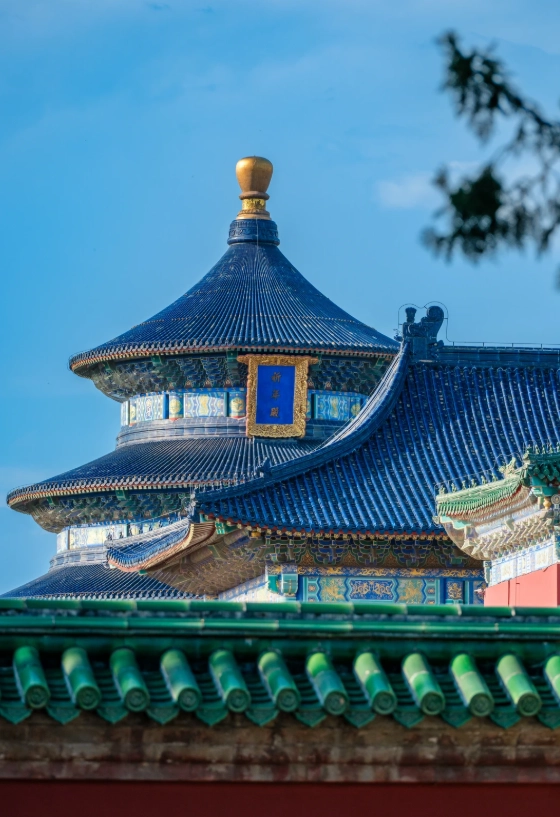





No comments yet.