 Hui Lin
Quick Look
Let me paint you a picture.
I'm standing at the base of the Badaling Great Wall on a Tuesday morning in mid-October. The air is crisp, the sky is a deep blue, and there are maybe 30 people scattered across the ancient stones. No elbows. No selfie sticks in your face. Just the wall, stretching into the mountains.
That's the Badaling I want you to experience. Not the one you see on Instagram where it's a human river. The secret? It's all about timing.
The best time to visit Badaling Great Wall isn't a single month—it's a combination of season, day of the week, and hour. Most guides say "spring and autumn" and leave you hanging. I'll give you the exact formula I've used for years.
Here's the bottom line: mid-April to May and September to October, on a weekday, arriving at 7:30 AM (right when the gates open). That's your golden ticket to a peaceful, memorable climb.
Now, let me walk you through every detail so you can plan like a pro.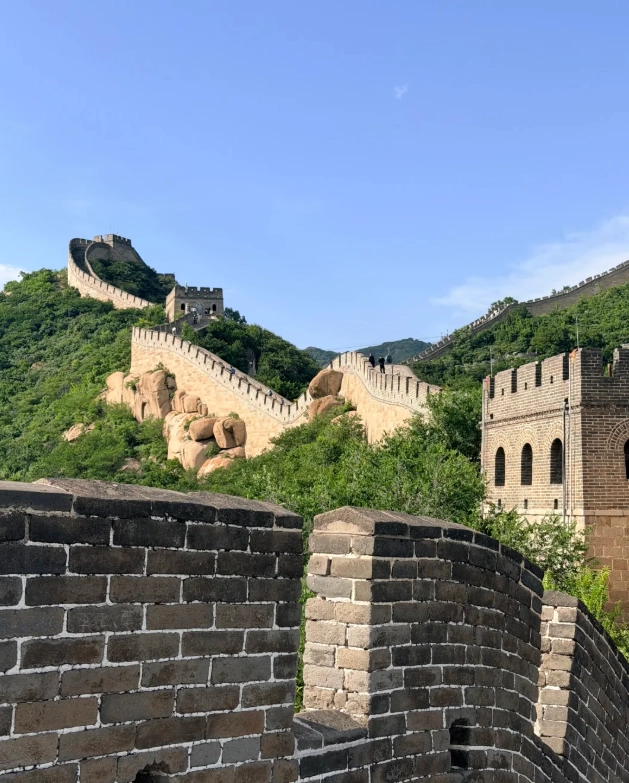
Why Timing Matters More Than You Think
Badaling is the most popular section of the Great Wall—and for good reason. It's the most restored, easiest to access from Beijing, and offers stunning panoramic views. But popularity comes with a cost: crowds. During peak season (May, October, and Chinese public holidays), the wall can feel like a subway car at rush hour. I've seen visitors turn back after 200 meters because they couldn't move.
But here's the thing: the best time to visit Badaling Great Wall isn't just about avoiding people. It's about maximizing your experience. The light for photos, the temperature for hiking, even the cleanliness of the facilities—all hinge on when you go.
What Most Online Guides Get Wrong
Many posts tell you to "go in spring or autumn" without specifics. They don't mention that early March is still chilly and often foggy, or that late November can be brutally windy. They ignore the fact that weekend crowds are almost as bad as holidays. And they rarely explain why the morning is critical.
I've personally led over 100 tours here. I've made every mistake so you don't have to. The following insights come from real experience, not generic data.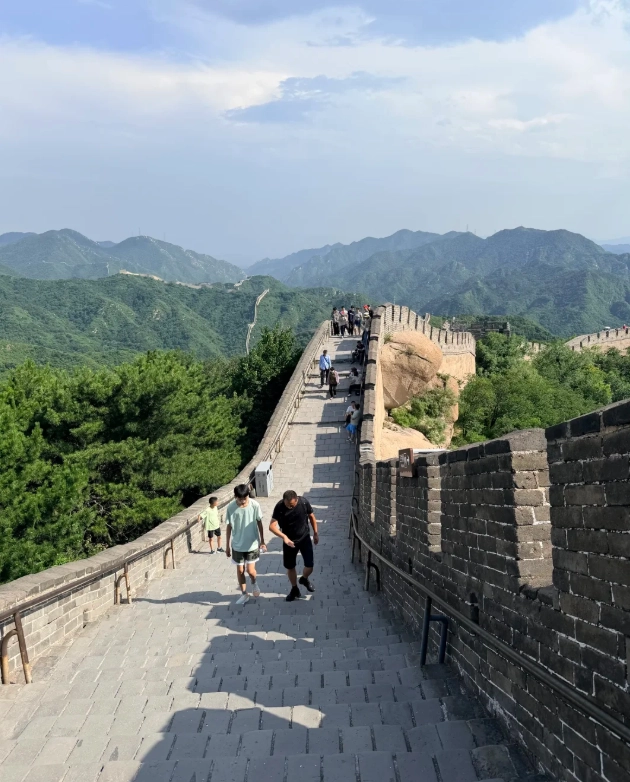
Seasonal Breakdown: Month by Month
| Month | Weather | Crowd Level | Rating (1-5) |
|---|---|---|---|
| January-February | Very cold (-5°C to 2°C), possible snow, clear skies | Low | 3 |
| March | Cold (0-10°C), occasional dust storms | Low-moderate | 2 |
| April (mid-late) | Mild (10-20°C), blooming flowers | Moderate (weekdays low) | 5 |
| May | Warm (15-25°C), sunny, perfect | High (especially Labor Day week) | 4 |
| June-August | Hot (25-35°C), humid, frequent rain | Very high (summer break) | 2 |
| September | Pleasant (15-25°C), clear, golden | Moderate (weekdays low) | 5 |
| October | Cool (5-15°C), autumn colors peak | Extreme (National Holiday Oct 1-7) | 3 (weekdays: 5) |
| November-December | Cold (0-5°C), windy, few tourists | Low | 3 |
My pick: Late April and late September are the sweet spots. The weather is comfortable, and if you avoid weekends, you'll have sections of the wall almost to yourself.
Best Time of Day: Beat the Clock
You've chosen the right season. Now, the hour matters just as much.
Opening time is 7:30 AM (both summer and winter—yes, it's consistent). That's your target. Here's why:
- 7:30-9:00 AM: Magic hour. The light is soft for photos, the air is fresh, and you can walk at your own pace. Most tour buses don't arrive until after 9:30 AM.
- 9:00 AM - 12:00 PM: Crowds start building. Still manageable on weekdays, but on weekends—expect lines at cable cars and congested sections.
- 12:00 - 2:00 PM: Peak chaos. This is when all the day-trippers converge. Avoid unless you enjoy queues.
- 2:00 PM - 4:00 PM: Afternoon lull? Not really. School groups and late arrivals keep it busy. Plus, the sun is directly overhead—bad for photos.
- 4:00 PM - closing (5:00 PM in winter, 6:00 PM in summer): Another good window. Fewer groups, golden hour light. But you'll have less time to explore—the wall is long.
I always tell my clients: arrive at 7:15 AM, buy your ticket online in advance (more on that below), be among the first through the gate, and head straight to the right side (the steeper one). Most tourists turn left—so going right gives you solitude.
What About Sunset?
Sunset is beautiful, but note that the wall closes early—around 5-6 PM depending on season. You won't be able to stay until the sun fully sets unless you're on an after-hours tour (which are rare and expensive). Stick with early morning.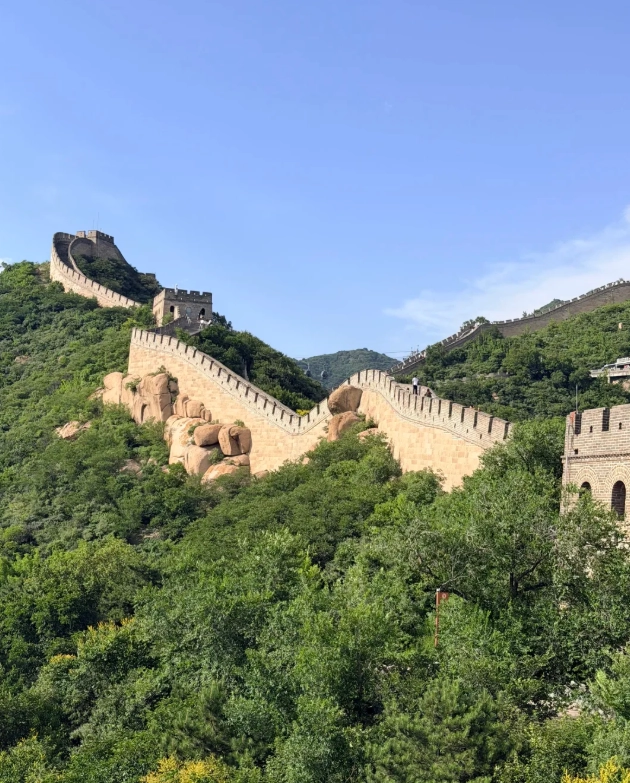
Ticket & Practical Tips
| Item | Details |
|---|---|
| Adult ticket (peak season Apr-Oct) | 40 CNY (about $5.50) |
| Adult ticket (off-peak Nov-Mar) | 35 CNY |
| Children (under 6 or under 1.2m) | Free |
| Students (with valid ID) | 20 CNY |
| Seniors (60+ with ID) | Free or half price (varies) |
| Cable car (round trip) | 140 CNY (adult), 100 CNY (child) |
| Sightseeing train | 60 CNY one way |
How to book: You must book online in advance, especially during peak season. Use the official WeChat mini-program called "八达岭长城" (search in WeChat) or third-party platforms like Trip.com. Walk-up tickets are often sold out by 10 AM. If you're not comfortable with Chinese apps, ask your hotel concierge to help—they do this daily.
Address: Badaling Town, Yanqing District, Beijing. GPS coordinates: 40.3541° N, 115.9980° E.
How to get there:
- From Beijing North Railway Station (Beijing North): Take the S2 train to Badaling station. It runs several times daily; check schedule on 12306.cn. Travel time ~90 minutes. Get off and walk 10 minutes or take a free shuttle bus to the entrance.
- By bus: No. 877 express bus from Deshengmen Arrow Tower (东直门 or 德胜门) directly to Badaling. Runs every 30 minutes from 6 AM. Cost: 12 CNY. Trip takes about 1.5 hours depending on traffic.
- By taxi/ride-hailing: From central Beijing, expect ~250-350 CNY and 1.5 hours. I recommend Didi (the Chinese Uber)—have the destination written in Chinese: 八达岭长城. Avoid drivers who quote stupidly low prices—they often add fees.
Facilities: Restrooms are at the entrance, a few along the wall (but they're basic). Bring hand sanitizer. Wheelchair access is limited; the wall is steep and has steps. There are lifts for the cable car, but the wall itself is not wheelchair-friendly.
What to wear: Comfortable walking shoes are non-negotiable. In spring/autumn, layers—it can be chilly in the morning and warm by noon. In summer, bring a hat and sunscreen. In winter, thermal underwear, gloves, and a windproof jacket. I've seen too many tourists shivering in January.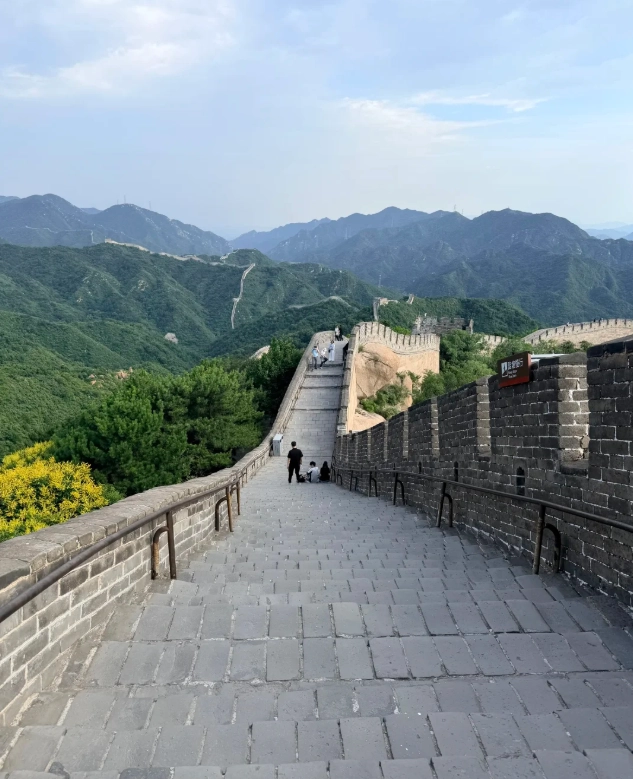






No comments yet.