 Peng Gao
What You’ll Find Here
I’ll be honest with you. I’ve dragged hundreds of tourists up the Badaling Great Wall, and every single time, the first reaction is either “Wow, it’s exactly like the photos” or “Is this the only part?” The truth is, Badaling is the most visited section for a reason — it’s close to Beijing, well-restored, and easy to access. But it’s also the most crowded, and if you hit it at the wrong hour, you’ll spend more time posing for photos with strangers’ elbows in your shot than actually enjoying the ancient wonder.
So, is Badaling Great Wall worth visiting? Short answer: Yes, if you plan smart. Long answer: Read on — I’ll tell you exactly how to avoid the tourist traps, when to show up, and what to expect.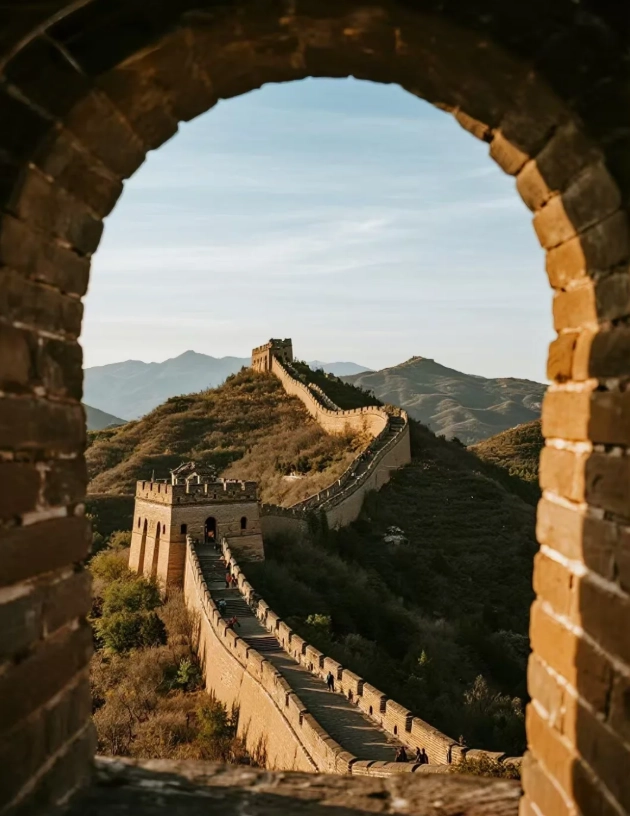
Why Badaling Draws So Many Visitors (and Why It’s a Double-Edged Sword)
The Pros: Accessibility and Iconic Views
Badaling is the only section of the Great Wall that’s directly served by a high-speed train from Beijing North Railway Station. The journey takes just 25 minutes — no traffic jams, no uncertainty. Once you arrive at Badaling station, it’s a 5-minute shuttle bus ride to the entrance. For travelers short on time, that convenience is unbeatable. The wall itself is well-maintained, with smooth stone steps and restored watchtowers that give you that classic Great Wall look you see in documentaries. The views from the higher towers — especially Tower 4 and Tower 8 — are stunning, with the wall snaking across green mountains.
The Cons: Crowds and Commercialization
Here’s the catch: Badaling is a victim of its own success. On peak days (weekends, Chinese holidays, and summer), the wall feels like a human river. You’ll find souvenir stalls at every turn, people hawking bottled water for ¥10, and long lines for the cable car. I’ve seen days where it takes 40 minutes just to get past the ticket gate. And if you’re coming from a foreign country, the digital payment and booking system (WeChat mini-program) can be a nightmare — it’s all in Chinese, and international credit cards rarely work. Many of my clients have ended up stranded at the ticket office, unable to buy a ticket because they didn’t pre-book.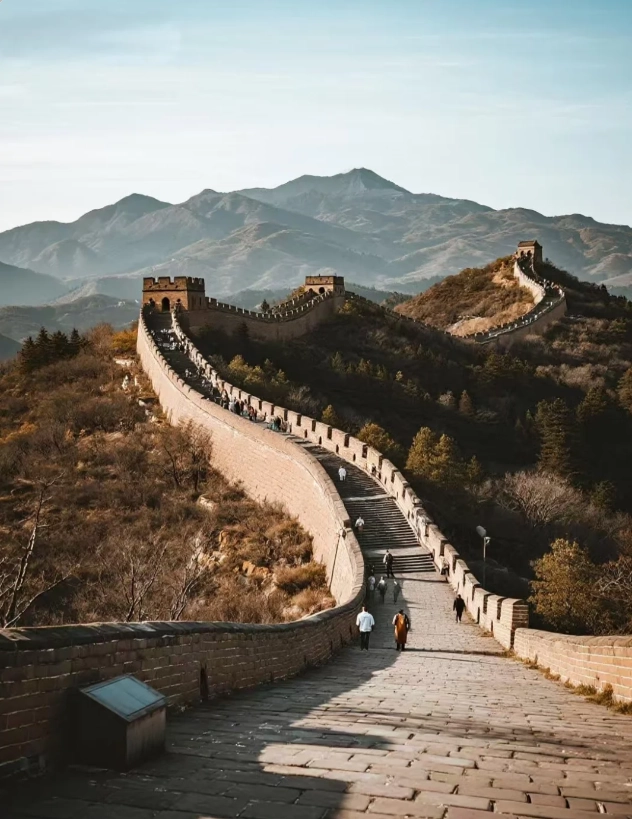
How to Decide: Is Badaling Great Wall Worth Visiting for You?
First-Time Visitors vs. Seasoned Travelers
If it’s your first trip to China and you only have one day for the Great Wall, Badaling is your best bet. The high-speed train saves you 2–3 hours compared to driving to Mutianyu. Plus, it’s the section most people picture when they think of the Great Wall — that cultural payoff is real. But if you’ve already seen other sections, or if you’re a seasoned backpacker who hates crowds, skip it. Head to Jinshanling for a hike that feels like you’re alone on the wall.
The Key Factor: Time and Crowd Avoidance
The deciding factor is when you arrive. Most tour groups and independent travelers show up between 10:00 and 14:00. If you arrive at 08:00 (when the gate opens), you’ll have a solid 90 minutes of relatively empty wall. I always tell my clients to catch the first high-speed train from Beijing North at 07:10. You’ll be on the wall by 08:00, take your photos, and be done before the crowds descend. Conversely, arriving at 15:00 also works — most people are leaving, and the light gets golden for photography. But check the closing time: the wall officially closes at 17:00 (winter) or 18:00 (summer), and they start shooing people off around 16:30.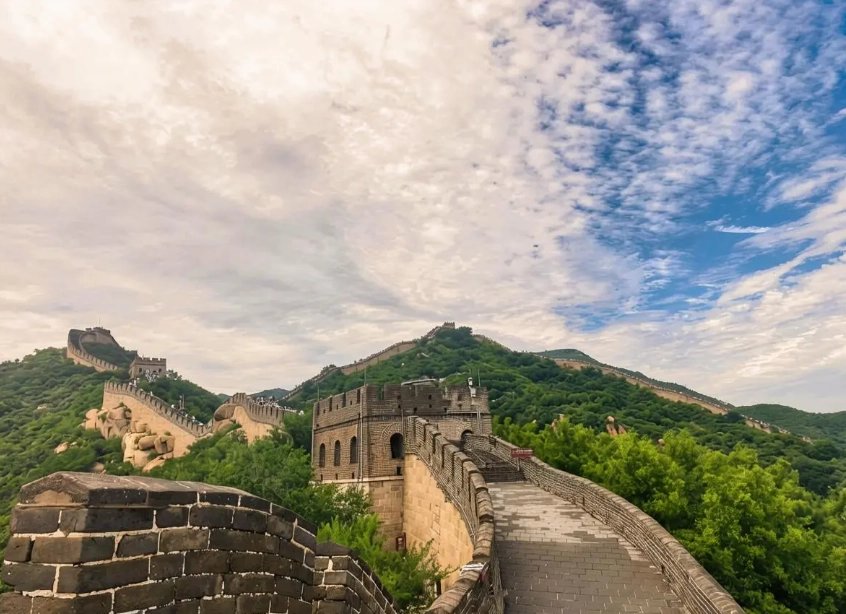
The Ultimate Guide to Visiting Badaling Without the Headache
Best Time to Go (Hour-by-Hour Breakdown)
Based on my experience, here’s the optimal schedule:
- 07:10 – Board the high-speed train from Beijing North (arrives 07:35).
- 07:50 – After shuttle bus and ticket scanning, you’re on the wall.
- 08:00 – 09:30 – Golden window. Walk toward Tower 4 or 8, take all your photos.
- 09:30 – 10:30 – Crowds start building. Head back down, visit the Great Wall Museum (free) if you have time.
- 10:30 – Catch the return train (runs every 30 minutes). You’ll be back in Beijing before lunch.
If you can only manage an afternoon slot, arrive at 14:00. The light is better, but you’ll have to compete with the last wave of groups. Still, it beats the midday madness.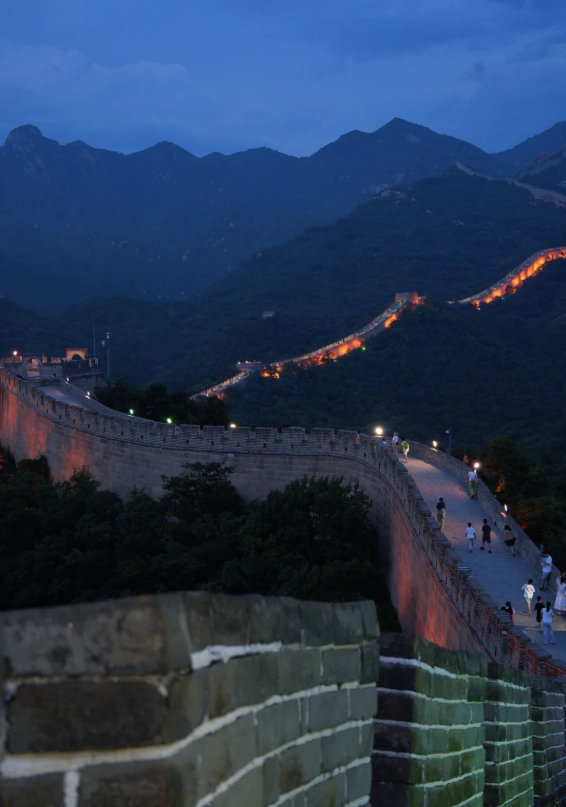
Ticket Booking: The WeChat Mini-Program Nightmare (and How to Fix It)
You must pre-book your ticket. Walk-up sales are almost always suspended. The official channel is the “Great Wall Badaling” WeChat mini-program. But if you don’t have WeChat Pay or a Chinese credit card, you’ll hit a wall. Here’s my workaround: ask your hotel concierge to book it for you. Most upscale hotels do this for free. Alternatively, use a third-party platform like Trip.com (they accept international cards and send you a QR code). Ticket prices: ¥40 (November–March), ¥45 (other months). Cable car is extra: ¥120 one way, ¥180 round trip. I usually recommend skipping the cable car if you’re fit — the walk up takes about 25 minutes and gives you a taste of what the wall feels like.
Transportation Options: Train vs. Bus vs. Private Car
The high-speed train from Beijing North (also known as Qinghe station for some services) is by far the best. Book your train ticket in advance on 12306.cn or via Ctrip. The train drops you right at Badaling Great Wall station. Alternatively, you can take bus 877 from Deshengmen, but it takes 2+ hours and gets stuck in traffic. Private car transfers cost around ¥600–800 and take 1.5 hours, but you need to arrange it through your hotel — and you’ll still have to compete with the traffic inside the scenic area.
What to Expect on the Wall: My Walking Route Recommendations
Once inside, you have two directions: North Wall (the steep, classic side) and South Wall (gentler, fewer people but less iconic). I always take first-timers up the North Wall as far as Tower 4, then turn back. Tower 8 is the highest point (the “Hero Slope”), but it’s packed with tourists taking that “I’m on the Great Wall” selfie. If you want a quieter spot, skip Tower 8 and go to the less-visited East side near the Great Wall Museum — there’s a short restored path where I’ve often had the whole section to myself. Just don’t venture beyond the official path: some areas are restricted.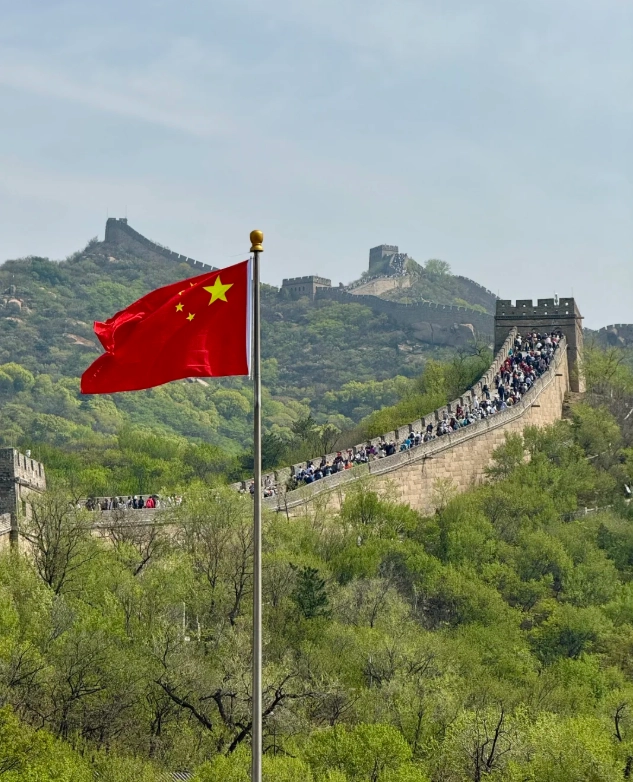
Badaling vs. Other Sections: A Quick Comparison
| Section | Distance from Beijing | Crowd Level | Difficulty | Best For |
|---|---|---|---|---|
| Badaling | 2h (high-speed train) | Very crowded | Easy (renovated) | First-timers, short visits |
| Mutianyu | 2.5h (by car) | Moderate | Moderate (partially restored) | Families, nature lovers |
| Jinshanling | 3.5h (by car/bus) | Low | Hard (original/rugged) | Hikers, photographers |
For most tourists, Badaling strikes the best balance of convenience and iconic visuals. But if you have an extra day, Mutianyu offers a more peaceful experience without losing too much time.
Insider Tips to Save Money and Time
Food and Drink: What to Bring vs. What to Buy
Bring your own water and snacks. On the wall, a small bottle of water costs ¥10–15 (double the market price). The restaurants near the entrance are overpriced and serve mediocre food. I always pack a couple of baozi from a street stall near my hotel — they’re cheap, filling, and don’t make a mess. There are no trash bins on the wall, so bring a plastic bag for your litter.
Dealing with Toilets and Facilities
The toilets at the base near the ticket gate are relatively clean (for Chinese scenic spots). But the ones on the wall, especially near Tower 4, are squat toilets with no soap and often a line. Tip: Use the toilet immediately before you start climbing. The line moves faster at the entrance restroom than up top. Also, bring hand sanitizer.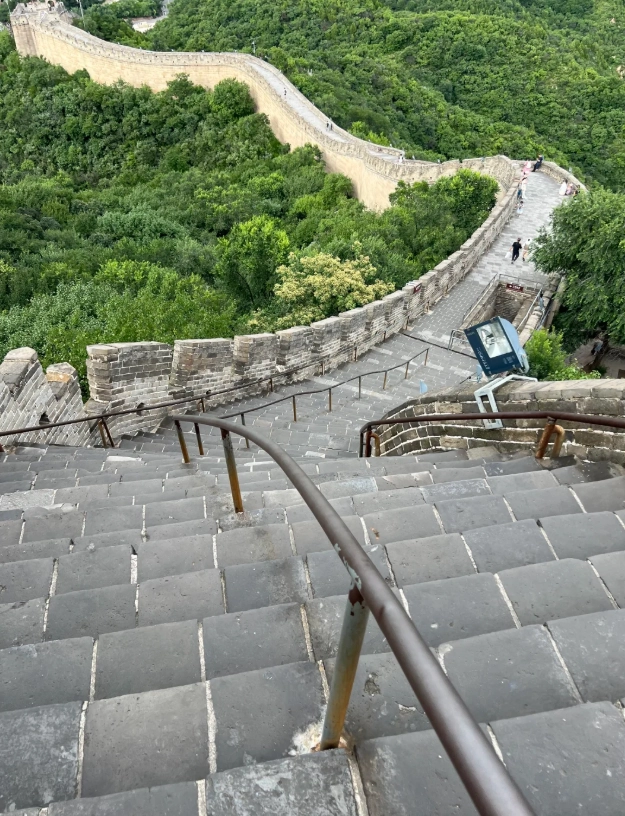
Photography Spots That Actually Work
Almost every guide tells you to shoot from Tower 8. But honestly, the best shot I’ve ever gotten was from the staircase between Tower 3 and Tower 4, pointing upward — it captures the curve of the wall without the crowds. Another hidden spot: the section near the East gate (exit toward the shuttle bus), where the wall runs parallel to the mountain. Late afternoon light there is gorgeous. And please, don’t climb onto the parapets for a photo — it’s dangerous and you’ll get yelled at by the wardens.





No comments yet.