 Bo Wu
Bo Wu
What's Inside?
I've been guiding groups through the Forbidden City for over a decade. And honestly? The biggest mistake tourists make is showing up without a game plan. The place is enormous — 180 acres, 980 buildings. You can't just wander and hope for the best. You need a map. Not just any map, but the right one and the know-how to use it. Let me break it down so you don't waste time stuck in a dead-end alley or baked in the sun.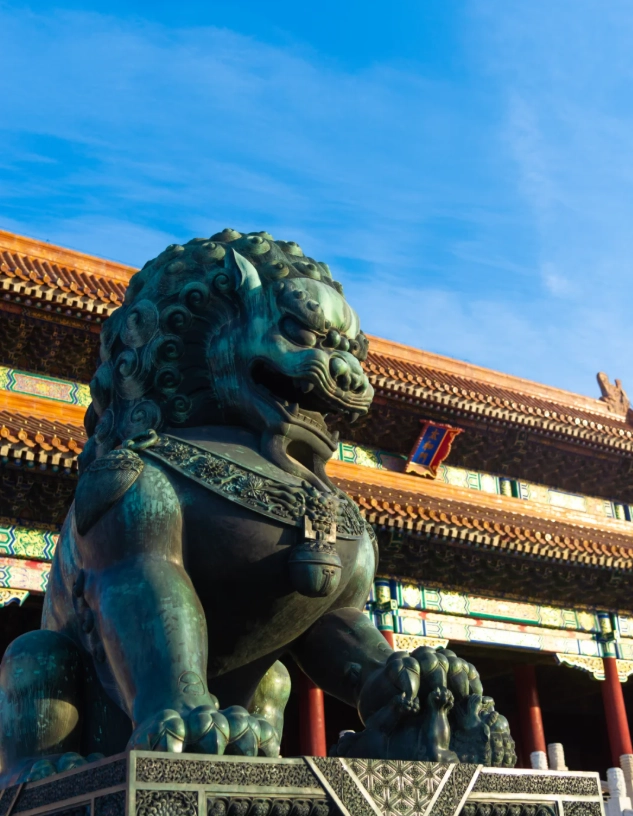
Why the Forbidden City Map Is Your Best Tool
The official Palace Museum map is actually quite good — once you understand its quirks. It marks all halls, gates, and service points. But here's the catch: the map is printed in Chinese with tiny English labels. And it doesn't show real-time crowd density. So your game plan should be: get the digital version on your phone, and use a printed copy as backup (battery dies fast in winter).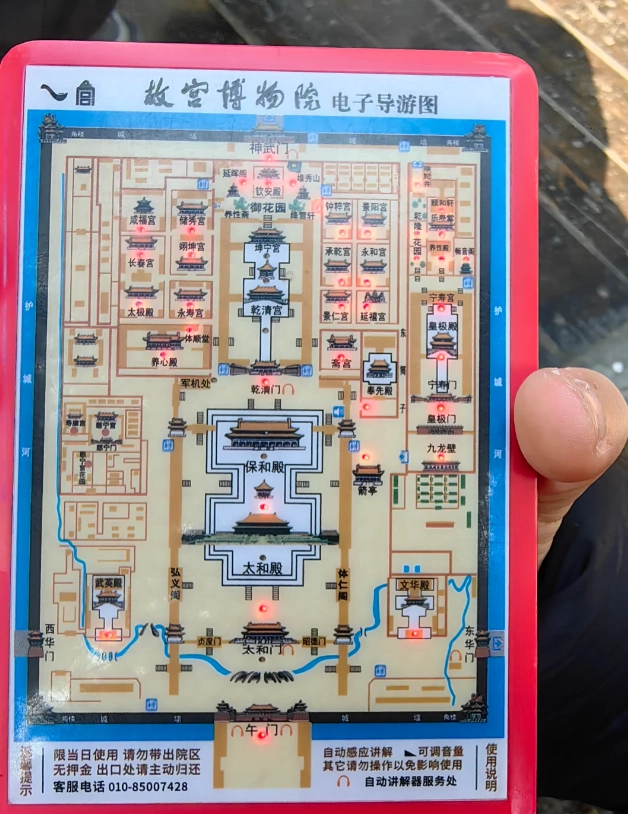
I always tell my clients: the map is your shield. It prevents you from walking into the central axis during peak hours (11am–2pm) where you'll be elbow-to-elbow with tour groups. Instead, use it to find side gates and less crowded exhibition halls. The map also highlights restrooms — and trust me, the ones near the ticket gate have lines up to 20 minutes. Use the ones deeper in the complex.
How to Read the Official Map Without Getting Lost
The Forbidden City is essentially a north-south rectangle with a central spine. The map labels the major halls: Meridian Gate (south entrance), Gate of Supreme Harmony, Hall of Supreme Harmony, etc. But the numbering system? It's not intuitive. Halls are numbered by their historical use, not by visit order. My trick: ignore the numbers. Focus on the five gates (Meridian, Supreme Harmony, Heavenly Purity, Shenwu, and the side gates).
Download the Right Map Before You Go
You can download the official PDF from the Palace Museum website (dpm.org.cn). But it's in Chinese. Google Maps works inside? No — the buildings block GPS. So I recommend two apps: Google Maps offline (save the area) plus the Palace Museum official app (English version available). The app has an interactive map that shows your location via Bluetooth beacons inside some halls. It's not perfect, but it's better than nothing.
Key Symbols on the Map
| Symbol | Meaning | Where to Find It |
|---|---|---|
| Red star | Major Hall (must-see) | Central axis |
| Blue circle | Restroom | Near side gates |
| Green tree | Garden / Rest area | Imperial Garden, Qianlong Garden |
| Crossed knife & fork | Food & drink | Near Ice Room, at the north end |
| Yellow rectangle | Exhibition hall (paid extra) | Clock Gallery, Treasure Gallery |
The 3 Best Routes Based on Your Visit Time
You have only a few hours? Let me save you from decision fatigue. Here are three routes tailored to your schedule. I've tested every single one with real groups.
Route A: The 2-Hour Blitz (If You're Short on Time)
Enter at Meridian Gate (South), walk straight up the central axis to Shenwu Gate (North). That's it. You'll see the main halls: Supreme Harmony, Zhonghe, Baohe, then the Palace of Heavenly Purity. Total walk: about 1.5 km, no backtracking. But at noon? You'll be fighting crowds. My advice: go straight to the Hall of Supreme Harmony (skip taking photos at the gate — it's packed), then quickly move north. Spend 10 minutes in the Imperial Garden for a breather. Exit at Shenwu Gate. That's your efficient tour.
Warning: Don't stop at every plaque unless you have photographic memory. Pick 3 halls to read. You'll thank me later.
Route B: The Half-Day Deep Dive (4–5 Hours)
This is what I recommend to 90% of my clients. Start at Meridian Gate at 8:30 am (opening). Head immediately to the west side — away from the central axis. Explore the Hall of Martial Valor (Wuying) and the Palace Museum's ceramics collection. Then cross over to the east side around 10am to see the Clock and Treasure Galleries (extra ticket, but worth it). By noon, the central axis is jammed, so you'll be glad you're in the quieter gardens. After lunch, hit the central axis from 1:30–3pm (crowds thin out). Finish at the Imperial Garden and exit north.
Lunch spot: There's a small food court near the Ice Room (bingjiao). I always grab the steamed buns (Chinese: baozi, but you'll see them labeled). They're quick and cheap.
Route C: The Full-Day Explorer (6–8 Hours)
You want to see everything? Then you need a map in hand and good shoes. Start at 8:30 am, head east first to the Treasure Gallery and the Qianlong Garden (lots of detail). Then loop back to the central axis around 10:30 am. Between 11am and 1pm, hide in the smaller exhibition halls on the west side — the Hall of Great Harmony is actually one of the emptiest places after 2pm. Return to the central axis after 2pm. You'll have quieter corridors and softer light for photos. Exit at Shenwu Gate around 4pm (last entry 4:30 pm, but plan to leave by 4).
Ticket and Entry Tips That Save You Hours
Buying your ticket is the first hurdle. No walk-up sales anymore. You must book online via the official WeChat mini-program or through travel platforms like Trip.com. Book at least 7 days in advance in peak season (April–October, Chinese holidays). The mini-program is in Chinese — I've seen many foreigners stuck. Ask your hotel receptionist to help, or use Trip.com's English interface. Price: 60 RMB (peak) / 40 RMB (off-peak) for the base ticket. Treasure Gallery + Clock Gallery add 10 RMB each. Children under 6 free, seniors 60+ half price.
Entry gate: Only Meridian Gate (south) is for visitors. Shenwu Gate is exit only. Don't try to enter from the north. The line at Meridian Gate moves fast if you have a QR code ready. Save a screenshot of your ticket code.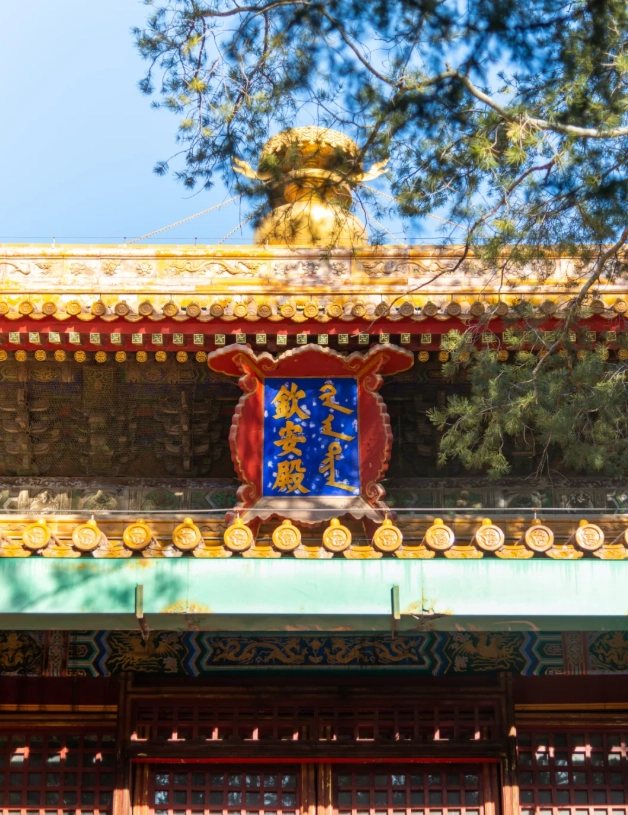
Hidden Spots Most Tourists Miss
The official map labels almost everything, but here are three gems that even the map doesn't highlight well:
- The Dui Digital Exhibition: Inside the Dui building (west side). It's a virtual reality show about the Forbidden City's history. Hard to find on the map but worth 30 minutes.
- The Eighteen Maids' Garden: Near the Qianlong Garden. It's a tiny courtyard with ancient pine trees and almost no crowds. Perfect for a quiet photo.
- The Bell and Drum Towers: At the far north end, before the exit. Most people rush past them, but they have an exhibition on ancient timekeeping. The map shows them as small grey squares.
FAQ: Answers to Real Questions
This content has been fact-checked to ensure informational precision.





No comments yet.