 Fang Wang
Quick Lookup
I still remember the frustration on Mr. Smith's face. He had a 72-hour layover in Shanghai, stuck at the Bund for three days. Now, with the new 240-hour transit policy, you can actually cross provinces. No need to be trapped in one city.
This policy is a game-changer. It allows you to book a 10-day itinerary covering multiple provinces—like Shanghai, Jiangsu, Zhejiang, and beyond. But here's the catch: most guides still assume you're locked in one area. I've seen tourists waste hours figuring out train schedules or losing money on last-minute bookings. Let me walk you through how to actually use this policy to see real China.
Here's the bottom line: you need a solid plan before you land. Book your inter-city trains on Trip.com (not local apps), get Alipay set up with a foreign card, and always carry your passport for ticket verification. Trust me, skipping any of these will ruin your vibe. Now, let's dive into the exact steps.
What Is the 240-Hour Transit Policy?
Officially called the 240-hour Transit Without a Visa (TWOV) policy, it allows citizens from 54 eligible countries to stay in China for up to 10 days without a visa. You must enter and exit through one of the 60 designated ports across 24 provinces, regions, and municipalities. Crucially, the policy now permits travel across these 24 administrative areas—not just a single city or province. Previously, the 144-hour (6-day) policy restricted you to one region (e.g., only Shanghai or only Guangdong). Now you can roam freely within the entire permitted zone.
How Cross-Province Travel Works
Cross-province tourism under this policy is straightforward: book your international flights, then plan domestic connections within the 10-day window. For example, you could fly into Shanghai, take a high-speed train to Nanjing (Jiangsu), then to Hangzhou (Zhejiang), and finally fly out of Shanghai. As long as you stay within the 24 permitted provinces (list: Beijing, Tianjin, Hebei, Shanghai, Jiangsu, Zhejiang, Fujian, Shandong, Henan, Hubei, Hunan, Guangdong, Guangxi, Hainan, Chongqing, Sichuan, Guizhou, Yunnan, Shaanxi, Gansu, Qinghai, Ningxia, Xinjiang, and the Tibet Autonomous Region—with some route restrictions), you're fine.
Domestic travel doesn't require additional permits. Just use your passport for train check-ins and hotel registrations. High-speed trains are the best option: they're punctual, comfortable, and connect most major cities in 1–5 hours. Book tickets via Trip.com (English interface, accepts foreign cards) or at the station (but stations rarely have English service). Avoid 12306.cn if you can't read Chinese.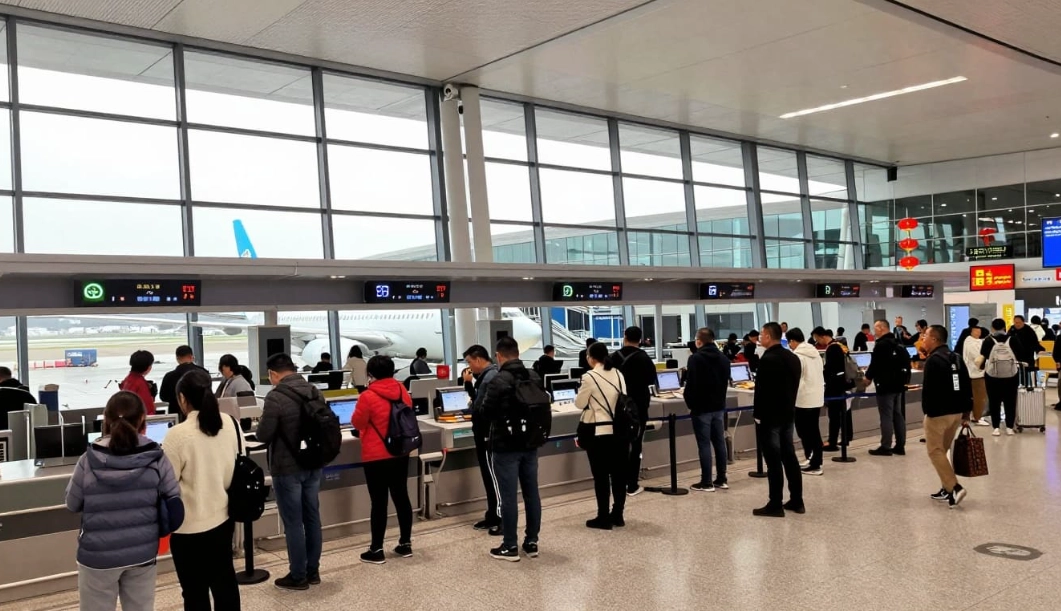
Best Inter-Provincial Routes (10 Days)
I've tested these routes with clients. They balance famous sights with realistic travel times.
Route 1: Yangtze River Delta (Shanghai – Suzhou – Hangzhou – Nanjing)
| City | Duration | Must-See | Key Details |
|---|---|---|---|
| Shanghai | 2 days | The Bund, Yu Garden | Free to walk; Yu Garden 30 RMB. Get off at East Nanjing Road station on Line 2. |
| Suzhou | 1.5 days | Humble Administrator's Garden | 80 RMB peak, reserve on Trip.com. Address: 178 Dongbei Street. Arrive by 8:30 AM to avoid crowds. |
| Hangzhou | 2 days | West Lake, Lingyin Temple | West Lake free; Lingyin 45 RMB. Rent a bike for the lake loop. Avoid weekends. |
| Nanjing | 1.5 days | Sun Yat-sen Mausoleum | Free, but reserve via mini-program (ask hotel for help). Closed on Mondays! |
Transport: High-speed train from Shanghai to Suzhou (25 min), Suzhou to Hangzhou (1.5 hr), Hangzhou to Nanjing (1 hr). Total train cost: ~400 RMB in second class.
My tip: Don't try to squeeze Nanjing into a half-day. The mausoleum climb takes 2 hours, and the museum there is excellent. I always tell clients to skip the Ming Tomb if short on time—it's similar but less accessible.
Route 2: Beijing – Xi'an (Two Historical Capitals)
| City | Duration | Must-See | Key Details |
|---|---|---|---|
| Beijing | 4 days | Great Wall (Mutianyu), Forbidden City | Forbidden City 60 RMB, reserve days ahead on Trip.com. Great Wall: private van recommended (800 RMB). |
| Xi'an | 3 days | Terracotta Warriors, City Wall | Warriors 120 RMB. Take bus 914 from Xi'an Railway Station (1 hr). City wall bike rental 45 RMB. |
Transport: High-speed train from Beijing to Xi'an (4.5 hr, 515 RMB). Fly back from Xi'an to your departure port (e.g., Xi'an to Shanghai if you entered through Shanghai).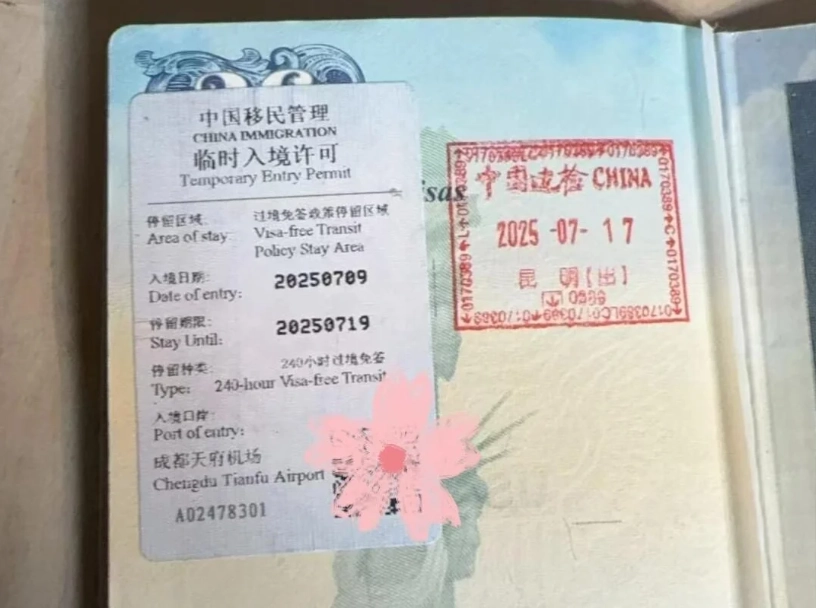
Practical Tips for a Smooth Trip
Payments: Alipay or WeChat Pay
Cash is increasingly hard to use. Set up Alipay with your international credit card before arrival. Link it to your phone number (get a SIM card at airport—China Mobile or Unicom). Small vendors may not accept cards, but Alipay scans work everywhere. I've had clients struggle because they thought they'd pay with Visa. Don't be that person.
Navigation: Forget Google Maps
Google Maps is blocked and inaccurate. Use Apple Maps (works for navigation) or download Gaode Map in Chinese. For ride-hailing, install DiDi (English version available). Show the driver your destination in Chinese—I always keep a screenshot of addresses handy.
Internet: VPN Required
You cannot access Google, Facebook, Instagram, or WhatsApp without a VPN. Install one like ExpressVPN before you arrive. Alternatively, buy a Hong Kong SIM card (works with roaming). Most hotels have Wi-Fi but block key sites. I use VPN on my phone 24/7.
Bookings: Reserve Everything Early
Attractions like the Forbidden City, Terracotta Warriors, and popular museums require reservation with your passport. Use Trip.com or Klook—they have English support and accept foreign cards. Avoid WeChat mini-programs; they're Chinese-only and a pain to navigate.
Frequently Asked Questions
Verified and fact-checked by the editorial team.






No comments yet.