 Yan Zhou
Quick Lookup
I’ve walked Pingjiang Road more times than I can count—soaked in summer sweat, shivered through winter drizzle, and watched first-time visitors get lost 20 meters from the entrance. This guide strips away the fluff and tells you exactly where to step, what to skip, and how to not blow your budget on overpriced tea.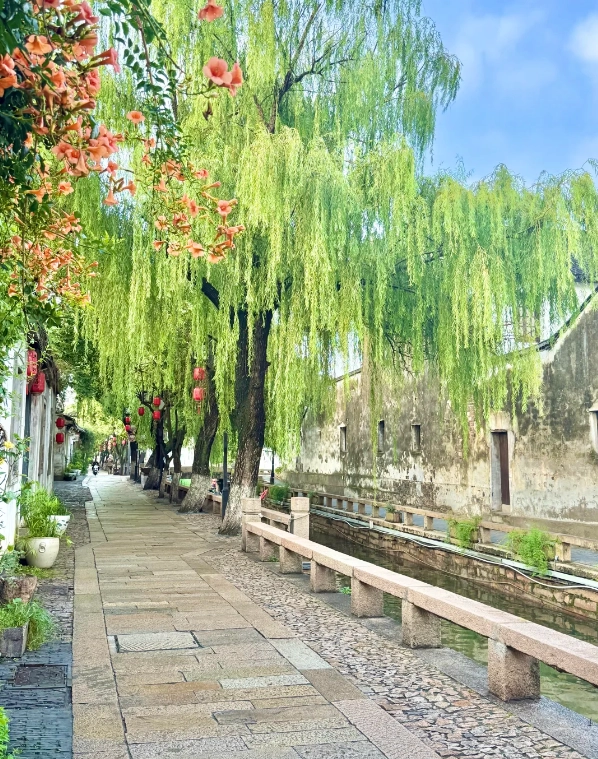
Why Walk Pingjiang Road?
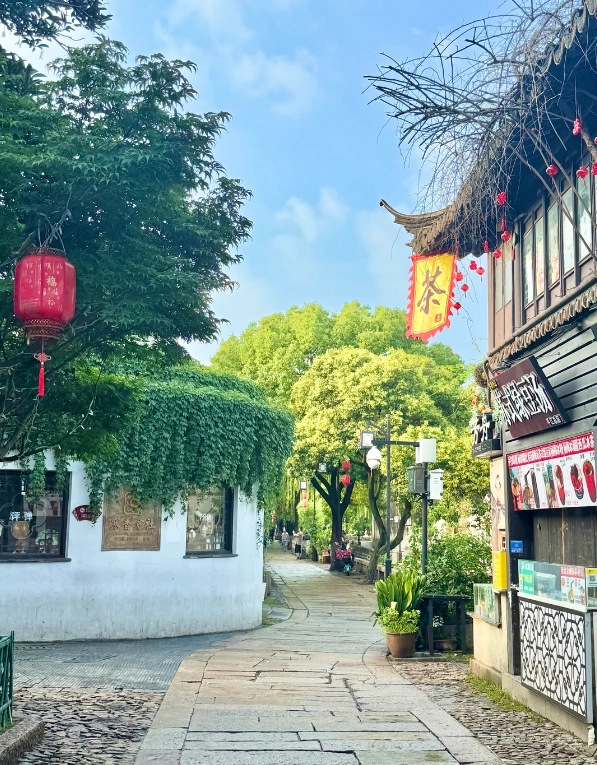
Pingjiang Road is Suzhou’s best-preserved historic street, running parallel to a narrow canal for about 1.6 kilometers. It’s not a museum—people still live here, hanging laundry out windows, cooking dinner, and occasionally yelling at tourists blocking their doorway. The charm is real, but so are the crowds. Most visitors rush through in an hour and miss the side alleys that hold the soul of the place.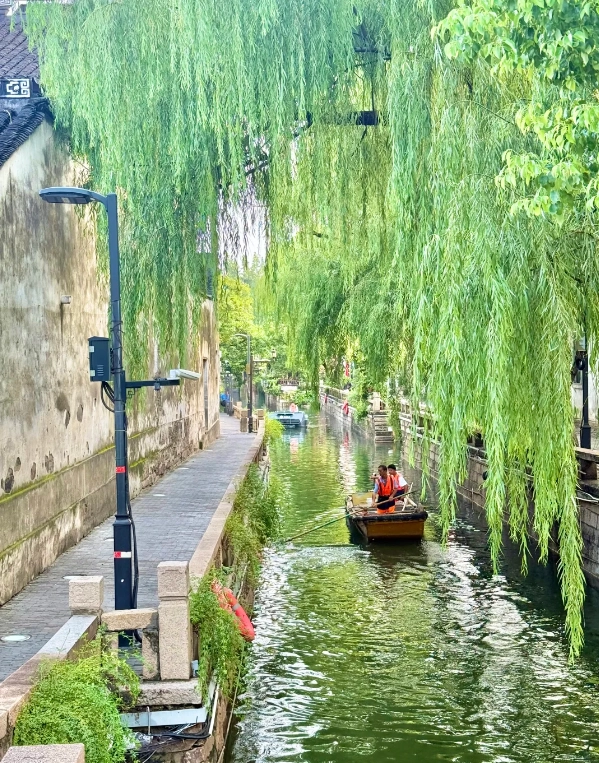
Getting There: Metro & Drop-off Spots
Forget taxis during peak hours—they’ll sit in traffic for 15 minutes just to move one block. Take the metro.
| Method | Details | Cost & Time |
|---|---|---|
| Metro Line 1 | Alight at Xiangmen Station (相门站), Exit 3. Walk straight for 5 minutes—you’ll hit the northern end of Pingjiang Road. | ~3 CNY, 15 min from city center |
| Metro Line 1 | Alight at Lindun Road Station (临顿路站), Exit 2. Walk east 8 minutes to reach the southern start. | ~3 CNY |
| Taxi / Didi | Tell the driver “平江路” (Ping Jiang Lu). Use Chinese characters—they won’t know “Pingjiang Road” in English. Drop-off at either end: Guanqian Street intersection or Baita East Road. | 15-30 CNY depending on distance |
Best Time to Walk (and When to Run)
I always tell my clients: go at 8:00 AM or 5:30 PM. Here’s why.
8:00 AM – The street is empty. Shop shutters are half-up, delivery guys unload vegetables, and old residents sit on stools drinking tea. You’ll see authentic Suzhou daily life, not selfie sticks. The light is soft for photos, and the air smells of fried dough and osmanthus.
5:30 PM (just before sunset) – The golden hour hits the whitewashed walls. Lanterns start glowing, and the evening crowd hasn’t flooded in yet. Plus, many food stalls open around 5 PM—fresh shengjian (pan-fried buns) straight from the pan.
Avoid: 10:00 AM–2:00 PM. Tour bus groups swarm in, the sun beats down (little shade on the main lane), and it’s a sweaty shuffle. If you can only go midday, duck into the side alleys for relief.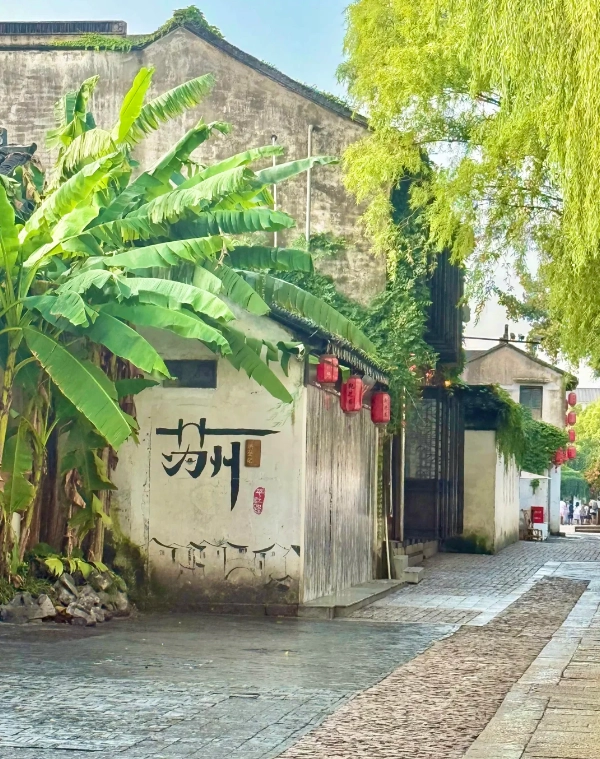
Must-See Stops & Hidden Corners
Pingjiang Road itself is the attraction, but a few places deserve extra attention. I’ve ranked them by how much they surprised me over the years.
| Spot | Why Stop | Location Hint | Time Needed |
|---|---|---|---|
| Hu Jia Lane | Narrowest lane, real houses, a tiny temple. You’ll see grandmothers washing clothes in the canal (yes, they still do). | Midway on the west side, look for a stone archway. | 10 min |
| Suzhou Silk Museum (branch) | Free exhibition on silk weaving history. Small but well-curated. English labels available. | Near the south entrance, inside a restored mansion. | 20 min |
| Pingjiang Road Couplet Museum | Hundreds of old carved couplets. Quiet courtyard, perfect break from the crowd. | No. 92 Pingjiang Road. Easily missed—look for the wooden door with brass knocker. | 15 min |
| The “Mistake Alley” (local name) | I don’t know its real name, but it’s the third alley on the left after the bridge. Dead ends at a canal with a single weeping willow. Zero tourists. | Opposite the post office near the northern section. | 5 min (but you’ll stay longer) |
Where to Eat: Cheap Eats & Sit-Down Meals
Pingjiang Road is lined with snack stalls, but 80% are overpriced and mediocre. Here are the three places I actually recommend.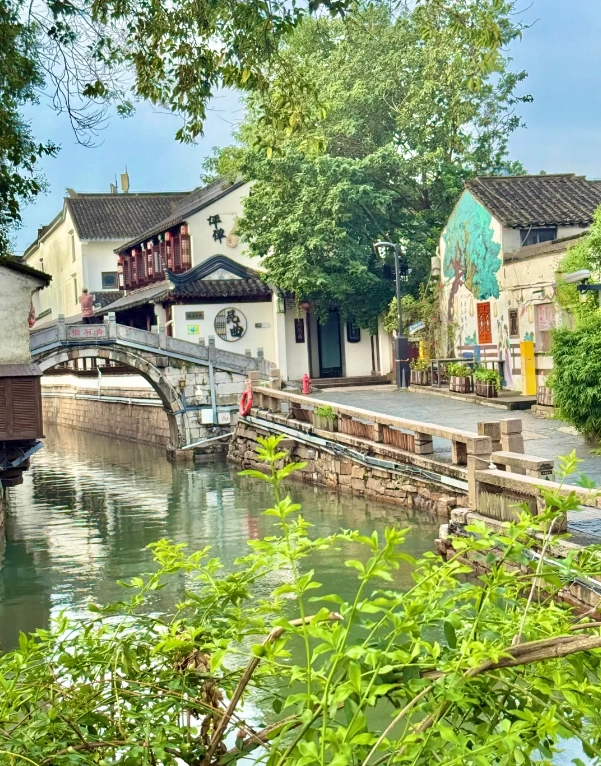
1. Taohuayuan Ji (桃花源记) – Best Value Sit-Down
Address: No. 99 Pingjiang Road (look for the small sign above a souvenir shop—it’s upstairs).
Specialties: Sweet and sour spare ribs (糖醋排骨), local-style sticky rice wraps.
Price: 40-60 CNY per person.
My tip: Order the “boat-shaped” wontons—they’re only available here and taste like Suzhou in a bowl. Cash or WeChat only. No English menu, but photos on the wall make ordering easy.
2. Yaba Shengjian (哑巴生煎) – Legendary Pan-Fried Buns
Address: 10 meters off Pingjiang Road, at the Guanqian Street intersection, behind a tea shop.
Price: 8 CNY for 4 buns.
Lines: Expect 15-20 minute wait at lunch. The buns arrive crispy-bottomed and soup-filled. Bite carefully—the juice is hot! WeChat or cash.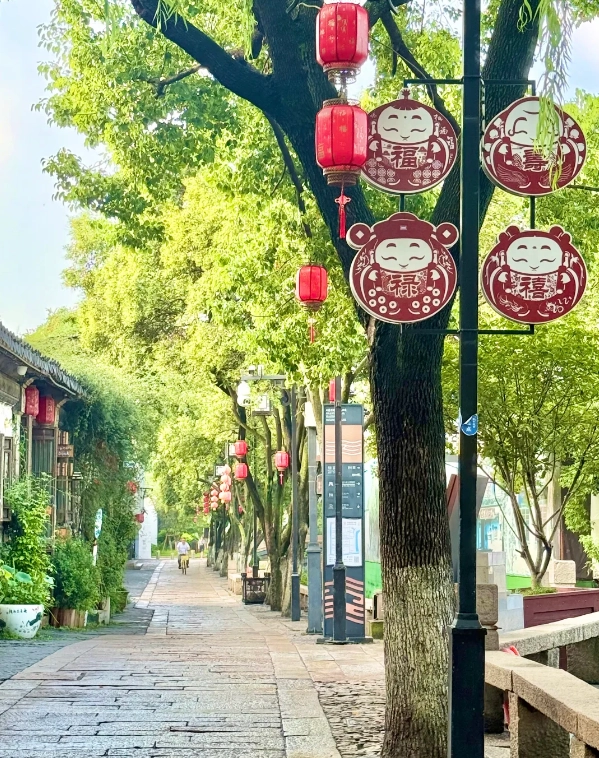
3. Hand-Pulled Noodles at a Hole-in-the-Wall (no name)
Location: First alley after the Suzhou Embroidery Museum, north side. Red lantern hanging outside.
Price: 12-18 CNY per bowl.
Why I go: The owner speaks zero English but will smile and show you the fresh dough. Get the beef noodle soup—broth simmers for six hours. Pay by scanning their personal Alipay QR (don’t bother with card).
Payment, Maps, and VPN Reality
Let’s be honest: Pingjiang Road is not foreigner-friendly when it comes to payment. Most stalls and small eateries accept only Alipay or WeChat Pay. Cash is rarely used. International credit cards? Maybe at a few large souvenir shops, but don’t count on it.
- Set up Alipay before you come — link your international Visa/Mastercard. Test it in the airport convenience store. It works 95% of the time.
- Keep 200-300 CNY in small bills — for those rare stalls that do accept cash (and for the public restroom attendant who might ask for 1 CNY).
- For navigating: Apple Maps works OK for walking. Google Maps is blocked and inaccurate. Download “Maps.me” offline maps of Suzhou as backup.
- VPN (Virtual Private Network): You need it to access Google, Instagram, Facebook, WhatsApp. Install a reliable VPN (like ExpressVPN or Astrill) on your phone before you land in China. Free ones often fail.
- Translation app: Apple Translate or Baidu Translate (works offline) — both handle menu photos reasonably well.
Quick Answers to Sticky Questions
Pingjiang Road isn’t just a tourist street; it’s a living slice of old Suzhou. Skip the sugar-coated hawthorn sticks and spend your time in the lanes where laundry flaps and old men play chess. That’s the real guide.





No comments yet.