 Fang Wang
Quick Navigation
I remember my first time leading a group here—I confidently told everyone "no tickets needed" and walked straight into a small garden that demanded a QR code. Awkward. So let me clear things up: Pingjiang Road itself is free. You can wander the ancient stone alley, peek into shops, and soak in the canal views without paying a cent. But some historic houses and museums tucked along the street require tickets. The trick is knowing which ones are worth your time and how to get in without the usual tourist headaches.
Here's the big picture: bring your passport, install Alipay (with your international card linked), and expect to book a few spots in advance. Don't worry—I'll walk you through every step.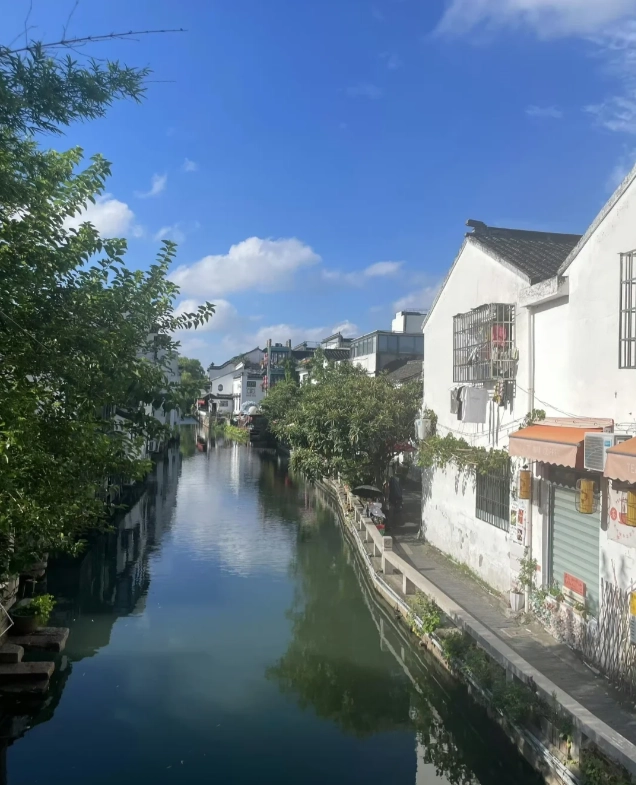
Is There a Ticket for Pingjiang Road?
Short answer: no. The main pedestrian street is a public road. You can stroll from the north end (near Linyin Road) to the south end (near Ganjing Road) freely, day or night. No ticket booth, no gate, no entry fee. Most visitors spend 1–2 hours just walking and taking photos. The bridges, white-walled houses, and narrow lanes are all public.
But if you want to enter any of the side courtyards or museums that open onto the road, those are separate ticketed venues. Think of Pingjiang Road as a free museum corridor with paid exhibition halls.
Paid Attractions on Pingjiang Road
There are about half a dozen paid spots along the road. Here are the ones I usually recommend—and a couple I'd skip.
| Attraction | Ticket Price (Adult) | Need Reservation? | Foreigner Booking Method | Best For |
|---|---|---|---|---|
| Couple's Garden (Ouyuan) | 25 RMB (~$3.5) | No, buy at gate | Cash or Alipay; passport required | Classic Suzhou garden, quiet |
| Kunqu Opera Museum | Free (some shows cost) | Check show schedule | Book via Trip.com or hotel | Cultural performance |
| Suzhou Embroidery Museum | 15 RMB | No | Pay at entrance; cash accepted | Fine silk embroidery |
| Former Residence of Shen Deqian | 10 RMB | No | Cash only (small) | Quiet historical house |
| Pingjiang Road History Museum | 20 RMB | Yes (via WeChat mini-program) | Ask hotel staff to book for you | Context on the street's history |
My take: Couple's Garden is the best value—it's a real Suzhou garden without the crowds of Humble Administrator's Garden. Skip the History Museum unless you're obsessed with timelines; the exhibits are mostly in Chinese.
⚠️ Heads up: Some smaller houses claim to be "free" but push donations or overpriced tea. If someone blocks your way asking for money, just smile and walk past. Legit attractions have official ticket windows.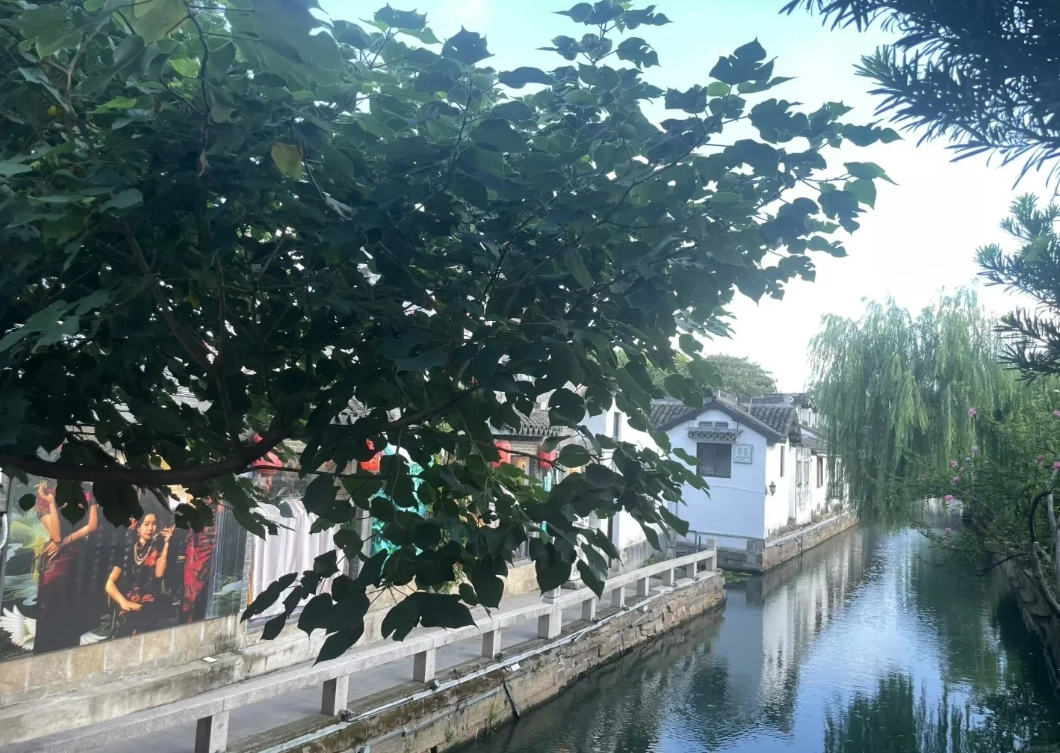
How to Book Tickets as a Foreigner
Brace yourself: China's digital ticketing can be a pain if you don't have WeChat Pay or Alipay with a Chinese bank card. But there are workarounds.
Method 1: Buy at the gate (easiest for most)
For Couple's Garden, Embroidery Museum, and the former residence, you can just show up with cash or Alipay. International credit cards? Almost never accepted. So carry some small bills (50 and 100 RMB) for small venues. Large venues like Ouyuan usually have a counter that takes Alipay (scan with your app, even with international card linked).
Method 2: Use Trip.com or Klook
If you want to skip queues (though lines here are short), pre-book on Trip.com or Klook. Search "Couple's Garden Suzhou" or "Suzhou Pingjiang Road attractions". You'll get a QR code—show it at the entrance. This works especially for the History Museum.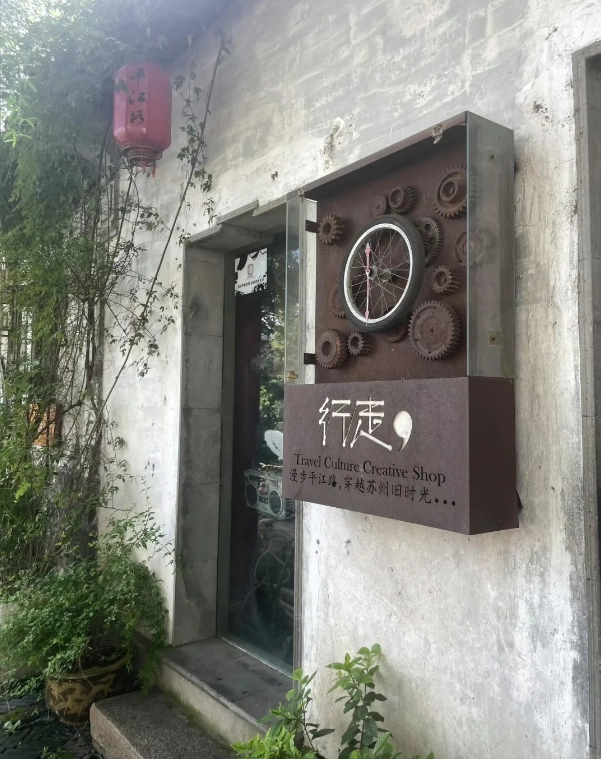
Method 3: Ask your hotel
Seriously. In Suzhou, most hotel front desks are used to helping foreigners. They can call the venue or use their own WeChat to reserve. Be polite and offer your passport number. I always tell my clients: "If the app looks confusing, just hand your phone to the receptionist."
Method 4: The WeChat mini-program (if you're brave)
Some places only accept reservations through a local mini-program. The interface is in Chinese and requires a Chinese ID scan for verification—impossible for tourists. Don't waste time. Use methods 1–3.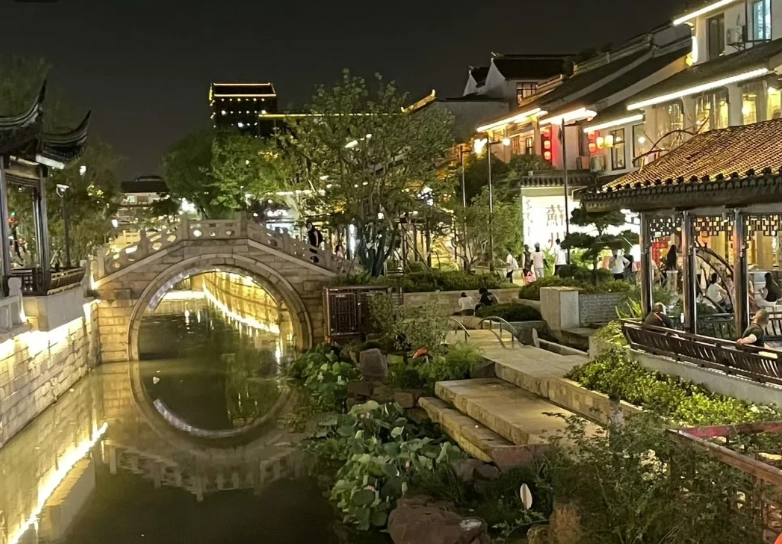
Best Time to Visit Pingjiang Road
Here's a non-obvious truth: avoid 10 AM to 3 PM. That's when tour groups flood the street. You'll be shuffling shoulder-to-shoulder on the bridges. Also, the light is harsh for photos.
I always take my groups at 4:30 PM. The afternoon crowd starts thinning by 4, and golden hour (around 5–6 PM in spring/autumn) paints the white walls in warm light. Plus, the small gardens close at 5 PM, so you can visit a paid spot first, then enjoy the street as it gets quieter.
Another slot: 8 AM to 9 AM. Shops open at 10, but the street is peaceful. You'll see locals buying breakfast and hear birds. No crowds at all.
Weather note: Summer afternoons are scorching (above 35°C often). Bring an umbrella and water. Winter is chilly but less crowded—just dress in layers.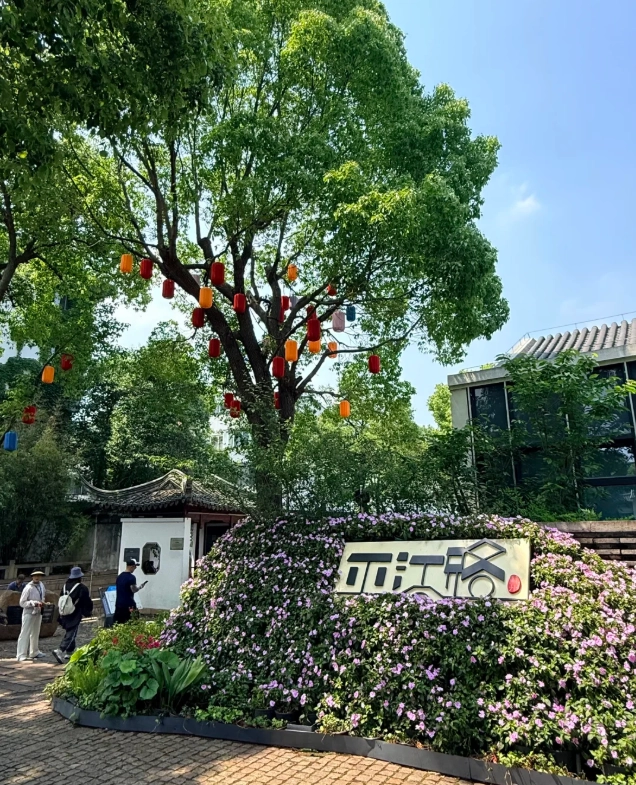
Getting to Pingjiang Road
Pingjiang Road sits in the heart of Suzhou's old town. Google Maps is unreliable in China—use Apple Maps (which uses local data) or Gaode Map (download before you go). For taxi drivers, show them the Chinese address: 苏州平江路.
By Metro
Take Line 1 to Xiangmen Station, Exit 3. Walk east for 7 minutes—you'll hit the south end of Pingjiang Road. Alternatively, Line 4 to Beisita Station, Exit 4, then walk 10 minutes to the north end.
By Taxi / Ride-hail
Use DiDi (the local Uber). Set destination as “平江路步行街”. From Suzhou Railway Station, it's about 20 RMB and 15 minutes. The driver will drop you at the nearest car-accessible point—the street itself is pedestrian-only.
By Bus
Bus routes 2, 40, 55, 89, 202, and 305 stop at Xiangmen . Alight and walk 5 minutes east.
🛑 Warning: Do not rely on walking navigation from a distance—the old town alleys look like a maze on a map. If lost, ask a local (many younger people speak basic English) or call your hotel for pickup.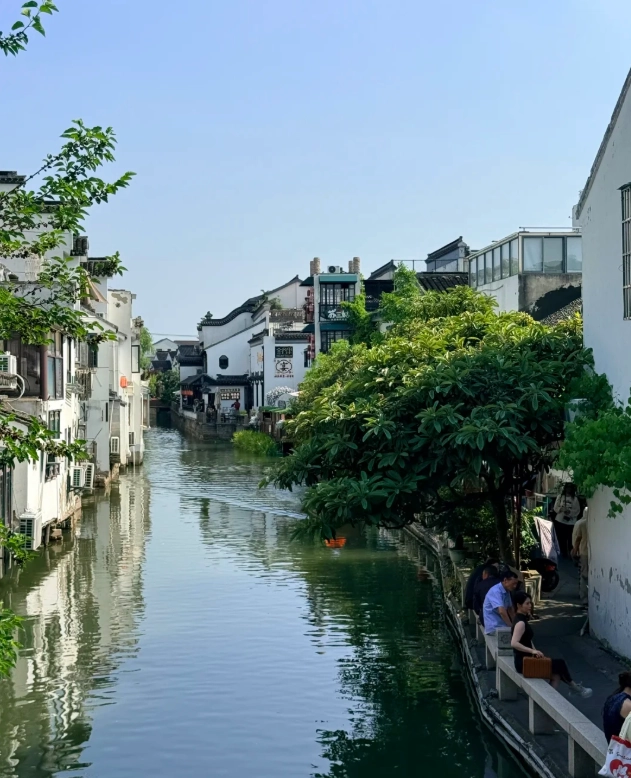
FAQ
Verified and fact-checked by the editorial team.





Hands down the best free walking street I’ve been to in Jiangsu. The vibe is relaxed and not overly commercialized like other tourist streets. I stopped at a small calligraphy shop where the owner let me try writing my name in Chinese for free—such a kind moment. Later I paid to see the Pingjiang Lu History Museum (20 RMB) and it was well-curated with old photos and maps. Everything felt genuine. I’d give it a solid 5. Come early to avoid the crowd!
Pingjiang Road is the real deal if you want old-town China without the Disneyfication. I spent three hours just walking, taking photos of the stone archways, and watching a granny make sesame cakes. I paid to go into the Siyuan Garden—totally serene, with a tiny koi pond and a scholar’s study. The free parts are already amazing; the paid spots just add a layer of peace. Highly recommended for any traveler who loves authentic lanes.
Absolutely fell in love with Pingjiang Road! The fact that you can wander for free along the ancient cobblestones and hear the gentle lapping of canal water is pure magic. I visited in early spring when the wisteria was blooming—the scent mixed with fried tofu from a street stall was unforgettable. I paid to enter the Kunqu Opera Museum and it was a highlight—authentic, intimate, and only 15 RMB. Best free-and-paid combo I’ve experienced in China. 5/5, no hesitation.
Pingjiang Road is a lovely place to spend a lazy afternoon. The free walking part is perfect—cute teahouses, street food smells, and locals playing mahjong by the water. I went into one of the paid gardens (the tiny Humble Administrator’s Garden annex) and honestly it was worth the 20 RMB just to escape the crowd for a while. Not every paid spot is a winner, but this one felt like a hidden gem. Four stars from me!
Walking along Pingjiang Road is really charming—the old stone bridges and canals give you that classic Suzhou vibe. I loved that it’s free to just wander and soak in the atmosphere. But I was a bit disappointed that a few of the smaller side museums wanted entry fees that felt steep for what you actually get inside. I paid 30 RMB for one and it was just a few dusty artifacts. Overall a nice stroll, but manage expectations on the paid bits.