 Qiang Huang
Quick Navigation
I've walked Pingjiang Road more times than I can count—sometimes with groups, sometimes alone. And every single time, I see tourists wiping sweat off their foreheads at noon, jostling through shoulder-to-shoulder crowds, wondering why they came. It doesn't have to be that way. The difference between a magical stroll and a miserable shuffle comes down to one thing: timing.
Here's the blunt truth: show up at 11 AM on a Saturday in July, and you'll hate it. Show up at 7:30 AM on a Tuesday in October, and you'll fall in love. I've seen both, and I'm going to save you the bad experience.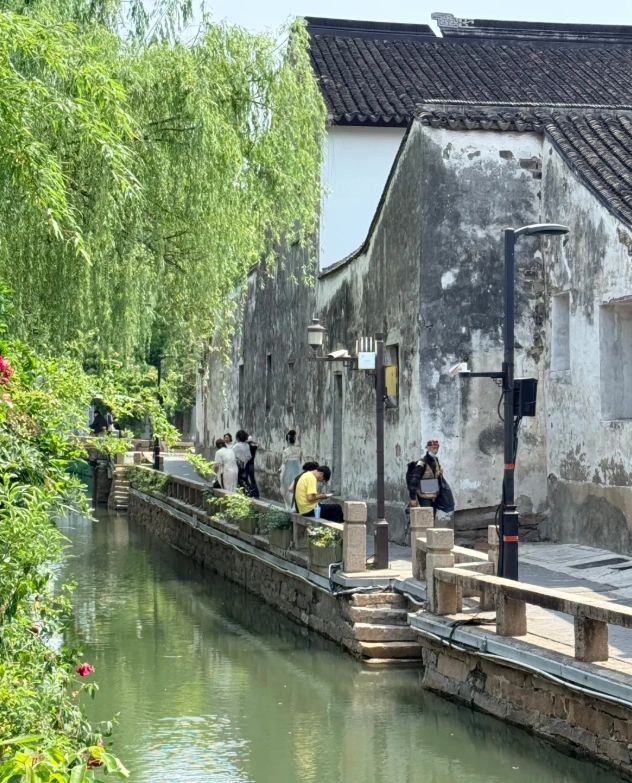
Why Timing Matters More Than You Think
Pingjiang Road is a narrow, ancient cobblestone lane lined with traditional white-washed buildings, small bridges, and canals. It's not built for massive crowds. When it gets busy—and it gets really busy—you can't even stop to take a picture without someone bumping into you. The charm disappears. Plus, the street is mostly open-air with little shade, so the heat can be brutal.
The sweet spot depends on three factors: season, day of the week, and hour. Ignore any one of them and you risk a mediocre visit. Get all three right and you'll have the lane almost to yourself.
Best Season: Spring or Autumn?
Without a doubt, spring (March to May) and autumn (September to November) are the winners. The temperatures hover around 15–25°C (59–77°F)—perfect for walking. The humidity is low, the skies are often clear, and the light is soft. Spring brings fresh green leaves and occasional cherry blossoms near the canals. Autumn offers crisp air and golden sunlight that makes the white walls glow.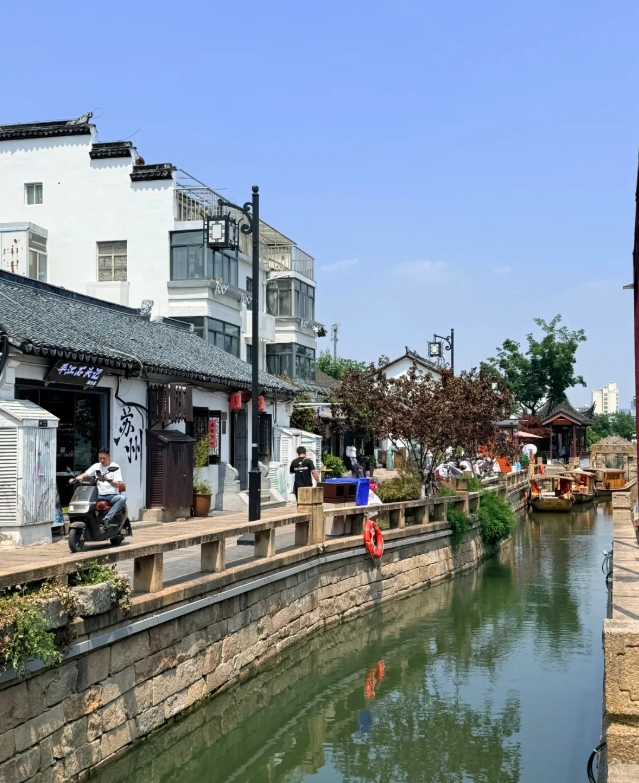
Season Comparison Table
| Season | Months | Temperature | Crowd Level | Best For |
|---|---|---|---|---|
| Spring | Mar – May | 15–25°C | Moderate (weekdays low) | Comfortable walks, flowers |
| Summer | Jun – Aug | 28–38°C (humid) | Very high (especially weekends) | Early mornings only |
| Autumn | Sep – Nov | 15–25°C | Low to moderate | Best overall experience |
| Winter | Dec – Feb | 0–10°C | Low | Quiet exploration, no crowds |
Best Time of Day for Photos & Serenity
Even in the best season, the wrong hour can ruin it. Here's the exact window I recommend to every traveler:
Why early? Most tourists arrive around 10 AM. By then, tour groups start pouring in from nearby Suzhou Museum and Humble Administrator's Garden. If you're already done and heading out, you'll smile as you pass the queues. I've done this countless times—it's a small victory every morning.
Evening is also lovely, but note that many small shops close by 6 PM. If you want to browse the artisan boutiques, aim for late afternoon rather than dusk.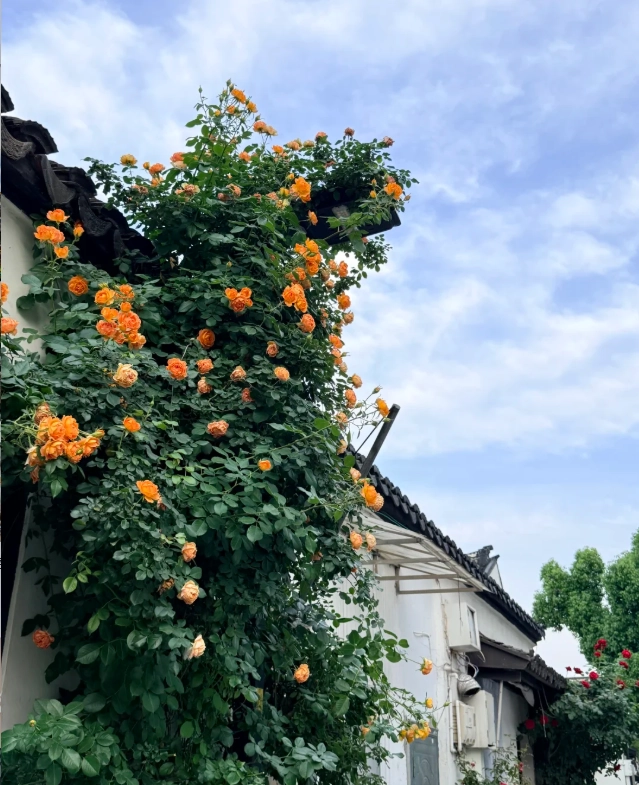
Avoid the Dead Zone (11 AM – 2 PM)
This is when the sun is directly overhead, shadows disappear, and the street fills with people. The heat peaks, and you'll find yourself dodging selfie sticks. I never schedule my groups during these hours. If you're stuck, step into a side alley or grab a seat at a teahouse like Pu Lin Tea House (平江路 263号)—it's a cool, quiet escape with decent green tea.
Avoiding the Weekend Surge: Insider Tips
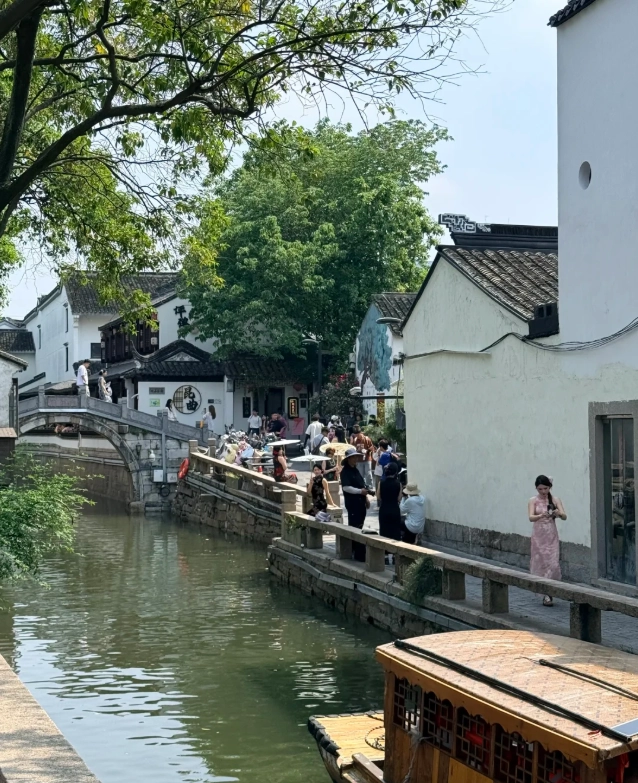
Weekends are chaotic. Local tourists from Shanghai and nearby cities flood Suzhou on Saturdays and Sundays. Pingjiang Road becomes a sea of people. If you can only come on a weekend, you still have a fighting chance:
- Go before 8 AM. The street officially 'opens' whenever shops unlock, but pedestrians can walk anytime. At 7 AM, it's almost empty—just a few locals walking dogs and elderly doing tai chi by the canal.
- Enter from the north end (near Bai Ta Dong Lu). Most visitors start from the south (Guanqian Street area), so the north is quieter. I always tell my guests to get dropped off at the north entrance.
- Avoid Chinese public holidays like Golden Week (first week of October), Labour Day (May 1st week), and Chinese New Year (late Jan/Feb). The street can be impassable.
What About Summer and Winter?
Summer (June–August)
I'll be honest: summer is tough. The humidity sticks to your skin, and the crowds are relentless. But if summer is your only option, aim for a weekday and go at 7 AM sharp. Bring a portable fan, plenty of water, and a hat. The heat index often feels above 40°C (104°F) by noon.
One thing that works: rainy days. Sudden summer showers scare off tourists. Grab an umbrella and walk during a light drizzle—the street empties, and the wet cobblestones reflect the lanterns beautifully. I've had some of my most memorable walks this way.
Winter (December–February)
Cold (0–10°C) but crisp. Fewer tourists, so you can wander without bumping into anyone. The bare wisteria vines along the canal have a stark beauty. Most shops stay open, but some teahouses close early. Dress in layers—the wind can bite near the water. Afternoon around 2 PM to 4 PM is the warmest and has nice low-angle light.
Practical Tips for International Visitors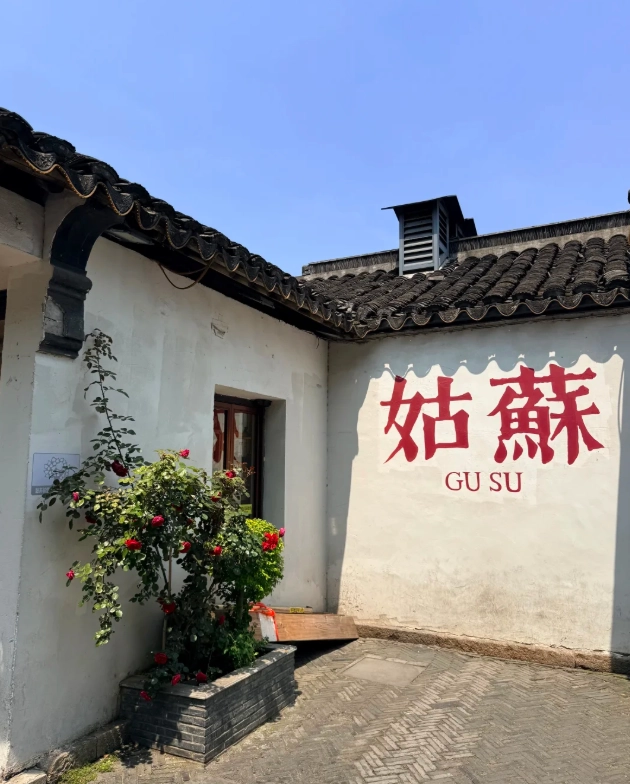
I assume you're not from China, so here are the specific pain points you'll face—and how to crush them.
Payment
Cash works at most stalls and small shops, but they'll struggle to give change for large bills. WeChat Pay and Alipay are ubiquitous. If you have an international card, link it to Alipay (the English version works fine). Credit cards are rarely accepted except in a few larger souvenir shops.
Navigation
Google Maps is unreliable in China. Use Apple Maps (it works reasonably well) or Amap (AutoNavi) which has an English interface. I personally use Apple Maps to guide guests—it shows the walking paths correctly. The nearest metro station is Xiangmen (Exit 2) or Lindun Road (Exit 3), both about 8 minutes walk to the south entrance. If taking a taxi, show the driver: 平江路 (Píngjiāng Lù).
VPN & Translation
You'll need a VPN to access Google, Instagram, etc. before you arrive. For translation, Apple Translate or Baidu Translate work well offline. I always recommend downloading the Chinese phrasebook in Apple Translate—it's saved my guests many times when ordering food.
Language Barrier
English is not widely spoken along Pingjiang Road, especially in smaller shops. A few staff at ticket booths for side attractions (like the Kunqu Museum) speak basic English. Pointing to items and using hand gestures works fine. Most menus have pictures.
Restrooms
Public toilets are available at both ends of the street and one mid-way. They're generally clean but bring your own toilet paper and hand sanitizer. The one near the south entrance (close to the Starbucks) is the best maintained.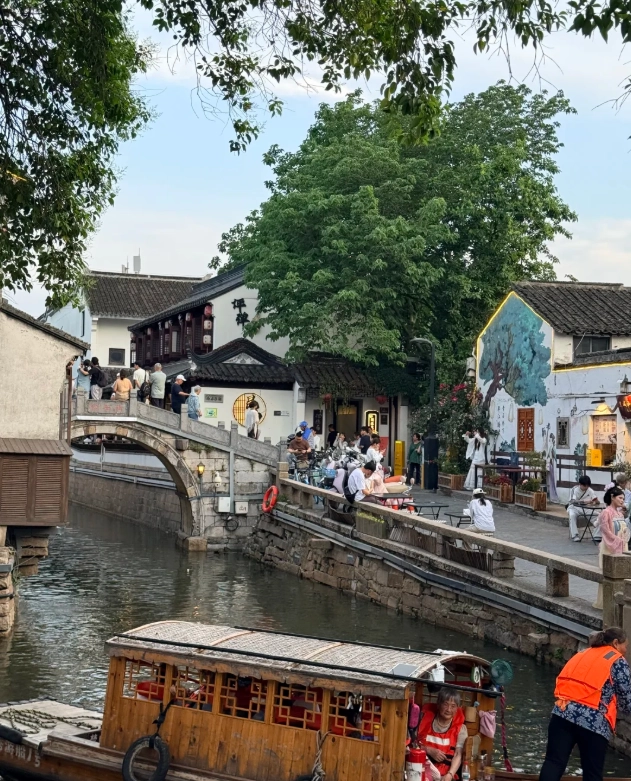
Frequently Asked Questions
Verified and fact-checked by the editorial team.





I was skeptical about the 'skip the crowds' advice, but following it made all the difference. Arrived at 7am on a weekday in May — the street was nearly deserted. I could actually hear the birds and the water flowing. Bought a fresh pastry from an old guy just opening his shop. That quiet, authentic vibe is what I travel for. Highly recommended!
Pingjiang Road in the early evening (around 5pm) during autumn is pure bliss. We grabbed a table at a little teahouse right on the canal, ordered some Biluochun, and just watched the lanterns light up one by one. No jostling, no sweating — just peace and beauty. Best decision we made on this trip. 5/5.
Finally found the perfect time to visit: just after a light drizzle in late October, around 4pm. No heat, very few tourists, and the wet cobblestones looked stunning in the soft light. I spent two hours just wandering and taking photos — every corner felt like a postcard. Absolutely loved it, will come back again.
We visited around 8am on a Tuesday — almost empty! Strolling along the canal with just a few locals and the cool morning breeze was pure magic. The traditional architecture really shines without the crowds. Only reason I'm not giving 5 stars is because some of the little snack stalls weren't open yet. Still, highly recommend going early.
Went on a Saturday afternoon in July and it was an absolute nightmare. So crowded you could barely move, and the heat was unbearable. Maybe early morning or a weekday would be better, but my experience was just stressful. Some nice shops and canal views, but honestly not worth the sweat and hassle.