 Yan Zhou
Quick Navigation (What's Inside)
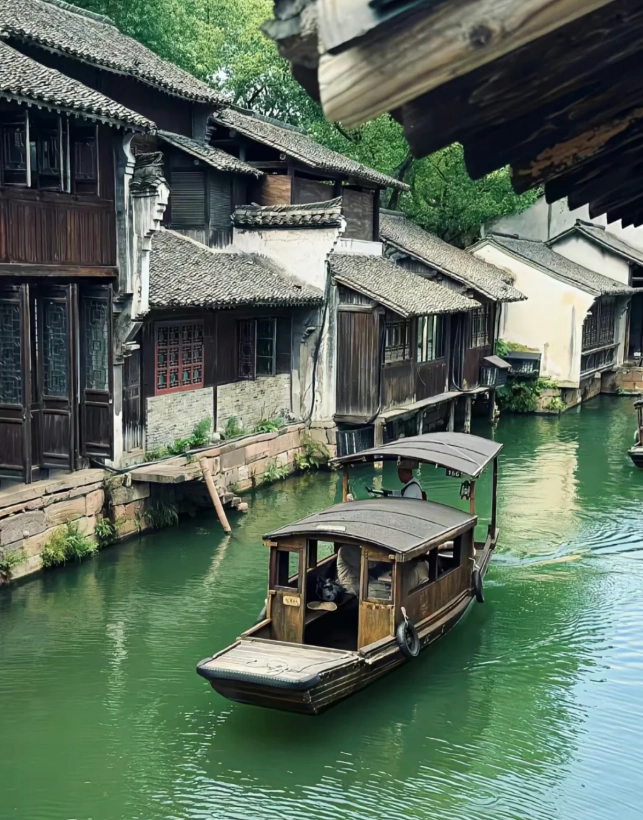
I've led dozens of tours into Tongli Water Town, and every single time someone tells me, "I wish I had done the boat tour first." Why? Because from the water, you see the real Tongli—the old stone bridges, the weeping willows, the laundry hanging from centuries-old houses. But here's the thing most guides won't tell you: the boat tour can be a frustrating mess if you don't know the exact tricks.
I'll save you the trouble. After taking that boat ride at least 50 times (yes, I counted), I know exactly where to buy tickets, what time to arrive so you don't queue for an hour, and which captain will let you stand for a photo without yelling at you. Let's dive in.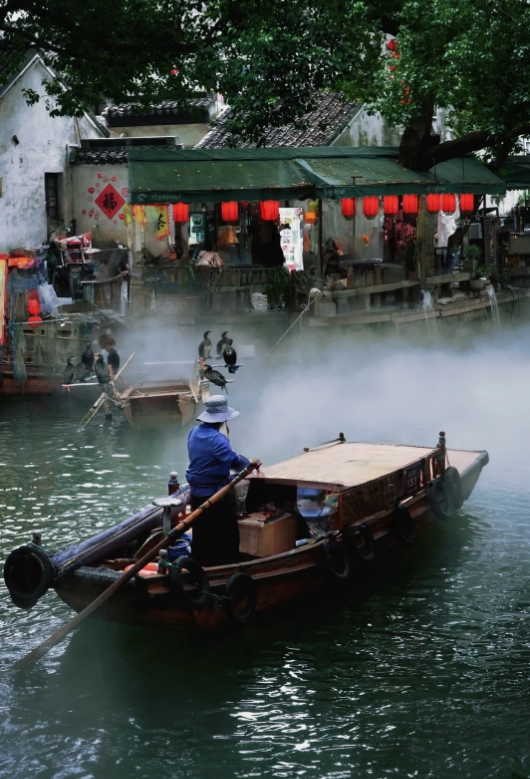
Why a Boat Tour Is the Best Way to See Tongli
Walking along the canals is nice, but the boat gives you a different perspective. You glide under low bridges, pass by ancient residences, and catch glimpses of locals doing their daily routines. It's peaceful, slow, and—if you pick the right time—almost private.
But I have to be honest: the standard shared boat (6-8 people) can feel a bit rushed. The captains often paddle fast to finish the route in 20 minutes. That's why I recommend the private boat if your budget allows. More on that below.
Ticket Prices & Booking (No Chinese Needed)
First, you need an entrance ticket to the town itself. Then the boat ticket is separate. Here's the breakdown: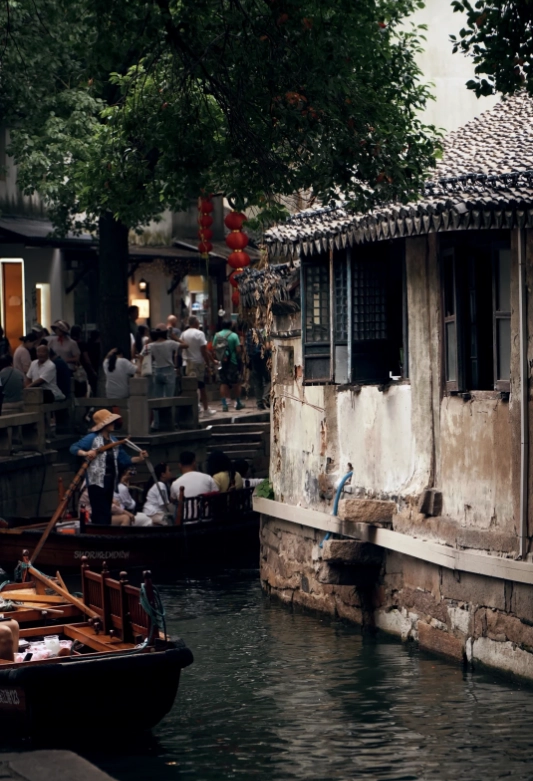
| Item | Price (Adult) | Notes |
|---|---|---|
| Entrance Ticket | 100 RMB (about $14) | Includes all small museums inside. Book online via Trip.com or Klook – show passport QR code at gate. |
| Boat Tour (Shared) | 90 RMB per person | 6-8 people per boat, 20-25 minutes. Leaves from multiple piers. |
| Boat Tour (Private) | 250-300 RMB per boat (up to 6 people) | Better experience; you control the pace. Book at the ticket office or ask your hotel to reserve. |
| Children Under 1.2m | Half price for entrance; boat same as adult | No separate child boat ticket. |
When to Go for Empty Canals & Perfect Light
I've made the mistake of arriving at 10 AM on a Saturday. Never again. The queue for the boat stretched 50 meters. Here's my golden window:
- Weekdays, right when the gates open (8:00 AM): You'll practically have the canal to yourself. The light is soft, and the mist over the water is gorgeous.
- Weekdays, 3:30 PM – 4:30 PM: The afternoon tour groups have left, and the golden hour begins. Perfect for photos.
- Avoid weekends and Chinese holidays entirely if you want a peaceful ride. If you have no choice, arrive by 7:45 AM.
Which Boat to Choose: Private vs. Shared
Here's where most tourists waste money or get disappointed. Let me break it down from my experience.
Shared Boat (90 RMB/person)
You share with strangers. The ride is fixed at about 20 minutes. The captain won't stop for photos. If you're solo or on a tight budget, it's fine. But don't expect to take that perfect shot—you'll be moving continuously.
Private Boat (250-300 RMB per boat)
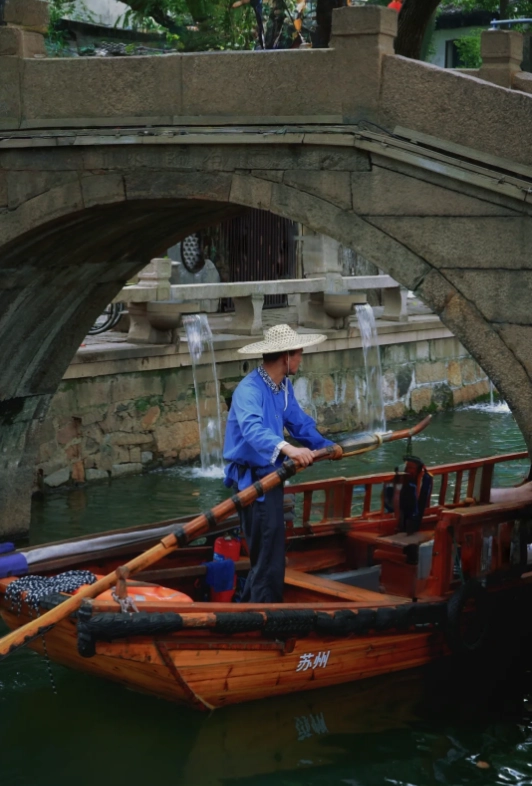
Worth every extra yuan if you're with friends or family. You can ask the captain to slow down near the stone bridges or pause at the Three Bridges area. I once convinced my captain to let me stand up for a photo (hold onto the canopy!). Plus, no strangers squeezing your space.
My rule: If you have 3 or more people, private boat costs less per person than shared (300/4=75 RMB). So it's actually cheaper and better. Do the math.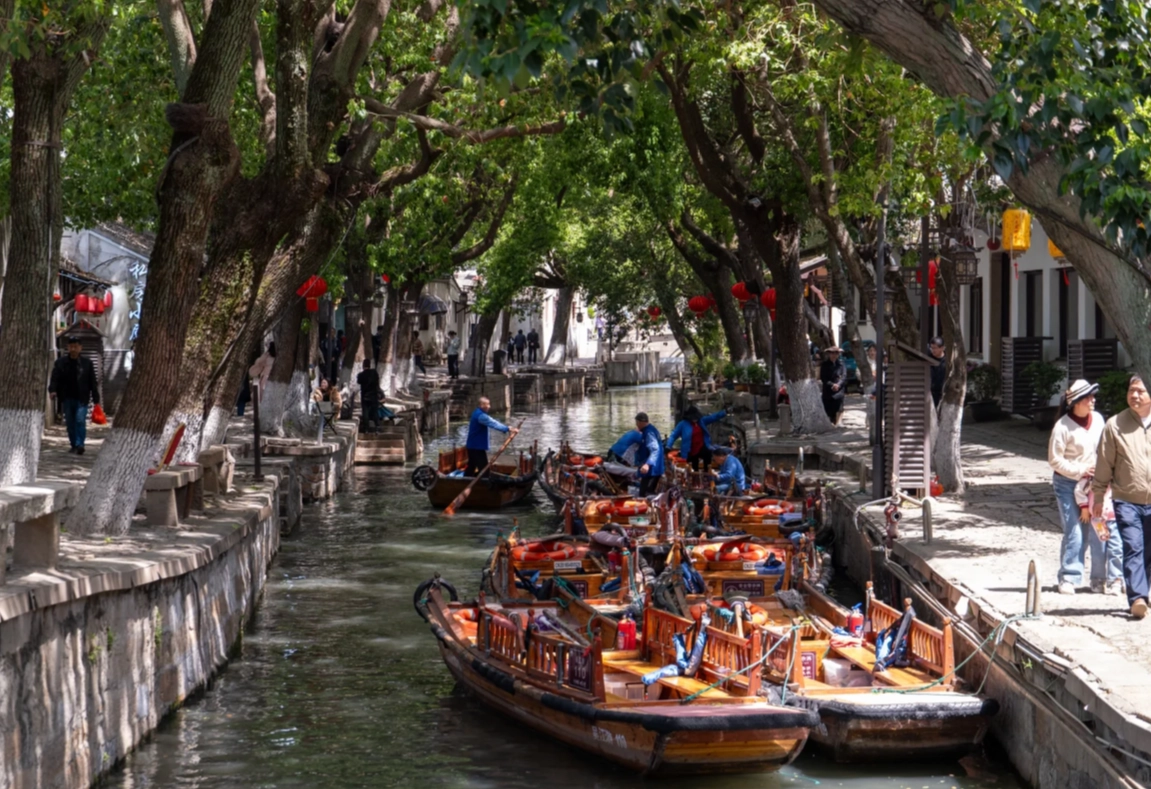
Best Route & Photo Spots During the Ride
The boat tour follows a loop through the central canals. Most departure points are near the main entrance or around Tuisi Garden. Here's what you shouldn't miss:
- Three Bridges (San Qiao): The iconic spot where three arched bridges meet. Your captain will pass under the middle one. Have your camera ready—it comes up fast.
- The old residence backyards: Look for the tiny stone steps leading to the water. Locals still wash vegetables there. It's real life, not a show.
- The willow tunnel: Near the end of the ride, the canal narrows and willows form a green arch. Best in late spring.
Frequently Asked Questions
This content has been fact-checked to ensure informational precision.





I’m not usually a tour guy, but this was brilliantly organized. The meeting point was easy to find, we got a clear map and earbuds for commentary. The boat was clean and quiet (electric motor, bless them). We glided past the busy spots and into back alleys where you could see locals washing vegetables. It’s a perfect intro to water town life without the tourist chaos. Highly recommend — five stars easy.
Best decision of our Suzhou trip! We chose the sunset departure and it was dreamy — golden light on the water, and we were the only boat in sight. The captain even pointed out where local kids used to dive in summer. Felt like we had our own private tour. Skip the midday rush, book this one. Genuinely unforgettable. 5/5, absolutely worth every yuan.
Absolute gem! We took the early morning slot and had the canals almost to ourselves. The boatman let us steer for a minute — made me feel like a pro! The old whitewashed houses and stone bridges reflected in the water were pure magic. Our guide shared local legends about the bridges. If you want an authentic, peaceful escape from the Shanghai crowds, this is it. 5 stars, would do again in a heartbeat.
Good experience overall, but not exceptional. The boatman was friendly and weaved through some narrow canals which was cool. The crowds were indeed smaller than the main bridge area, so that was a plus. However, the audio guide kept cutting out and the boat felt a bit rickety. I’d recommend it for a quick taste of Tongli, but don’t expect a luxury tour. Solid 4 stars from me.
Honestly, I was a bit let down. The boat ride itself was fine, but the 'skip the crowds' part felt misleading. We still had to wait 25 minutes in a long queue, and the boat was packed with other tourists. The guide barely spoke English, and the route was short — maybe 20 minutes? For the price, I expected more. The scenery is beautiful, yes, but I'd just walk along the canals next time.