 Ling Wu
What’s Inside:
I’ve pushed through these gates more times than I can count — dragging jet-lagged tourists, families with strollers, and solo travelers with tripods. And every single time, someone grabs my arm and asks, “How did you get that shot?” So here’s the real deal: skip the crowded main plaza. Head straight for the mini Great Wall around 4 PM. That’s your golden ticket. Now let me walk you through the spots that actually deliver.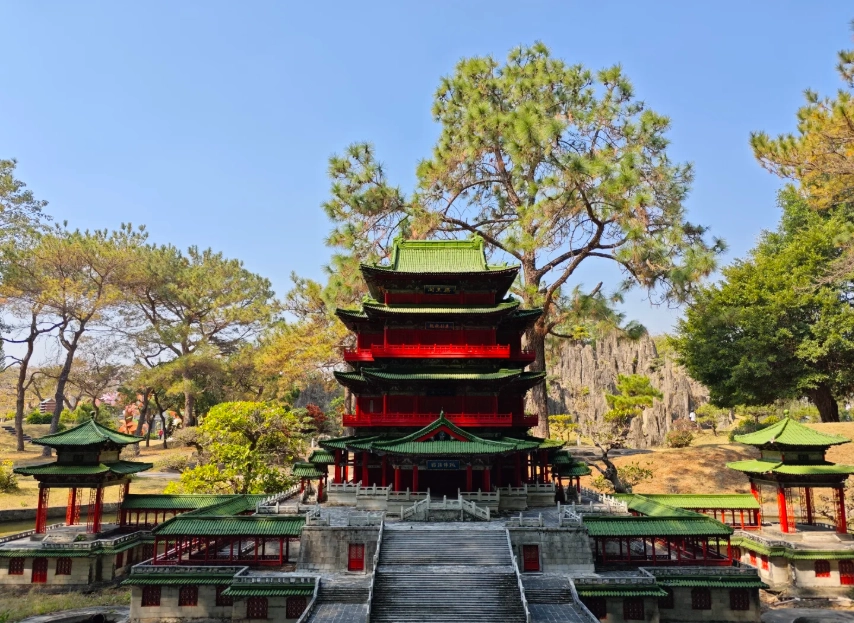
Why Trust My Advice?
I’ve been guiding groups through Splendid China Folk Village for over five years. I’ve seen what works and what doesn’t — especially for photographers. The park is huge (about 30 hectares), and walking the wrong direction means wasting precious light. I’m not here to sell you a generic list. Every spot I mention is tested with real cameras and real crowds.
Spot 1: The Great Wall Section
This is the iconic shot. The mini Great Wall stretches about 1.5 kilometers, snaking over hills dotted with tiny pagodas. Most tourists crowd the base near the entrance — don’t. Walk up the steps to the third watchtower. From there, you can shoot down the wall with no people in frame. Use a wide-angle lens (16-24mm) to exaggerate the scale. I always tell my clients: arrive at 3:30 PM, shoot until 5 PM. The sunset lights up the grey bricks with a warm tone.
Address: Inside the park, near the northern edge. Look for the “Great Wall” sign (长城).
Best time: 3:30-5:00 PM (winter); 4:00-5:30 PM (summer). Avoid noon — harsh shadows and blinding heat.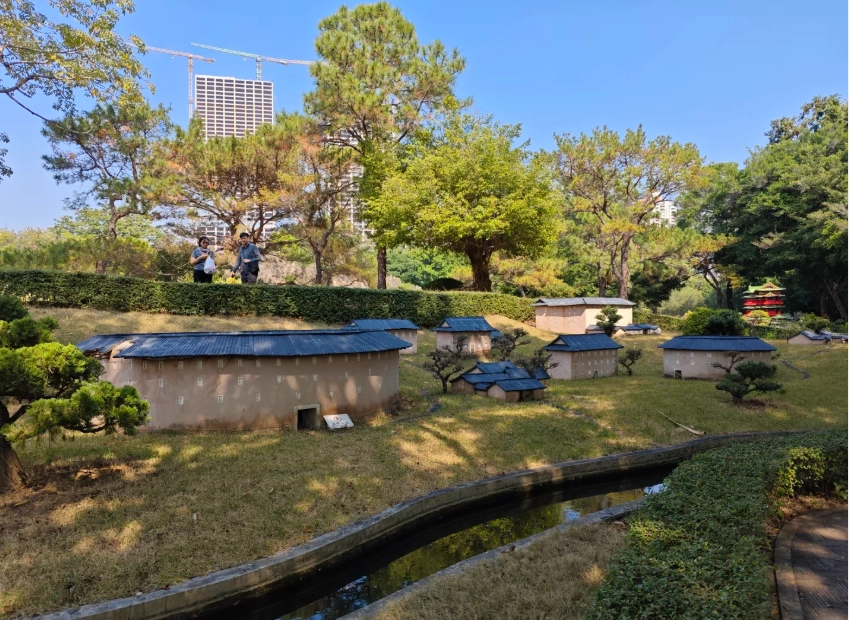
Spot 2: Forbidden City Replica
This mini version of Beijing’s Forbidden City is incredibly detailed — right down to the golden roofs and crimson walls. The trick is to get low. Crouch down to align the replica with the sky, making it look full-sized. Use a telephoto lens (70-200mm) to compress the perspective. I once shot a portrait here with the Hall of Supreme Harmony in the background; the couple looked like giants. That only works from the southern side, about 20 meters back.
Pro tip: The area gets busy between 11 AM and 1 PM when tour groups swarm. Come early morning (just after the 9 AM opening) or late afternoon.
Spot 3: Suzhou Gardens
My personal favorite for detail shots. The Suzhou Gardens section replicates classical Chinese garden architecture: zigzag bridges, lotus ponds, rockeries. I always bring a macro lens here to capture the carved wooden windows and miniature bonsai. Early morning (before 10 AM) the light filters softly through the bamboo, creating dappled patterns. One mistake I see often: shooting the bridge from the side. Instead, stand at the center of the bridge and shoot straight down the pathway — it frames the rocks perfectly.
Watch out for: Mosquitoes near the pond area in summer. Bring repellent.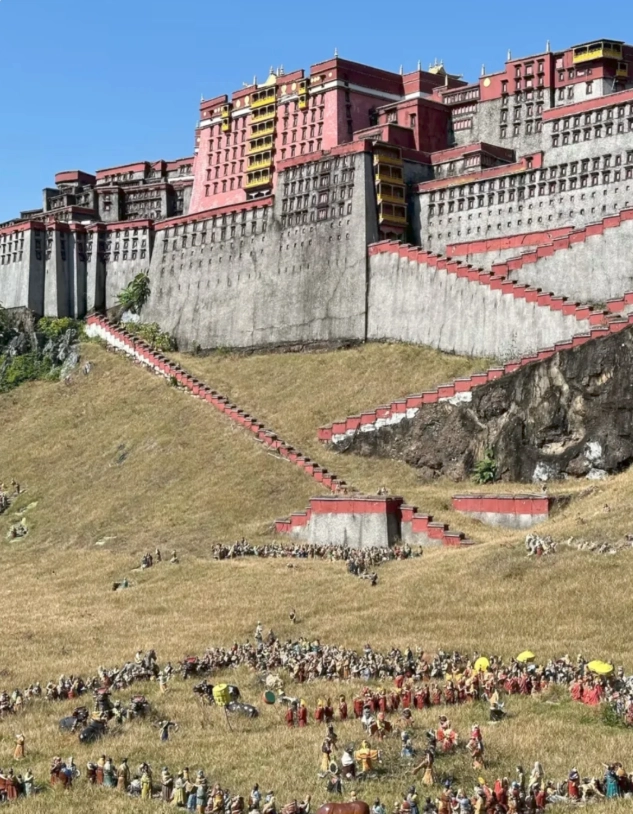
Spot 4: Tibetan Potala Palace
This replica of Lhasa’s Potala Palace sits on a small hill, painted in striking red and white. Photographers love it, but the angle matters. Most people shoot from the base, looking up — that’s fine, but you get too much sky. Instead, climb the small staircase to the right (it’s allowed) and shoot at eye level with the palace. This makes the structure fill the frame. A polarizing filter helps cut glare from the white walls.
Note: The interior is not open to visitors, but the exterior alone is worth 20 minutes.
Spot 5: Guilin Landscape Area
This section showcases the iconic karst hills of Guilin, complete with a calm lake and traditional fishing boats. The reflection shot is a must. Wait until the wind dies down — usually around 5 PM — to get a mirror effect. I recommend a tripod and a 10-stop ND filter for long exposures to smooth the water. If you don’t have those, just lean your camera on a railing. The best viewpoint is from the small pavilion on the east side; you can frame the hills with the pavilion’s eaves.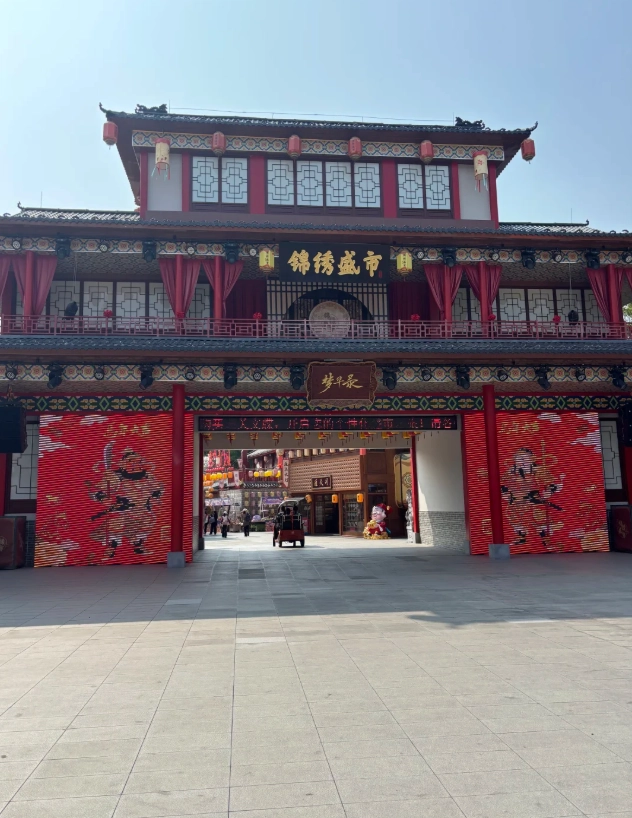
Pro Photo Tips for Better Shots
- Bring a polarizing filter: Reduces reflections on water and glass, saturates the miniature buildings.
- Avoid noon light: 11 AM to 2 PM creates harsh overhead shadows. Shoot early (9-10 AM) or late (3:30-5:30 PM).
- Use a small aperture (f/8-f/11): Keeps everything in focus. You’re not shooting portraits; you want the entire miniature scene sharp.
- Watch your background: The park is surrounded by modern Shenzhen skyscrapers. Frame your shots to exclude them unless you want a juxtaposition.
- Bring water and a hat: The park is mostly open with little shade. I’ve had guests faint in July.
When to Go (Crowd & Light Guide)
| Season | Best Time for Photos | Crowd Level | Notes |
|---|---|---|---|
| Spring (Mar-May) | Afternoon 3-5 PM | Moderate | Mild weather, cherry blossoms near Suzhou Gardens |
| Summer (Jun-Aug) | Early morning 9-11 AM | High (holidays insane) | Hot and humid; carry a sweat towel |
| Autumn (Sep-Nov) | 4-5:30 PM | Moderate | Best light, cool breezes, fewest tourists on weekdays |
| Winter (Dec-Feb) | 3-4:30 PM | Low | Cold but no queues; sunset at 5 PM |
Entrance Fees & How to Get There
| Category | Price (RMB) | Notes |
|---|---|---|
| Adult | 220 | Book online via Trip.com or Klook. Walk-up tickets sometimes available but risk sold out on weekends. |
| Child (1.2-1.5 m) | 110 | Bring passport for age verification. |
| Senior (65+) | 110 | Must show passport. |
| Student | 110 | International student card accepted? I’ve seen mixed results — bring yours and hope. |
Address: 1 Zhongxin Road, Nanshan District, Shenzhen. Nearest metro: Line 1, Huaqiaocheng Station, Exit A. Walk 10 minutes south. Alternatively, take bus 101, 109, or 113 to “Splendid China” stop.
Opening hours: 9:00 AM – 6:00 PM (last entry 4:30 PM). Note the park closes at 5:30 PM in winter; check official site.
Payment: You’ll need Alipay or WeChat Pay. International credit cards not accepted at the gate. Some food stalls take cash, but not much. Get a Chinese friend or hotel to help set up Alipay before you go.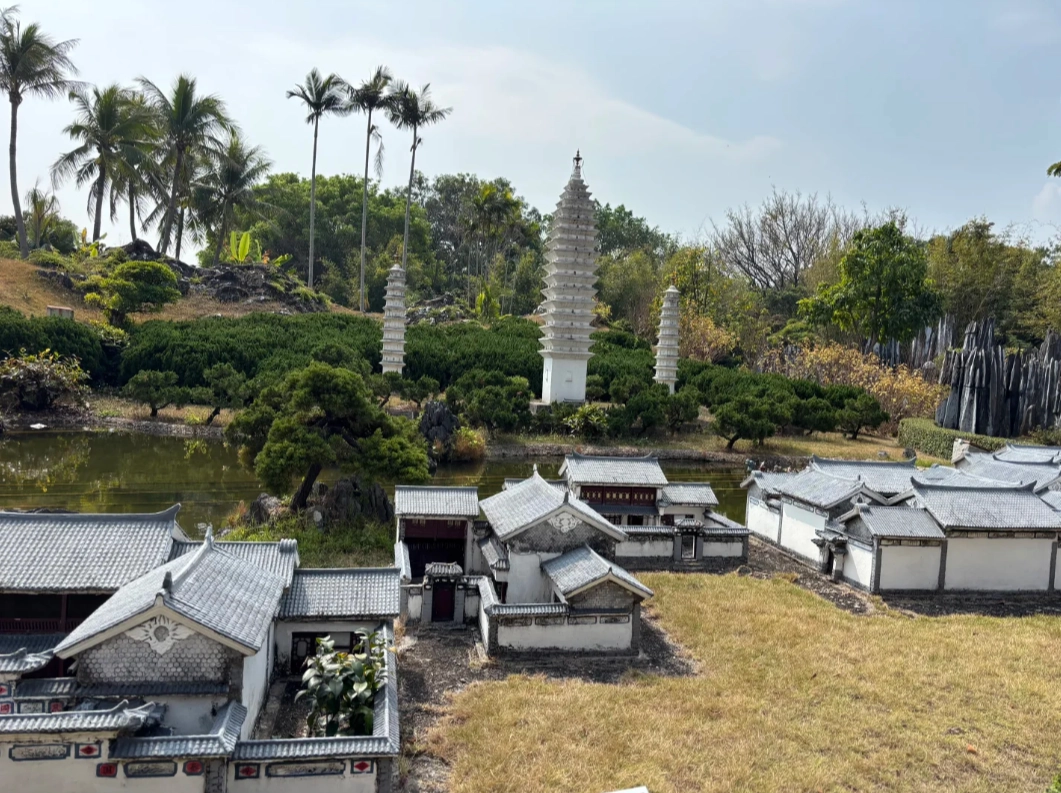
Frequently Asked Questions
Verified and fact-checked by the editorial team. This content has been fact-checked to ensure informational precision.
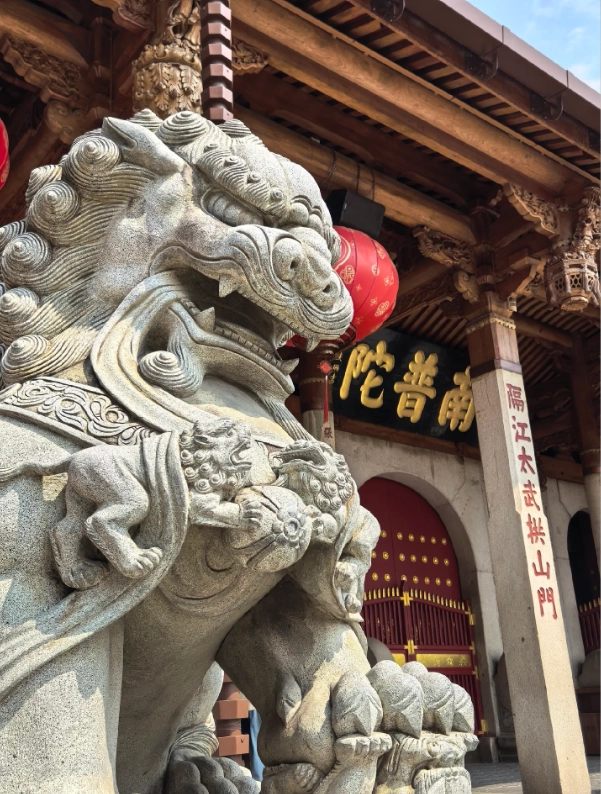





I visited this park specifically for the photography spots after seeing them on a blog, and it did not disappoint. The 'Terracotta Army' replica was surprisingly detailed and gave me a chance to practice low-light photography. The 'Tibetan Village' area offers a completely different vibe—colorful prayer flags against the sky. Every spot felt like a mini world tour. The only minor issue is that some paths are uneven, so watch your step with a tripod. But overall, an exceptional experience. Will recommend to all my travel buddies.
I’m a hobbyist photographer and this place is a dream. The 'Suzhou Gardens' spot was incredibly photogenic with the reflection pond and traditional architecture. I got some of my best Instagram shots here. The crowd was manageable on a Tuesday morning, and the lighting was soft and golden. The park also has a nice flow—you can walk from one spot to another without getting lost. Highly recommend hiring a guide or grabbing the map at the entrance to save time. Five stars for the variety and photo ops!
Absolutely loved this place! The five recommended photography spots are thoughtfully placed—each one offers a unique angle and frame. My favorite was the 'Huangshan Mountain' section with mist effects that made the photos look surreal. I spent almost 3 hours just there. The park is well-maintained, staff are friendly, and there are plenty of benches to rest between shots. If you’re into travel photography, this is a goldmine. I’ll definitely come back with a wider lens!
Decent place for a day out with the family. The photography spots listed are well-marked, and I managed to get some nice shots of the 'Forbidden City' replica with the mountains in the background. The lighting around 4pm was perfect. Only downside? The food options near the spots are overpriced and mediocre. I’d recommend bringing your own snacks if you plan to spend hours shooting. Worth a visit if you’re in Shenzhen, but not mind-blowing.
I was really excited to visit the mini replicas of famous Chinese landmarks, but honestly, some of the spots felt a bit run-down and crowded when I went in the afternoon. The 'Great Wall' section was packed with tour groups, making it impossible to get a clean shot without people photobombing. Also, the signage for the 5 must-visit locations was confusing—I spent way too long trying to find the 'Li River' spot. If you’re a serious photographer, go early morning or on a weekday. For the price, I expected better maintenance.