 Lei Li
✈️ Quick Navigator
Let me tell you a story. I was holding up my phone, showing a gate agent in Shanghai a booking confirmation on Trip.com. She shook her head—my name on the ticket didn't match my passport exactly. One missing space. She waved me to a service counter, and I missed my flight to Guilin. That was my first taste of China domestic airlines as a foreigner.
You'd think booking a flight inside China is like anywhere else. Not quite. Payment apps, passport rules, Chinese-only interfaces, and airline quirks can trip you up. But once you know the hacks, flying here is actually super convenient. I've taken over 50 domestic flights in the past three years, and I've learned what works and what doesn't. Here's the real deal.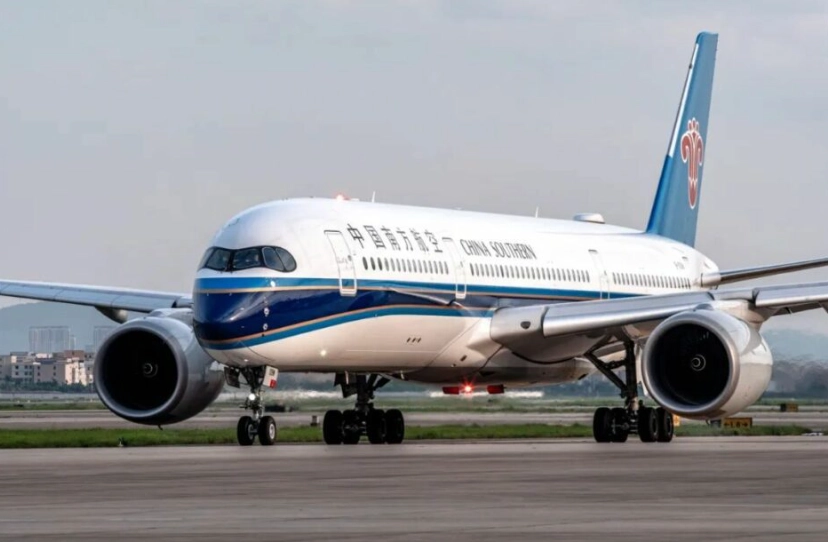
Why Foreigners Struggle with Domestic Flights
The main issue? Most online travel agencies (OTAs) and airline websites are built for Chinese citizens. They assume you have a Chinese ID, a local phone number, and WeChat Pay or Alipay linked to a Chinese bank account. As a foreigner, you're an anomaly.
- Payment walls: Many Chinese airline official sites only accept UnionPay or domestic mobile wallets. Your Visa or Mastercard? Often rejected.
- Name confusion: Chinese systems sometimes mash given and family names together. If your passport shows "John Smith" but the booking has "Smith John" (common in Asian order), you'll have problems at check-in.
- Phone number required: Almost every booking platform demands a Chinese mobile number for verification. Without one, you can't even search.
- Language barrier: The English versions of Chinese airline sites are often incomplete, with untranslated sections or broken links.
How to Book with a Foreign Passport
Here's the step-by-step process I follow every time. Stick to this and you'll avoid 90% of the headaches.
1. Choose Your Booking Platform
Skip the Chinese-only apps (Ctrip Chinese version, Qunar). Go with:
- Trip.com (website or app) – best for English speakers, accepts foreign credit cards, allows passport entry.
- Klook – also good, sometimes cheaper for certain routes.
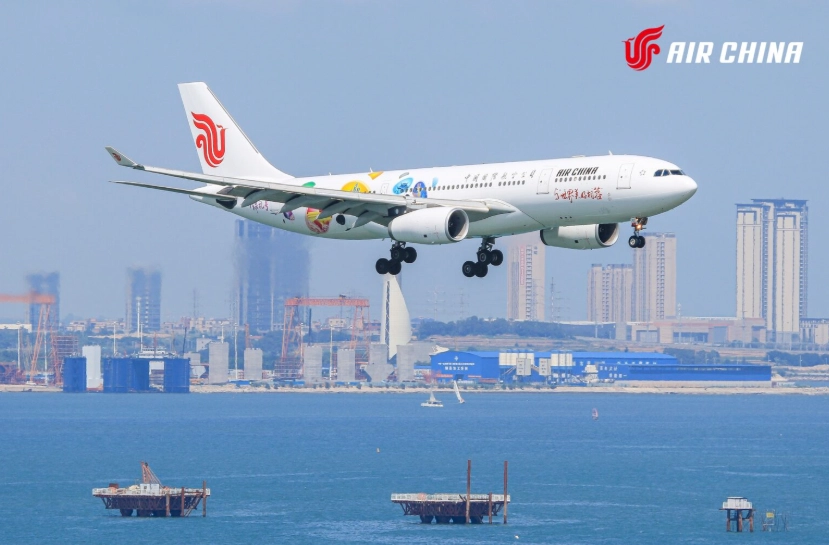
- Airline official site – only if it has a full English version. Air China and China Southern have decent English sites. But beware: payment may still fail with a foreign card.
2. Enter Your Name Exactly as on Passport
No middle name? Don't add it. Use the exact spelling. For Chinese airlines, the order (given name first / family name first) doesn't matter as long as the characters match. But to be safe, I always put given name first (John), then family name (Smith) in the corresponding fields.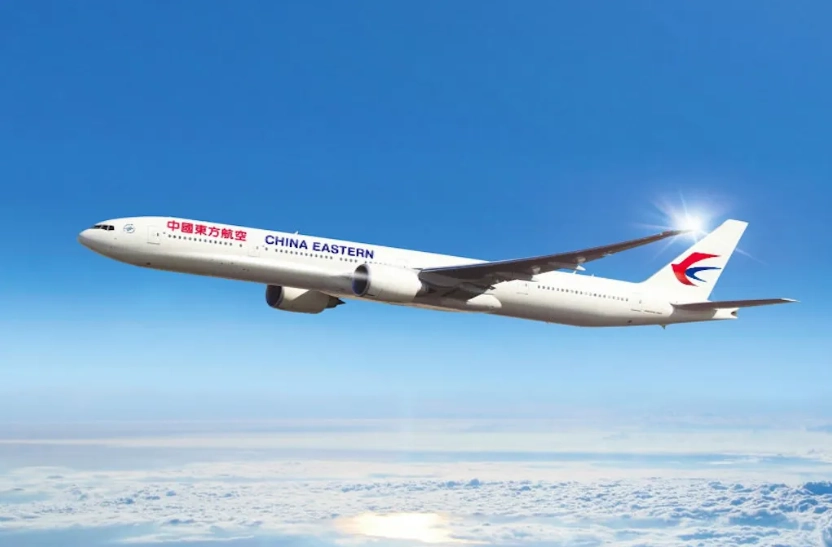
3. Provide Your Passport Number
When booking, you'll be asked for ID. Select "Passport" and enter the number. If you're booking multiple legs, make sure it's the same passport. Changing passport number later is a pain.
4. Use a VPN for Reliable Access
Google Maps, Trip.com, and airline sites can be slow or blocked without a VPN inside China. I use ExpressVPN or NordVPN. Get one before you arrive.
5. Payment: The Trickiest Part
Trip.com accepts Visa, Mastercard, and Amex (with a 3% fee). That's your safest bet. If you have Alipay linked to a foreign card, you can also pay that way, but not all airline stores accept it. Cash is not accepted for online bookings. Bring multiple cards—I've had Visa work on one attempt and fail on another.
Which Chinese Airlines Are Best for International Travelers?
I've flown on all major Chinese carriers. Here's my honest comparison, based on service, punctuality, luggage, and how they treat foreign passengers.
| Airline | Punctuality | English Service | Checked Bag Allowance (Economy) | Food Quality | Foreigner-friendliness |
|---|---|---|---|---|---|
| Air China | High | Good | 23kg (1 piece) | Decent | Good – English website works |
| China Southern | Medium | Good | 23kg (1 piece) | Decent | Good – English app available |
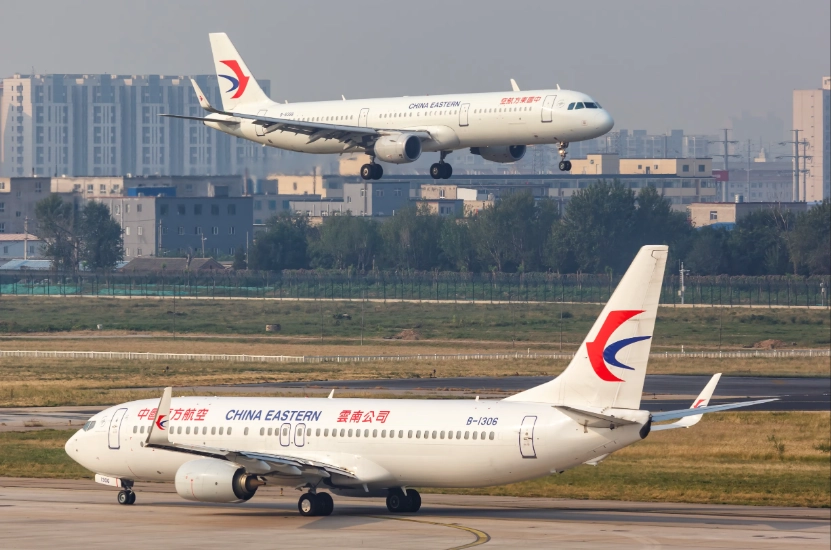
| China Eastern | Medium | Fair | 23kg (1 piece) | Average | Fair – English site glitchy |
| Hainan Airlines | High | Excellent | 30kg (2 pieces on long hauls, 1 on domestic) | Very Good | Best – dedicated foreigner support |
| Spring Airlines (Budget) | Low | Poor | None (pay extra) | None (buy on board) | Poor – Chinese-only site, strict baggage |
My pick? Hainan Airlines. They have the best English support, generous baggage, and their planes are newer. But they cover fewer domestic routes. For major routes (Beijing–Shanghai, Shanghai–Guangzhou), Air China is reliable. Avoid Spring Airlines unless you're absolutely on a budget and can navigate Chinese interfaces—their baggage fees are brutal.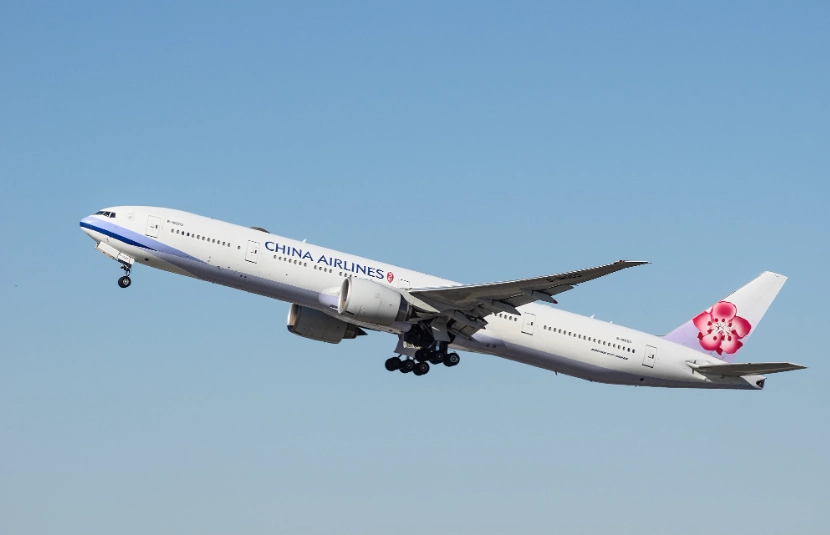
Navigating Security & Check-In as a Tourist
Airports in China are efficient but different. Here's what to expect.
Check-In
- Arrive 1.5 hours before domestic flight (2 hours if you check baggage).
- Use the self-service kiosk if available (most major airports have English option). You'll scan your passport, and it prints the boarding pass.
- If you have baggage, go to the counter. Show your passport and booking code.
Security
- You pass through ID check first. The officer will scan your passport and look at your face.
- Then security scan: take out laptop, power bank, phone, and liquids (in a clear bag, max 100ml). Same as elsewhere.
- Pro tip: power banks over 20,000mAh must be declared. They're not allowed in checked luggage anyway.
Boarding
- Gates can change last minute. Listen for announcements (often only in Chinese, but English on major routes). I always set an alarm 20 mins before boarding.
- They board by zones. Listen for your zone number.
What to Do When Your Domestic Flight Gets Delayed or Cancelled
Delays are common in China, especially in summer (typhoon season) and winter (fog). Here's my battle-tested plan.
- Check the flight status app: Trip.com sends push notifications. Also download FlightStats or FlightRadar24 (works with VPN).
- Go to the airline counter immediately if delay is long. Chinese airlines reroute passengers proactively. But they may not call you. You have to queue.
- Bring a charged power bank. You'll be stuck waiting. Most airports have USB charging stations, but they're often occupied.
- Know your rights: For delays over 2 hours, airlines offer meals; over 4 hours, they offer hotel accommodation (but usually only for Chinese passengers who berate them loudly). Foreigners often get ignored. Be polite but persistent. I once got a free hotel in Chengdu because I asked nicely… twice.
- Cancel and rebook: If you booked through Trip.com, their customer service (in-app chat) can help change flights. They've saved me multiple times.
FAQ: Common Questions About Flying within China
Look, navigating China domestic airlines isn't rocket science. It's just a different system. The first time you breeze through check-in with your phone, passport, and a e-ticket, you'll feel like a pro. Stick with Trip.com, keep your passport handy, and always double-check your name. Safe travels!







Just got back from a Chengdu to Lhasa round-trip on Tibet Airlines (operated by domestic partner). Wow—what a treat! The views of the Himalayas were incredible, and the pilot gave a little commentary about the landmarks. Very professional crew, spotless cabin, and the oxygen system worked perfectly (important for high altitude). They even served yak butter tea as a welcome drink. This is how domestic travel should be. Highly recommend!
China Eastern from Shanghai to Xi'an was surprisingly smooth. Quick online check-in, the lounge at PVG was nice, and boarding was well-organized. The crew spoke decent English and helped me fill out the health declaration form. Seat was comfy, inflight entertainment had recent movies. Only minor thing: the snack pack was a bit meager. Otherwise, a solid 5/5—would fly them again in a heartbeat.
Absolutely loved my flight on Hainan Airlines from Haikou to Beijing! The legroom on the A330 was generous, they served a hot meal (even a choice of beef or chicken!), and the flight attendants were super friendly. One even noticed I was cold and brought a blanket without me asking. Arrived exactly on time. Can't recommend them enough—felt like a premium experience for a standard economy ticket.
Used Air China for a Beijing to Chengdu trip. Overall pretty decent experience. The plane was clean, and the crew were polite if not overly warm. Food was just okay—a cold rice box with some mystery meat. But the flight landed 20 minutes early which was a nice surprise. Would fly again if the price is right, but not my first choice.
Flew from Shanghai to Guangzhou last week on China Southern. The seats were a bit cramped for my 6'2" frame, and the boarding process was chaotic—people pushing past each other. Plus, the cabin crew seemed rushed and barely smiled. Got my luggage okay, but for the price I paid, I expected slightly better comfort. It was fine for a short flight, but nothing special.
I've read a few guides but this one stands out. The author clearly knows the system inside out. The tips about seat selection and dealing with delays were exactly what I needed. Even the little details like how to find the right queue at security made a huge difference. Five stars!
What a lifesaver! I was so nervous about my first domestic flight in China because of language barriers, but this article gave me clear steps from booking to baggage claim. The part about using WeChat for booking tickets was especially helpful. Flawless advice, thank you!
Absolutely loved this article! As a frequent traveler within China, I can confirm that every tip here is golden. The insider tips about avoiding peak hours and bringing your own snacks saved me so much hassle. I've shared it with all my expat friends. Highly recommend reading before any domestic flight!
This guide helped me a lot during my first domestic flight in China. The advice about using the mobile app for check-in and choosing local carriers was spot on. I'd have liked more details about connecting flights and what to expect at smaller airports. Overall, a solid resource for any foreign traveler.
I was hoping for more up-to-date info on luggage restrictions and check-in procedures. The article mentioned a few good tips, but I found that some airlines have changed their policies since it was written. Also, the section on food options was too generic. Still, it's a decent starting point, just don't rely on it completely.