 Peng Gao
What You'll Find Here
I've been guiding travelers in China for over a decade. The number one thing that trips people up? The transit visa.
You land in Beijing, you have a 12-hour layover—everyone tells you to go see the Great Wall. But then you hit immigration and your whole plan falls apart because you didn't realize you needed a China transit visa before you even booked the flight.
Here is the raw truth: the China transit visa (also called the 72-hour or 144-hour visa-free transit) is a lifesaver, but only if you follow the rules exactly. Miss one detail and you're stuck in the airport or, worse, deported.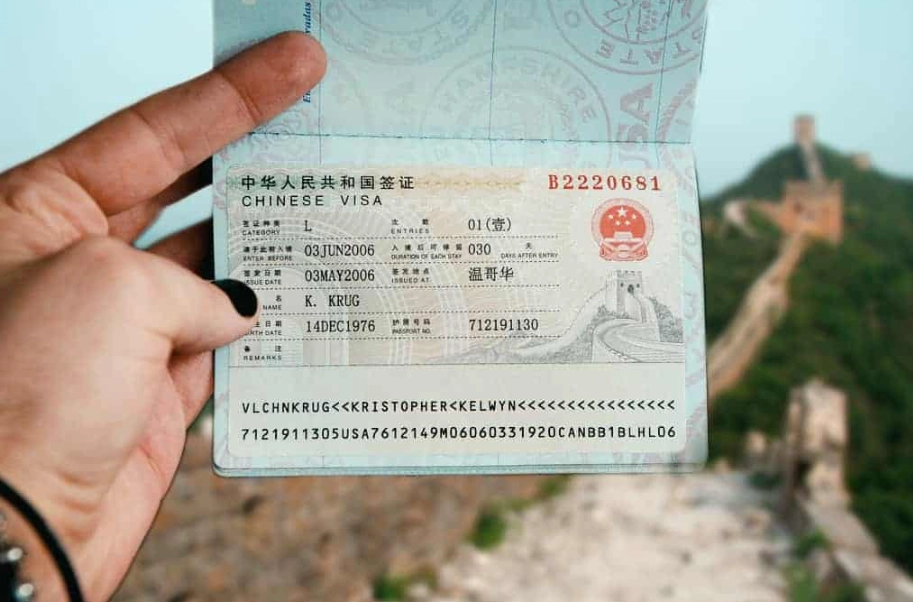
What Exactly Is the China Transit Visa?
It's not actually a visa you apply for in advance. It's a visa exemption policy that allows passengers transiting through China to stay for up to 144 hours (6 days) without a full tourist visa. Think of it as a free short-term pass to explore certain Chinese cities.
But here's the catch: you can't just show up and expect it. You need to meet specific conditions, and you must inform the airline at check-in that you intend to use the transit policy. If the airline doesn't flag it right, you won't get the stamp.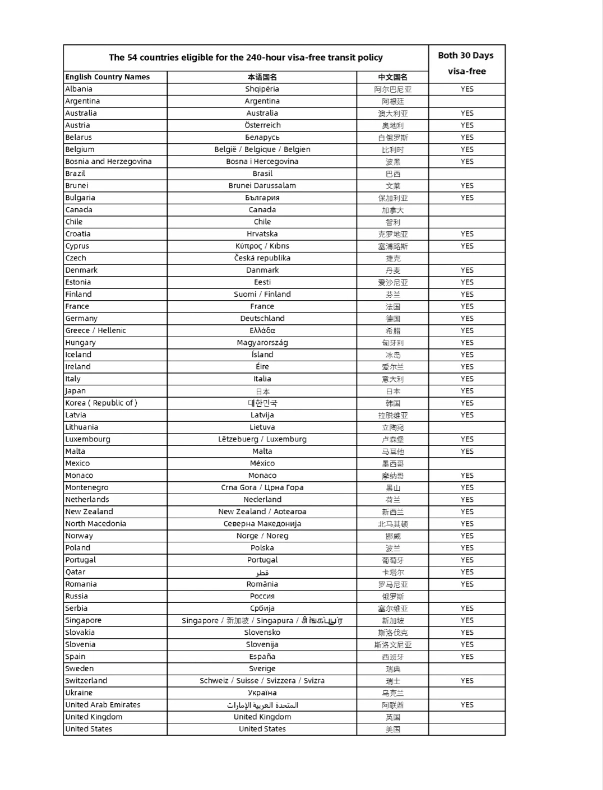
Who Qualifies? (It's Not Everyone)
First, check your nationality. The policy covers 53 countries, including the US, UK, Canada, Australia, most EU nations, Japan, South Korea, Russia, and Brazil. If you're from one of those, you're in. But if you're from India, Vietnam, or the Philippines, sorry—you'll need a full visa.
Second, you must be traveling from one country to another with a connecting flight in China. For example, London → Beijing → Bangkok works. But Beijing → Shanghai (domestic leg) does not qualify—you can't fly from one Chinese city to another under this policy.
Third, your onward ticket must be to a third country (not your origin country). A round-trip won't work unless the return is via a different country.
144-Hour vs. 72-Hour: Which One Do You Get?
It depends entirely on your port of entry. Some cities allow 72 hours (3 days), others 144 hours (6 days). Here's a breakdown of the most common entry points:
| City / Region | Allowed Duration | Zone Restriction |
|---|---|---|
| Shanghai (PVG), Jiangsu, Zhejiang | 144 hours | Shanghai + surrounding provinces |
| Beijing (PEK, PKX) | 144 hours | Beijing, Tianjin, Hebei (but you can't go to Shanghai) |
| Guangzhou (CAN) | 144 hours | Guangdong province only |
| Chengdu (CTU) | 72 hours | Chengdu city only |
| Xi'an (XIY) | 72 hours | Xi'an city only |
| Kunming (KMG) | 72 hours | Kunming city only |
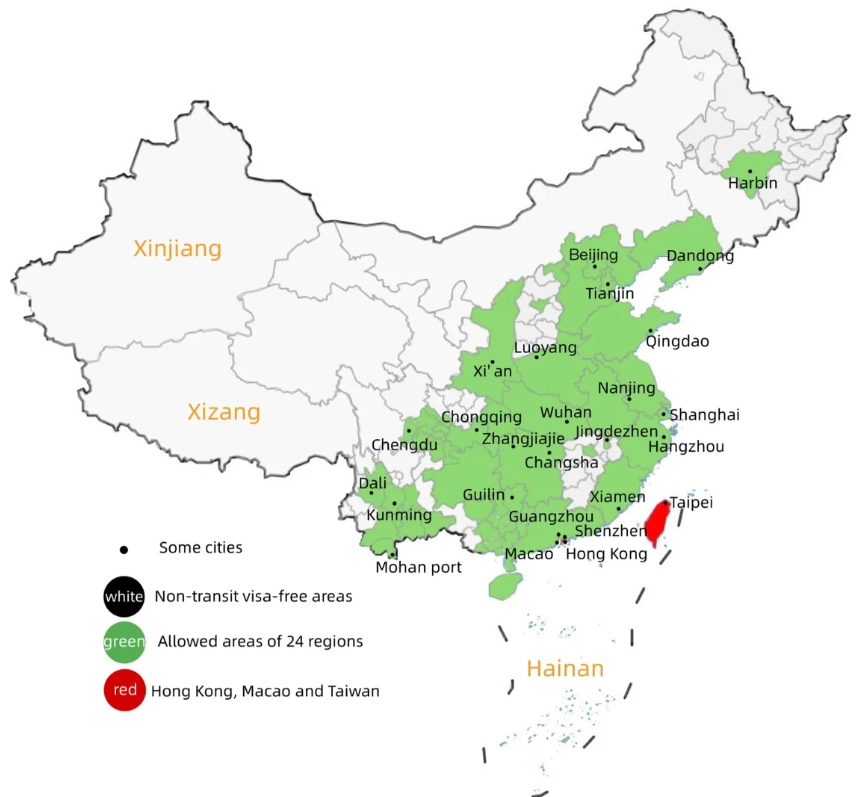
Notice the pattern: major hubs like Shanghai and Beijing offer 144 hours, while smaller cities stick to 72. And you're strictly confined to the listed area—you cannot sneak off to another province.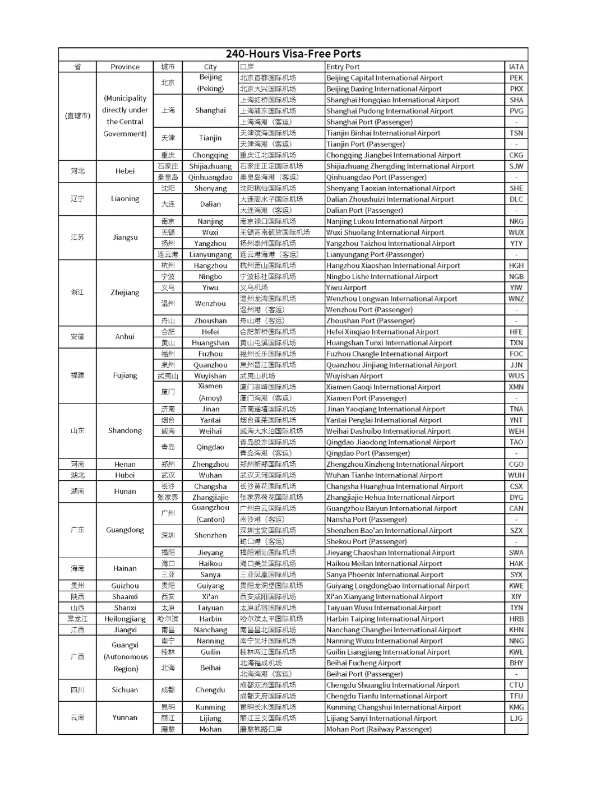
How to Actually Get the Transit Visa
You don't fill out a form online. The process happens at the airport. Here's the step-by-step I recommend to my clients:
- Before your flight: Make sure your airline knows you're using the transit policy. Some airlines (especially Chinese ones) are familiar, but if you're flying with a low-cost carrier, double-check. Bring a printed copy of your onward ticket.
- At immigration: Fill out the blue arrival card (ask for transit, not visitor). Present your passport, onward ticket, and hotel booking (if you have one—they may ask). They'll stamp you with the transit permit.
- Duration counts: The clock starts ticking from midnight of the day you arrive. So if you land at 11 PM on Monday, you get the full next day (Tuesday) plus the following days. That's a huge hack—arrive late to maximize your stay.
- Exit: You must depart from the same city or a designated exit within the zone. For example, if you enter via Shanghai, you can fly out from Shanghai, Nanjing, or Hangzhou—all within the allowed region. But you cannot exit from Beijing.
Common Mistakes That Get You Denied
I've seen dozens of travelers turned away at immigration. Here are the biggest traps:
- No onward ticket. You absolutely must have a ticket leaving China to a third country within the allowed time. A return to your home country is fine as long as it's not directly from the same place you came from—that would be a round trip, which is not allowed. Wait, let me clarify: If you fly Beijing → London → Beijing, the return leg is not considered onward to a third country. So round trips are invalid. You need a ticket that goes A → China → B, where B ≠ A.
- Wrong nationality. Even citizens of the 53 countries need to check if they have any special restrictions. For example, US passport holders are eligible for 144 hours in Shanghai but only 72 hours in some smaller ports.
- Overstaying. Even by an hour. The Chinese immigration system is strict. Overstay penalties can include fines and bans. Set an alarm for 24 hours before your flight leaves.
- Not having a hotel reservation. Not always asked, but if they do ask and you say "I'll just wander," they might deny entry. Book a refundable hotel just in case.
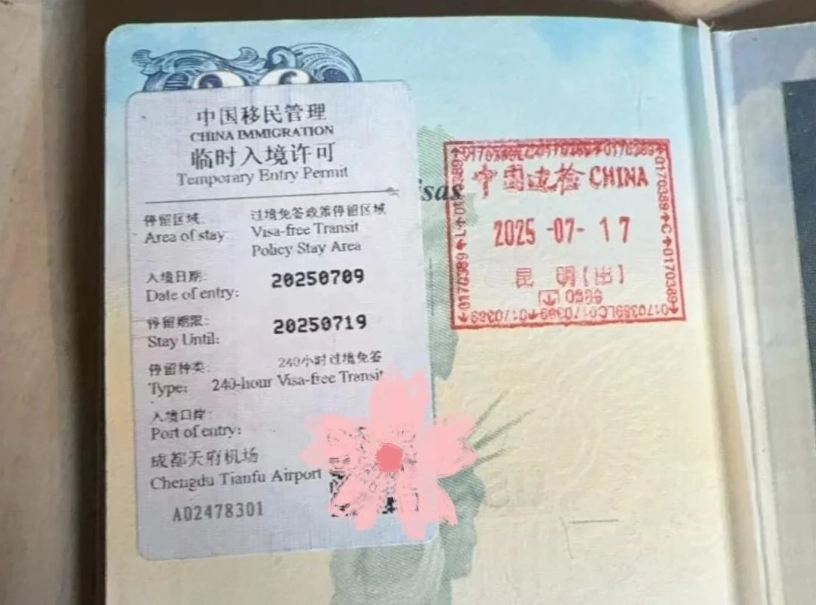
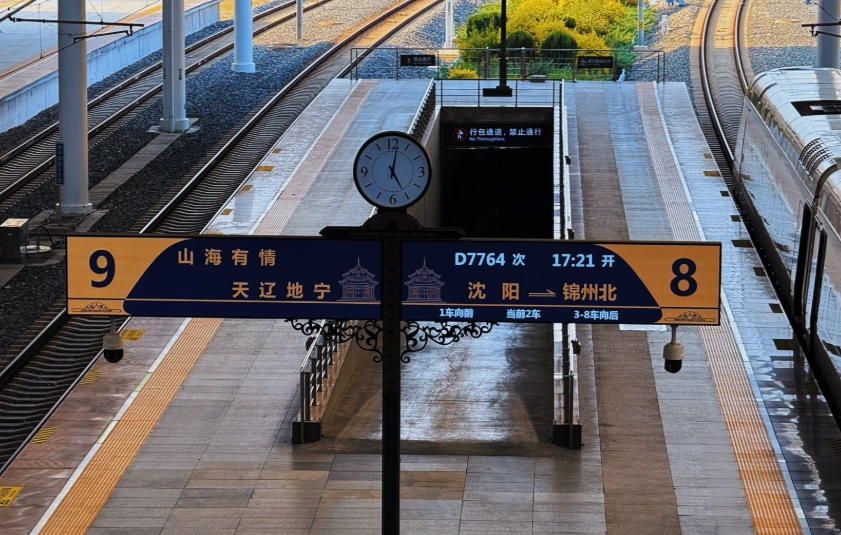







Used the 144-hour transit visa in Xi'an and it was fantastic. The airport staff even gave me a map and suggested a quick route to see the Terracotta Warriors. No additional paperwork, just passport and onward ticket. I spent three days there and loved the city. This policy is a game-changer for anyone traveling between Asia and Europe. 5/5, will use again.
Disappointing experience. I planned a 144-hour stopover in Chengdu, but the officer at the transit counter said my connecting flight to Hong Kong left too late? I had to rebook at the last minute and lost money. The policy is great on paper but the implementation depends a lot on the mood of the staff. Also, the rules are confusing—some websites say 72 hours, others say 144. Needs clearer signage.
Honestly, the 144-hour transit visa saved my trip. I had a long layover in Guangzhou and couldn't get a tourist visa in time. This policy let me spend two full days eating dim sum and visiting the Canton Tower. The whole process at the airport took maybe 20 minutes. I tell all my friends about it now. Best thing for spontaneous travelers!
I did the 72-hour transit visa in Beijing and it worked perfectly. Got to see the Great Wall and Forbidden City in two days. The only hiccup was that the airline check-in staff at my home airport didn't know about the policy, so I had to show them the official website. Once in Beijing, immigration was smooth. Would give it 4 stars because of that initial confusion, but overall a great hack.
Used the 144-hour transit visa in Shanghai last month and it was a breeze. No need to queue for a tourist visa at the embassy, just showed my onward ticket and hotel booking at the airport. Spent three days exploring the Bund and Yuyuan Garden, then flew to Tokyo. The customs officer was professional and fast. Absolutely recommend this for any layover traveler!
Honestly, I was disappointed. I thought the transit visa would be a breeze, but at Kunming airport the immigration officer didn't seem familiar with the 144-hour rule for my nationality. I had to show multiple documents and wait while they called someone from the embassy. Nearly missed my onward flight. The policy has potential, but the inconsistency in enforcement is frustrating. I'd only recommend it if you have a lot of buffer time and patience.
Overall a good option, but be warned: the rules can be a bit confusing depending on which airport you're at. In Chengdu, the officer initially told me I needed a visa because my layover was 145 hours (just one hour over!), but then her supervisor corrected it. Took 20 extra minutes of back-and-forth. The policy itself is great once you understand the exact time window – just double-check before you fly. 4 stars because it still saved me money.
Absolutely seamless experience at Guangzhou Baiyun Airport. The transit visa desk was clearly signposted, the officers spoke decent English, and the whole process took less than 15 minutes. I had 72 hours to explore Canton Tower and eat dim sum. It's a no-brainer for anyone with a connecting flight – just bring your printed itinerary and you're golden.
Best travel hack for budget travelers! I had a 12-hour layover in Beijing and used the 72-hour transit visa to dash to the Great Wall. No visa fee, no paperwork nightmare – just a quick stamp and I was out. Got to see one of the wonders of the world between flights. Unbeatable value. Will definitely do this again on my next Asia trip.
Used the 144-hour transit visa in Shanghai last week and it was a game-changer! Landed at Pudong, filled out a short form at the transit counter, and had 6 days to explore the city. Saved me hundreds on a tourist visa and the staff were incredibly helpful. Highly recommend if you're connecting through China – just make sure your onward flight is within the time limit!