 Ming Yang
Quick Navigation
I've led over 30 groups to Siguniang. The first time I went, I nearly got stuck at the ticket booth because my WeChat payment wasn't working. That was a long afternoon.
Mount Siguniang is one of Sichuan's most stunning spots—four glistening peaks, alpine meadows, and trails that range from a casual walk to a serious climb. But the logistics? They trip up most foreign visitors. International credit cards? Forget it at the park entrance. Most online guides tell you to take a 3-day trip from Chengdu, but that pace will exhaust you and you'll miss the best valleys.
Here's the truth: you need at least 5 days to do it right, and you must book permits through the official WeChat mini-program. No other way works. Let me break down everything you need.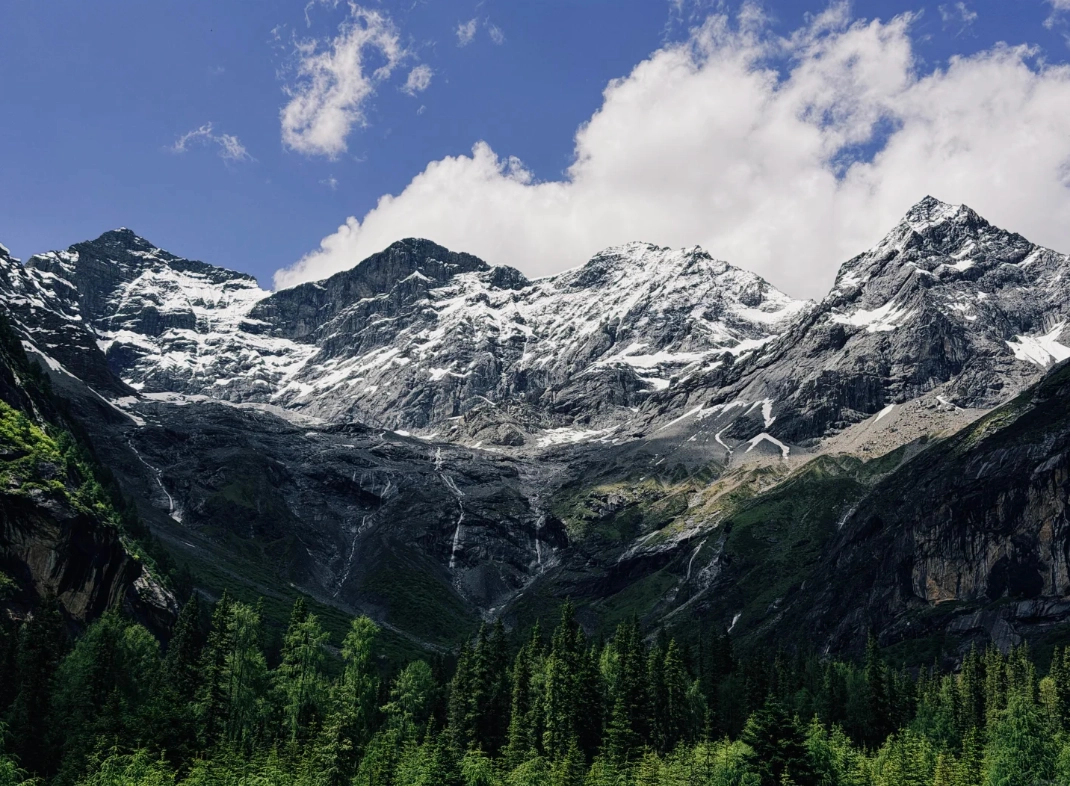
Getting Permits & Tickets
You cannot just show up and buy a ticket—at least not during peak seasons (May-Oct, Chinese holidays). You must book through the official Mount Siguniang Scenic Area WeChat mini-program. Search for 四姑娘山景区 in WeChat. The interface is entirely in Chinese.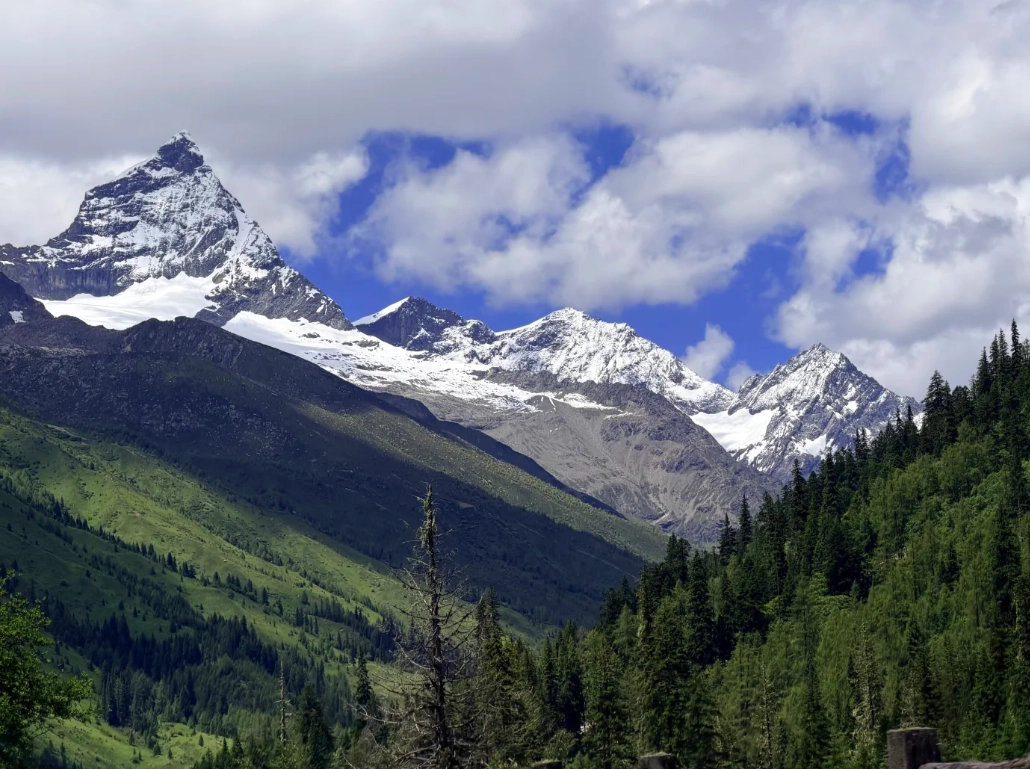
Ticket Prices
| Area | Adult (CNY) | Student (CNY) | Notes |
|---|---|---|---|
| Shuangqiao Valley | 150 | 75 | Includes sightseeing bus (70 yuan) |
| Changping Valley | 90 | 45 | Bus to entrance costs 20 yuan |
| Haizi Valley | 60 | 30 | No bus; hiking only |
| Combined ticket (all 3 valleys) | 250 | 125 | Valid for 3 days |
You must book at least 1 day in advance during holidays. Last-minute bookings often fail. The park opens at 7:30 AM (summer) and 8:00 AM (winter). Last entry is 3:00 PM for any valley—don't arrive later.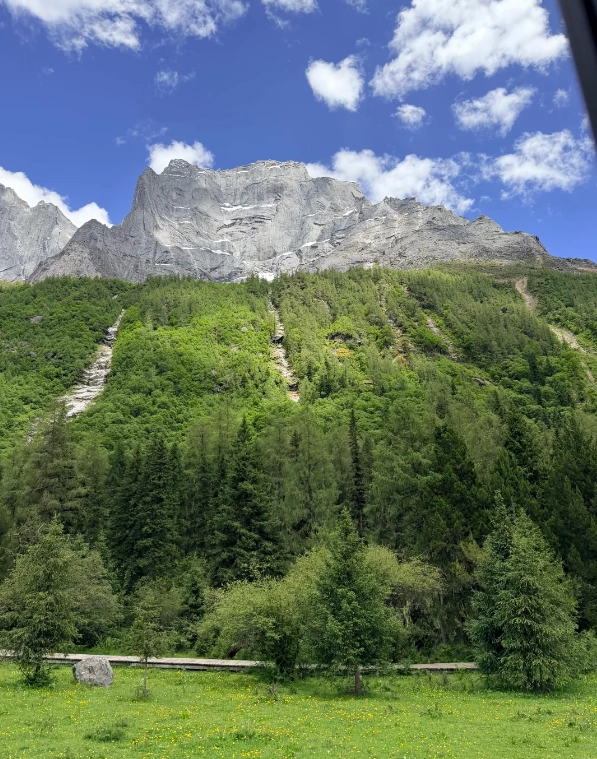
Best Time to Visit
Late June to October is the safest period. The meadows are lush in summer, and autumn colors peak in late October. Winter (November-March) is stunning but trails can ice over, and some bus routes shorten. I personally love September—clear skies, fewer crowds, and mild temperatures.
Try to avoid Chinese National Holiday week (Oct 1-7) at all costs. The queues snake for hours, and accommodation prices triple.
Getting There from Chengdu
The only practical route is by car or minibus. Public buses from Chengdu's Chadianzi Bus Station depart at 6:30 AM and 9:00 AM daily, costing about 120 yuan per person. The journey takes 5-6 hours (including one rest stop). Book your bus ticket at least a day in advance on Trip.com or local bus apps.
Alternatively, hire a private driver through your hotel—expect around 800-1000 yuan for the one-way trip, which gives you flexibility to stop at the dramatic Wolong Panda Reserve viewpoint along the way.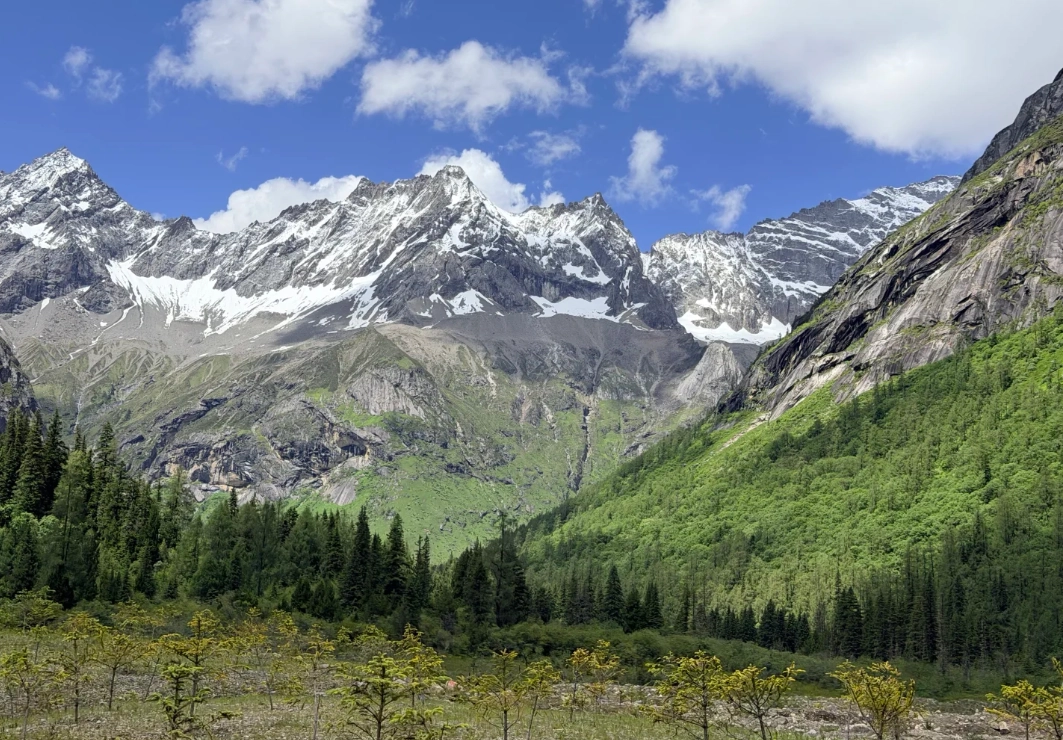
Where to Stay
Rilong Town (Recommended)
This is the main base with the most choices. I've stayed at Yueyue Hotel many times—clean rooms, reliable hot water, and the owner speaks basic English. Double rooms run 200-400 yuan depending on season. Siguniang Mountain B&B is another solid option (about 300 yuan/night) with amazing mountain views from the rooftop. Both have stable WiFi and can help arrange permits.
Important: No elevator in most guesthouses. If you have heavy luggage, ask for a ground-floor room. And bring earplugs—dogs bark at night.
Inside the Park
There is one lodge inside Shuangqiao Valley: Qingshan Hotel. Simple but immersive. Prices start from 500 yuan/night including meals. You must book weeks in advance.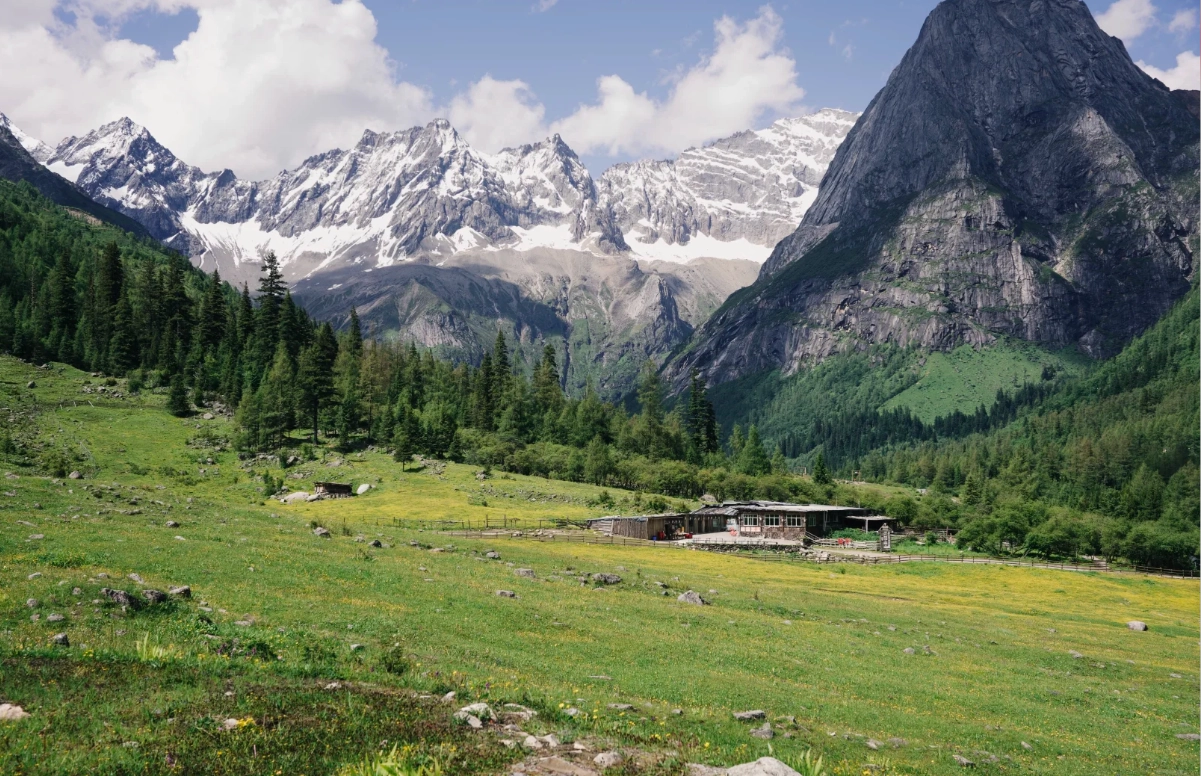
5-Day Itinerary
This is the sweet spot. You cover all three valleys without killing yourself.
Day 1: Arrive & Acclimatize
Bus from Chengdu to Rilong (arrive noon). Check into your hotel. Take a slow walk around town (don't climb stairs!). Drink plenty of water. Eat a light dinner—I recommend the local hotpot at Aji Restaurant (address: main street, near the post office). They have a picture menu, so no Chinese needed. Go to bed early.
Day 2: Shuangqiao Valley (Easy)
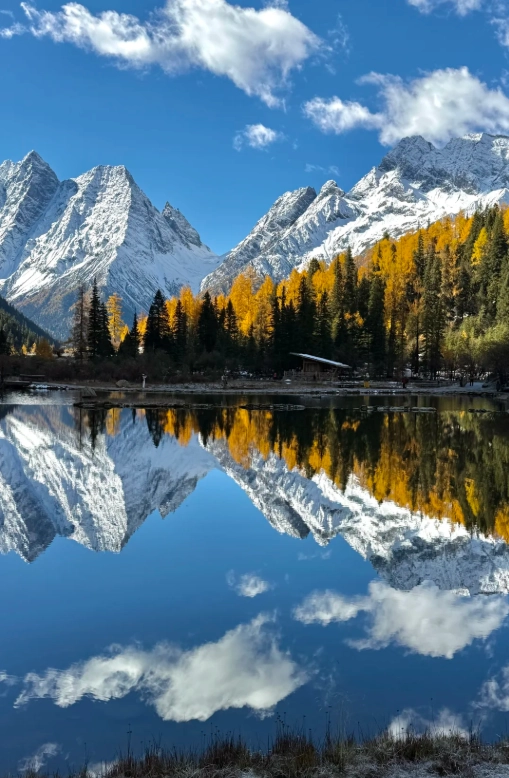
Take the 8:00 AM bus from Rilong to Shuangqiao entrance (10 minutes, 5 yuan). The sightseeing bus will take you all the way to the last stop Hongshanping. Work your way back down by catching the bus at each stop. Highlights: Yak Meadow (perfect photo spot at 11 AM when the light hits the peaks), and Rensenguo Lake (mirror reflection in the morning). Finish by 3 PM, return to Rilong. Altitude here is manageable (3500m).
Day 3: Changping Valley (Moderate)
Enter Changping Valley. You can either hike along the wooden boardwalk or rent a horse (about 300 yuan for a half-day). The horse saves energy but is bumpy. I always hike to Ganhaizi (Dry Sea) — about 2 hours one way. Beyond that, the trail becomes wilder. Bring packed lunch; there is only one basic noodle shack at the halfway point. Finish by 4 PM.
Day 4: Haizi Valley (Challenging)
This is the wildest valley—no bus, just trails. Start early (6 AM). The goal is Dahaizi (Big Sea) — a 6-hour round trip hike. The altitude here exceeds 4000m; you will feel it. Take it slow. I've seen people vomit from rushing. Reward: turquoise alpine lake with the peaks behind. Return by 2 PM, sleep well.
Day 5: Departure
Catch the 7:00 AM bus back to Chengdu, or arrange a private transfer. If you're pressed for time, you could skip Haizi Valley and do a 4-day itinerary instead, but you'll miss the best scenery.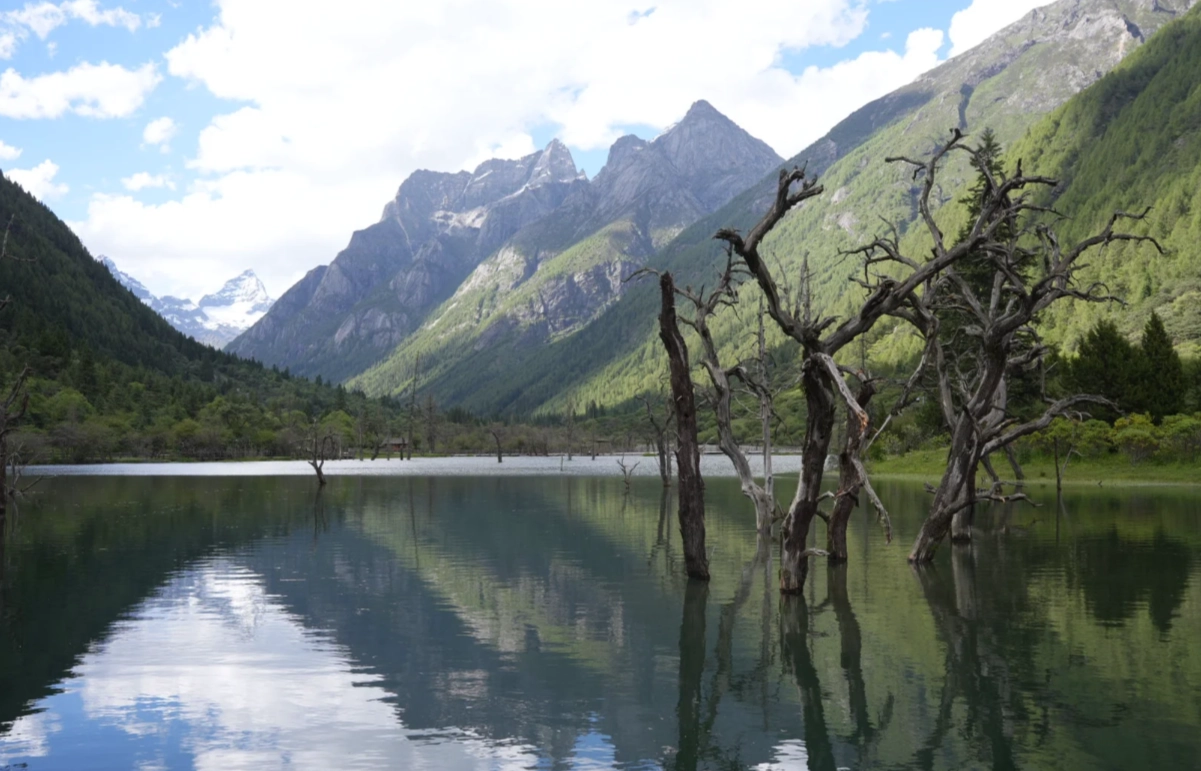
Altitude Sickness & Safety
The highest point you'll reach (Dahaizi) is about 4300m. Most people get mild symptoms: headache, nausea, shortness of breath. I always carry Diamox (acetazolamide) — buy it before you leave home with a prescription. Also, local shops sell Hongjingtian (Rhodiola) capsules and oxygen cans (20-30 yuan each). They help a bit.
Don't drink alcohol for the first two days. I made that mistake once — had a terrible night. And skip hot showers on Day 1; they can exacerbate altitude sickness.
Common Mistakes & Tips
- Paying with cash only: Almost everything now uses WeChat Pay or Alipay. Bring some cash for emergencies (500 yuan enough), but set up WeChat Pay before you go.
- Overpacking hiking gear: The valleys are well-maintained. You don't need crampons or trekking poles unless you go in winter (snow). Light hiking shoes and layered clothing suffice.
- Ignoring the sun: UV is brutal at altitude. Use sunscreen SPF50+ and bring sunglasses. I've seen faces burnt after just 2 hours in Haizi Valley.
- Not pre-booking bus tickets: The return bus to Chengdu often sells out. Book it right when you arrive in Rilong.
Frequently Asked Questions
Verified and fact-checked by the editorial team.





Perfect for first-timers! I followed this itinerary word for word and had an amazing experience. The logistics section about getting to the mountain from Chengdu saved me hours of research. The only tiny thing I'd add is a note about buying park tickets online in advance—I almost missed my slot. But overall, couldn't ask for a better free guide. Thumbs up!
I'm usually skeptical of online itineraries, but this one was spot on. The packing list and altitude acclimatization advice were gold—I didn't get any headache, which was a miracle. Also loved the local food suggestions included in the daily plan. Already shared this with three friends who are planning their own trips. 5 stars!
Not bad, but I felt the pacing was a bit too rushed for the first two days. We ended up skipping some suggested spots just to keep up. Also, the guide doesn't mention that some sections of the trail require a guide—we got turned around at a checkpoint. Useful overview, but it's missing some practical warnings. 3 stars from me.
Honestly, this itinerary saved my trip. I was so overwhelmed with all the info out there, but this 5-day plan was clear, realistic, and actually fun. The recommendation to stay at Changping Village on day 3 was a game-changer—I got to see the sunrise without the crowds. Highly recommend for absolute beginners who don't want to overthink everything.
Pretty solid guide for a first timer like me. The day-by-day breakdown helped me plan my bus tickets and accommodation in advance. My only gripe is that it could use more details on trail difficulty and altitude sickness tips—I got hit hard on day 2 and wasn't fully prepared. Still, a decent starting point for anyone new to Siguniang.