 Ming Yang
What You'll Find in This Guide
Breathtaking. Cold. Crowded if you come at noon. I've led over 50 groups to Dagu Glacier, and I can tell you exactly how long to spend at Dagu Glacier National Park without turning it into a rushed blur. The biggest mistake foreign travelers make? Following online itineraries that ignore the brutal altitude and the shuttle bus schedule. Let me cut through the noise.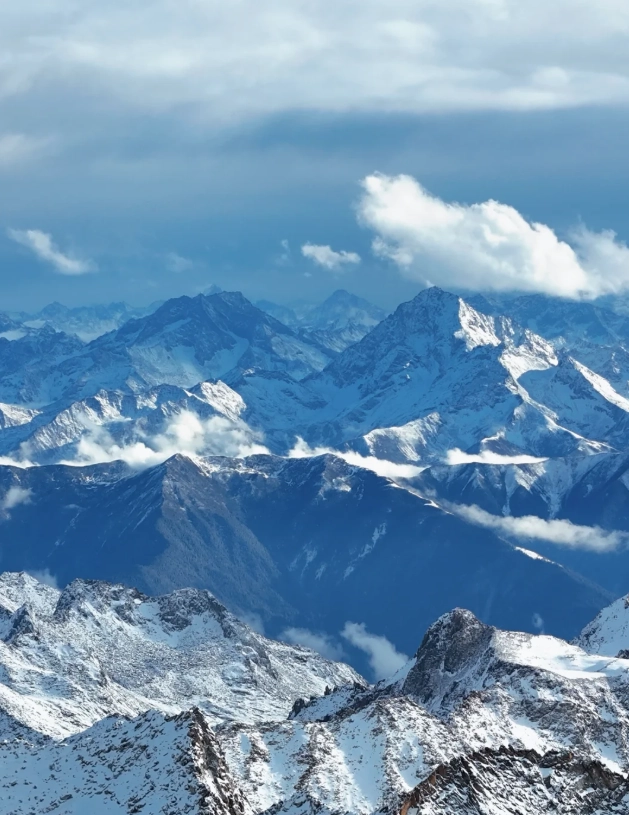
Bottom line upfront: You need at least 5 hours from entering the park to leaving. But for a relaxed experience—with time to take photos, rest, and adjust to altitude—I recommend 7–8 hours. Anything shorter will feel like a mad dash, and you'll miss the magic.
The Honest Answer: How Many Hours Do You Really Need?
Here's the breakdown based on the park's forced flow: you take a shuttle bus (30 km, ~1 hour one way), then a cable car (15 minutes up), then explore the glacier at 4,860 meters. The park opens at 8:00 AM and the last cable car down is usually at 5:30 PM (confirm with staff). So the absolute minimum is about 5 hours, but that means you can only linger on the glacier for maybe 2 hours before heading back. If you want to hike a bit on the snow, take panoramic photos, and not feel shortchanged, give yourself at least 6 hours on-site.
My rule of thumb: plan to arrive at the park entrance by 8:30 AM, and you'll be done around 3:30 PM. That's a solid 7 hours. And trust me—your legs and lungs will thank you for not rushing.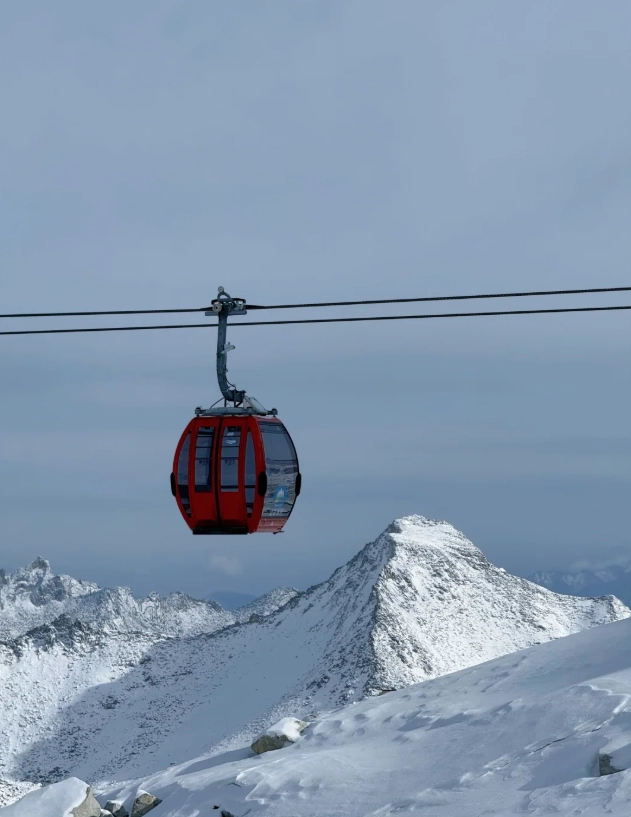
Half-Day vs Full-Day: What's the Difference?
Some travel agencies advertise "half-day trips" from Heishui town. Half-day usually means departing the hotel around 10 AM, hitting the park, and returning by 3 PM. That gives you only about 3 hours inside—barely enough to go up, snap a few photos, and come down. I never recommend that. The altitude hit is harsh if you go up quickly, and you'll be queuing for the shuttle and cable car during peak hours. Full-day gives you the buffer to acclimatize at lower elevations (like the scenic stops along the shuttle route) and choose the best light for photography.
| Type | Estimated Time in Park | Pros | Cons |
|---|---|---|---|
| Half-Day (10 AM–3 PM) | 3–4 hours | Cheaper accommodation; lighter schedule | Rushed; high chance of altitude sickness; crowds |
| Full-Day (8:30 AM–4:30 PM) | 6–8 hours | Leisurely; more photo opps; avoid peak crowds | Need early start; more tiring |
My Recommended Schedule for a Standard Visit
Here is a realistic timeline I use with my groups. It works for most people, even first-timers.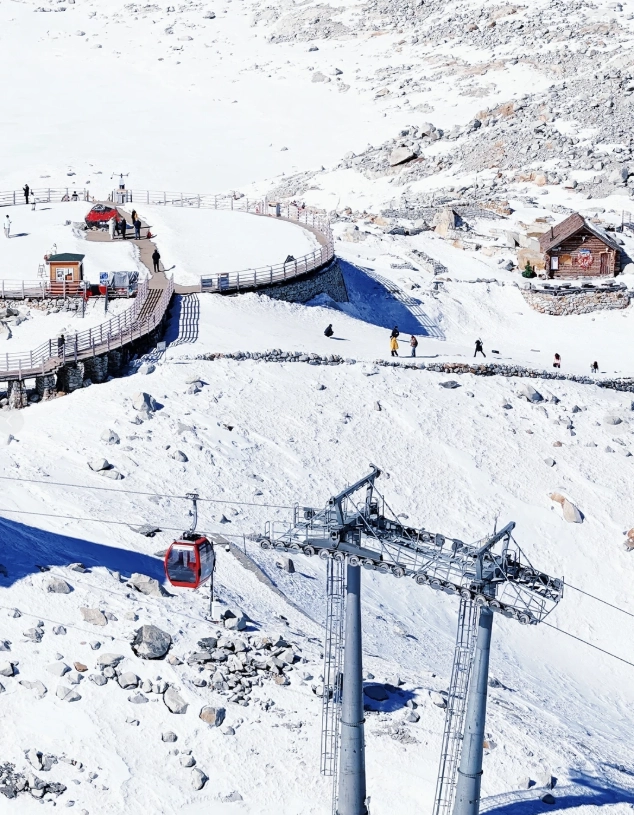
- 8:00 AM – Arrive at park entrance. Buy tickets or show your pre-booked WeChat QR code. (More on booking below.) Don't get stuck in the bathroom line here—use the one at the hotel.
- 8:15 AM – Board the first shuttle bus. Sit on the left side for better valley views. The driver will stop at a couple of viewpoints, but hop off only if you want to. I usually skip the first stop (Qingliang Bridge) because the real show is higher up.
- 9:15 AM – Arrive at cable car base station. Go to the bathroom here—the queue at the top is brutal. Also buy oxygen cans if you didn't already (25 RMB at the kiosk).
- 9:30 AM – Cable car up. It takes about 15 minutes. The views are stunning—snow peaks emerge suddenly.
- 9:45 AM – Arrive at glacier top (4,860m). Walk slowly. Don't talk much. Let your body adjust. I always say: "First 15 minutes, just stand and breathe."
- 10:00 AM – 12:00 PM – Explore the glacier. Walk the boardwalk to the highest safe point, take photos with the sign, and admire the surrounding peaks. If you feel lightheaded, sit down immediately.
- 12:00 PM – 12:45 PM – Lunch. The top has a heated restaurant, but food is overpriced and mediocre (a bowl of instant noodles for 30 RMB). I carry my own packed lunch—sandwich, nuts, water. Hot drinks help with altitude.
- 12:45 PM – 1:30 PM – More photos or short hike along the trails. The light after noon is harsh, but clouds often create dramatic effects.
- 1:30 PM – Start heading down. The line for the cable car can build up after 2 PM.
- 2:00 PM – Back at cable car base. Catch the shuttle bus. If you have energy, get off at the last scenic stop (the red rock area) for 10 minutes.
- 3:00 PM – Exit the park. Total time: 7 hours. You'll be back in Heishui by 3:30 PM.
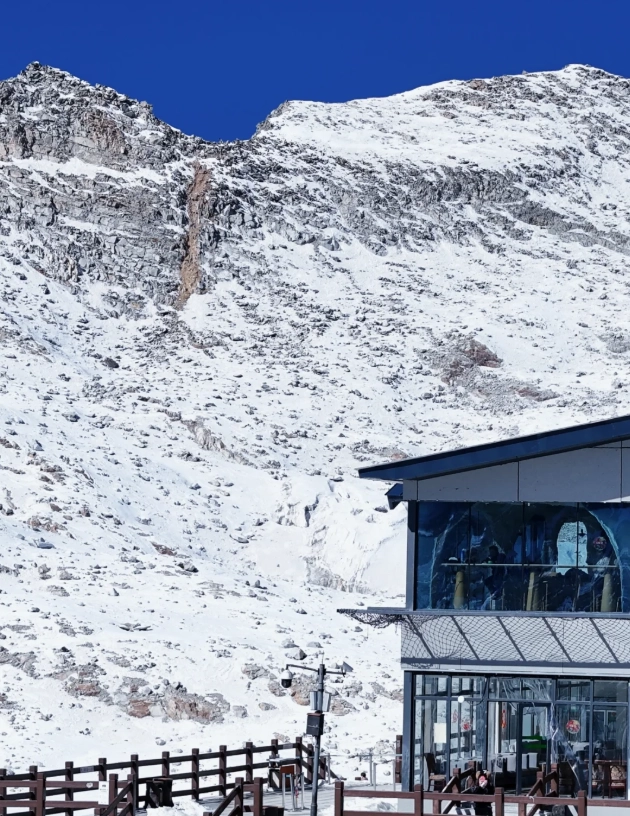
Heads up: The cable car sometimes closes early due to wind. Before going up, check with the staff at the base. If it's windy, they may only run until 4 PM. Adjust your schedule accordingly—I once had to rush down and missed the last car by 10 minutes. Not fun.
Essential Planning: Tickets, Altitude, and Getting There
Ticket Prices and How to Book
| Item | Price (RMB) | Notes |
|---|---|---|
| Park entrance (adult) | 120 | Students half price with valid ID |
| Shuttle bus (mandatory) | 70 | Round trip; children under 1.2m free |
| Cable car (round trip) | 180 | Only way to reach glacier top |
| Total per adult | 370 | ~$51 USD |
To avoid disappointment, book online via the official WeChat mini-program "达古冰川" (search in Chinese). But if you don't have WeChat pay, don't panic—you can buy at the ticket window with cash or Alipay (ask a local to help). My tip: go to the window early (before 8:30 AM) to skip long queues. International credit cards are not accepted anywhere in the park, so bring enough cash.
Altitude Sickness: Real Talk
Dagu Glacier sits at 4,860 meters. That's higher than Everest Base Camp in Nepal. Altitude sickness is real. Symptoms include headache, dizziness, nausea. I've seen strong guys collapse after running. Don't be that person.
My advice:
- Spend the night before in Heishui (2,350m) to acclimatize.
- Buy oxygen cans at the shops in Heishui (about 25 RMB) – cheaper than at the park.
- Walk slowly on the glacier. Every time you feel breathless, stop and take a few deep puffs of oxygen.
- Drink plenty of water. Avoid alcohol and heavy meals the night before.
- If you feel really bad (vomiting, confusion), descend immediately. The cable car goes down constantly.
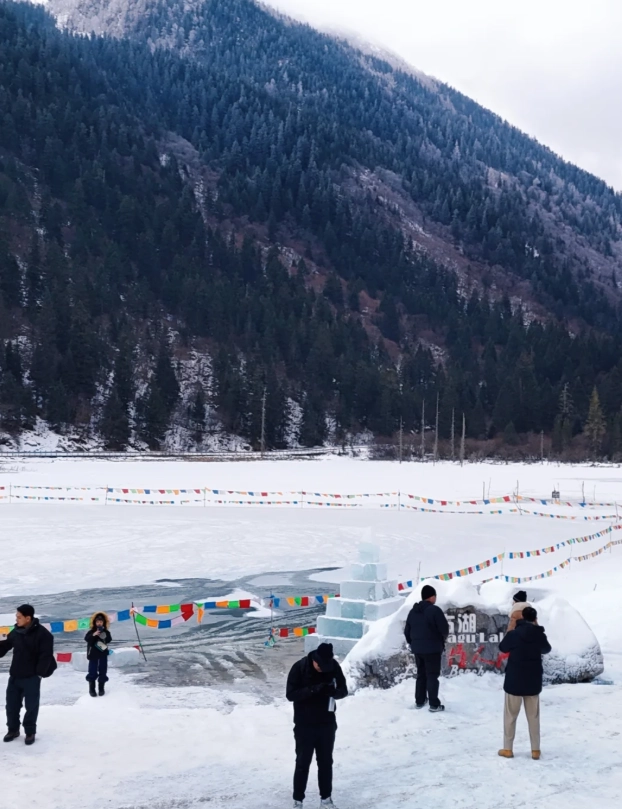
Pro tip from my experience: Many tourist guides recommend taking the shuttle bus all the way without stops. I disagree. On the way up, ask the driver to drop you at the Jinbeng Lake stop (about 20 minutes from the base). Spend 10 minutes walking around the turquoise lake at 3,800m. It helps your body adjust to altitude gradually, and the view is gorgeous. Then catch the next shuttle to the cable car.
Getting There and Where to Stay
Dagu Glacier is in Heishui County, Sichuan. The nearest city is Chengdu (about 300 km, 5-6 hours by car). Most travelers take a bus from Chengdu's Chadianzi Bus Station to Heishui (about 140 RMB, 6 hours), then a 30-minute taxi to the park. Alternatively, join a private tour or rent a car with a driver (800-1200 RMB). Driving yourself is not recommended due to mountain roads and altitude.
Where to stay: I always book at Lusheng International Hotel in Heishui (3-star, about 250 RMB/night). It's clean, has English-speaking staff at the front desk (basic but helpful), and offers breakfast from 6:30 AM – crucial for an early start. Another good option is Heishui Dagu Glacier Hotel, right next to the park entrance, but it's pricier (400+ RMB) and often full. Both have free Wi-Fi and heating (cold at night!).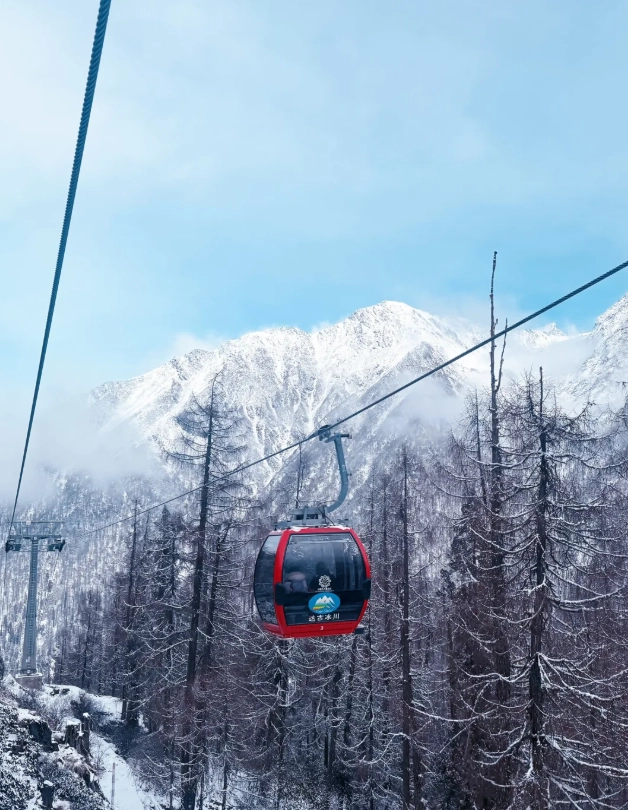
How to Avoid the Crowds: Time Your Entry Right
The park gets packed between 10 AM and 2 PM when tour buses arrive. The secret is to get in early or late. I always aim for 8:30 AM entry. The first hour is blissfully quiet —you'll have the glacier almost to yourself until around 10 AM. Another trick: go on a weekday (Tuesday–Thursday) if possible. Weekends are brutal. And if you can only go during Chinese holidays (like National Day), honestly, skip it and go elsewhere. It's wall-to-wall people.
For photography, the best light is early morning (8–10 AM) for clear views and afternoon after 4 PM for golden hues. But remember, the last cable car is at 5:30 PM. Don't be late—I've seen desperate tourists begging to get down.
Even in summer, the glacier top can be below freezing. Wear thermal layers, a windproof jacket, beanie, and gloves. Rent a down jacket at the park if needed (60 RMB deposit + 30 RMB rental). Sturdy hiking boots with grip are essential—the boardwalk can be icy. Sunglasses are a must; the snow glare is intense.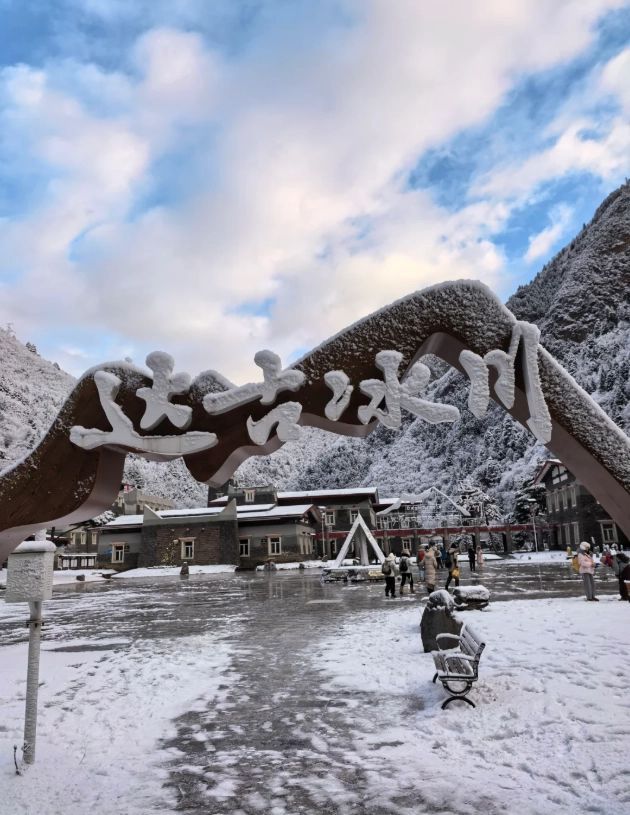





No comments yet.