 Jian Zhao
I've guided over 80 groups through the Hexi Corridor. And every time we approach Yang Pass, someone asks: "Is this just another pile of old bricks?" Honestly? That's what I thought my first time too. But five minutes inside the museum changed my mind. Here's what you actually need to know before you go.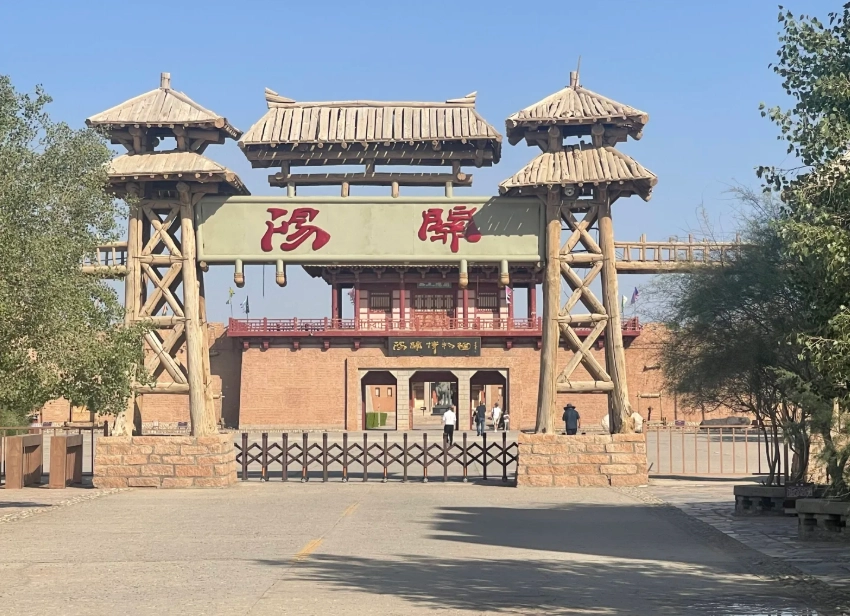
Why Yang Pass Matters More Than You Think
Most travelers rush from Mogao Caves to the Singing Sand Dunes and skip Yang Pass entirely. Big mistake. This pass was the westernmost gate of ancient China — beyond it lay the unknown. Every Silk Road merchant, soldier, and monk passed through here. The museum tells their stories with artifacts you won't see anywhere else. Plus, the backdrop of the Gobi Desert gives you photos that actually impress Instagram.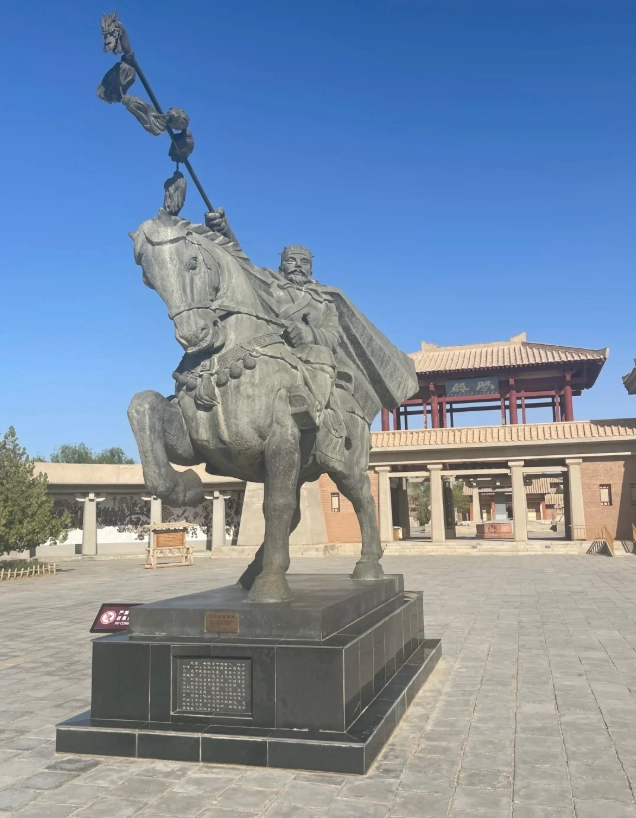
My take: If your time is tight, skip the Yumen Pass (it's mostly ruins with less context). Yang Pass Museum gives you the real feel of the Silk Road frontier.
Tickets, Prices & When to Go
Here's the raw data — no fluff.
| Item | Details |
|---|---|
| Adult ticket | 60 RMB (about $8.30) — includes museum and the actual pass site |
| Student / Senior | 30 RMB — bring your passport or ID with discount proof |
| Children under 1.2m | Free |
| Booking required? | Not strictly, but in peak season (May–Oct) I've seen sold-out signs by 11am. Book via WeChat mini-program "Yang Pass Scenic Area" or ask your hotel to help. |
| Opening hours | 9:00 – 18:00 (last entry 17:30). In winter (Nov–Mar) closes at 17:00. |
| Best time to arrive | 8:45 – beat the tour buses. After 14:00 the sun blasts directly into the exhibition windows — glare ruins photos. |
| Recommended visit duration | 1.5 – 2 hours (museum 45 min, pass site 30 min, walkway 15 min) |
Getting to Yang Pass Museum (Without Getting Lost)
Yang Pass is about 70 km southwest of Dunhuang city center. No public bus goes directly. Here are your three options:
- Taxi / DiDi: 150–200 RMB one way. Show the driver this: 阳关景区. Negotiate a round-trip with waiting time (around 350–400 RMB total). I always tell my guests to take a photo of the driver's license plate — there's no cell signal at the pass.
- Join a group tour: Many hostels and hotels offer half-day tours for about 120 RMB per person (includes entrance). Downside: you're on their schedule.
- Rent a car: Available on Trip.com from about 250 RMB/day. The road is paved and well-marked. Plug "Yang Pass Museum" into Gaode or Baidu Maps (both in English).
Pro tip: The last 2 km of road is a dirt track. If it rained recently, don't take a low-clearance sedan. I've seen cars stuck in mud — not fun.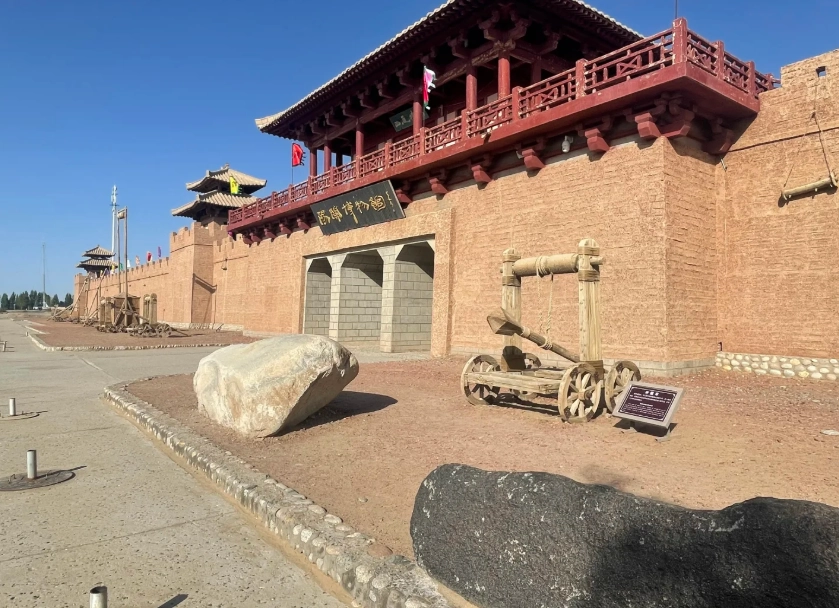
Don't Miss These Exhibits
The museum has three halls. Most people walk through the first one quickly and miss the best stuff. Don't do that.
Hall 1: The Pass Administration
Look for the replica of a Han Dynasty bamboo slip — it's a passport application from 98 BC. The original is in the Gansu Provincial Museum, but this replica has the exact wording. I love how even 2,000 years ago they had bureaucracy.
Hall 2: Weapons & Trade Goods
My favorite: a set of bronze arrowheads and a Sogdian merchant's metal coin purse. You can see the wear from coins rubbing against leather. The lighting here is dim but that protects the artifacts.
Hall 3: The Pass Site & Tower
This is an open-air area. Climb the watchtower — the view of the Gobi stretching into Tibet is worth the dusty stairs. Warning: the wind up there is brutal. I've lost two hats already.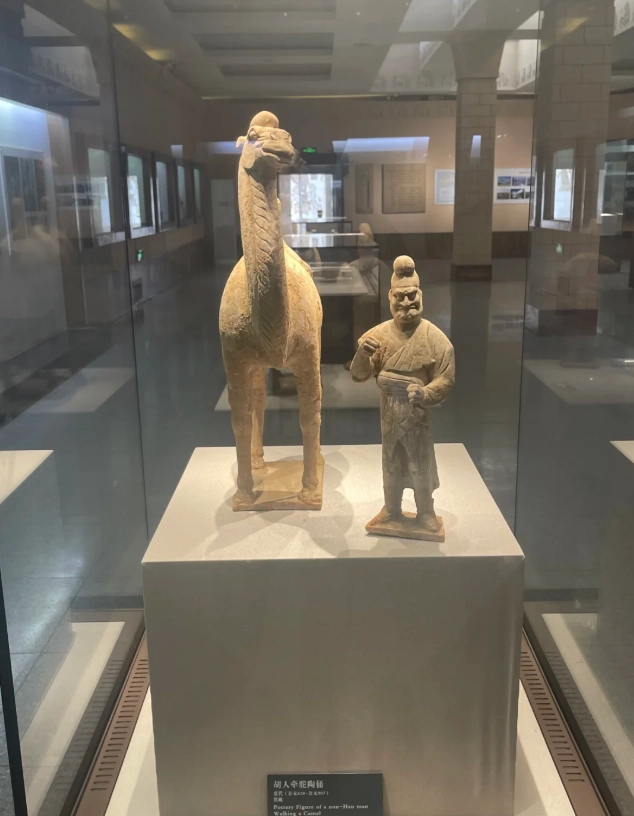
Here's the catch: The museum exit funnels you through a souvenir shop. Don't buy the "ancient coins" — they're made in Xi'an factories. But the dried apricots grown locally are legit delicious.
3 Mistakes I See Every Week
After dozens of trips, these are the screw-ups that cost time and money.
- Coming at noon: The sun is directly overhead, washing out all colors in photos. The museum's glass roof makes indoor exhibits look like glaring white blobs. Arrive before 10am or after 3pm.
- Forgetting to bring water: The museum has a small shop but it's overpriced. Bring at least 1 liter per person. In summer (40°C is normal) you'll empty that fast.
- Skipping the audio guide: It's 20 RMB and available in English. The exhibits have minimal English text — without the audio you're basically looking at pottery shapes. Worth every yuan.
And one more thing: the toilet at the entrance is usually cleaner than the one near the pass site. Take advantage.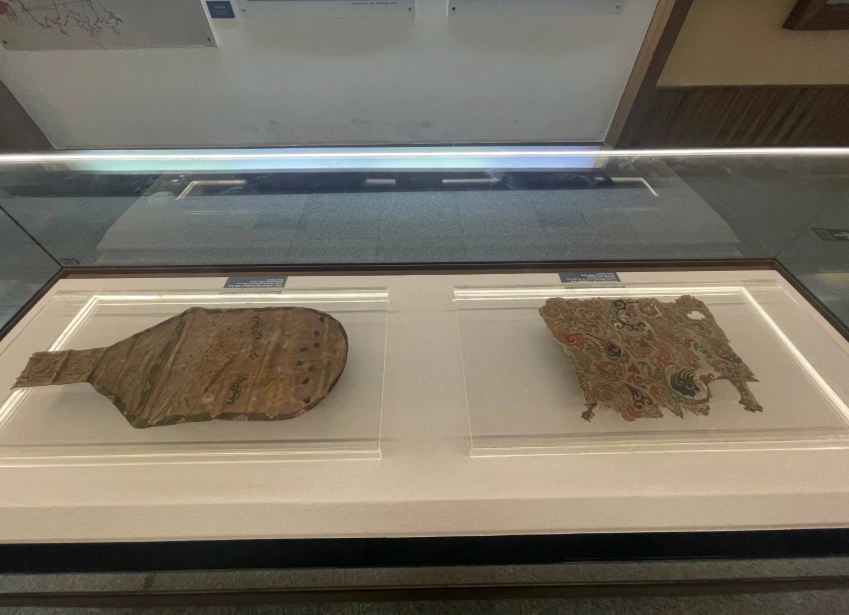





I was really excited to visit after reading the 'smart tips' online, but honestly it fell flat. The free wifi they advertise for the app barely worked inside the exhibition halls – kept buffering. The suggested 'quiet hours' weren't enforced, so it was noisy. Also, one of the interactive displays was broken. For the entrance fee, I expected better. Disappointing.
Beautiful museum, thoughtful design, and the smart tips really help you navigate efficiently. I loved that they recommended a 2-hour route for busy travelers – I followed it and saw all the highlights. However, the touchscreen info panels in the main hall were glitchy and some didn't respond at all. Needs a bit of maintenance. Still a great visit overall.
Brought my 8-year-old here and the interactive QR code scavenger hunt kept him engaged for two hours. The smart tips for families (like where the changing tables are and which exhibits are kid-friendly) made everything smooth. We bought the mini terracotta warrior kit from the gift shop – totally worth it! A must-do if you have kids.
A hidden gem! The museum's smart tips about the best photo spots were spot on – I got some stunning shots of the replica Yang Pass at golden hour. The audio guide even adjusted its pacing based on where I lingered. Only small complaint: the café ran out of iced coffee by noon. But still a wonderful, immersive experience.
Honestly, this museum blew me away! The 'smart tips' they provide on their app are a game changer – I went early morning as suggested and had the entire Silk Road exhibition to myself. The AR overlay on the ancient maps made history come alive. If you're in Dunhuang, don't skip this place. 10/10 would recommend.