 Peng Gao
What You'll Find Here
I've been guiding travelers through Gansu for over a decade. And every time someone asks how to get to Yang Pass from Dunhuang, I see the same confusion in their eyes. The online info is either outdated or written for Chinese speakers. Here's the real deal.
The distance is about 70 kilometers southwest of Dunhuang. Sounds quick, right? But the road conditions, the desert heat, and the bus schedule can turn a half-day trip into a headache if you pick the wrong transport. Let me walk you through your options — and the pitfalls I've seen tourists fall into.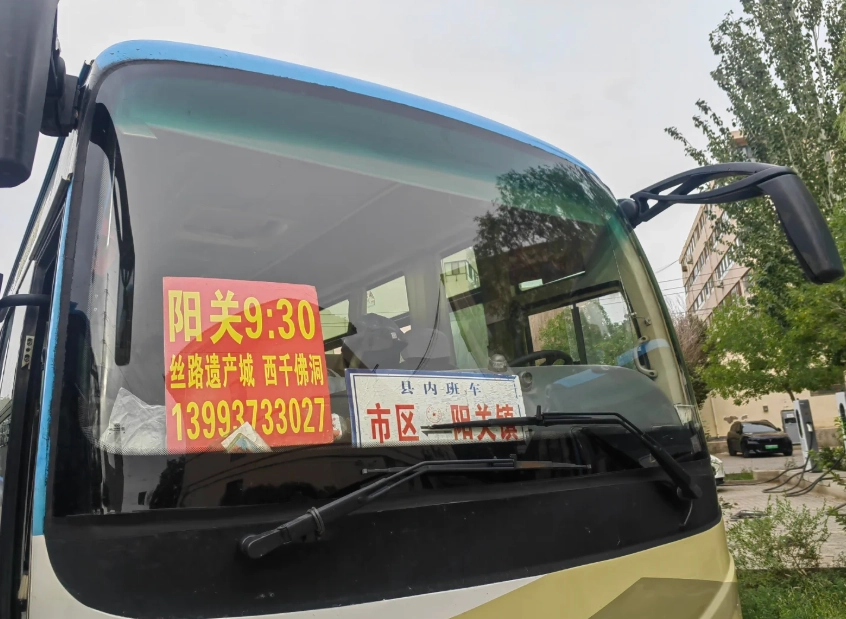
Why Your Dunhuang-Yang Pass Trip Needs Insider Knowledge
Yang Pass is not a standalone attraction you can hop on a bus to. Unlike the Mogao Caves, it's off the main tourist trail. The signage is sparse, and few taxi drivers speak English. I once had a client who tried to flag a cab from the city center — the driver thought she wanted Yumen Pass (the other famous gate) and dropped her 50 kilometers off course. Ouch.
Also, the site itself is just a crumbling beacon tower and a museum in the middle of the Gobi Desert. Many tourists find it anti-climactic. But if you have a passion for Silk Road history or want that iconic photo with the desert behind you, it's worth the trek.
Now, let's break down the four ways to get there.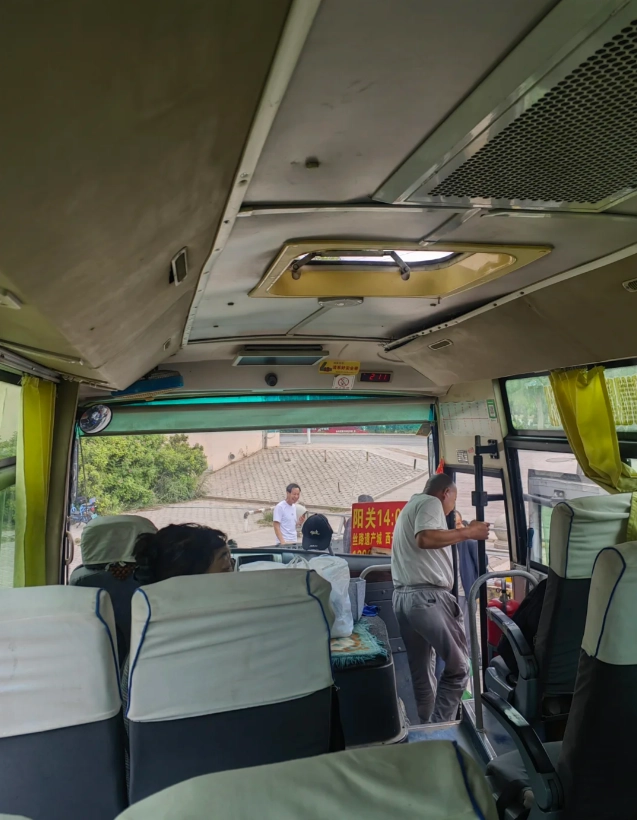
Option 1: Private Car or Taxi
This is the most reliable and comfortable method. You can ask your hotel to arrange a driver or grab a taxi from downtown — but negotiate the price before getting in.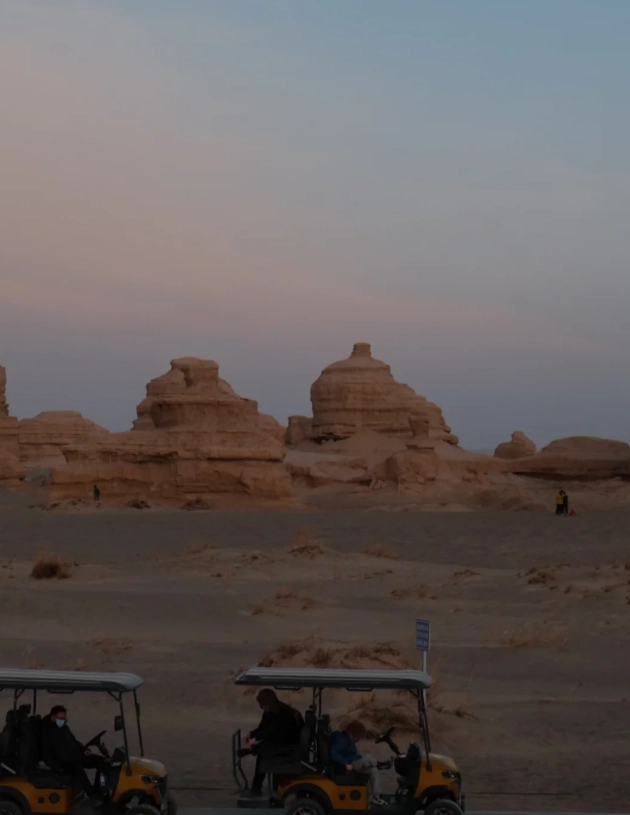
| Detail | Info |
|---|---|
| Cost | 400-500 RMB per car (round trip) — for 4 people max |
| Travel time | About 1 hour each way (depending on road conditions) |
| Waiting time | Driver will wait at the parking lot for you (usually 2-3 hours included) |
| Booking | Hotel reception or travel agency; some drivers on WeChat |
| Pros | Air-conditioned, flexible schedule, no shared strangers |
| Cons | More expensive if you're solo; you need to bargain |
Option 2: Shared Van Tour
Many hostels and guesthouses in Dunhuang offer daily group tours to Yang Pass (often combined with Yumen Pass or the Yadan National Geological Park). This is a popular budget choice.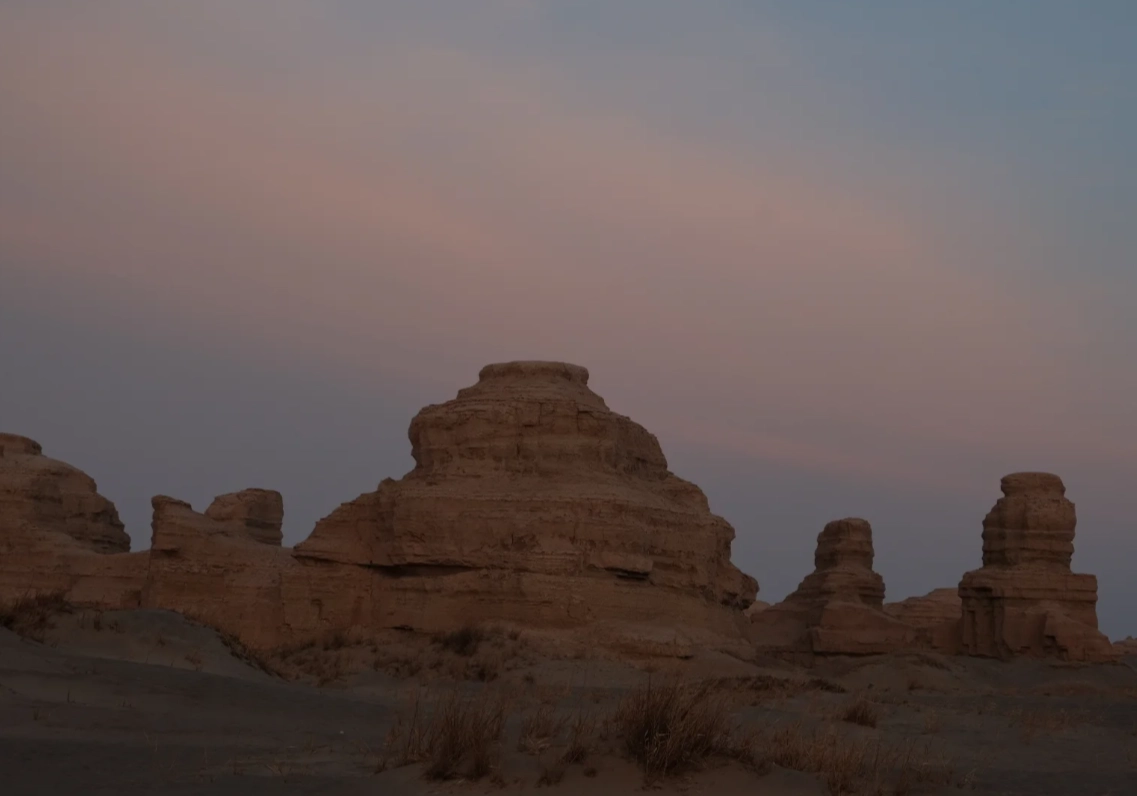
| Detail | Info |
|---|---|
| Cost | 100-150 RMB per person |
| Travel time | Whole day (usually 8 AM to 5 PM) if combined with other sites |
| Inclusions | Transportation, guide (Chinese/English sometimes), entrance fees may be extra |
| Booking | Your hostel front desk or travel apps like Trip.com |
| Pros | Cheap and social; you meet other travelers |
| Cons | Rigid itinerary, lots of waiting for slow group members |
Option 3: Public Bus
Yes, there is a bus. But I rarely recommend it. Let me explain.
From Dunhuang Bus Station (near the train station), there is a direct line to Yang Pass. However, the bus only runs once in the morning (around 9 AM) and returns around 3 PM. Miss it, and you're stuck. I tried it once with a small group — the bus was cramped, no AC, and the driver chain-smoked.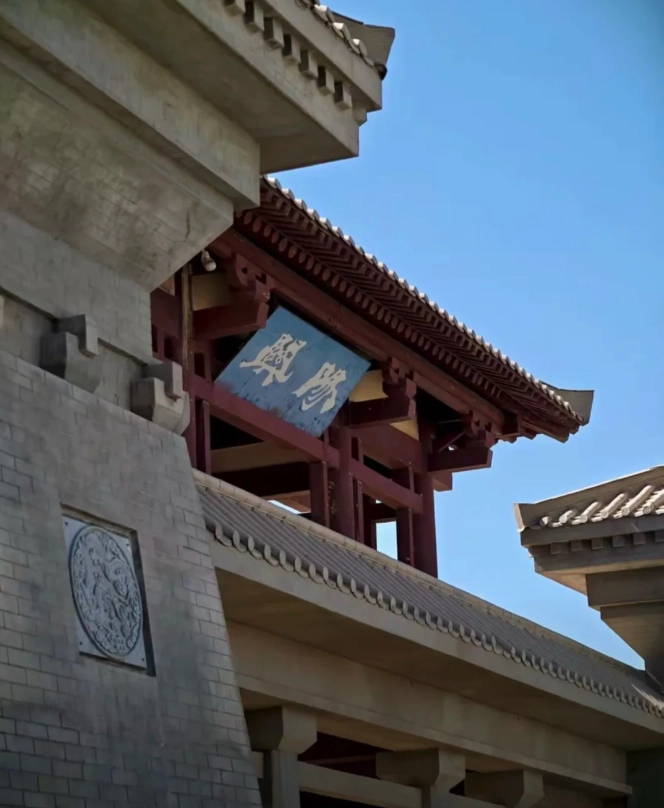
| Detail | Info |
|---|---|
| Cost | 16 RMB one way |
| Schedule | Departure ~9:00, return ~15:00 (may vary by season) |
| Duration | About 1.5 hours (local stops along the way) |
| Stop | Drop off at Yang Pass parking lot |
| Pros | Cheapest option |
| Cons | Inflexible, uncomfortable, no English info at the station |
Only take this if you are on a tight budget and speak some Chinese. And always carry extra water — the bus won't wait if you get thirsty.
Option 4: Self-Drive Rental
Feeling adventurous? You can rent a car in Dunhuang. Several international chains like Hertz or local companies operate there, but you'll need an International Driving Permit (IDP) plus a Chinese translation.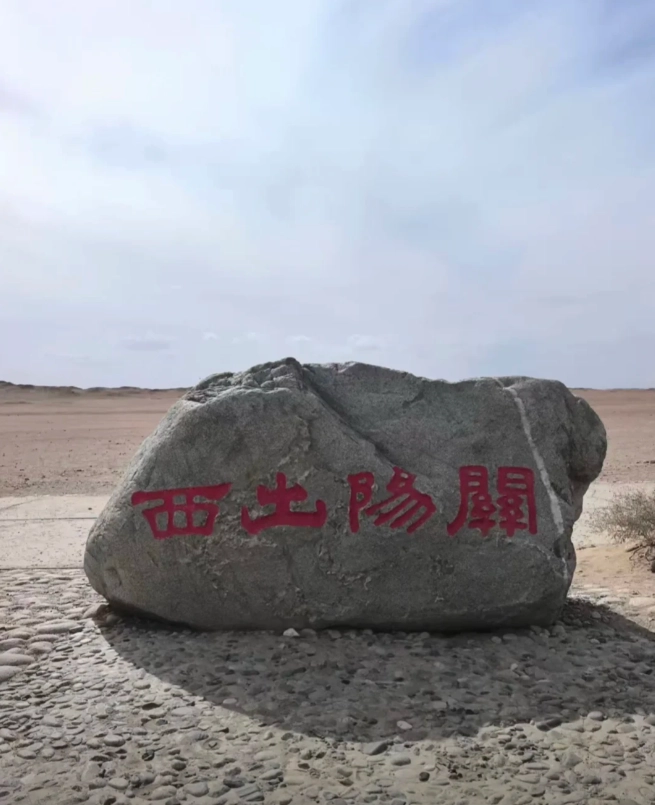
| Detail | Info |
|---|---|
| Cost | ~200-300 RMB per day for a small car + insurance |
| Route | Take the G215 highway toward Qinghai, then follow signs to Yang Pass |
| Navigation | Use Amap (Gaode) or Baidu Maps — Google Maps is unreliable in China |
| Pros | Total freedom, can stop at sunflower fields along the way |
| Cons | Navigation difficulties, police checkpoints, gas stations far apart |
Which Option Should You Choose?
Here's a quick decision guide based on your situation:
- Solo traveler on a budget? Go with shared van tour (Option 2). Ask at your hostel the night before.
- Couple or small group? Private car (Option 1) — you'll thank me when you have the AC on full blast.
- History buff wanting flexible timing? Rent a car (Option 4), but only if you're comfortable driving in China.
- Backpacker with lots of time? Public bus (Option 3) — but bring a mask for the dust.
What to Expect at Yang Pass
Yang Pass is more about the journey and the vibe than the structures. The main sight is a solitary beacon tower (rebuilt during the Han Dynasty) and a small museum with pottery and silk fragments. Standing there, you can almost hear the camel bells of ancient caravans.
- Entrance fee: 50 RMB (adult), 25 RMB (student/senior)
- Eco-car (optional): 10 RMB to go from the museum to the beacon tower — skip it if you like walking (10 minutes flat).
- Opening hours: Summer 08:00-20:00, Winter 09:00-18:00
- Best time for photos: 4:00 PM to 6:00 PM — golden light on the desert, no harsh shadows.
Inside the museum, there's a short video about the Silk Road (in Chinese only). The bathrooms are basic — carry your own toilet paper and hand sanitizer.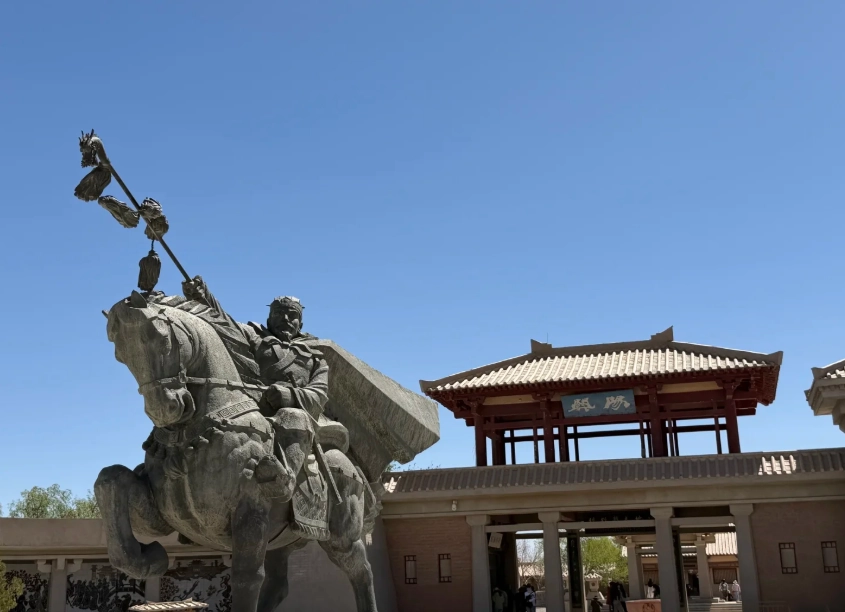
Tips for a Smooth Trip
- Start early. Leave Dunhuang by 8 AM. The desert heat peaks at 2 PM, and the site has almost no shade.
- Bring 2 liters of water per person. Yes, even in spring. The dry air dehydrates you faster than you think.
- Sun protection is non-negotiable. Hat, sunglasses, sunscreen SPF 50+. I've seen tourists with sunburns that blistered. Not pretty.
- Cash only for entrance tickets and eco-car. Card machines are often offline.
- Combine with Yumen Pass? They are in opposite directions. Doing both in one day is exhausting. If you only have one day, choose Yang Pass — the museum is better.
FAQ
Fact-check statement: Prices and schedules mentioned are based on my fieldwork as of early 2024. Verify current rates when booking, as they can change with seasons.





Absolutely essential guide. Avoided the three mistakes easily—especially the one about not checking the weather. We went on a clear day and the view of the pass against the sand dunes was unreal. The author’s advice on bringing a hat and sunscreen saved us. Highly recommend printing it out!
Good article, but a bit too basic. The tips are correct—especially about not trusting taxi drivers who overcharge—but I felt the directions could be clearer. We still got turned around near the fork in the road. Luckily a local guide helped. Worth a read for first-timers, but don’t rely on it alone.
Spot on about the third mistake (thinking you can walk the whole way). The sun is brutal and the road is longer than it looks. We rented a car from Dunhuang and used the article’s route suggestion—perfect. Stopped for photos at the ancient beacon tower. Unforgettable morning.
Wish I had read this before my trip. Made the mistake of not bringing extra water because I thought there would be shops near the pass—there aren’t. The article is accurate about the lack of facilities. Saved me from a worse experience, but I still ended up dehydrated and grumpy. Solid advice though, just wish it had more detail on timing.
Really helpful article! We followed the tips and avoided the common mistake of relying on outdated GPS. The drive to Yang Pass was smooth, and the desert scenery was breathtaking. Definitely recommend reading this before heading out. Got us there with zero hassle.