 Ming Yang
Quick Navigation
I’ve been guiding groups in Lhasa for eight years, and the single biggest mistake I see is people trying to do too much too fast. You land at 3,650 meters, your heart races, your head pounds – and then you see itineraries that promise “Potala Palace in the morning, Jokhang in the afternoon, plus a night walk on Barkhor Street.” That’s a recipe for a hospital visit.
This Lhasa 5-day itinerary is built around one truth: altitude wins if you don’t respect it. I’ll show you exactly how to pace yourself, where to eat without getting sick, and which sights are worth your energy. No fluff, just the stuff that matters.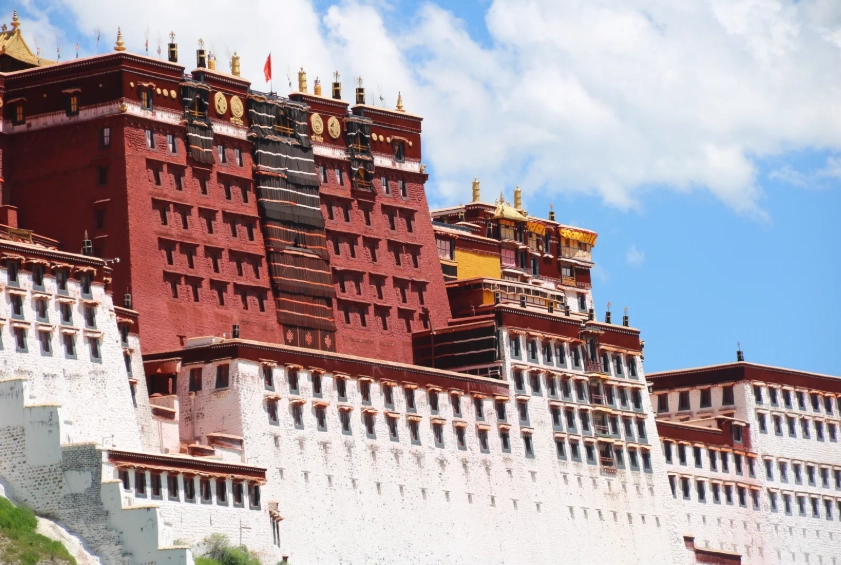
Day 1: Arrive and Acclimate – Do Not Rush
Your flight lands at Lhasa Gonggar Airport (about an hour from the city). Here is the catch: everyone feels fine for the first few hours. That’s the altitude trick. By evening, the headache kicks in.
Morning: Pick up your pre-arranged Tibet Travel Permit (you need this, plus a guide if you’re foreign). I recommend booking through a local agency like Tibet Vista – they handle the paperwork so you don’t have to.
Afternoon: Check into your hotel. My go-to for first-timers is Yak Hotel Lhasa (Chengguan District, 30 minutes from airport by taxi, about ¥50). It has heated rooms, oxygen supply (essential!), and English-speaking front desk. Prices range ¥400-600 per night in shoulder season.
Evening: Take a slow stroll around Barkhor Street – but don’t go inside the temple yet. Just breathe the air and let your body adjust. Grab dinner at Maiwei Seafood Restaurant (actually Tibetan food despite the name – ask for the butter tea and tsampa, mild flavor). Avoid spicy food on day one. Your stomach is also adjusting.
Altitude management: Drink at least 3 liters of water, avoid alcohol, and take acetazolamide (Diamox) if prescribed. I always carry portable oxygen cans – you can buy them at any pharmacy in Lhasa for ¥20.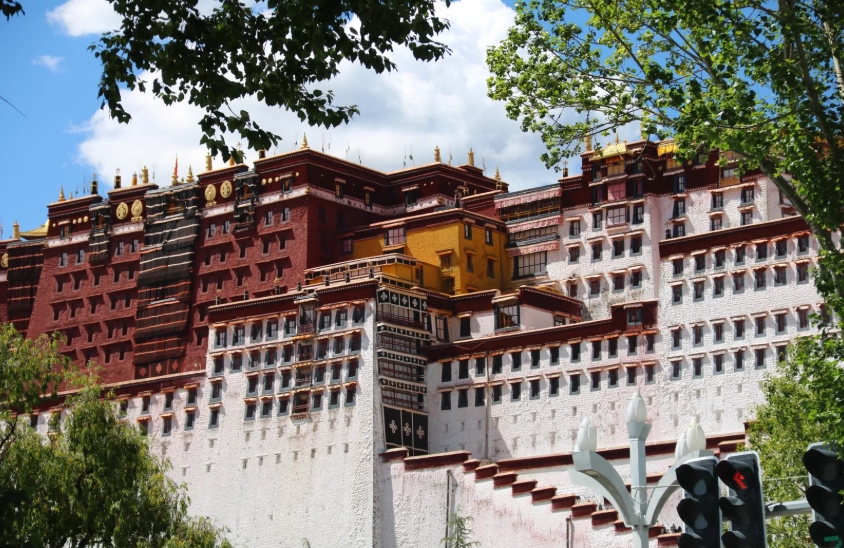
Day 2: Potala Palace & Jokhang Temple
Now your body is (mostly) used to the height. Today we hit the two big ones, but with a strategic gap.
Potala Palace (9:00 AM – 12:30 PM)
Address: No.1 Beijing Middle Road, Chengguan District. Ticket: ¥200 (high season May-Oct), ¥100 (low season). Must be booked online at least one day in advance via the official WeChat mini-program “Potala Palace Ticket”. Foreigners need to show passport and Tibet permit at the entrance. No on-site ticket sales.
Getting there: From Yak Hotel, it’s a 15-minute walk or a ¥10 taxi ride. I prefer walking – helps with acclimation. Use the east gate entrance (less crowded than the main south gate).
Inside: Over 1,000 rooms, but you only visit the red and white palaces. The climb up the 108 steps is brutal – take it slow, rest every 20 steps. I always tell my groups: “If you feel dizzy, sit down immediately. Don’t be a hero.”
Photography: No photos inside the chapels, but you can shoot the exterior. Best light is before 11 AM – after that, the sun creates harsh shadows.
Lunch break: Head to Lhasa Kitchen (2 blocks south of Potala, 10-minute walk). Order the momo dumplings (beef or vegetable) and thukpa noodle soup – both gentle on the stomach. Average meal ¥40.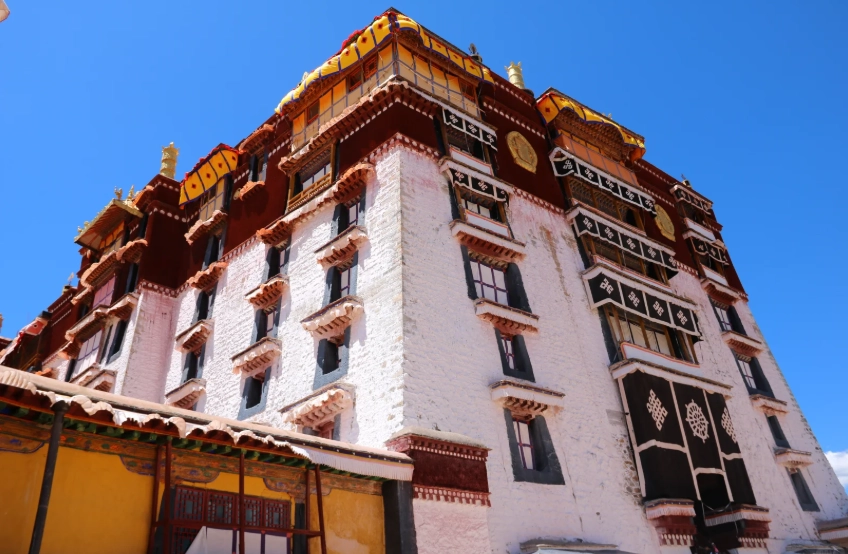
Jokhang Temple (2:00 PM – 4:30 PM)
Address: Barkhor Square, Chengguan District. Ticket: ¥85. You can buy at the gate – no reservation needed usually, but afternoon queues are shorter. Show your Tibet permit.
What to see: The Jowo Shakyamuni statue (12-year-old Buddha) is the main attraction. The circumambulation route around the temple is packed with pilgrims prostrating. Step aside and don’t block their path – it’s a common tourist mistake.
Evening: Watch the sunset from Yak Restaurant rooftop (next to Jokhang). Order a sweet Tibetan butter tea – less salty, easier for first-timers. The view of Barkhor Street at dusk is magical.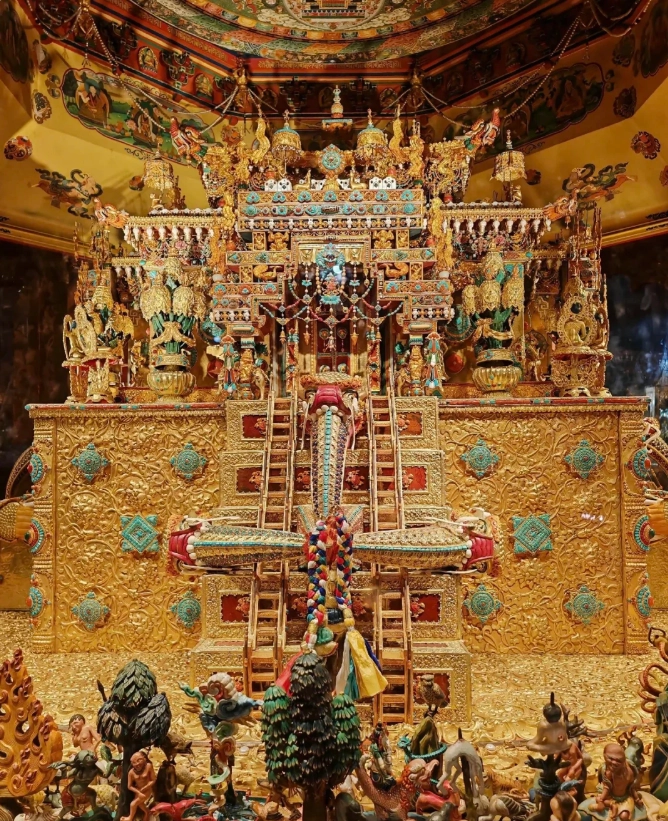
Day 3: Drepung & Sera Monasteries
Two monasteries, one day. You have energy now, but don’t push it.
Drepung Monastery (9:00 AM – 12:00 PM)
Address: South slope of Mount Gephel, about 8 km from city center. Ticket: ¥60. Bus No. 24 from Barkhor Street takes 40 minutes (¥2). Get off at Drepung stop, then walk 15 minutes uphill to the entrance. Or take a taxi (¥40).
Don’t miss: The Ganden Potrang (Tibetan art museum) and the massive kitchen with a cauldron that feeds 10,000 monks. Hidden gem: Walk to the top of the monastery for a panoramic view of Lhasa valley – few tourists bother, so it’s quiet.
Sera Monastery (2:30 PM – 5:00 PM)
Address: 13 km north of city (different direction). Ticket: ¥50. Take taxi from Drepung (₤50-60, 25 minutes).
Monks’ debate: Starts around 3 PM in the debate courtyard. It’s a loud, animated ritual – monks slap hands and shout logic questions. Sit on the stone benches on the east side for the best view. No flash photography – it distracts them.
Dinner: Back in town, try Snowland Restaurant (near Jokhang). Their yak steak is tender and not gamey – I always warn first-timers that yak meat can be tough elsewhere, but here it’s perfect. Price ¥80-120.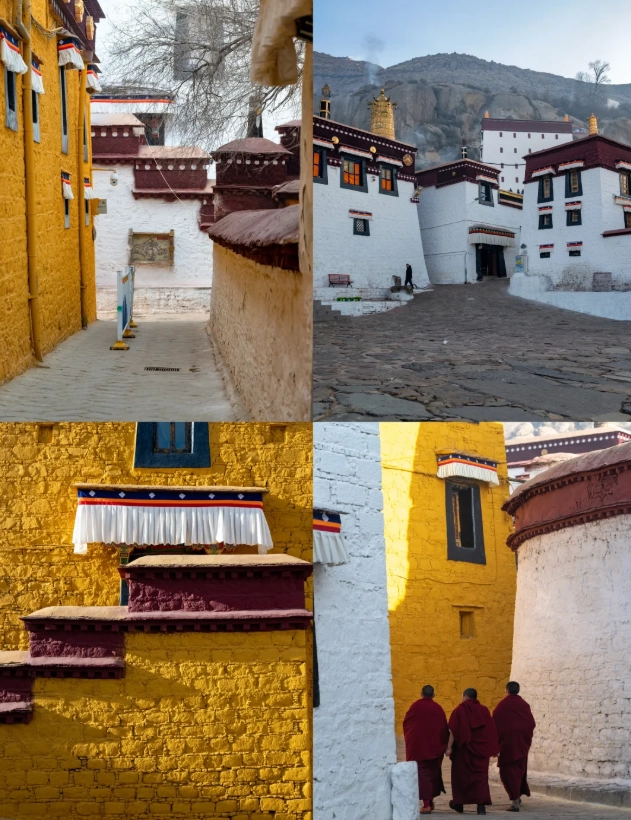
Day 4: Namtso Lake Day Trip
This is the most challenging day physically – altitude at the lake is 4,718 meters. Only go if you’ve felt good the previous days.
Logistics: Join a group tour (around ¥300 per person from your hotel) or hire a private driver (¥800-1000 for the day). The drive from Lhasa takes about 4 hours each way (220 km). Leave at 6 AM to avoid afternoon winds.
What to expect: The azure lake against snow-capped Nyenchen Tanglha mountains is breathtaking. But the wind is relentless! Wear a windproof jacket and a hat that ties under your chin. Bring a portable oxygen tank – you will need it here.
Lunch: The only restaurant at the lake is overpriced and mediocre. Pack your own sandwiches and thermos of tea. I always buy momo from the Lhasa bakery the night before.
Return: Back in Lhasa by 6 PM. Exhausted? Good. Eat a light dinner (skip meat) and go to bed early.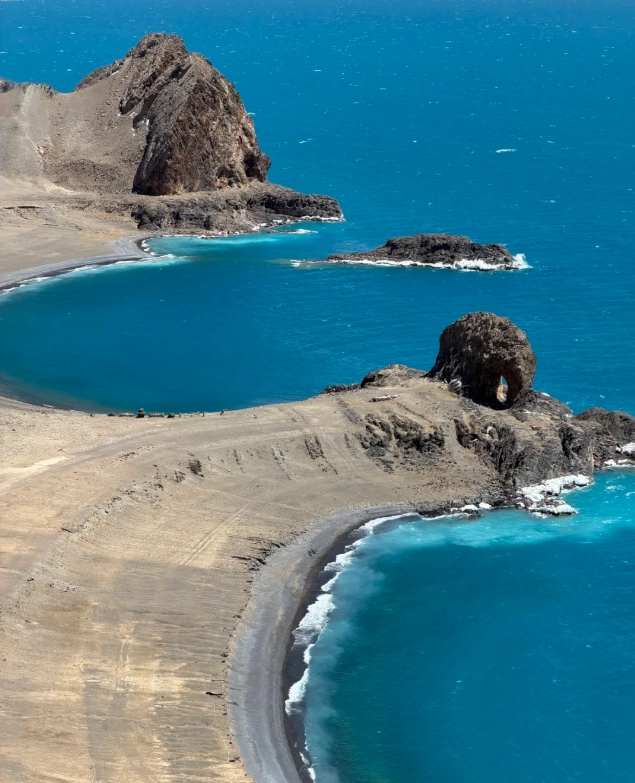
Day 5: Last Moments & Departure
Depending on your flight time, you have a half day.
Morning: Visit Norbulingka (the summer palace, ¥60 ticket, open 9 AM-6 PM). It’s a peaceful garden with a small palace – easy walking, no altitude stress. Taxi from city center ¥15.
Shopping: Barkhor Street for souvenirs. Bargain hard – start at 50% of the quoted price. Tibetan carpets, prayer flags, and thangka paintings are good buys. Avoid “antique” items – many are fakes.
Altitude check: If you’re flying out, the airport is 1 hour away. Leave 3 hours before your flight. Warning: Don’t overeat before the flight – the pressure change can cause nausea.
That’s my Lhasa 5-day itinerary – designed to let you soak in the culture while keeping your body safe. Remember: altitude doesn’t care about your plans. Listen to your body, skip a sight if you need to, and you’ll leave with memories, not a hospital bill.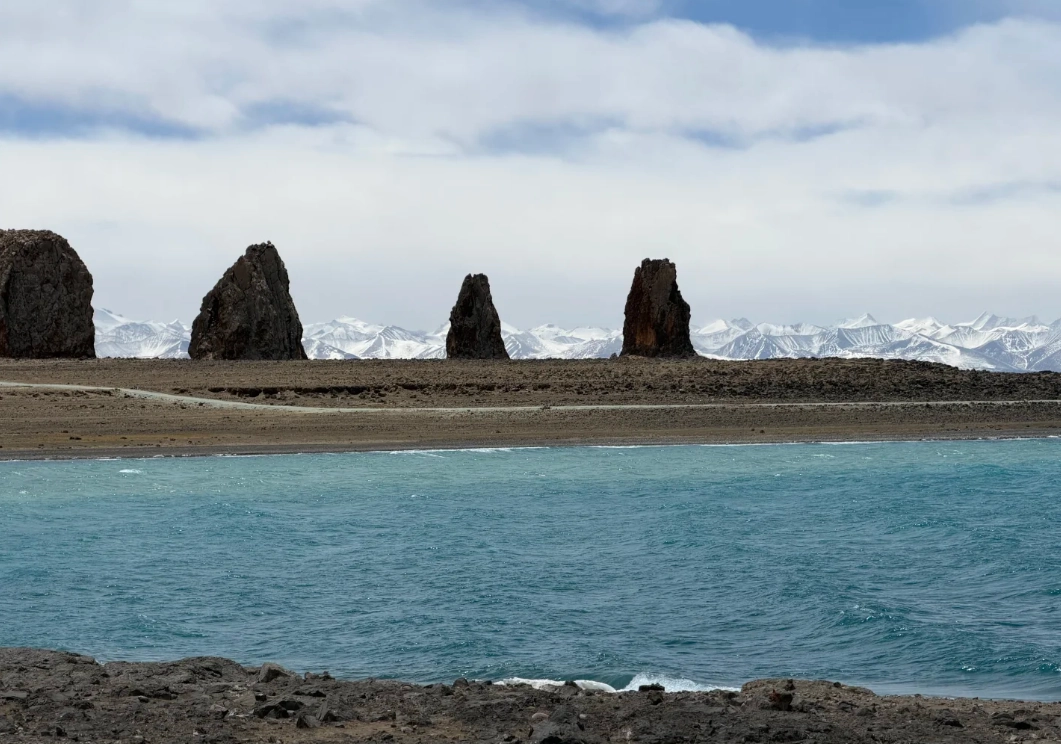
FAQs – Real Questions from Travelers
Verified and fact-checked by the editorial team. This content has been fact-checked to ensure informational precision.





No comments yet.