 Ming Yang
I've guided dozens of groups through the narrow corridors of the Potala Palace, and every single time, I see the same overwhelmed look. The gold, the incense, the endless stairs — it's a sensory overload. But here's the catch: without a plan, you'll waste half your visit stuck in queues or gasping for air. Let me save you the trouble.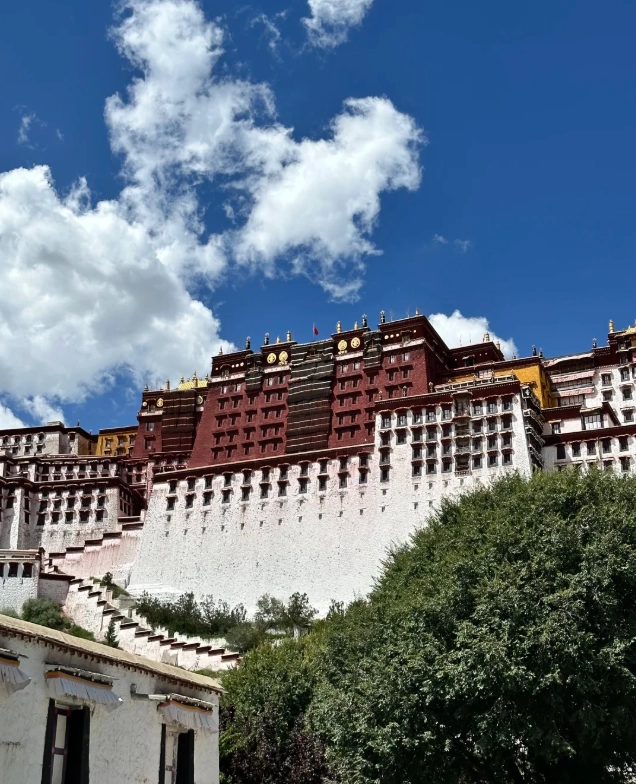
Why Inside Potala Palace Feels Overwhelming (and How to Survive It)
The palace is a vertical maze. You enter at the base, climb 12 stories (about 300 steps) through cramped staircases, and emerge into the Red Palace at the top. Most travelers don't realize that the interior is surprisingly dim — small windows and butter lamps create an atmospheric but claustrophobic vibe. The crowds don't help. From June to October, you'll be shuffling shoulder-to-shoulder with hundreds of others.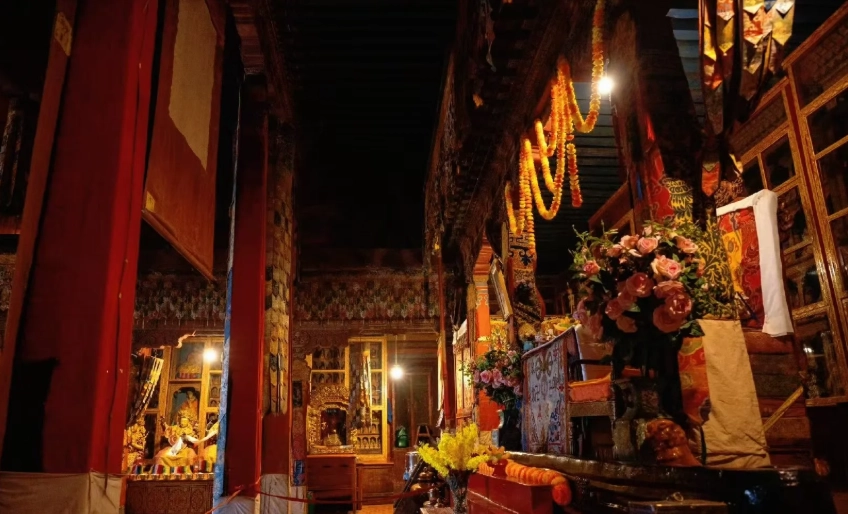
Tickets & Entry: The Hidden Hurdle
You cannot buy an on-site ticket for inside Potala Palace anymore. Every visitor must book in advance, and this is where most tourists trip up. The official booking platform is a WeChat mini-program, and it's entirely in Chinese. If you don't have WeChat or can't read Chinese, ask your hotel front desk or a local travel agent to help. I always tell my clients: book at least 7 days ahead in summer.
| Category | Price (RMB) | Notes |
|---|---|---|
| Adult (peak season May–Oct) | 200 | Includes guided tour (Chinese only) |
| Adult (off-season Nov–Apr) | 100 | Fewer crowds, but cold |
| Child (under 1.2m) | Free | No ticket needed, but must be with adult |
| Student (with valid ID) | Half price | Only for full-time students under 24 |
| Senior (65+) | Free (off-season) / Half (peak) | Must have passport and book via special channel |
Address: No.35 Beijing Middle Road, Lhasa. There's no metro; take taxi or bus 1, 6, or 13 to “Potala Palace” stop. The entrance is at the east gate (Dong Men). Opening hours: 9:00–16:00 (last entry 15:00), closed on some religious holidays – check the official WeChat account. Plan for at least 2.5–3 hours inside if you go at a relaxed pace.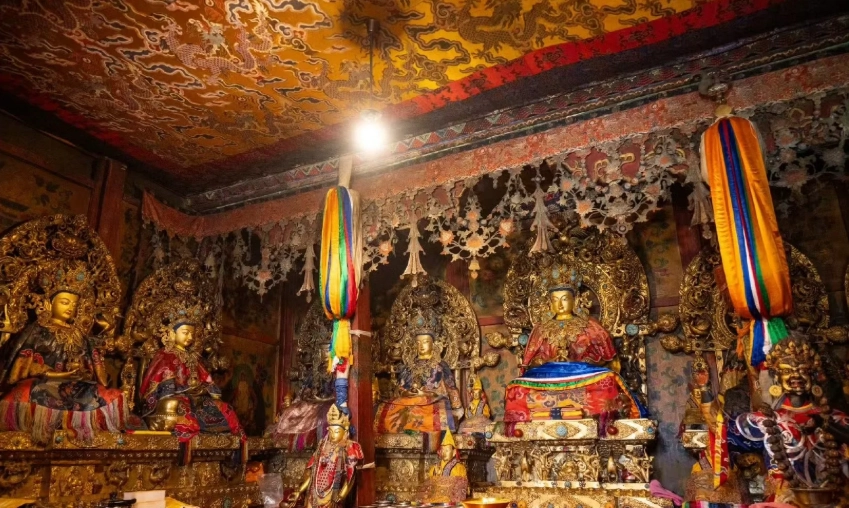
What You'll Actually See Inside: A Room-by-Room Snapshot
Don't expect furnished rooms. The Potala is essentially a giant reliquary. The most famous areas:
- White Palace (the living quarters of the Dalai Lama): Austere rooms with thangkas and personal artifacts. The throne room is the highlight.
- Red Palace (the spiritual core): Eight stupas containing the remains of Dalai Lamas. The largest, belonging to the 5th Dalai Lama, is covered in 3,727 kg of gold — yes, you read that right.
- The Chapel of the Guardian Kings: Fierce murals that'll make you pause. Note the intricate detail on the weapons.
I personally love the roof terrace near the exit. You get a panoramic view of Lhasa, and the light just before sunset is unreal. Most guides rush you through, but I always linger there for 10 minutes.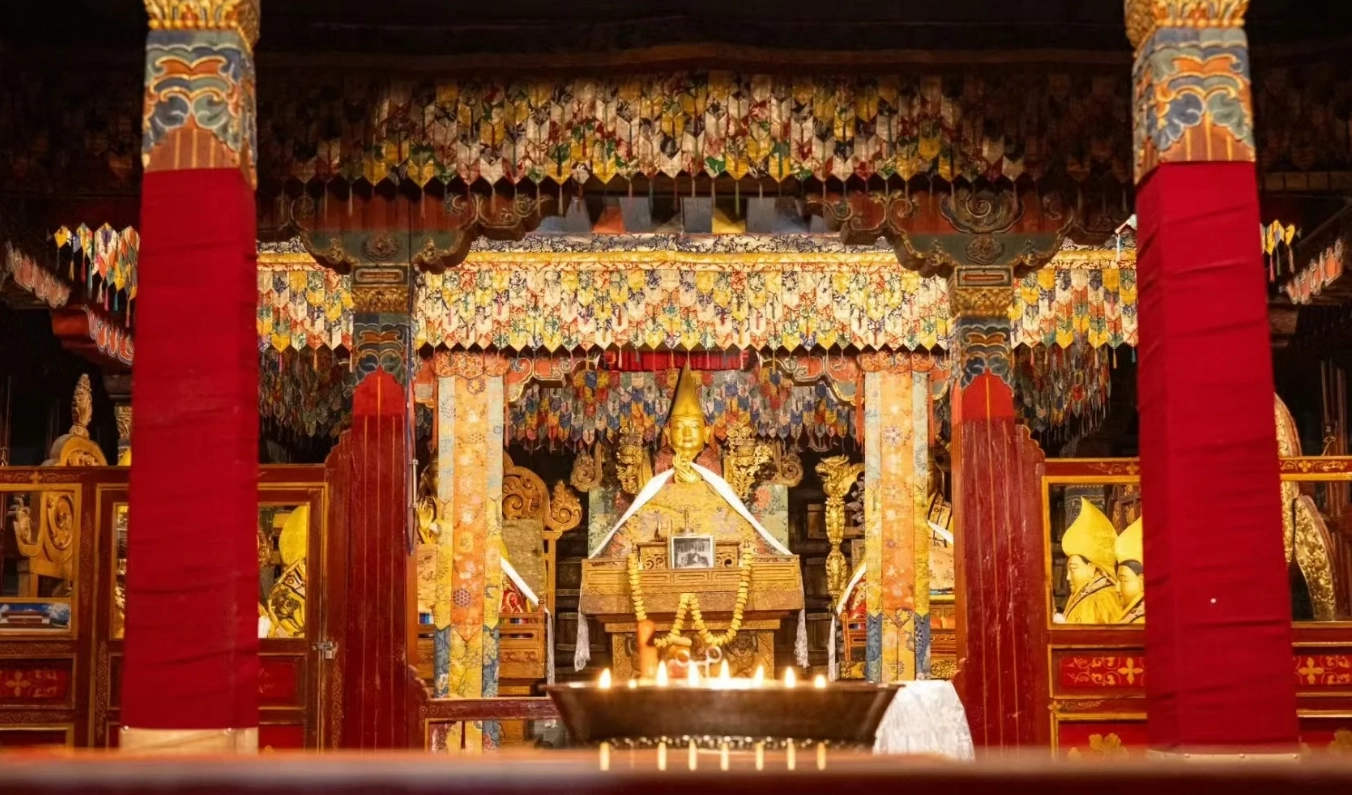
Photography Rules: What's Allowed and What Gets You in Trouble
Here's the deal: No photos inside the chapels or near the stupas. Guards are everywhere, and they will shout at you. I've seen tourists almost get their phones confiscated. You can take pictures in courtyards, corridors, and on the roof. Flash is forbidden everywhere, even outdoors near sacred objects.
One time, a guest tried to sneak a shot of a golden statue. A monk appeared from nowhere and made him delete the entire day's photos. Embarrassing. So just don't.
Best Time to Go Inside (and When to Absolutely Avoid)
Most guides recommend early morning, but I'll be more specific. Aim for 9:00 AM sharp – you'll be among the first 50 people. By 10:30, the main halls get swamped with tour groups. Avoid 12:00–14:00 when half of Lhasa seems to squeeze inside.
The off-season (November to April) is a dream: tickets are half price, and you can walk through corridors with only a handful of others. The catch? The palace is unheated, and it's freezing. Wear thermal layers and thick socks.
Best lighting for photos: The courtyard and roof are stunning between 15:00 and 16:00 (last hour). The golden roofs glow beautifully.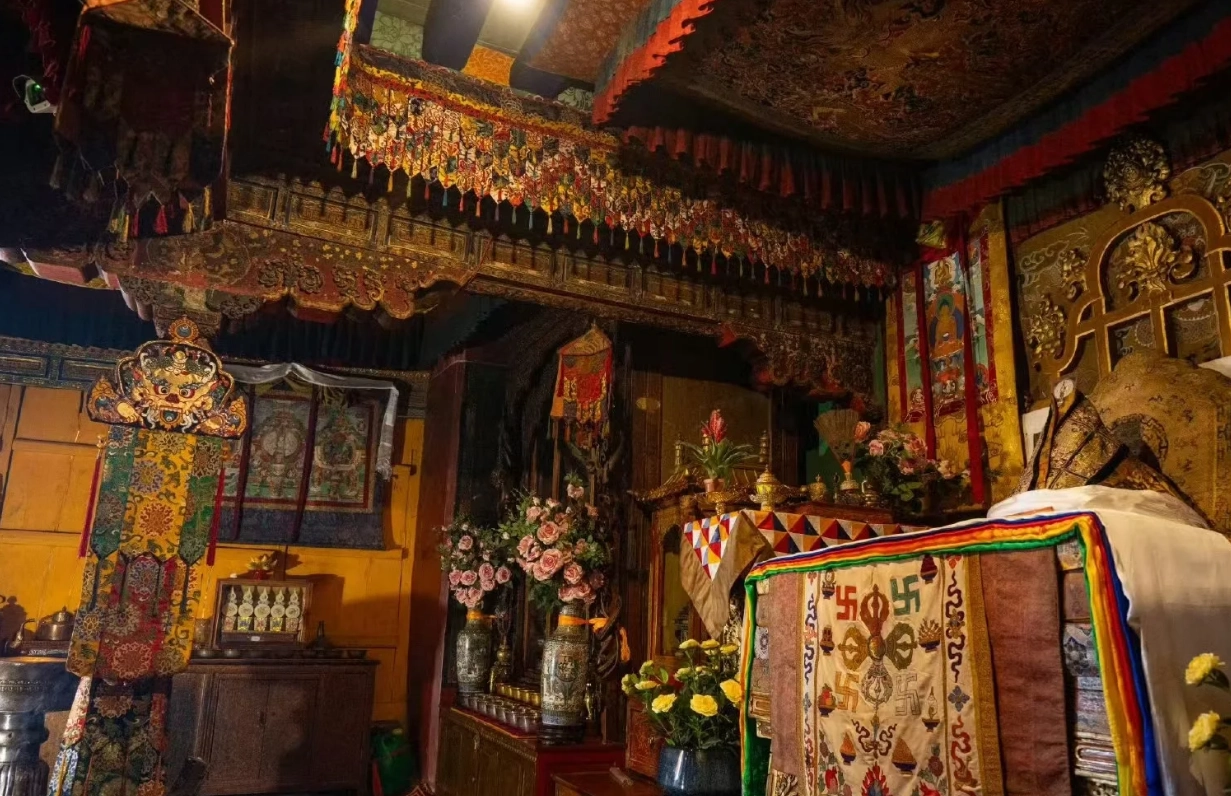
How to Handle the Stairs and Altitude
Lhasa sits at 3,650m. The Potala adds another 100m of vertical climb. I've seen fit 25-year-olds nearly faint from the combination of altitude and steep staircases. Take it slow. There are benches at each landing – use them. Drink water (bring a bottle, there are no shops inside). Don't be ashamed to stop every 20 steps.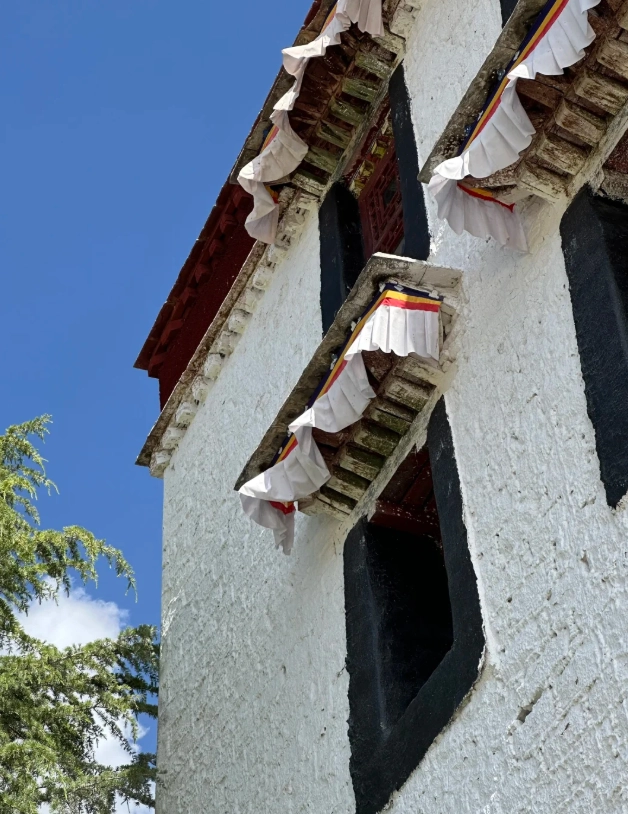
What Not to Bring Inside
- Large bags or backpacks: They must be checked at the east gate storage (free). Bring only a small crossbody bag.
- Umbrellas (the pointy kind): They're considered “weapons” by security. Use a raincoat or a collapsible umbrella without a tip.
- Selfie sticks and tripods: Banned. You'll have to leave them at the entrance.
- Food and drinks (except water): No eating inside the palace.
Plan B: If You Only Have 1 Hour
Maybe you're short on time or feeling dizzy. Here's the express route: Enter through the east gate, climb the central staircase directly to the Red Palace (skip the White Palace residential quarters). Spend 30 minutes at the main stupas and the roof terrace. Then descend via the western ramp. You'll miss a lot, but you'll see the highlights without rushing.
If it's raining (yes, it happens in Lhasa), postpone your visit – the slippery stone steps inside are treacherous when wet. Instead, head to the Tibet Museum around the corner, which is indoors and free.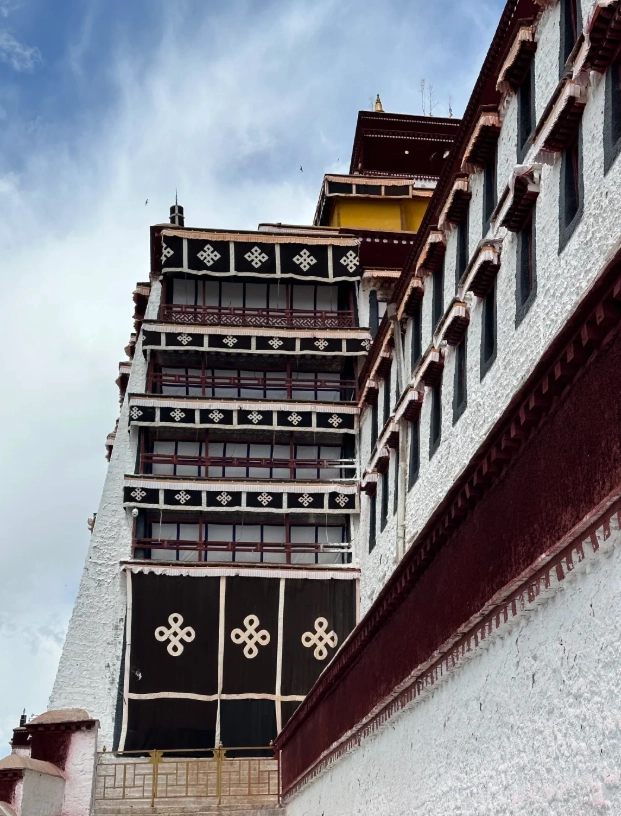
Frequently Asked Questions
Verified and fact-checked by the editorial team. This content has been fact-checked to ensure informational precision.





No comments yet.