 Ming Yang
Quick Guide: What's Inside
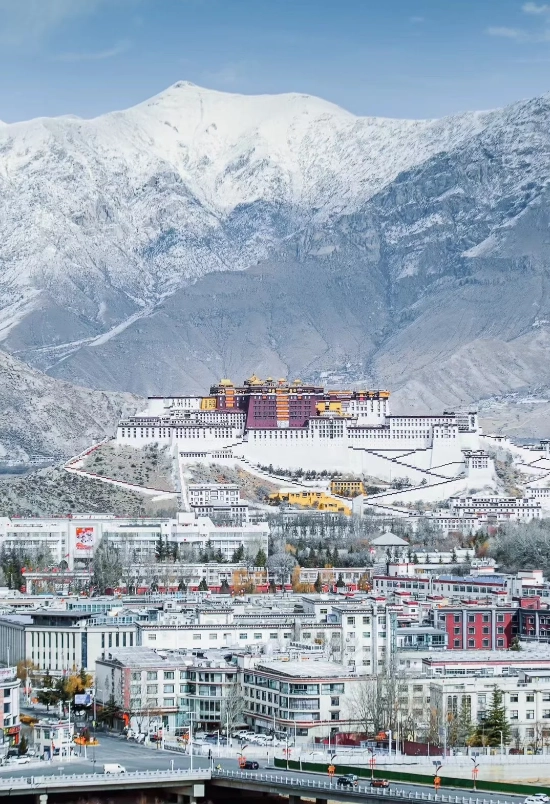
I remember my first trip to Lhasa like it was yesterday — stepping off the train at 3,650 meters, the thin air hitting my lungs, and the Potala Palace glowing under a crisp autumn sun. But here's something most guides won't tell you: the best time to visit Lhasa isn't just about weather; it's about when you can breathe easy (literally) and enjoy the city without being packed like sardines. After leading over 20 groups here, I've learned the hard way which months to avoid and which hidden windows offer the perfect balance.
Let me save you from the rookie mistakes. In this guide, I'll break down Lhasa's seasons, crowds, festival schedules, and altitude strategies so you can pick your ideal travel window.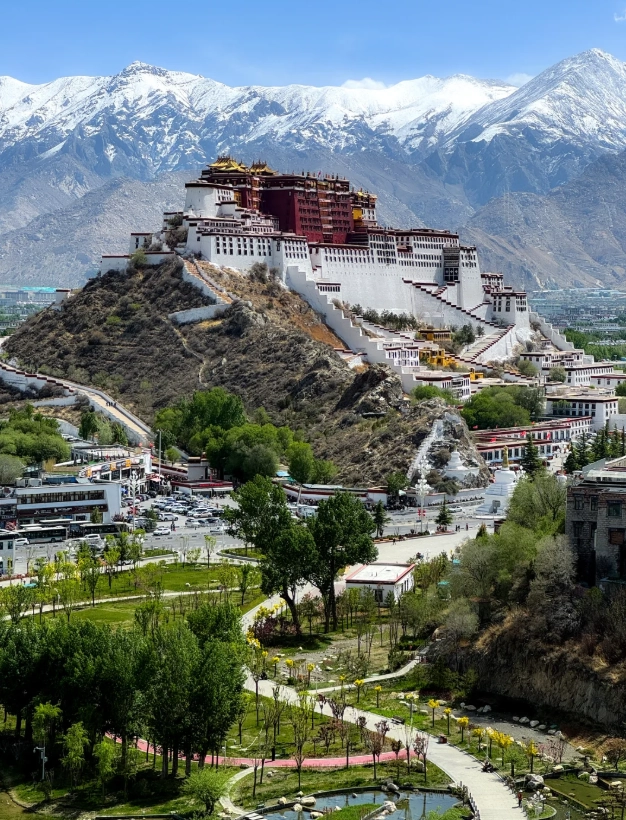
Lhasa Weather & Season Overview
Lhasa sits at an elevation that would make most lowlanders gasp — literally. But the climate is surprisingly mild thanks to its latitude. Here's the reality: winters are cold but sunny, summers are warm but rainy, and the transition months (April-May and September-October) are pure gold.
Let me put this in perspective: July and August are the peak tourist season, but also the rainiest. I've seen groups cancel because of landslides on the way to Everest Base Camp. Meanwhile, November to February sees fewer than 10% of the annual visitors, and flights are dirt cheap.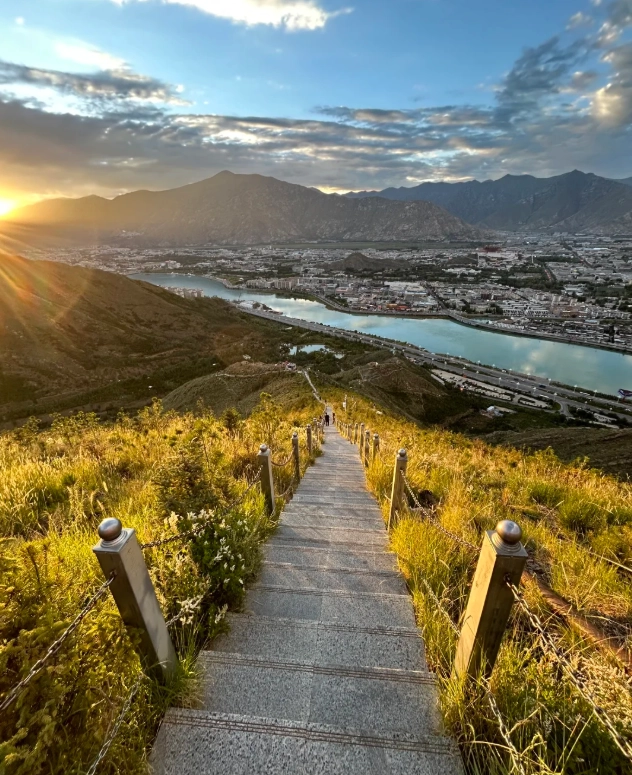
| Season | Months | Avg High/Low (°C) | Rainfall | Crowd Level | Pros | Cons |
|---|---|---|---|---|---|---|
| Spring | Apr – May | 16 / 3 | Low – Moderate | Moderate | Blooming flowers, fewer tourists | Still chilly, some dust storms |
| Summer | Jun – Aug | 22 / 10 | High (July monsoon) | Very High | Warmest weather, green valleys | Rain, mudslides, high prices |
| Autumn | Sep – Oct | 19 / 5 | Low | Moderate | Crisp air, clear skies, best for photography | Getting colder in late Oct |
| Winter | Nov – Mar | 8 / -5 | Very Low | Low | Cheap flights, no crowds, sunny days | Cold nights, some attractions close |
Month-by-Month: What to Expect (and Avoid)
April – May: The Underrated Sweet Spot
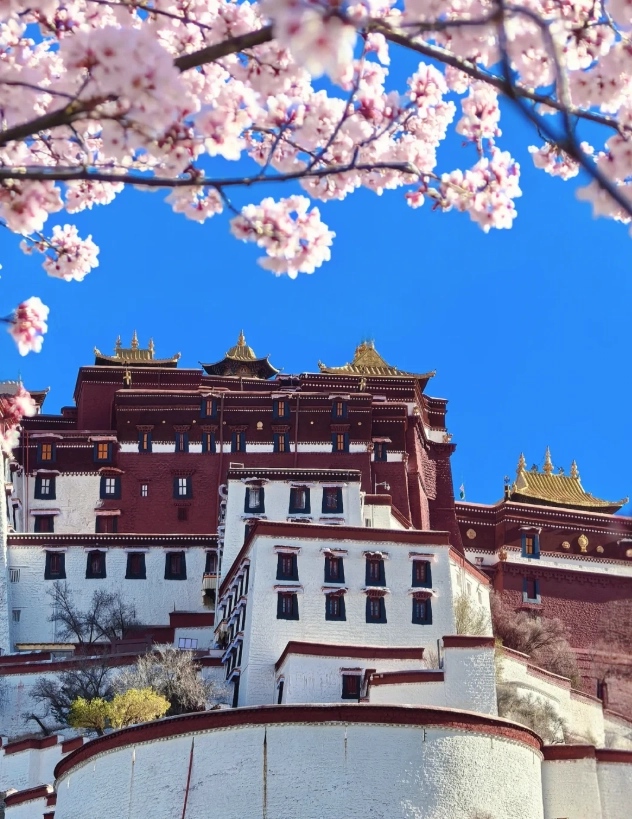
April still feels like late winter — I've seen snow flurries in early April. But by mid-May, the trees along Barkhor Street turn green, and the famous Lhasa Golden Mask Festival sometimes falls in May (lunar calendar dependent). Prices are reasonable, and you can book Potala Palace tickets without a fight. Warning: Dust storms are common in April; pack a scarf for your face.
June – August: Peak Season, Peak Frustration
Here's the thing: summer is when most people imagine traveling. But the reality? Monsoon rains hit July and August. I've spent entire afternoons stuck in a coffee shop watching torrential downpours. The Potala Palace caps daily visitors at 4,000 (previously 5,000), and in July all slots are gone within an hour of releasing. If you must go in summer, book every single attraction at least two weeks in advance. And expect to pay 30–50% more for hotels.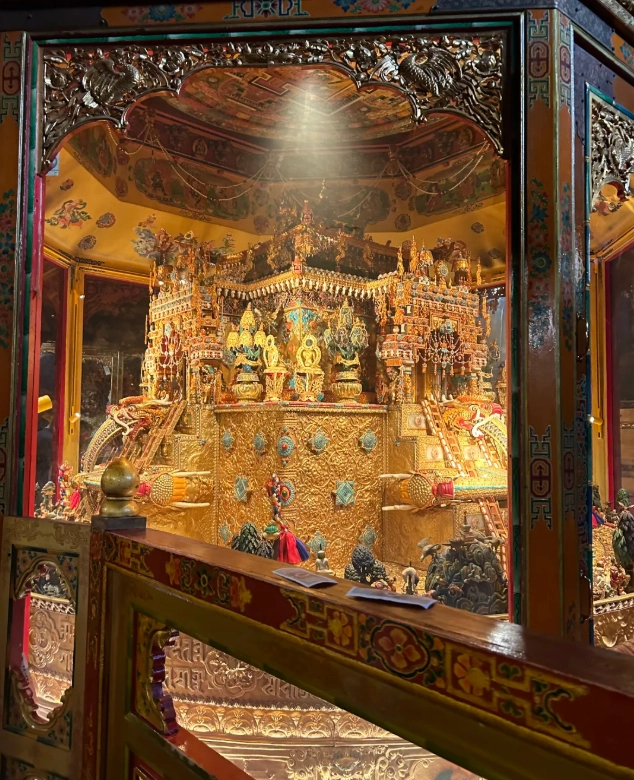
September – October: The Golden Window
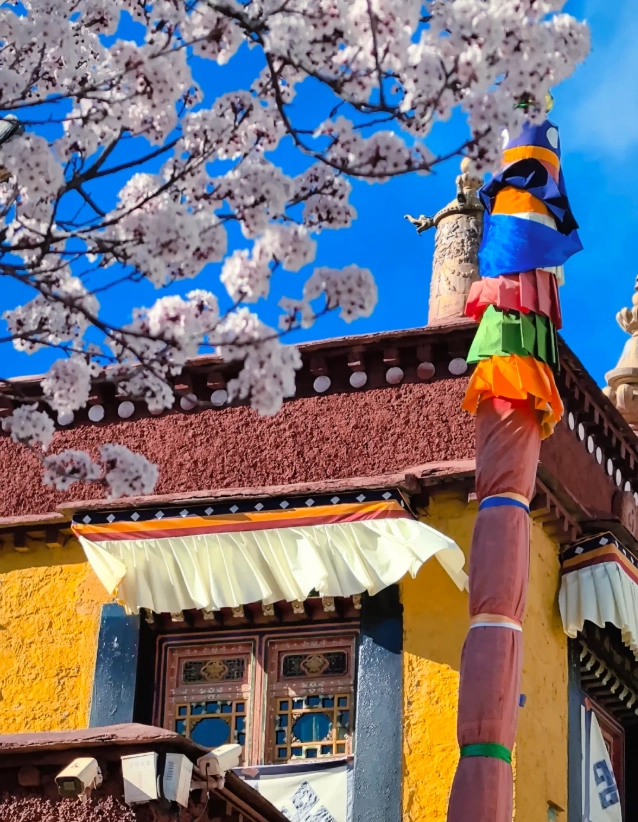
Hands down, this is my favorite time. The monsoon ends in early September, skies clear, and the air is so transparent you can see the Himalayan range from the city. The Shoton Festival (usually late August or early September) features giant thangka unveilings — a must-see. Mid-October brings stunning yellow leaves around Norbulingka. Crowds: moderate, but still manageable. Prices are high but not unbearable.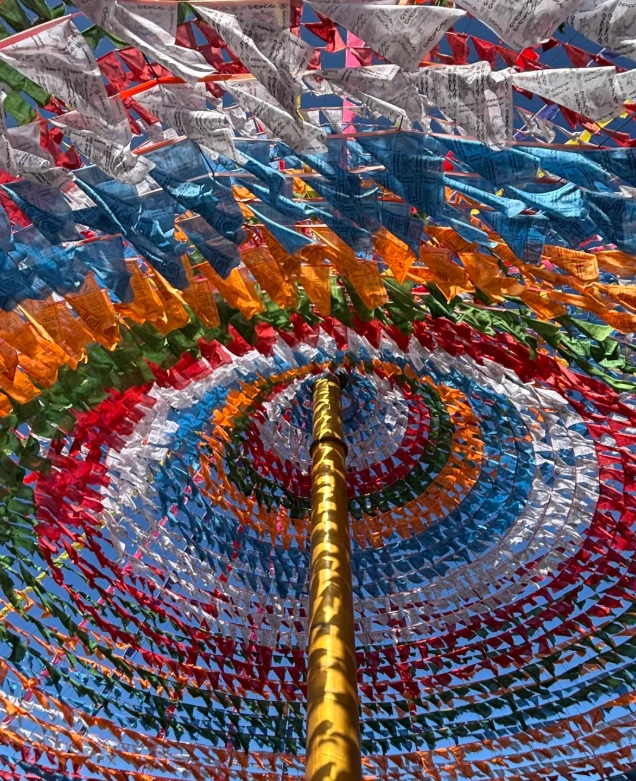
November – February: The Bargain Hunter's Paradise
Yes, it's cold — overnight temps drop to -10°C (14°F). But the days are sunny and dry. I once walked around Jokhang Temple in a light down jacket and a fleece, perfectly comfortable. The big advantage: no queues, empty monasteries, and flight prices from Chengdu can be as low as 1,200 RMB round trip. However, some attractions like Namtso Lake may be closed due to snow. Stick to city sights.
Crowd & Price Patterns: When to Save Money
Let's talk dollars. The table below shows relative costs — 1 being cheapest, 5 being most expensive.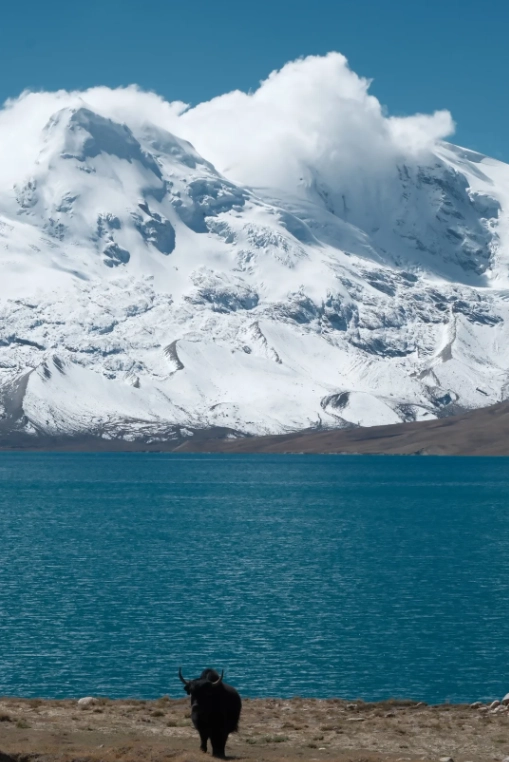
| Month | Flight Cost (from Chengdu) | Hotel (3-star) | Attraction Availability |
|---|---|---|---|
| Jan – Feb | $$ | $30-50/night | Most open, some high-altitude sites closed |
| Mar – Apr | $$$ | $50-80/night | All open, dust storms possible |
| May – Jun | $$$$ | $80-120/night | Fully open, moderate crowds |
| Jul – Aug | $$$$$ | $120-200/night | Fully open, but advance booking mandatory |
| Sep – Oct | $$$$ | $80-150/night | All open, best weather |
| Nov – Dec | $$ | $30-50/night | Most open, some high-altitude sites closed |
Festivals & Events Worth Planning Around
If you want to experience Lhasa's living culture, time your trip with one of these:
- Losar (Tibetan New Year) – Usually February. The city erupts with prayer flags, traditional dances, and endless butter tea. Hotels book up months in advance, but it's unforgettable. Tip: bring earplugs for fireworks and chanting at dawn.
- Shoton Festival – Late August / early September. The highlight is the unveiling of a giant thangka (silk appliqué) at Drepung Monastery at sunrise. I recommend arriving by 5:30 AM to get a good spot — the crowd is massive but the energy is electric.
- Buddha Bathing Festival – Early July (lunar). Locals clean religious statues and picnic by rivers. A great chance for authentic photos, but expect traffic jams near monasteries.
- Burning Incense Festival – Mid-October. Pilgrims burn incense on hillsides — the scent of juniper fills the entire city. Not super touristy, so it's a hidden gem.
How to Minimize Altitude Sickness (Real Advice, Not Generic)
I've seen too many travelers waste their first two days in bed. Here's my protocol after years of guiding:
- Acclimate in lower Tibet first. If you can, spend a night in Gyantse (3,950m) or Shigatse (3,800m) before heading to Lhasa. The gradual climb makes a huge difference.
- Skip the flight from Kathmandu if budget allows. The train from Xining to Lhasa (about 20 hours) gives your body time to adjust. I always recommend it — plus you see stunning scenery.
- Hydrate like crazy. Drink at least 3 liters of water per day. Avoid alcohol and heavy meals the first 48 hours.
- Medication: Acetazolamide (Diamox) is effective. Get a prescription from your doctor. I take it starting 24 hours before arrival. Note: some people experience tingling fingers — that's normal.
- Oxygen cafes are everywhere in Lhasa. If you feel dizzy, walk into any pharmacy and buy a small oxygen can for 15 RMB. It's not cheating, it's common sense.
Sample Itineraries: 3 Days vs 5 Days
3 Days in Lhasa (Quick Overview)
- Day 1: Arrive, rest. Afternoon walk around Barkhor Street – visit Jokhang Temple. Eat at Lhasa Kitchen (address: 58 Beijing Middle Road; serves Nepali and Tibetan dishes; average 40 RMB per person).
- Day 2: Morning at Potala Palace (book tickets via official WeChat mini-program “布达拉宫票务预订” at least 5 days ahead). Afternoon at Norbulingka (the Summer Palace). Evening: watch the debate at Sera Monastery (3–5 PM daily, free except for the debate area ticket 30 RMB).
- Day 3: Day trip to Drepung Monastery (bus from city center, line 24, get off at Drepung Monastery stop; entry 60 RMB). Afternoon: depart.
5 Days in Lhasa (Including Yamdrok Lake)
- Day 1: Arrive, rest. Light stroll around Norbulingka (free after 5 PM? Actually entry is 60 RMB, closes at 6:30 PM).
- Day 2: Full day Potala Palace + Jokhang Temple + Barkhor. Book Potala slot for 9 AM to avoid queues.
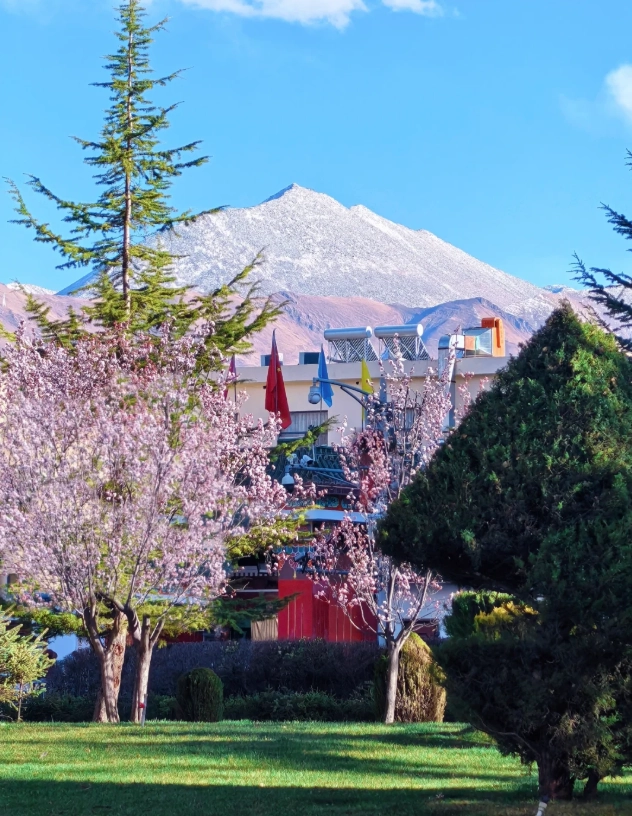
- Day 3: Day trip to Yamdrok Lake (about 2.5 hours drive south). Rent a car with driver for around 600 RMB. The lake is stunning at sunrise – leave Lhasa at 5 AM. Bring warm clothes, it's windy.
- Day 4: Explore Sera and Drepung monasteries. Spend extra time at the debate.
- Day 5: Visit Tibet Museum (free, closed Mondays). Then departure.
Frequently Asked Questions
Verified and fact-checked by the editorial team for informational precision based on ongoing travel data and on-the-ground experience.





No comments yet.