 Ting Chen
Quick Navigation
- What Is the Exact Altitude of Namtso Lake?
- How Does the Altitude Affect Your Body?
- How to Prepare for the High Altitude
- Best Time to Visit Considering Altitude
- Transportation and Altitude: Getting There
- Acclimatization Tips from a Local Guide
- Altitude vs Other High-Altitude Lakes
- FAQs About Namtso Lake Altitude
I still remember the first time I drove up to Namtso Lake. My head was pounding, and I couldn't catch my breath. That's when I realized altitude isn't just a number — it's the difference between an unforgettable experience and a miserable day. At 4,718 meters (15,479 feet) above sea level, Namtso Lake is one of the highest saltwater lakes in the world. But if you're planning a trip, the altitude is the single biggest factor that will determine whether you enjoy the turquoise waters or spend the afternoon vomiting in a car. Let me break down exactly what you need to know.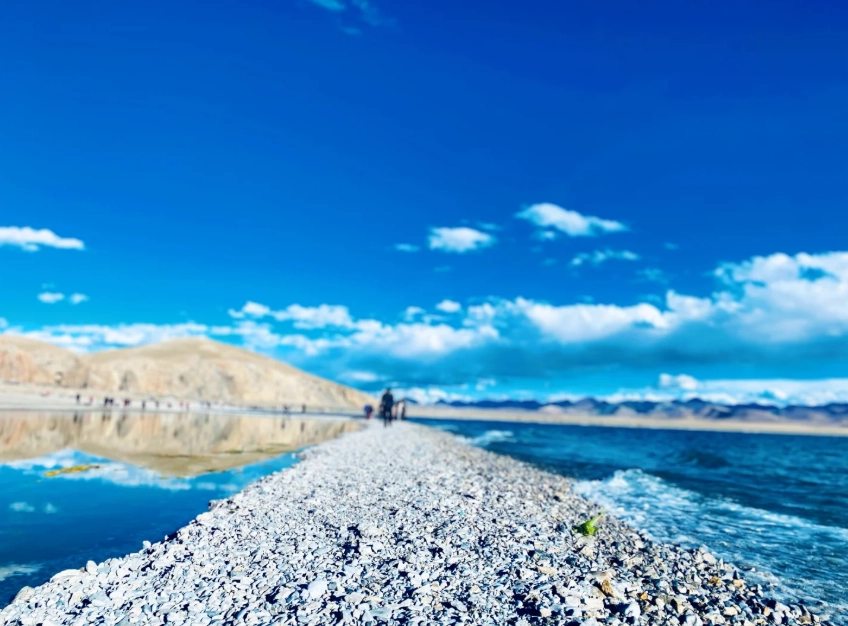
What Is the Exact Altitude of Namtso Lake?
Namtso Lake sits at 4,718 meters (15,479 feet) above sea level. To put that in perspective, Lhasa, the capital of Tibet, is at 3,650 m (11,975 ft). That's a jump of over 1,000 meters in just a few hours of driving. Most people start feeling the effects of altitude above 2,500 m, so by the time you reach Namtso, your body is in a completely different oxygen zone.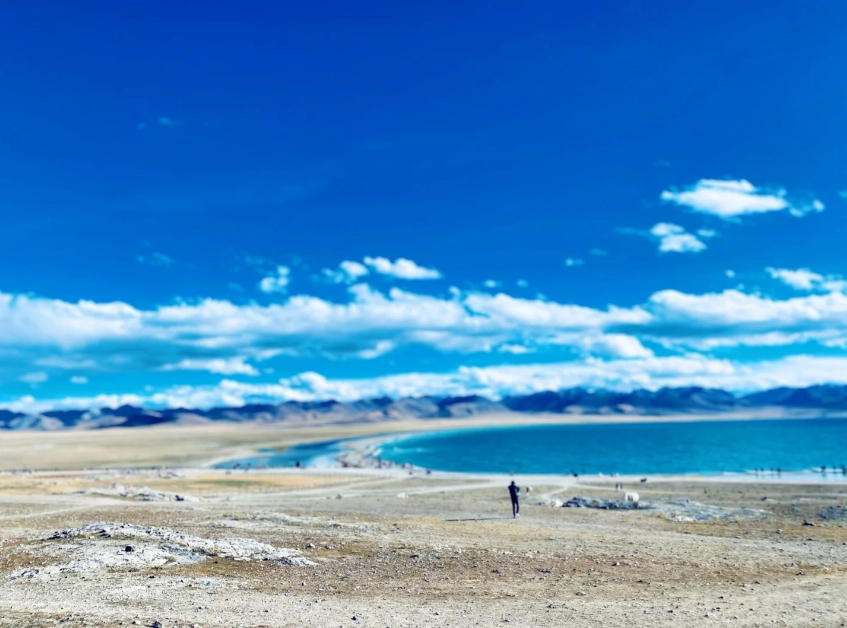
How Does the Altitude Affect Your Body?
Altitude sickness hits differently for everyone. But at 4,718 m, almost everyone will feel something. Common symptoms include headache, nausea, dizziness, fatigue, and shortness of breath. I've seen young, fit travelers collapse within 30 minutes of arriving because they thought “being healthy” would protect them. It doesn't.
Here's the catch: the oxygen level at Namtso Lake is about 40% lower than at sea level. Your body needs time to produce more red blood cells — a process that takes at least 24 to 48 hours. That's why I always tell my clients: do not drive straight from Lhasa to Namtso in one day. You'll end up with severe Acute Mountain Sickness (AMS) and ruin your trip.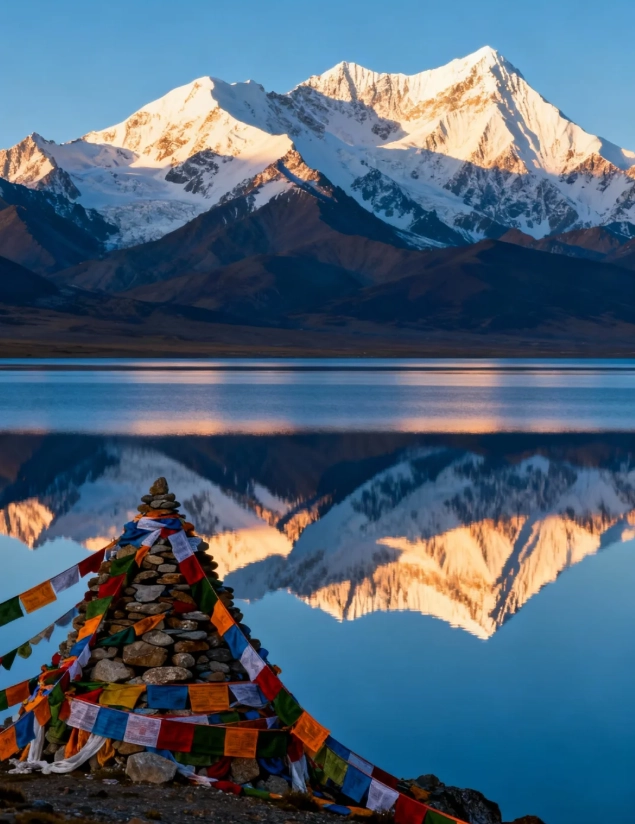
How to Prepare for the High Altitude at Namtso Lake
Medication and supplements
Acetazolamide (Diamox) is the most effective preventive drug. It speeds up acclimatization. You'll need a prescription from your doctor before leaving. Start taking it 24 hours before ascent and continue for 48 hours after reaching high altitude. Some travelers use ibuprofen for headaches, but avoid sleeping pills — they depress respiration.
Hydration and diet
Drink at least 3 liters of water per day. Alcohol and caffeine are terrible ideas at altitude. I've seen tourists order a beer at the lake and end up with severe vomiting. Stick to warm tea and eat light, carbohydrate-rich meals.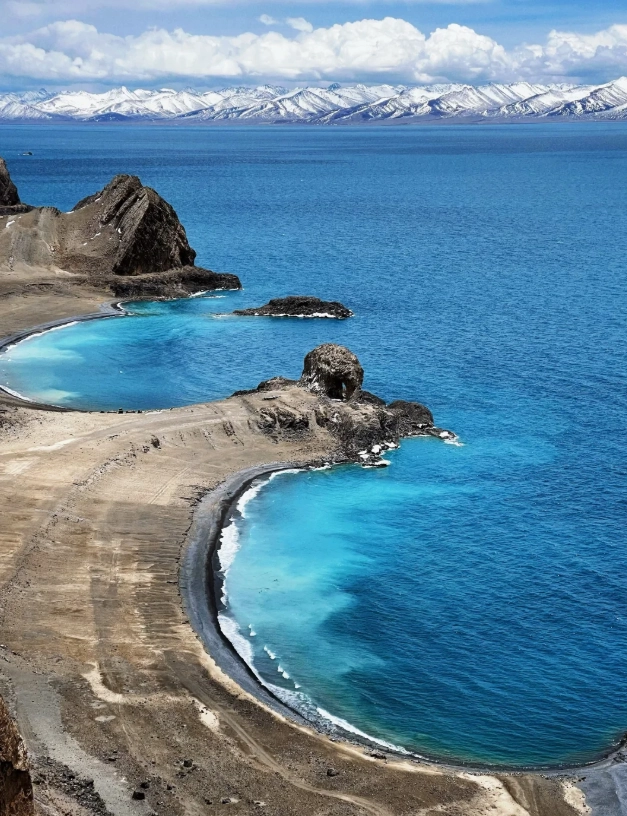
Physical prep
Don't exercise heavily before the trip. Actually, arrive in Tibet as relaxed as possible. If you fly into Lhasa, take it incredibly easy the first day — no walking tours, no temple climbing. I tell my groups: “Pretend you're a sloth for 24 hours.”
Best Time to Visit Considering Altitude
Many guides recommend going at noon for the best light. But I've seen too many tourists get sunburned and dehydrated under the intense UV at 4,718 m. The sun at this altitude is brutal. Instead, I always suggest arriving between 4:00 PM and 6:00 PM. The light is softer, the temperature drops slightly (which can help with headache), and the crowds from the morning tours have left. Plus, the golden hour reflecting off the lake is magical.
Winter (November to March) is extremely harsh — temperatures plummet to -20°C, and the lake freezes. The road is often closed. May to October is the best window, with July and August being the warmest but also the rainiest. If you can, aim for late May or early September: fewer tourists, stable weather, and still manageable altitude conditions.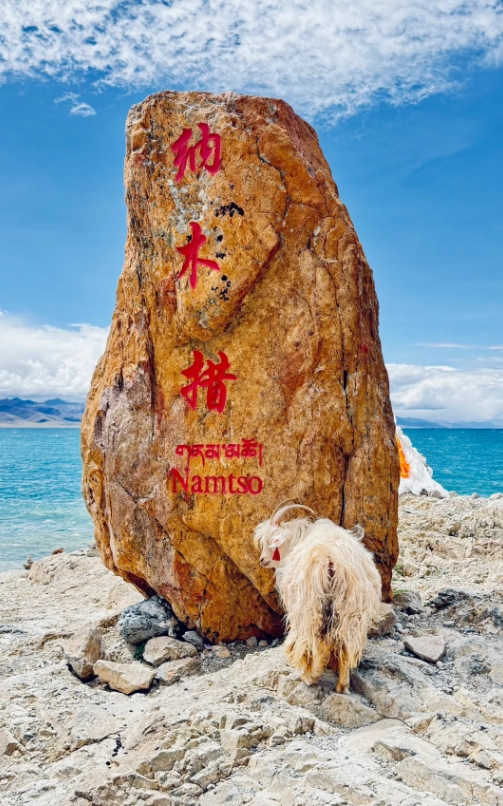
Transportation and Altitude: Getting to Namtso Lake
Most people start from Lhasa. The drive to Namtso is about 240 km and takes roughly 4 hours by private car or minibus. But the altitude gain is what matters:
- Lhasa (3,650 m) → Damxung (4,200 m) → Laken La Pass (5,190 m) → Namtso Lake (4,718 m)
The pass is usually where people start feeling really sick. I recommend scheduling a stop in Damxung for at least 2 hours — have lunch, take a short walk, let your body adjust. Most tour operators drive straight through, and that's a mistake.
My personal advice: Book a car through your hotel or a reputable agency like Trip.com. Public buses from Lhasa to Damxung are unreliable and drop you far from the lake. Shared minibuses are an option but often crammed and uncomfortable, which worsens altitude sickness. Spend the extra money for a private vehicle with a driver who knows the route.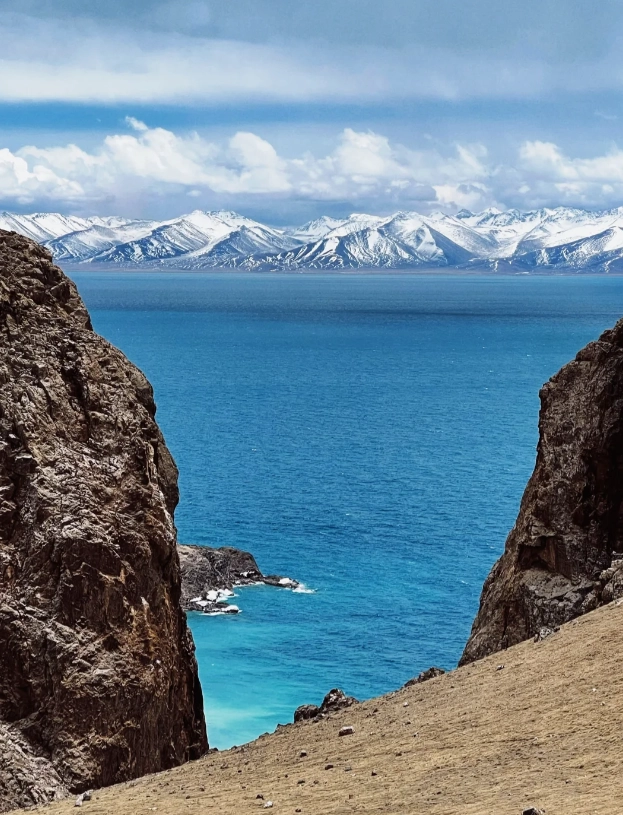
Acclimatization Tips from a Local Guide
Over the years, I've developed a few tricks that go beyond the generic advice:
- Sleep lower, play higher. If you can, spend the night before at a lower altitude (like Damxung at 4,200 m) rather than at the lake itself. The guesthouses near the lake are at 4,718 m — sleeping that high can be brutal.
- Use the “talk test.” If you can't speak a full sentence without gasping, you're moving too fast. Slow down.
- Bring a pulse oximeter. it costs about $20 on Amazon. If your blood oxygen saturation drops below 80%, it's time to descend immediately.
- Avoid hot showers. They dilate blood vessels and can worsen altitude sickness. I know it sounds crazy, but a cold rinse is better.
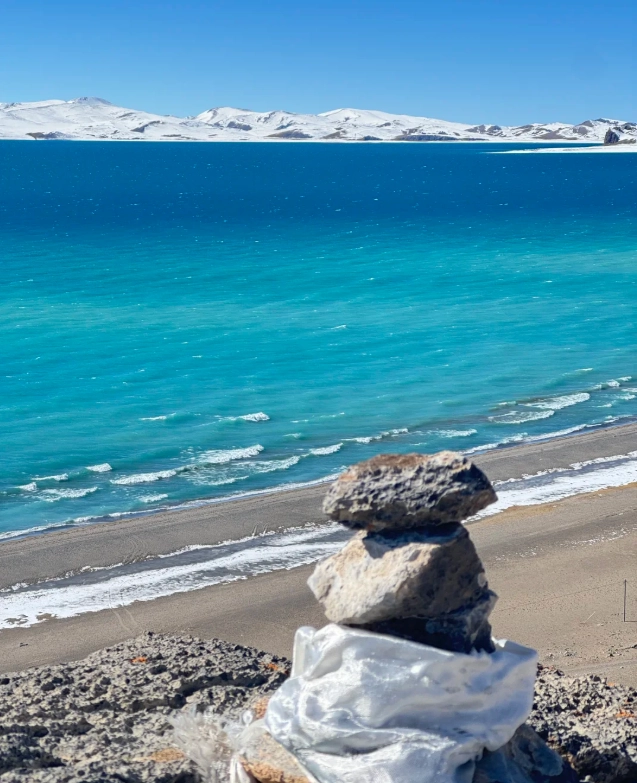
Namtso Lake Altitude vs Other High-Altitude Lakes in Tibet
| Lake | Elevation (m) | Elevation (ft) | Notes |
|---|---|---|---|
| Namtso Lake | 4,718 | 15,479 | Second-highest saltwater lake in Tibet |
| Yamdrok Lake | 4,441 | 14,570 | Easier access, lower altitude, good for acclimatization |
| Lake Manasarovar | 4,556 | 14,948 | Sacred lake, remote, requires longer trek |
| Lake Puma Yumco | 5,030 | 16,503 | Extremely high, only for experienced trekkers |
As you can see, Namtso is not the highest, but it's high enough to cause problems. Many travelers underestimate it because they've been to Yamdrok (which is 300 m lower) without issues. But that 300 m makes a huge difference.
Frequently Asked Questions About Namtso Lake Altitude
Verified and fact-checked by the editorial team.





No comments yet.