 Ting Chen
Quick Jump To:
- What Makes These Attractions Unique?
- Potala Palace: The Iconic Must-See
- Jokhang Temple: The Spiritual Center
- Sera Monastery: Debating and Detours
- Norbulingka: The Summer Palace
- Barkhor Street: The Pilgrim's Circuit
- How to Plan Your Visit to Lhasa Must-See Attractions?
- FAQ About Lhasa Must-See Attractions
I have led dozens of tours through Lhasa over the past eight years. Every time I step off the plane at Gonggar Airport, the thin air and piercing blue sky remind me: this is not just another city. The must-see attractions here are not just sightseeing stops—they are living, breathing centers of Tibetan Buddhism that can overwhelm even the most seasoned traveler if you don't know the ropes. Let me walk you through the ones that truly deserve your time, and I will share the tiny, often overlooked details that make the difference between a good trip and a great one.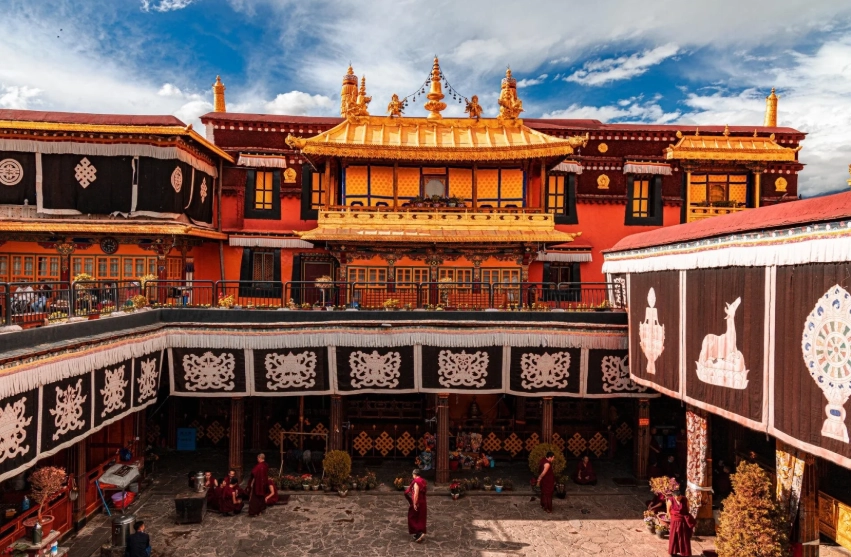
What Makes These Lhasa Must-See Attractions Unique?
Unlike most historical sites in China, Lhasa's core attractions are still actively used for daily worship. The murmur of chanting monks, the smell of yak butter candles, and the sight of pilgrims prostrating on worn stones—this is not a museum simulation. This authenticity is beautiful but also means you need to respect local customs. Here is a quick comparison of the top five attractions I will cover: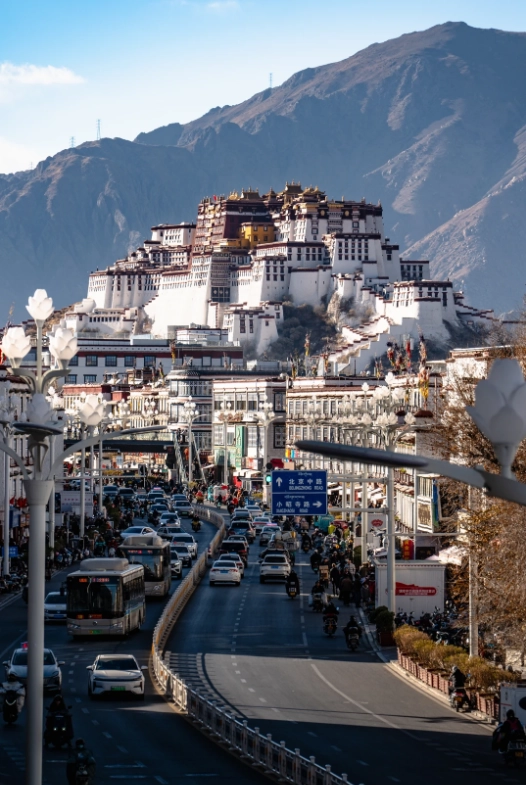
| Attraction | Best For | Visit Duration | Ticket (CNY) |
|---|---|---|---|
| Potala Palace | Iconic views, history | 2–3 hours | 200 (peak), 100 (off-peak) |
| Jokhang Temple | Spiritual atmosphere | 1.5–2 hours | 85 |
| Sera Monastery | Monk debates, quiet alleys | 2 hours | 50 |
| Norbulingka | Royal gardens, relaxation | 1.5–2 hours | 60 |
| Barkhor Street | Shopping, pilgrim kora | 1–2 hours | Free |
My tip: Do not try to see all five in one day. Spread them over two days, and always leave the late afternoon for Barkhor Street—the golden light on the Jokhang roof is stunning, and the crowd is thinner after 5 PM.
Potala Palace: The Iconic Must-See
Yes, it is the postcard image of Tibet. But the real challenge is getting inside. Here is the catch: tickets are limited to 2,300 per day during peak season (May–October), and you must book at least a day in advance through the official WeChat mini-program or your hotel. Walk-up buying is nearly impossible from June to September.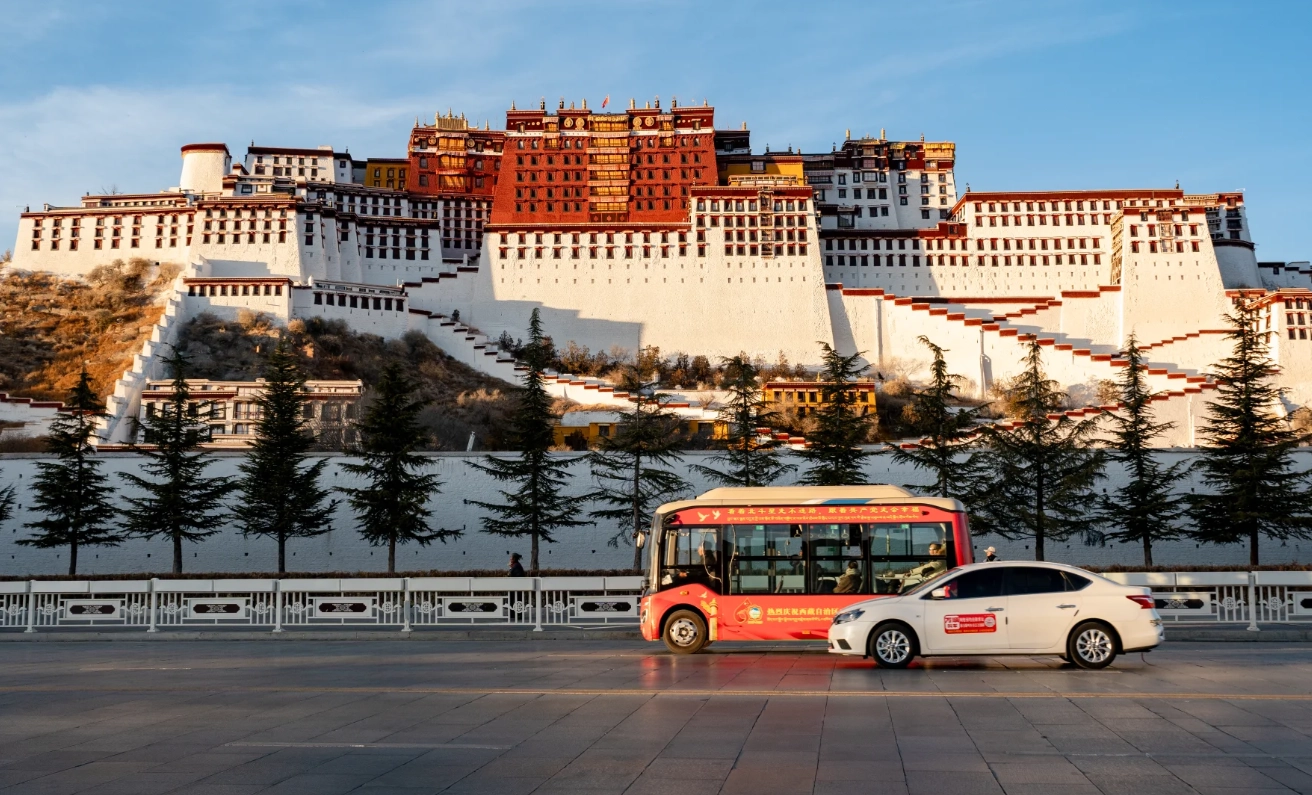
Ticket & Timing Details
- Address: 35 Beijing Middle Road, Chengguan District, Lhasa
- Opening hours: 9:00–16:00 (last entry at 15:00). Closed on Mondays in off-season (Nov–Apr).
- Ticket: 200 CNY peak, 100 CNY off-peak. Students and seniors (60+) get 50% off, but you need to show a valid ID.
- Getting there: Take bus 1, 6, 12, or 17 to "Potala Palace" stop. From the city center, a taxi costs about 15–20 CNY. The nearest metro? Lhasa doesn't have a metro. So stick to taxi or Didi.
- Accessibility: No elevators inside—there are 300+ steep stone steps. Visitors with mobility issues should consider the view from the square instead.
The interior is a maze of chapels, tombs, and murals. I recommend a guided audio tour (40 CNY, available at the entrance) because the historical context is crucial. Without it, you are just looking at golden statues.
Jokhang Temple: The Spiritual Center
If Potala is the heart of Lhasa's skyline, Jokhang is the soul. Located in the old town, this temple houses the famous Jowo Shakyamuni statue—the most sacred object in Tibetan Buddhism. Pilgrims travel for months to see it.
What You Need to Know
- Address: 1 Barkhor Street, Chengguan District
- Opening hours: 7:00–17:30 (winter 8:00–17:00). The main prayer hall opens at 9:00 for tourists.
- Ticket: 85 CNY. No separate senior/student discount announced—bring your passport just in case.
- Transport: A 10-minute walk from Potala Palace. From there, follow the kora (pilgrim circuit) clockwise—you can't miss the crowd.
- Photography: Not allowed inside the main hall. Guards are strict—I have seen phones confiscated.
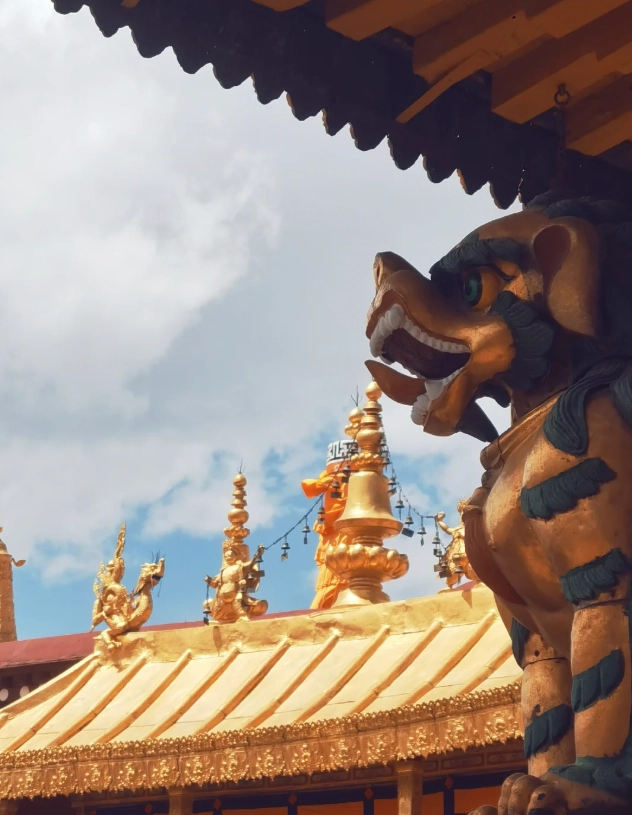
My experience: Go at 7:30 AM when the temple opens for locals. You can walk in with the pilgrims before the tourist crowds arrive. The morning light hits the golden roof beautifully, and the chanting is so intense it gives you chills. By 9:00, the ticket booth opens, but the atmosphere gets more crowded. I always tell my clients: if you only want the photo of the golden rooftop, skip the interior and climb to the rooftop terrace (free access after entering the temple). The view of Barkhor Street from above is worth the price alone.
Sera Monastery: Debating and Detours
Sera Monastery is famous for its monk debates that start around 3:00 PM every day (except Sundays and major holidays). But most tourists miss the real gem: the upper courtyard with fewer people and better photo angles.
Details
- Address: Sera Road, north of Lhasa (about 5 km from city center)
- Opening hours: 9:00–16:00 (monastery grounds); debate courtyard open 15:00–17:00.
- Ticket: 50 CNY. No discount for students.
- Transport: Take bus 6 or 22 to Sera Monastery stop. Taxi from center: about 25–30 CNY.
- Best time to arrive: 14:30 to get a good spot in the debate courtyard. But do not sit too close—the monks sometimes slap hands aggressively, and you might get hit if you sit on the front stone benches.
Norbulingka: The Summer Palace
This was the Dalai Lama's summer residence and is essentially a large park with a small palace complex. Many travelers skip it, but I love it for a relaxing afternoon after the intensity of Potala.
What to Expect
- Address: 20 Norbulingka Road, Chengguan District
- Opening hours: 9:00–18:00 (last ticket 17:00)
- Ticket: 60 CNY.
- Transport: 15-minute walk from Potala. Or take bus 1, 4, 9, 12 to Norbulingka stop.
- Pro tip: The gardens are lovely, but the palace interiors are similar to Potala—if you are short on time, just walk through the grounds. The peacocks are semi-wild and usually near the main building.
Honest opinion: Norbulingka is not as spectacular as Potala, but it offers a much-needed escape from the crowds. Go on your second day when you are already acclimatized to the altitude. The flat paths are easy on the legs.
Barkhor Street: The Pilgrim's Circuit
Barkhor is the lively pilgrim path encircling Jokhang Temple. It is also the best place to buy Tibetan souvenirs (thangkas, prayer wheels, turquoise jewelry). But the real magic is watching the pilgrims do their kora—walking clockwise while spinning prayer wheels.
Practical Info
- Location: Surrounds Jokhang Temple, starting from the square in front.
- Opening hours: Street is open 24/7, but shops open around 9:00–20:00.
- Cost: Free to walk. Bargaining starts at 50% of the initial price.
- My shop pick: Check out "Tibetan Treasure" at the northeast corner (look for a yellow sign). The owner speaks English and does not inflate prices for tourists. I always buy my yak wool scarves there—150 CNY for a quality one.
Important: Always walk clockwise on Barkhor. Walking counterclockwise is considered disrespectful. Also, do not point your feet at religious objects or people.
How to Plan Your Visit to Lhasa Must-See Attractions?
Altitude sickness is real—Lhasa sits at 3,650 meters. I advise all my clients to spend the first day resting and only visiting Barkhor Street (flat, slow). On day two, tackle Potala in the morning and Jokhang in the late afternoon. Day three: Sera Monastery and Norbulingka. Here is a sample 2-day plan for those in a hurry:
| Day | Morning | Afternoon | Evening |
|---|---|---|---|
| 1 | Arrive, rest, hydrate | Barkhor Street + Jokhang exterior | Light dinner, sleep early |
| 2 | Potala Palace (9:00–12:00) | Sera Monastery (14:30–16:30) | Norbulingka garden stroll (17:00–18:30) |
Crowd escape plan: If the Potala line is too long (check the live feed on the official WeChat mini-program), switch to Jokhang first. The ticket for Potala is time-slot based anyway—you cannot just show up.





No comments yet.