.jpeg) Tariq Ma
Tariq Ma
What’s Inside This Guide
Why Shapowei Art Zone Is Worth Your Time
I've been guiding travelers around Xiamen for over a decade, and Shapowei Art Zone is always the spot that surprises first-timers. You get this gritty, authentic harbor vibe mixed with quirky art galleries, indie cafes, and street murals that change every few months. Most tourists rush to Gulangyu Island, but Shapowei feels more real. Think of it as Xiamen's answer to Beijing's 798 Art District — but smaller, more intimate, and right on the water.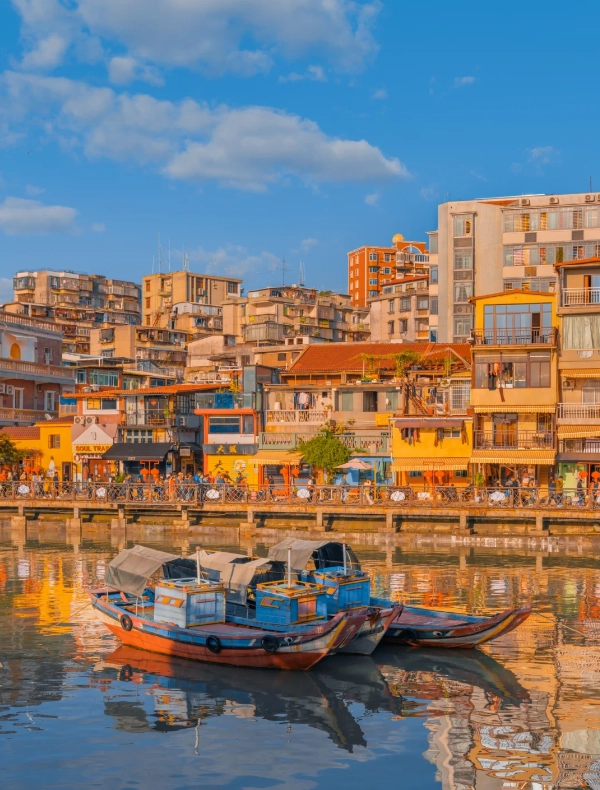
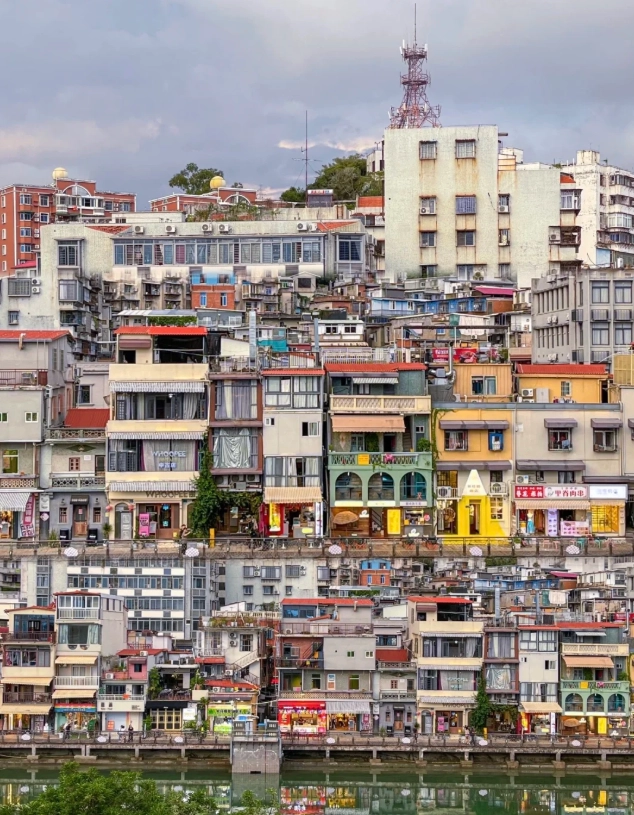
The neighborhood used to be a humble fishing port. Then, around 2015, younger artists and entrepreneurs started taking over the old warehouses and shophouses. Today, you'll find a chaotic but charming mix of fishmongers selling their morning catch next to hipster coffee roasters. That contrast is what makes it special. And the best part? It's free to walk around. No entrance tickets, no queues. Just show up and soak it in.
How to Get to Shapowei Art Zone
Address: Shapowei, Siming District, Xiamen. Google Maps works fine — just search “Shapowei Art Zone.”
| Transport | Details | Cost |
|---|---|---|
| Taxi / Didi | From Zhongshan Road or Xiamen University area, about 10–15 minutes. Show driver: 沙坡尾艺术区 | ~15–25 RMB |
| Bus | Take bus line 86, 87, or 943 to “Xiada Xicun” stop. Walk 5 minutes east toward the harbor – you'll see the fish smell and art walls. | 1 RMB with transport card |
| Metro | Nearest station is Zhenhai Road on Line 1. Exit 2, then a 20-minute walk or 5-minute taxi. I usually tell people to take a taxi from there — the walk isn't scenic. | Metro ~3 RMB |
| On foot | If you're staying near Xiamen University or Nanputuo Temple, it's a pleasant 15-minute walk along the coast. | Free |
One thing I always warn my groups: avoid arriving by taxi between 5–7 PM if you can help it. The narrow streets near Shapowei get jammed with delivery scooters and tourists. Better to hop off a bit early and walk the last block.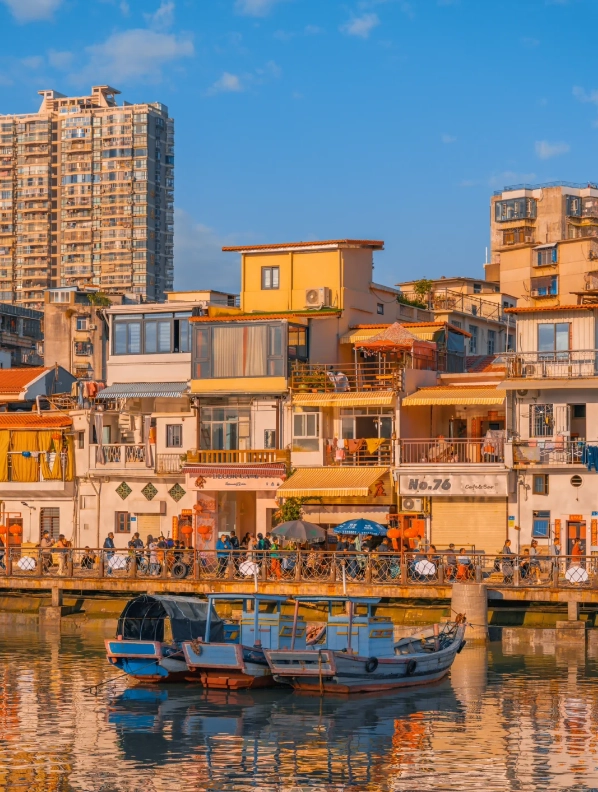
Best Photo Spots in Shapowei
I've snapped thousands of photos here with guests, and I know exactly where the light hits best. Here are my top picks:
- The Art West Zone: A bright white courtyard filled with murals and a giant whale sculpture. Go around 9 AM on weekdays if you want the walls to yourself. By noon, it's packed with selfie sticks.
- Harbor Boardwalk: Right behind the Art West Zone. Old fishing boats bobbing in the water, with modern skyscrapers in the background. Use a wide lens or your phone's panorama. Sunrise shots are killer.
- Rainbow Stairs: Near the entrance of the main street. They repaint them every season, so colors are always fresh. Warn your friends not to lean on the handrails — they're often sticky from sea salt.
- Covered Bridge at Dormitory: Locals call it the “lovers’ bridge.” It's a pinkish arch over a small canal. Not on any official map, but you'll find it if you go toward #46 Shapowei Street.
Pro tip: bring sunglasses. The white walls reflect sunlight like crazy. And don't forget a hat — there's very little shade in the main square.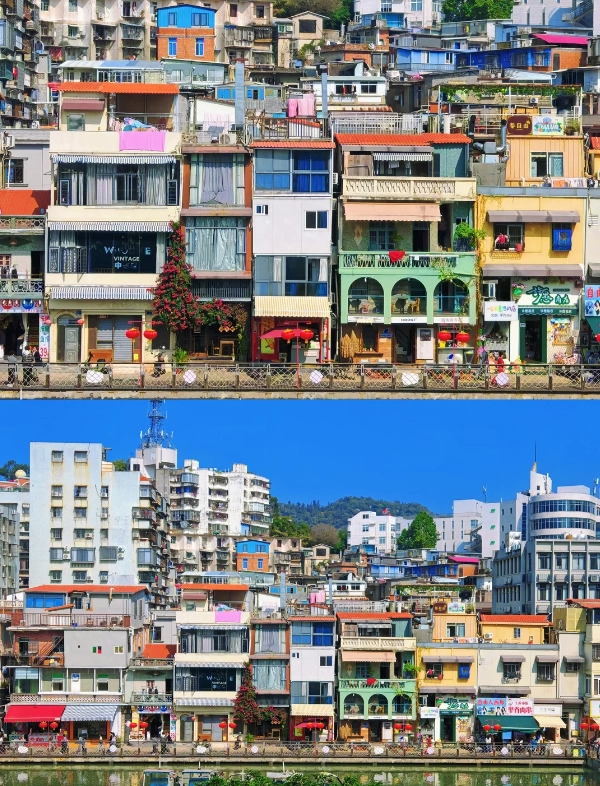
Top Cafes and Restaurants
Shapowei is a coffee lover's paradise. Most cafes roast their own beans and have a cozy, secondhand-furniture vibe. Here's a quick comparison of my favorites:
| Name | Specialty | Price (RMB) | English Menu? | Payment |
|---|---|---|---|---|
| Cheer's Coffee | Dirty latte with oat milk | 28–45 | Yes | WeChat, Alipay, cash |
| Lotus Coffee | Cold brew with a hint of osmanthus | 30–50 | No but picture menu | WeChat, Alipay |
| Healing Club | Matcha latte, vegan snacks | 25–40 | Yes | All methods |
| Old Harbour Seafood | Steamed fish with ginger (not a cafe, but a must-try for dinner) | 80–150 per person | Yes | WeChat, Alipay, cash |
I usually take my groups to Cheer's first. The owner, Xiao Chen, used to be a surfing instructor, and he loves chatting with foreigners. His dirty latte is the best I've had in Xiamen (I'm not exaggerating). One heads-up: most of these places don't accept international credit cards. Make sure you have WeChat Pay or Alipay set up, or bring enough cash. ATMs are scarce in this area.
For food, skip the tourist-trap seafood joints right on the main street. Instead, walk two blocks inland to Old Harbour Seafood at No. 78 Daxue Road. The owner is a retired fisherman — he'll bring out whatever was caught that morning. I always order the steamed grouper with ginger and scallions. It's light, flavorful, and costs half what you'd pay on the waterfront.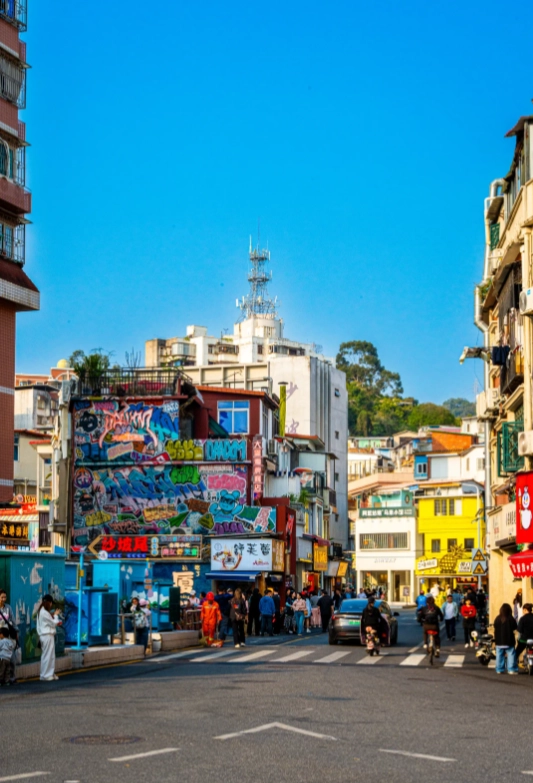
Art Galleries and Studios You Shouldn't Miss
Shapowei is dotted with small galleries, but two stand out:
- Fujian Contemporary Art Museum: A white cube space featuring rotating exhibitions of local and international artists. Admission is free for most shows. Check their WeChat mini-program for current exhibitions — it's in Chinese, but you can use the translation feature. Open 10 AM–6 PM, closed Mondays.
- Baihaiji Art Space: A tiny gallery run by a young couple who work with ceramics and ink painting. They're usually happy to chat in English. They sometimes have workshops on weekends — you can make your own porcelain cup for about 150 RMB. I did it once and still use my lopsided cup at home.
Most galleries don't have fixed opening hours. If a door is open, just walk in. If it's closed, try again later in the afternoon. Chinese artists tend to work late and open their spaces after 2 PM.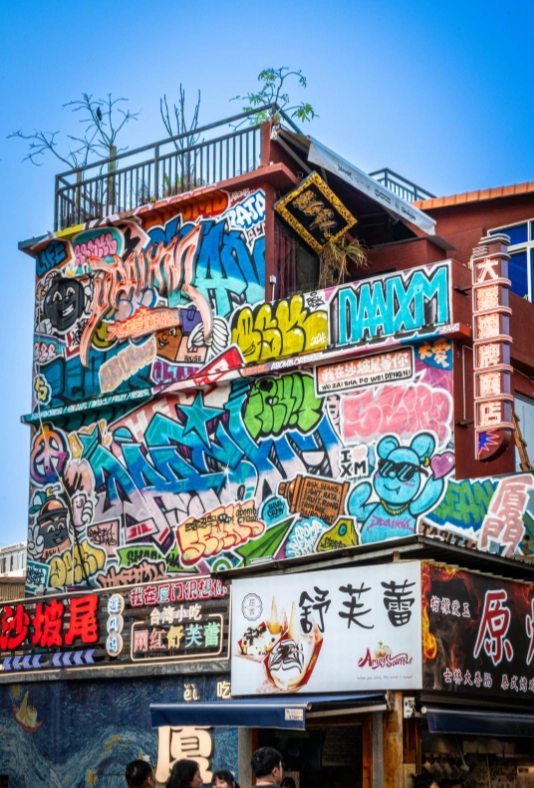
Insider Tips for a Smooth Visit
- Best time to go: Weekday afternoons, around 3 PM. The light is golden for photos, and the crowds haven't peaked yet. Avoid weekends if you can — it gets shoulder-to-shoulder.
- Wear comfortable shoes: The streets are uneven, with lots of cobblestones and puddles from the harbor spray. I've seen too many tourists in flip-flops regret it.
- Bathroom situation: There's a public restroom near the Art West Zone entrance, but it's small and often has a line. I recommend using the restroom at any cafe before you leave — buy a coffee and you're set.
- Bargaining: Most street vendors expect bargaining, but gallery owners don't. If you see a painting you like, ask politely for a discount. But don't haggle over 10 RMB — it's just rude.
- Learn a few Chinese words: “Duōshao qián?” (多少钱 – how much) and “Piányi yīdiǎn” (便宜一点 – a bit cheaper) go a long way. Even if your pronunciation is terrible, locals appreciate the effort.
Frequently Asked Questions
Verified and fact-checked by the editorial team.





No comments yet.