 Fang Wang
Quick Navigation — What’s Inside
Four and a half hours. That’s all it takes to travel 1,300 kilometers at 350 km/h. But the real challenge? Actually securing your ticket without losing your mind.
I’ve escorted dozens of foreign clients on this route. And every single time, the booking process trips them up. International credit cards? Often rejected. WeChat Pay? You need a Chinese bank account. The station layout? Massive and confusing. So I’m writing this to save you the headache.
Here’s the bottom line: use the official China Railway 12306 app (English version available) or a reliable third-party like Trip.com. Book at least 2 weeks ahead if you want a good seat. Avoid Friday evenings and Sunday afternoons — those are peak hours.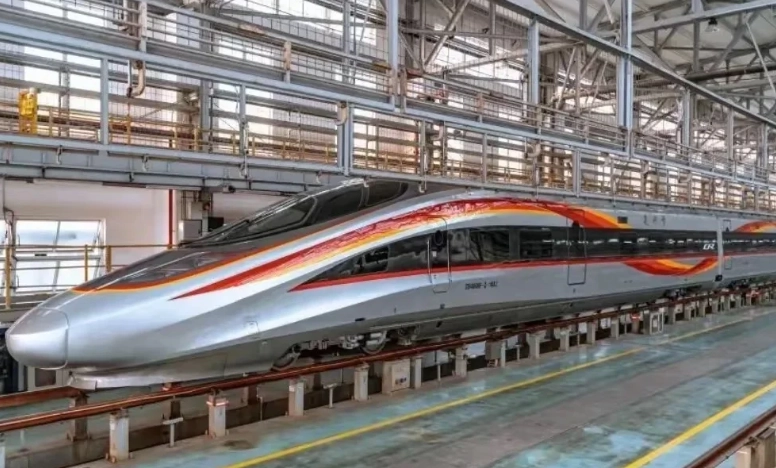
How to Book the Beijing to Shanghai Bullet Train
Official 12306 vs. Third-Party Agents
The Chinese railway system is run by a single state-owned company. Their official app is 12306. It has an English interface now, but it’s clunky. Payment via foreign Visa/Mastercard works about 70% of the time. When it fails, I recommend Trip.com (the booking platform). They add a small fee (around $5 per ticket) but accept all major cards and handle customer service in English.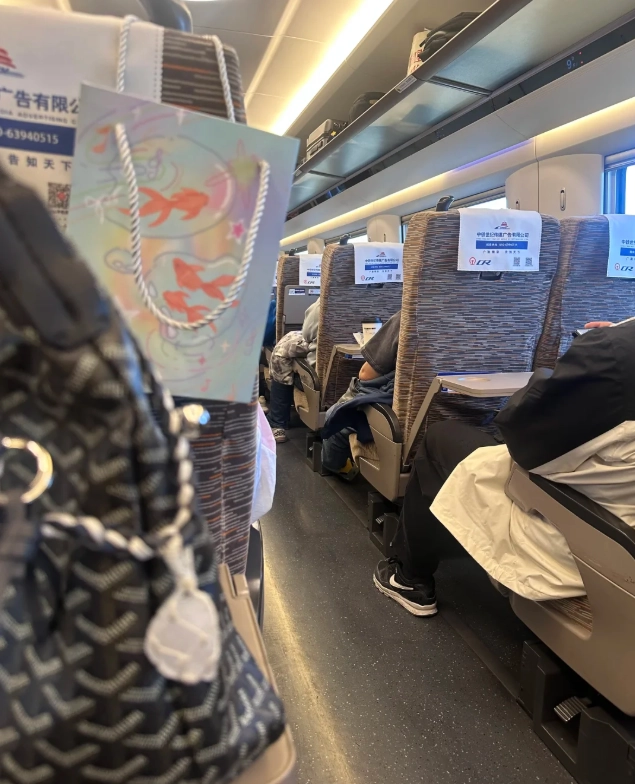
Step-by-Step Booking Process (via Trip.com)
- Go to Trip.com, select "Trains".
- Enter Beijing (all stations) to Shanghai (all stations).
- Pick your date. Most high-speed trains depart from Beijing South and arrive at Shanghai Hongqiao.
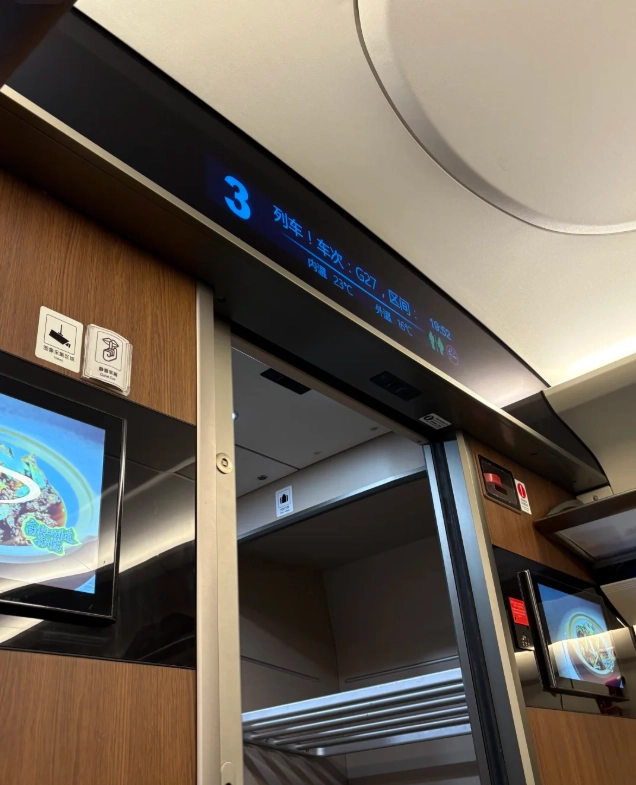
- Choose your train. The fastest ones are G-series (e.g., G1, G3). Journey time 4.5–5 hours.
- Select seat class (see next section).
- Enter passport details exactly as on your passport.
- Pay. You’ll receive an e-ticket. Save the QR code — that’s your boarding pass.
Pro tip: If you’re booking multiple legs (e.g., Beijing → Nanjing → Shanghai), buy separate tickets. Through-tickets for foreign passports require manual verification at the station — a total pain.
Payment Methods That Work for Foreigners
Visa and Mastercard are accepted on Trip.com. On 12306, they might decline. Alternative: get a Chinese friend to pay via Alipay/WeChat, or use a travel agent. For peace of mind, stick to Trip.com.
Which Train Class Should You Choose?
| Class | Price (approx.) | Comfort | Best for |
|---|---|---|---|
| Second Class | $80–100 | 5 seats per row, reclining, power outlet | Budget travelers, short trips |
| First Class | $130–160 | 4 seats per row, wider legroom, free snack box | Couples, business, comfort |
| Business Class | $250–350 | Fully reclining seat, privacy, meal included | Luxury, overnight travelers |
Honestly, Second Class is perfectly fine for 4.5 hours. The seats are comfortable, there’s Wi-Fi (spotty but usable), and you can walk around. If you’re tall, spend the extra on First Class.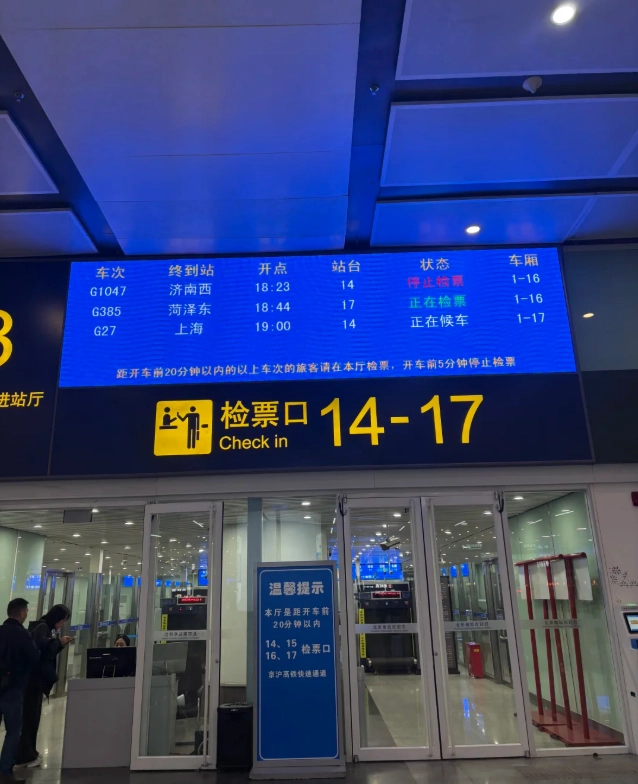
Navigating Beijing South Railway Station
Beijing South is enormous — two massive waiting halls and countless security checkpoints. Here’s what I’ve learned after dozens of visits:
- Arrive 45 minutes early, not 2 hours. The station is efficient if you know where to go.
- Security check happens before you even enter the main waiting area. Have your passport and e-ticket QR code ready.
- Gate numbers are displayed on the big screen about 20 minutes before departure. Don’t queue too early — they change sometimes.
- Food options: KFC, McDonald’s, Chinese noodle shops on the second floor. Prices are normal (no airport markup).
- Bathrooms: Clean but the one near the south entrance is less crowded.
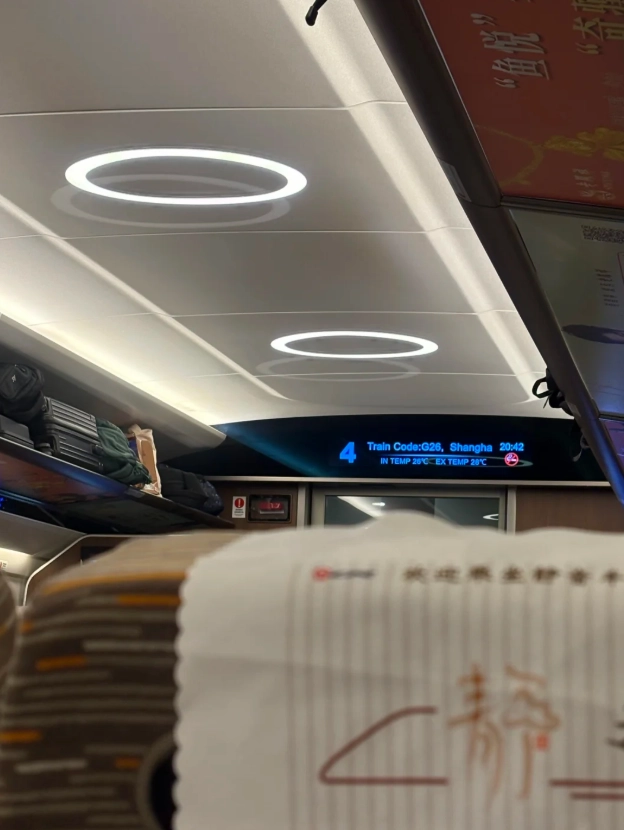
My biggest gripe: The smoking area near the waiting hall. Non-smokers, avoid the corners where people gather — you’ll smell like an ashtray.
Navigating Shanghai Hongqiao Railway Station
Shanghai Hongqiao is a transportation hub: bullet train, domestic flights, and metro lines 2, 10, and 17. Disembarking is straightforward — just follow the signs to the metro or taxi stand.
- Exiting the platform: Don’t stop to take photos immediately. The crowd will push you. Walk to the main concourse.
- Metro line 2 takes you directly to People’s Square and East Nanjing Road. Line 10 goes to Shanghai Zoo and Hongqiao Airport Terminal 1.
- Taxis: Queue at the official stand. Expect a 10-minute wait during peak times. Ensure the driver uses the meter — insist if he tries to haggle.
- Luggage storage: There’s a left-luggage office near the east exit. About $5 per bag for 4 hours.
What to Eat and Do During the Journey
The dining car (carriage 5) sells boxed meals for around $6–$10. Options like braised pork rice or noodle soup. They taste decent — like airplane food but better. You can also pre-order a meal via the 12306 app and have it delivered to your seat.
Bring your own snacks too. The train staff come around with a trolley selling beer, chips, dried fruit — prices are reasonable.
Scenery-wise, you’ll see flat farmland for the first hour, then mountains near Jinan, and finally sprawling suburbs approaching Shanghai. The windows are clean, but avoid sitting on the aisle side if you want unobstructed views.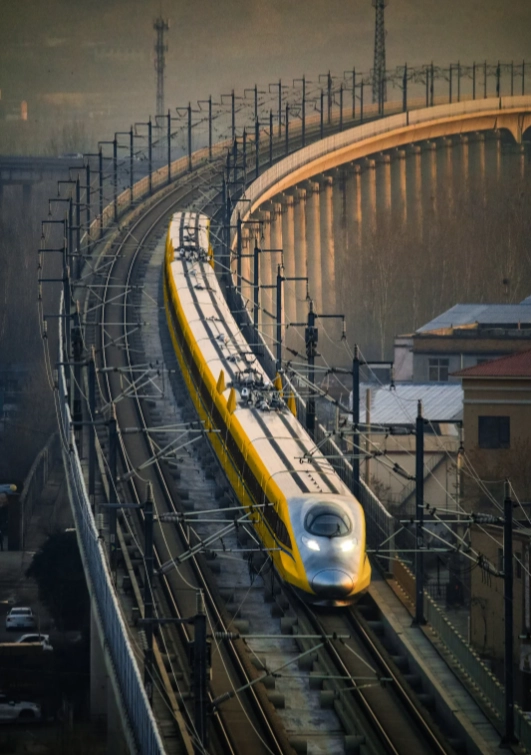
Common Mistakes to Avoid
- Buying tickets with wrong name order. Chinese trains require your surname first, exactly as on your passport. Check twice.
- Arriving at Beijing Railway Station instead of Beijing South. Yes, it has happened. They are 30 minutes apart by subway. Double-check your ticket.
- Ignoring the departure time zone. China uses a single time zone (UTC+8). No daylight saving.
- Overpacking luggage. Overhead racks are limited. The max size is 130 cm total dimensions. Use a duffel bag, not a hard-shell case.
- Missing the final boarding call. The train door closes exactly 1 minute before departure. Don’t be that person running.







No comments yet.