Qianling Mausoleum Overview
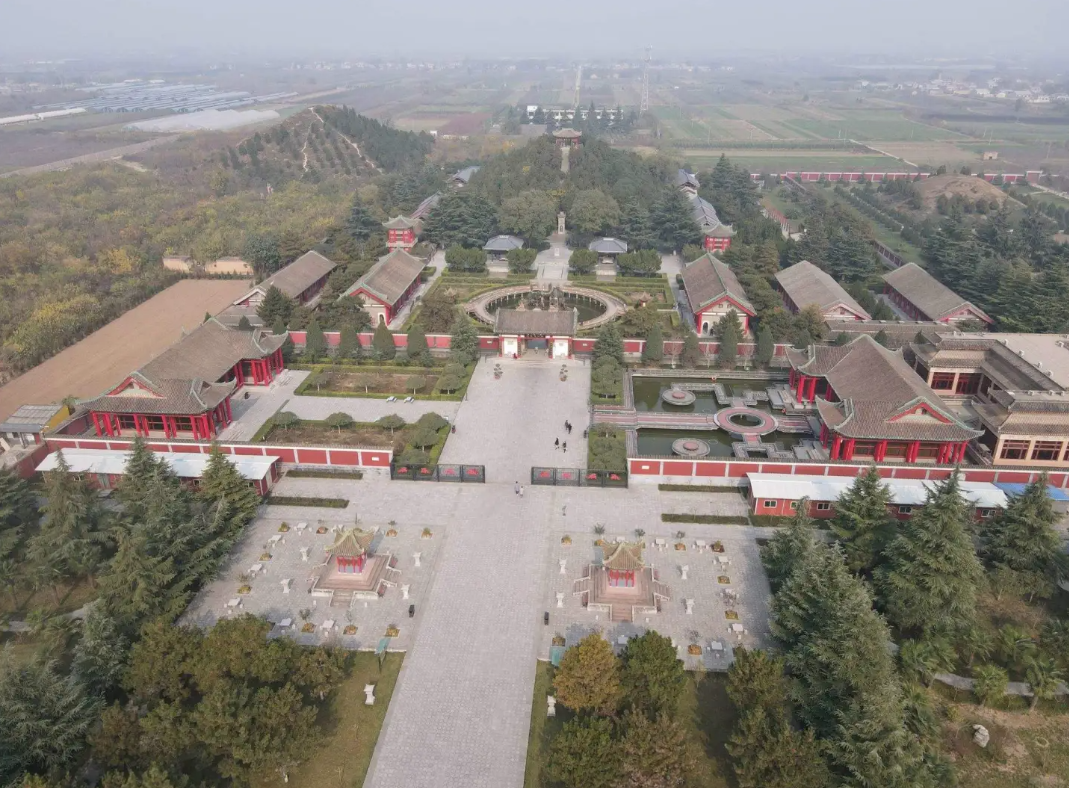
The joint burial tomb of Emperor Gaozong of Tang and Empress Wu Zetian, the best-preserved of the Tang Dynasty's eighteen imperial mausoleums.
Qianling Mausoleum Opening Hours & Tickets
- 08:00–18:00 (Mar–Nov)
08:30–17:30 (Dec–Feb)
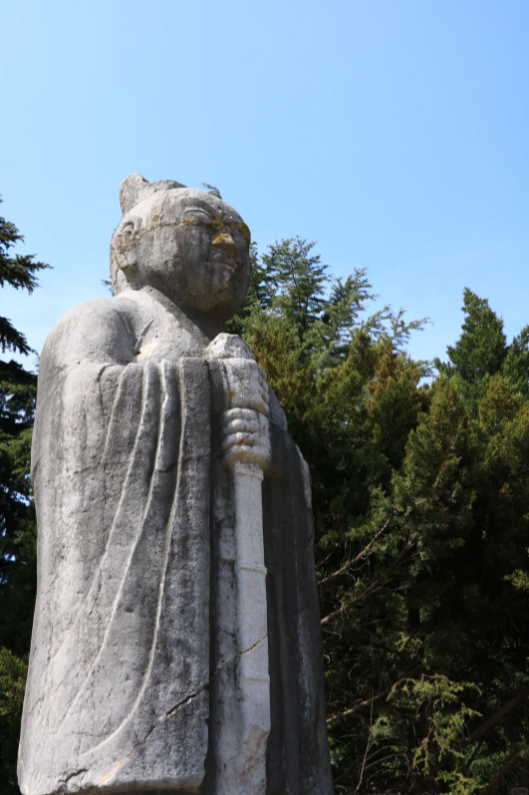
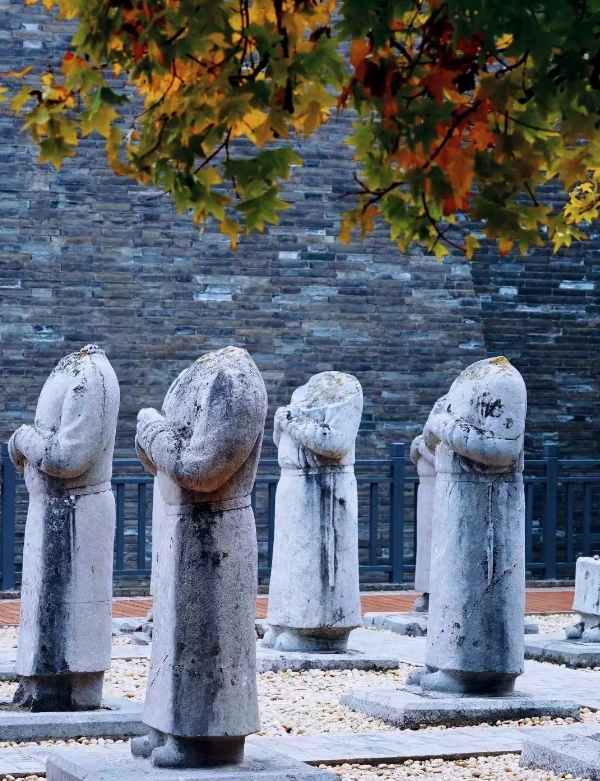
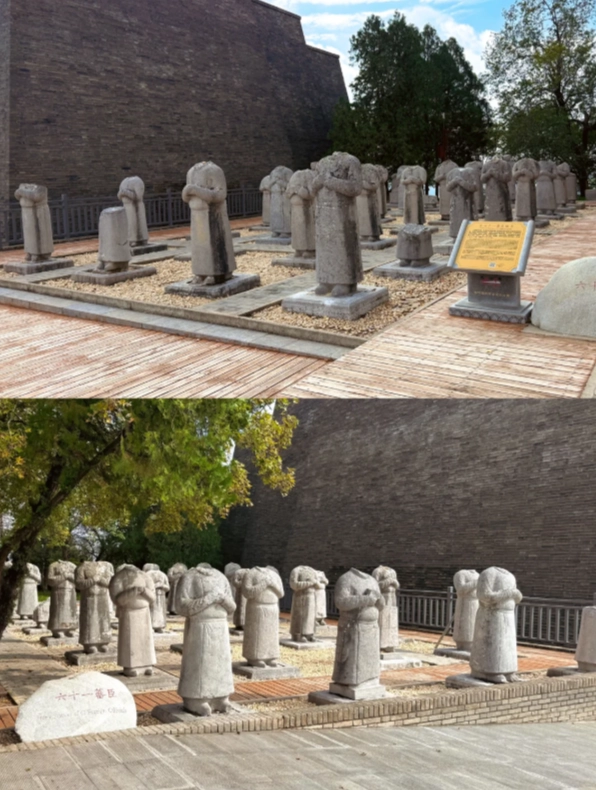
- Best season: April–May and September–October for pleasant temperatures. Late afternoon light beautifully highlights the stone guardians.
- Ticket note:
Tickets available on-site and via official WeChat. Combined ticket includes sate...
Essential Qianling Mausoleum Visitor Information
- Enquiries: +86 29 3551 1699
- Parking lot
- restrooms
- visitor center
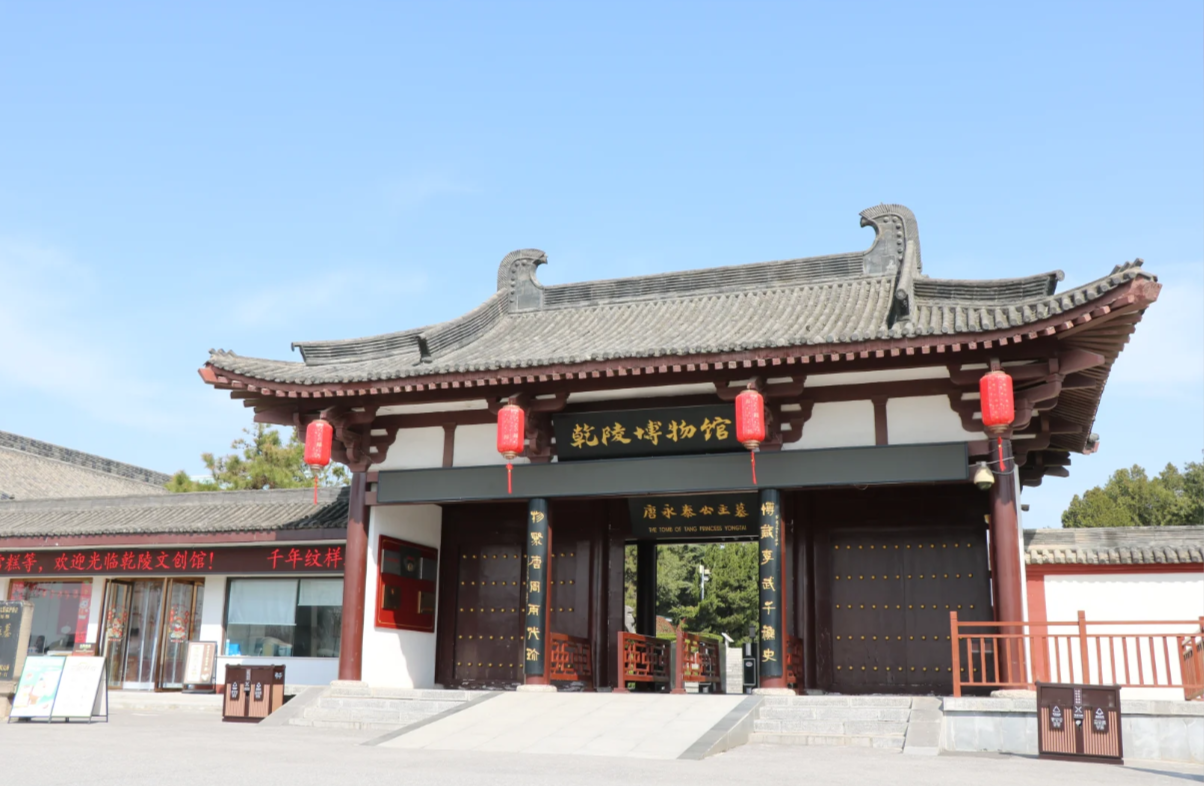
- small museum
- tricycle carts (for hire)
How to Get to Qianling Mausoleum
- From Xi’an: Bus from Xi’an Chengxi Bus Station to Qianxian, ~1.5 h, then take a local taxi (~15 min, ¥20) to the mausoleum.
- Drive: Xi’an – G70 Expressway to Qianling exit.
Qianling Mausoleum Travel Safety & Advice
110 / 120. On-site medical assistance available through the visitor center.
Qianling Mausoleum Travel FAQ
Is the tap water safe to drink in Qian County?
No. Stick to bottled water, which is cheap and available everywhere. Even locals boil their tap water. In restaurants, they will provide boiled water or tea, which is safe.
What if I can't use chopsticks?
Most places will have spoons, and for noodle soups, a spoon is actually essential for drinking the broth. For the noodles themselves, you can ask for a fork (“chāzi”). They might have one. If not, don't be embarrassed to use the spoon to scoop up noodles. It's messy but works. Watching a quick video on basic chopstick technique for grabbing (not stabbing) noodles before your trip helps immensely.
How do I pay if a stall doesn't accept cards or my mobile payment fails?
This is why having cash is your safety net. Before you order, it's smart to look for the QR codes for WeChat Pay or Alipay, usually displayed prominently. If you don't see them, have your cash ready. A simple “duōshǎo qián?” (多少钱? How much money?) after you finish eating will get you the price.
I have dietary restrictions (vegetarian, gluten-free). Can I eat near Qianling?
It's challenging. Vegetarian options exist—liangpi can be made without meat, and there are simple stir-fried vegetable dishes. However, broths are often meat-based (even if you don't see meat), and cross-contamination is certain. Gluten-free is nearly impossible, as wheat is the foundation of the local diet (noodles, flatbreads). Your safest bet is plain rice, steamed vegetables from a more proper restaurant in Qianxian town, or planning your main meals back in Xi'an where there are more specialized options.
Are the street food stalls hygienic? Will I get sick?
Focus on stalls where the food is cooked to order at high heat—like noodles boiled right in front of you or flatbreads coming straight out of a hot oven. Avoid pre-cut fruit or room-temperature items. The vinegar and chili in many sauces have preservative qualities. My rule: if the place is busy with locals, that's a good sign. Their regular patronage means the turnover is high and the food is fresh. I've eaten at these simple Qian County spots multiple times and never had an issue, but everyone's stomach is different. Come prepared with your own medication just in case.
I only have WeChat Pay/Alipay, no cash. Is that okay?
In the village stalls, almost certainly yes. Mobile payment is ubiquitous in China. The roadside workshops are adopting it too, but it's less guaranteed. I'd recommend carrying at least 200 RMB in cash as a backup, especially if you venture to the more rustic workshops. You don't want to fall in love with a piece and have no way to pay for it.
How do I know if a Tang Sancai replica is good quality or a cheap tourist knock-off?
Pick it up. A cheap piece feels surprisingly light and hollow. The glaze will look painted on—flat, uniform, and with perfectly sharp lines between colors. Authentic-style replicas are heavier (the clay is denser), and the glaze has a dripped, pooled, slightly unpredictable look where colors blend naturally. Look at fine details like the animal's face or harness straps; they should be crisp, not blurry.
Are the stone rubbings made from the actual ancient stones at the mausoleum?
Almost never. Making rubbings directly from unprotected ancient relics is damaging and is strictly prohibited. The rubbings sold are made from specially carved replica stones that copy the original designs. This is standard practice and doesn't diminish their value as a souvenir—they're still made using the traditional technique.
What's the one thing most tourists miss when shopping here?
They miss the conversation. They just point, bargain, and pay. Take a moment to ask "本地做的吗?" (běndì zuò de ma?, made locally?). Even with gestures, showing interest in the craft often changes the dynamic. The vendor at the roadside workshop spent ten minutes showing me photos of his teacher on his phone. It didn't lower the price, but it made the purchase mean more.
Is Qianling Mausoleum worth visiting for someone not deeply interested in history?
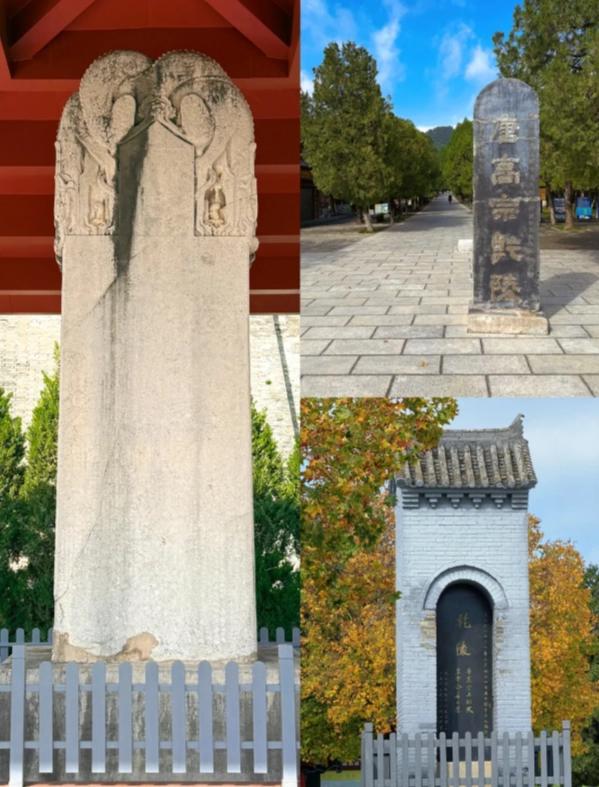
It depends on your travel style. If you only enjoy highly interactive or visually stunning sites, you might find it sparse. However, the scale of the landscape engineering is impressive in itself. The walk along the Spirit Way with its giant, ancient statues is a unique physical experience, and the mystery of the Blank Stele is a compelling story anyone can appreciate. Think of it as a historical park with great photo opportunities and a powerful atmosphere, not just a history lesson.









Recent Reviews
Leave a Review