 Jian Zhao
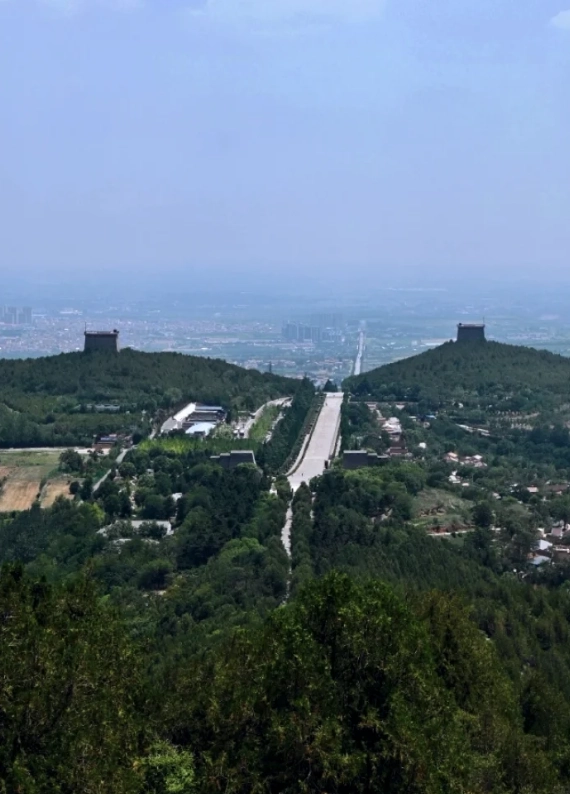
Standing at the southern end of the Spirit Way, looking north towards the distant, man-made mound, I felt a peculiar quiet. It wasn't just the absence of city noise. It was the weight of the place. The Qianling Mausoleum isn't just another imperial tomb. It's the final resting place of China's only female emperor, Wu Zetian, buried alongside her husband, Emperor Gaozong of the Tang Dynasty. Most visitors rush to the Terracotta Army, but coming here feels like stepping into a more nuanced, and frankly, more mysterious chapter of Chinese history. The air feels different. The stories carved in stone are open to interpretation, especially the famous Blank Stele. If you're trying to decide whether to make the trip out here, let me walk you through what makes it unique, and exactly how to plan your visit.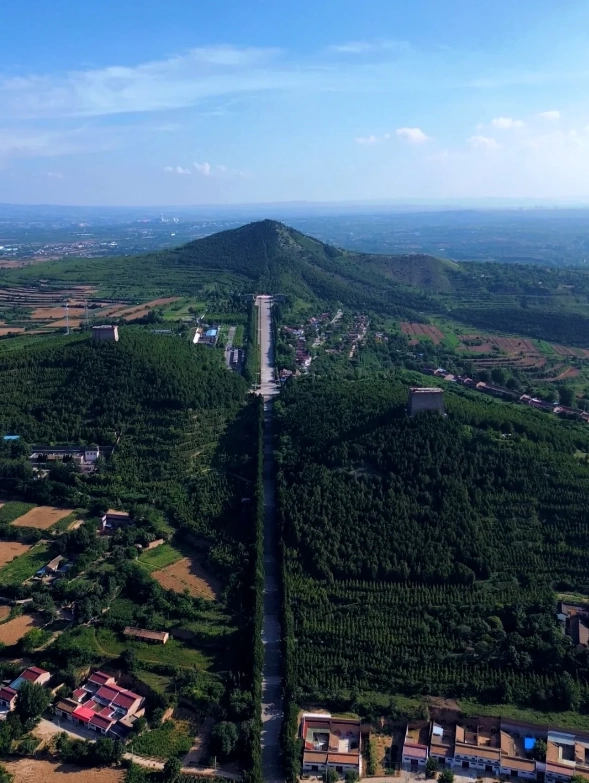
What's Inside This Guide
Why Qianling Mausoleum is Worth Your Time
You might wonder why you should travel 80 kilometers from Xi'an for a tomb you can't even enter. I had the same thought. The value isn't in a hidden chamber (it's unexcavated), but in the atmosphere and the artifacts above ground. This is one of the best-preserved Tang Dynasty imperial tombs. The scale of the site, chosen for its excellent feng shui against the backdrop of Mount Liang, is immediately impressive. But more than that, it's a monument to Wu Zetian's unprecedented reign. The stone statues lining the Spirit Way feel more expressive and less regimented than others I've seen. There's a rawness here. The accompanying tombs of Princess Yongtai, Prince Zhanghuai, and Prince Yide, which you can enter, are filled with stunning murals that offer a direct, colorful window into Tang court life. It's a two-part experience: the grand, solemn exterior of the main tomb and the intimate, artistic interior of the satellite tombs.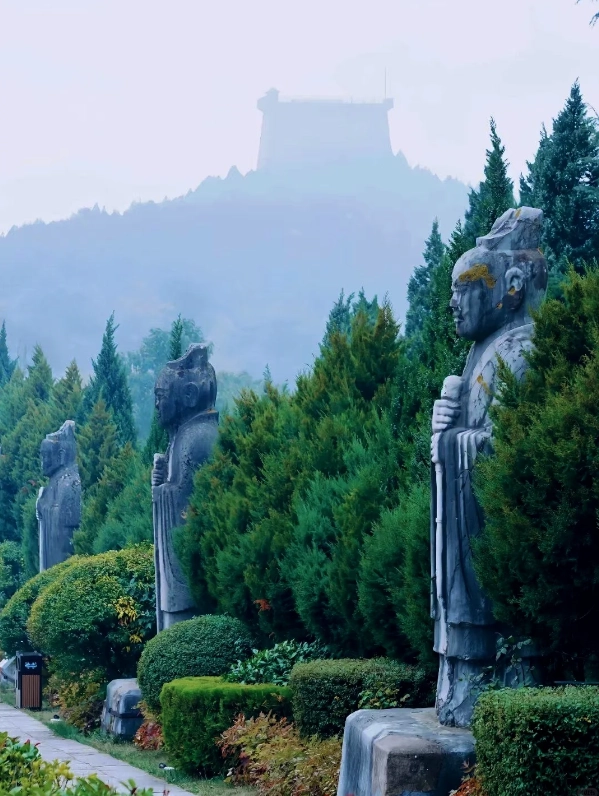
What to See at the Qianling Mausoleum Site
The site is sprawling, so wear good shoes. The main features are spread along a north-south axis.
The Spirit Way and Its Stone Statues
This is the grand approach. Walking it, you pass pairs of stone pillars, winged horses, ostriches (yes, ostriches – evidence of Tang foreign exchange), horses with grooms, and finally, officials and generals. The craftsmanship is superb. I spent a long time looking at the faces of the officials; they seem to have more individual character than the typically stoic statues at other tombs. The erosion on some adds to their dignity.
The Famous Blank Stele
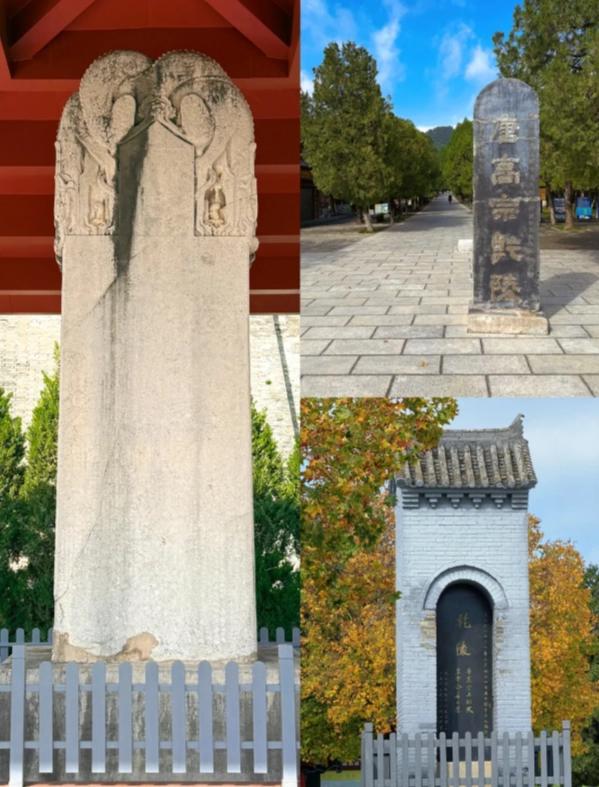
Here's the big mystery. To the east of the Spirit Way stands the Seven-Section Stele for Emperor Gaozong, covered in inscriptions. To the west is the Blank Stele for Wu Zetian. It's a single, massive stone block with no characters. Historians still debate why. Was it because her achievements were beyond words? Or was it a political compromise after her death, leaving her legacy for later generations to judge? Standing before it, the silence is powerful. You're left to form your own opinion.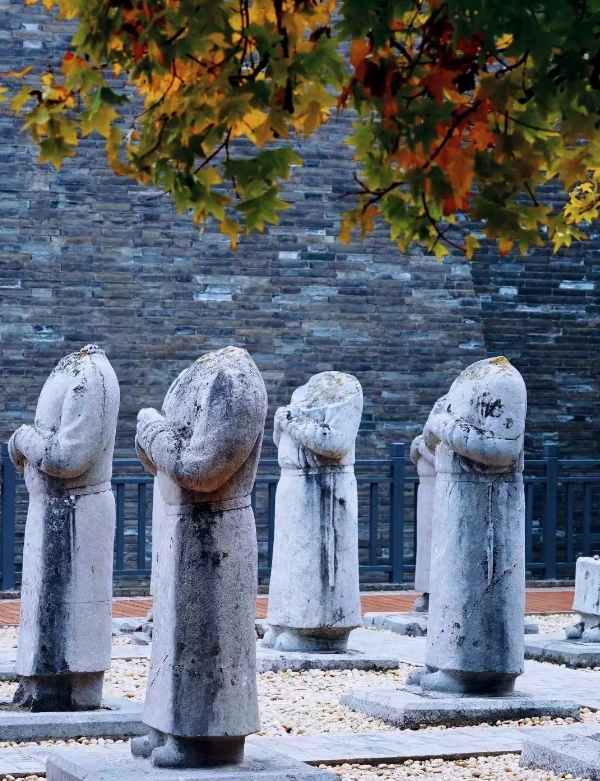
The Sixty-One Barbarian Envoy Statues
Just before the main mound, you'll find rows of headless stone statues. These are said to represent envoys from minority regions and other countries who attended Gaozong's funeral. The missing heads are likely due to centuries of looting and natural disasters. It's a strangely poignant sight, emphasizing the Tang Dynasty's vast connections and the passage of time.
The Satellite Tombs (The Must-Visit Interiors)
This is where you go inside. The tombs of Princess Yongtai, Prince Zhanghuai, and Prince Yide are located away from the main mound. Their burial chambers are accessible via long, sloping passageways. The walls are covered with exquisite murals – court ladies, polo players, hunting scenes. The colors in Princess Yongtai's tomb are particularly well-preserved. These murals aren't just art; they're social documents. I found the depiction of daily life more engaging than the grand ceremonial scenes elsewhere.
A reality check: The site is vast and involves a lot of walking, often under an open sky. The main tomb mound is just that – a large, grassy hill. The real historical "meat" is in the stone statues, the steles, and the murals in the satellite tombs. Manage your expectations accordingly.
How to Get to Qianling Mausoleum from Xi'an
This is the main practical hurdle. Qianling is in Qian County, Xianyang, not right in Xi'an.
- By Public Bus: The most economical way. Go to Xi'an's Chengxi Bus Station. Look for buses bound for Qianxian (Qian County). Tell the driver or conductor "Qianling" and they'll usually drop you at the intersection near the site. From there, it's a short taxi ride or a 15-20 minute walk to the ticket office. The bus journey takes about 1.5 to 2 hours depending on traffic. Buses leave frequently.
- By Taxi or Ride-Hailing (Didi): From central Xi'an, a one-way trip will cost roughly 250-350 RMB and take around 1 hour and 15 minutes. This is the most convenient but also the most expensive option. You can negotiate a round-trip price with a taxi driver to wait for you for 2-3 hours.
- By Organized Tour: Many tour companies in Xi'an offer half-day or full-day trips combining Qianling with the nearby Famen Temple, which houses Buddhist relics. This solves the transport problem but limits your time flexibility.
Practical Info: Tickets, Opening Hours & Address
Here’s the essential data you need to plan your trip. Note that ticket prices sometimes change, so it's wise to double-check locally.
| Item | Details |
|---|---|
| Full Ticket Price | Approximately 102 RMB (Mar-Nov), 82 RMB (Dec-Feb). This usually includes access to the main tomb area and the satellite tombs (Yongtai, Zhanghuai, Yide). |
| Opening Hours | Generally 8:00 AM to 6:00 PM (Mar-Nov), 8:30 AM to 5:30 PM (Dec-Feb). Last entry is usually one hour before closing. |
| Official Address | Qianling Mausoleum, Qian County, Xianyang City, Shaanxi Province, China. |
| Suggested Visit Duration | 2 to 3.5 hours. This gives you time to walk the Spirit Way, see the steles, and visit at least two of the three satellite tombs without rushing. |
| On-site Transport | There are electric cart services for an extra fee (around 20-30 RMB) to shuttle between the main gate, the Spirit Way, and the satellite tombs. The site is large, so consider this if you have limited mobility or time. |
When is the Best Time to Visit Qianling?
Spring (April-May) and Autumn (September-October) are ideal. The weather is mild, and the scenery around the tomb mound can be quite pleasant. Summer (June-August) can be brutally hot and sunny with little shade on the Spirit Way – bring a hat, sunscreen, and plenty of water. Winter is cold and stark, which actually matches the solemn mood of the site quite well, and you'll have fewer crowds. I visited on a weekday in late October, and it was perfect—cool air, clear skies, and only a handful of other visitors.
Avoid Chinese national holidays like Golden Week (early October) if you dislike crowds. The site is large enough to absorb people, but the satellite tombs have narrow passages that can get congested.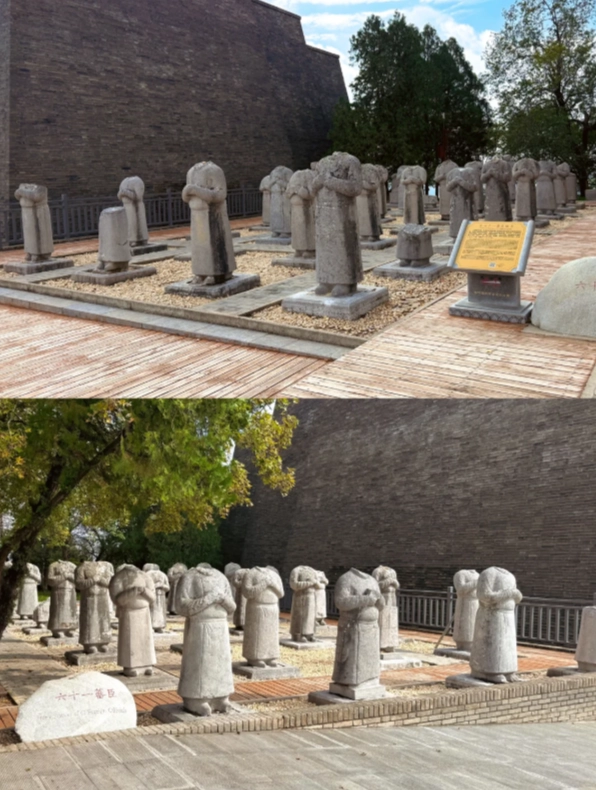
Answers to Common Qianling Mausoleum Questions
 Can you go inside the main Qianling tomb mound?
Final thought: The Qianling Mausoleum rewards a thoughtful visitor. It's not about ticking a box. It's about feeling the ambition of the Tang Dynasty and the singular figure of Wu Zetian etched into a landscape. Bring water, wear comfortable shoes, and give yourself time to just stand and look. That quiet I mentioned at the beginning – that's the takeaway.
This guide is based on personal visits and cross-referenced with information from the Shaanxi Cultural Heritage Administration's public resources.





Honestly, I was expecting more. The history behind China's only female emperor is fascinating, but the site itself feels a bit underwhelming for the entrance fee. Most of the 'tomb' is just a big grassy mound with a few stone statues scattered around—nothing like the grandeur of the nearby imperial tombs in Xi'an. The walk is long and there's very little shade, so I got pretty exhausted. The informational plaques are sparse and mostly in Chinese. If you're a die-hard history buff, you might enjoy it, but I wouldn't go out of my way.
Pretty good overall, but I left with mixed feelings. The site is undoubtedly impressive, especially the stone carvings and the main tumulus. However, I was a bit disappointed by how much of the actual tomb is off-limits—you can't go inside, so it's mostly a walk-around experience. The souvenir shops near the entrance felt a bit tacky and overpriced. The staff were friendly though, and the surrounding hills are lovely. Worth a visit if you're in the area, but manage expectations.
What a stunning place! The drive up through the countryside was already beautiful, but arriving at the mausoleum was surreal. I loved walking the Sacred Way lined with those giant stone guardians—they're so photogenic. The tomb itself is quiet and peaceful, not crowded at all when I visited on a weekday. Perfect spot for some quiet reflection. Definitely recommend going early in the morning to avoid the heat and get the best light for photos.
As a Tang dynasty enthusiast, this was a pilgrimage for me. The layout of the mausoleum is fascinating—the paired stone animals, the famous 'stele without words,' and the sense of power that still lingers. I spent over three hours here just soaking in the details. The entrance fee is reasonable for the amount of history on display. Only minor downside: some of the informational signs could use English translations for foreign visitors. Still, a five-star experience overall.
Absolutely breathtaking experience! Standing at the top of the mountain overlooking the entire mausoleum complex, I felt a real connection to history. The scale of the stone statues and the quiet grandeur of the site are unmatched. Our guide was incredibly knowledgeable, weaving in stories about Wu Zetian's life that made the visit come alive. The walk up is a bit steep, but the panoramic view at the top is 100% worth it. Bring water and wear comfortable shoes!
Getting there from Xi'an took almost two hours by bus, and the last bus back leaves at 5 PM sharp—stressful. But once I arrived, it was so peaceful. Almost no crowds, clean air, and the view from the top of the mausoleum over the surrounding farmland is stunning. The blank stele made me think about legacy. A quiet, reflective visit, if you can handle the logistics.
Honestly, I was a bit let down. The ticket price is steep (120 yuan) and once you're inside, it's basically a long walk up a hill with some statues on both sides. The tomb itself is sealed, so there's nothing to see underground. The museum section was small and poorly lit. Unless you're really passionate about Empress Wu, I'd skip it and visit the Terracotta Warriors instead.
As a Tang dynasty nerd, this place blew my mind. The stone statues of foreign envoys, the guardian beasts, and especially the two steles—one written for Li Zhi, one blank for Wu Zetian—each tells a story. Very few tourists the day I went, so I had the whole spirit way to myself for photos. Would absolutely return with a better camera.
Our guide was fantastic—she explained how the mausoleum was never looted despite centuries of attempts, and pointed out hidden carvings on the pillars. The climb up the stairs was brutal under the midday sun, though, and we brought only one bottle of water. Ended up buying overpriced drinks at the shop. Maybe go early morning or late afternoon.
Standing at the foot of Liangshan Mountain, looking up at the grand spirit way lined with stone statues, I felt an overwhelming sense of history. Wu Zetian's stele, the famous blank tablet, gave me chills—perfectly capturing her audacity. The site is huge, so wear comfy shoes, but totally worth it. If you're into ancient Chinese history, this is a must-see.