 Yan Zhou
Three hours. That’s how long my clients baked under the July sun waiting for a West Lake boat last weekend. Every guidebook sends you there first. But here’s the thing – the real Hangzhou isn't on that lake. It's tucked inside misty tea valleys, hidden behind crumbling temple walls, and served in steaming bowls at streets with no English signs. I’ve been bringing travelers here for the better part of a decade, and I’ve learned exactly which spots are worth your time – and which are pure Instagram bait. Let’s cut the crap and see the city that locals actually love.
Authentic Tea Villages Without the Tourist Traps
Longjing Village (Dragon Well) is the famous one. But it's overrun with bus tours and shops that sell you “authentic” tea for ¥500 that was picked in some factory. Skip the main square. Walk 15 minutes up the hill to the back trails. The real tea fields stretch out like green carpets, and you'll probably have them to yourself before 9 AM. I always take my guests to Meijiawu Tea Village instead – it's only 20 minutes by taxi from West Lake, but feels like another world.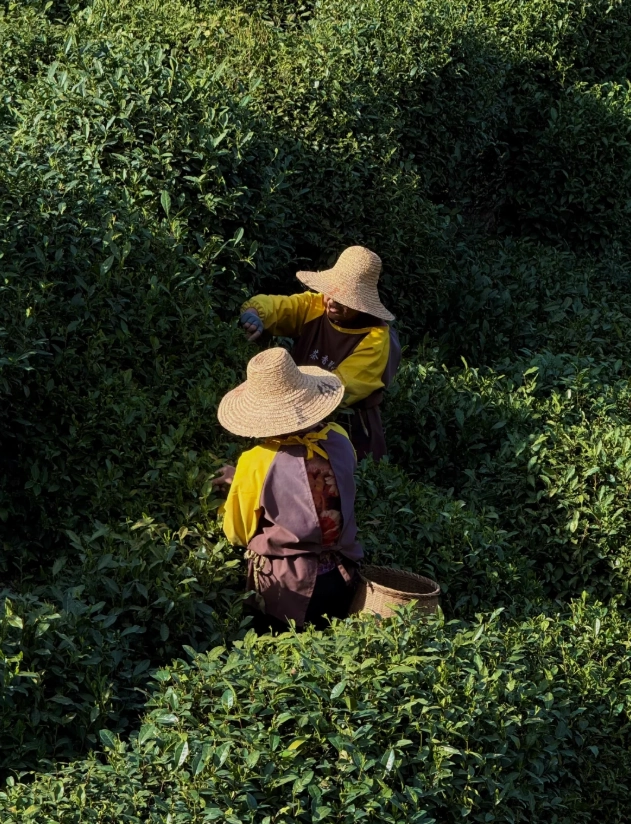
Meijiawu Tea Village:
- Address: Meijiawu Village, Xihu District (no formal street number)
- How to get there: Take taxi (about ¥30 from city center) or bus 27 to “Meijiawu” stop – then follow the small stream uphill.
- Entrance fee: Free – you pay only for tea tasting (usually ¥30–50 per cup with unlimited refills)
- Best time: 8–10 AM before tour groups arrive. The light is soft and the air smells like fresh leaves.
- Payment: Most family-run houses accept WeChat Pay/Alipay but very few take cash. Don't assume your international card works – I always carry ¥300 in cash just in case.
- Pro tip from a guide: Look for houses with drying trays of leaves in the sun – that means they actually process tea there. If it's all packaged, it's a souvenir shop in disguise.
Last spring I took a couple from Australia here. The grandmother of the house, who spoke zero English, insisted we sit and watch her stir-fry the leaves. She showed us how to tell quality from bitterness. They ended up spending two hours there and bought real Longjing at a third of the downtown price. That's the experience no guidebook can manufacture.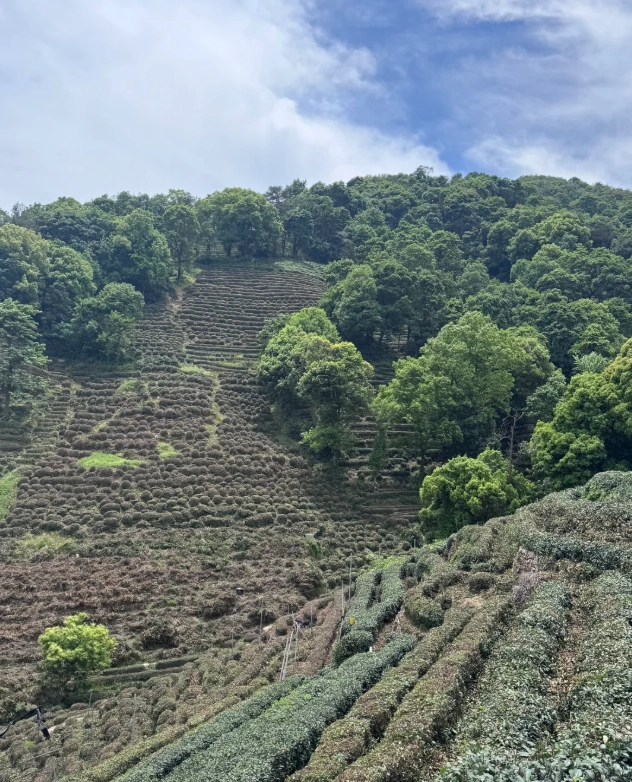
Secret Pagodas With Zero Crowds
Everyone lines up for the Leifeng Pagoda – the new one rebuilt in 2002. It's pretty, sure, but it's also a glass elevator and souvenir floor. I'd rather take you to Six Harmonies Pagoda (Liuhe Ta), a 60-meter brick tower from 970 AD. It's on the Qiantang River, away from the main tourist belt. On a weekday morning, you'll share the spiral staircase with maybe five other people.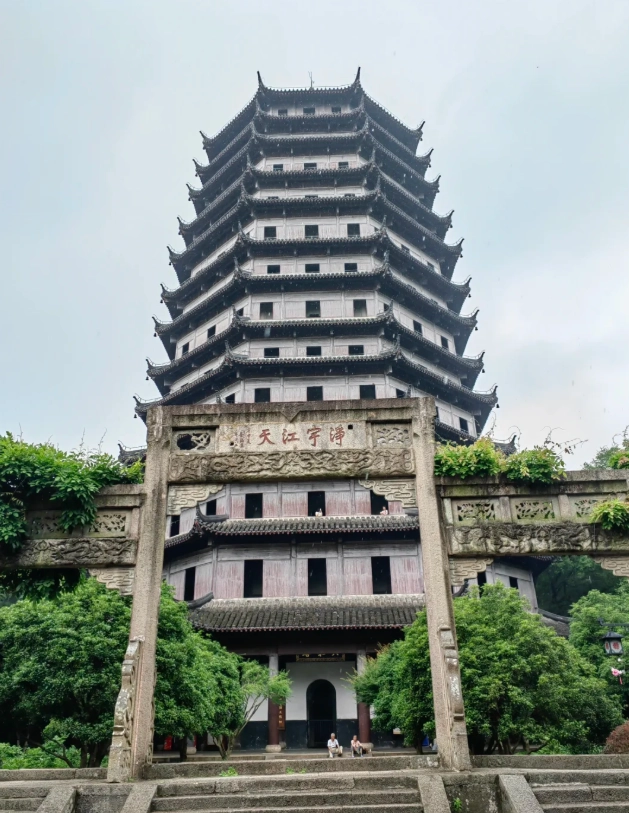
Six Harmonies Pagoda:
- Address: No. 16 Zhijiang Road, Xihu District
- Opening hours: 8 AM – 5 PM (last entry 4:30 PM)
- Ticket: ¥20 for the pagoda grounds, plus ¥10 to climb to the top (total ¥30, no discount for foreigners but seniors over 60 pay half)
- Best photo spot: Stand on the river side of the pagoda at 4 PM – the sun hits the brickwork and the river turns gold.
- How to get there: Take bus 4, 39, or 308 to “Liuhe Ta” stop; taxi about ¥50 from city center.
- Insider tip: The wooden stairs are steep and the top balcony is narrow. If you're claustrophobic, skip the climb – the grounds themselves are stunning.
Another hidden gem: the Bao Chu Pagoda sits atop Baoshi Mountain. It's free to climb the hill, and you'll get a panoramic view of West Lake without the Leifeng crowd. The path starts behind the Zhejiang Museum – look for the stone steps near the exit. Takes about 20 minutes up. I always tell my guests to bring water – there's no vendor on the trail.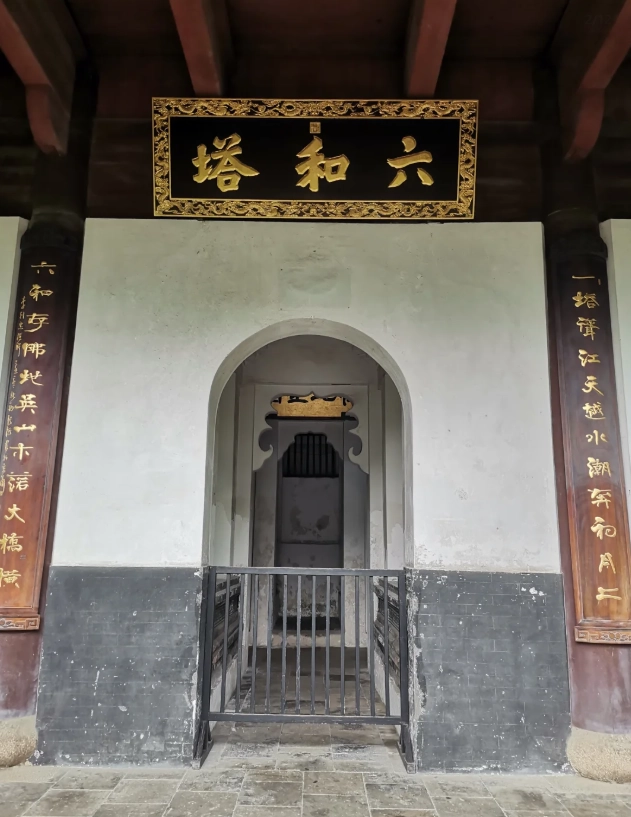
Where Locals Eat: Hidden Food Streets
I used to take people to Hefang Street for “traditional food.” Then I realized it's all deep-fried skewers aimed at tourists with no taste buds. Real Hangzhou food lives in side alleys. One street I keep going back to: Gaojiao Roadnear the Zhejiang University campus. It's a 15-minute taxi from the city center, but the vibe is unpolished and oh-so-authentic.
Must-try spot: Furong Restaurant at No. 82 Gaoyin Street – it's a hole-in-the-wall with plastic stools. Their is braised for hours in soy and rock sugar – melts on your tongue. They don't have an English menu, so I always text my guests a photo of the dishes. Order their “jiaoyan paigu” (salt and pepper pork ribs) – it crackles when you bite.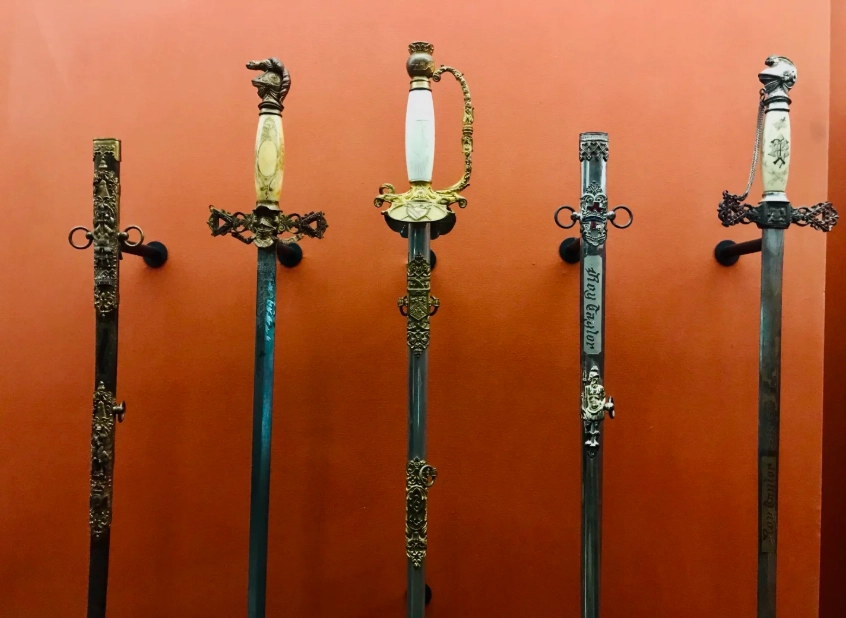
Price & practical info:
- Average per person: ¥40–60 for a full meal
- Payment: Only WeChat/Alipay – no cards, no foreign cash accepted. I once saw a German couple walk away because they couldn't pay. Ask your host to load money onto your Alipay before coming.
- Peak hours: 11:30–1 PM and 6–8 PM. Expect a 15-minute queue. Go at 5:30 PM to get a seat instantly.
- Allergies? Their dishes are heavy on soy and sugar. Not great for vegans – but they have excellent cold cucumber salad (liangban huanggua).
Another road I love: Wengjiashan Road behind the China Academy of Art. It's tiny, lined with trees, and has three family-run noodle shops that have been there for decades. Try “Niangzi Mian” (Mother's Noodle) at No. 37 – hand-pulled noodles in a pork bone broth that's been simmering since 5 AM.
Offbeat Museums That Most Travelers Miss
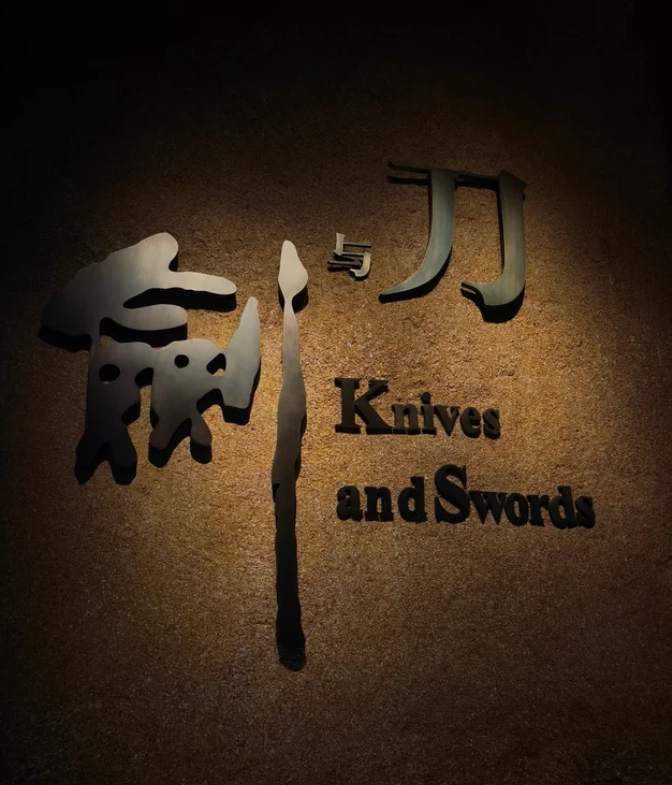
The National Silk Museum is well-known, but it's also huge and exhausting. I prefer the China Knife, Scissors and Sword Museum. Yes, that's its real name. It's in the West Lake district, but almost no foreigners go there. They have a room full of antique surgical knives from the Ming dynasty – creepy but fascinating. And the ticket is only ¥20.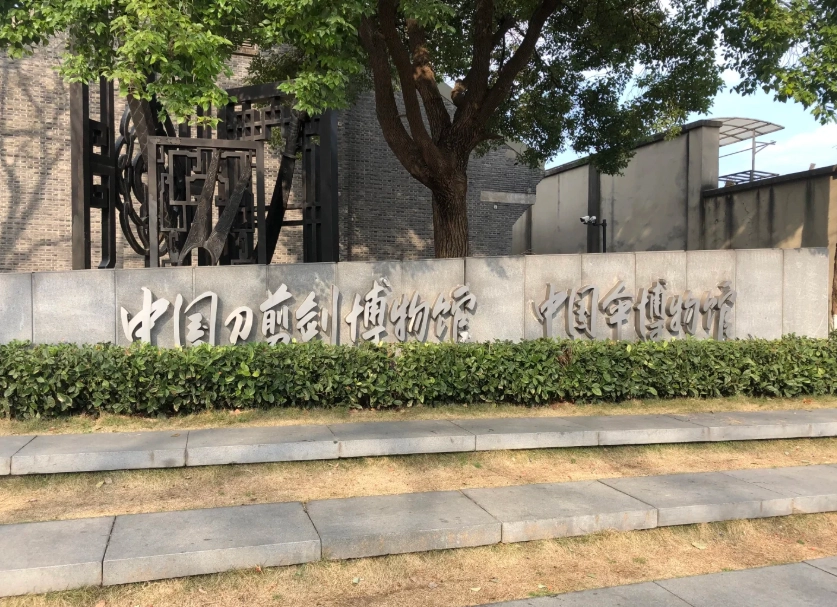
China Knife, Scissors and Sword Museum:
- Address: No. 88 Hefang Street, Shangcheng District (inside the museum complex)
- Hours: 9 AM – 4:30 PM, closed on Mondays
- Ticket: ¥20 (adult), free for children under 1.2m
- How to get there: Metro Line 1 to “Ding'an Road” exit C, walk 8 minutes north
- Why it's a hidden gem: You'll have the exhibits almost to yourself, especially on weekday afternoons. The lighting is dramatic – perfect for empty corridor shots.
Also worth a stop: the West Lake Museum (free, but small) and the Traditional Chinese Medicine Museum on Hefang Street – it's a restored pharmacy from the Qing dynasty where you can buy tea medicine and watch old men grind herbs with stone mortars.
How to Get There and Avoid Scams
Let's talk logistics. Most of these spots require a bit of navigation. Here are some no-BS tips from years of guiding.
Transportation:
- Metro is your best friend for central spots (Lines 1, 2, 4). But tea villages and pagodas often require a bus or taxi. Download Didi (Chinese Uber) in English – it works with foreign numbers in my experience. Always confirm the driver hasn't “added a toll fee” – ask them to follow the meter or use the app estimate.
- Buses: They're cheap (¥2) but routes in Chinese only. I recommend using the app “Moovit” or just showing the bus number to the driver. If you're lost, look for students – they usually speak some English.
- Renting a bike: The city has public shared bikes (Alipay required). But the hills around the tea villages are brutal – I've watched too many tourists abandon their bikes halfway up.
Payment Scams to Watch Out For:
- “Free” tea ceremonies: Scammers near Longjing Village will invite you in, serve you “free” tea, then demand ¥200 for “tasting fee.” Always agree on a price before sitting down.
- Taxi drivers taking you to “fake” attractions: They'll claim the real pagoda is closed and take you to a tea shop where they get commission. Insist on the exact address you want. If the driver argues, get out and grab another.
- Street vendors swapping goods: When buying tea or snacks, watch them pack it. I've seen merchants swap quality leaves for cheap ones after you pay.
Best Time to Visit These Hidden Gems:
- Spring (March-May) and autumn (September-November) are ideal – the weather is mild and the crowds are thinner than summer. Summer (June-August) is brutally hot and humid – go early morning or late afternoon. Winter is cold but the tea villages have a mystical fog that's gorgeous.
- Avoid Chinese public holidays (especially May Day week, National Day week in October, and Spring Festival). Everything becomes a human zoo.
Money-Saving Observation: Most hidden gems are either free or under ¥30. You'll save more by skipping overpriced West Lake boat tours (¥150 for 30 minutes) and instead spend that money on a family tea experience.
Frequently Asked Questions
Verified and fact-checked by the editorial team – I've personally visited every spot listed here in the past year.





No comments yet.