 Fang Wang
Quick Navigation
Three hours. That’s how long my clients stood in line at the South Gate last Saturday before they even touched West Lake. Sounds crazy, right? But that’s what happens when you follow the generic “3-Day Hangzhou Itinerary” you find online.
Here is the punchline: you only need 2 days to see the heart of Hangzhou — if you know where to walk, when to arrive, and which gates to avoid. I’ve been guiding small groups here for five years, and I’ve tested every permutation. Most people waste their first day figuring out the digital ticket system and the second day queuing. Let me save you that headache.
Below, I’ll lay out the exact route I take my friends on. No fluff, just the spots that deliver the real Hangzhou – ancient tea villages, quiet pagodas, and a West Lake experience that doesn’t feel like a cattle drive.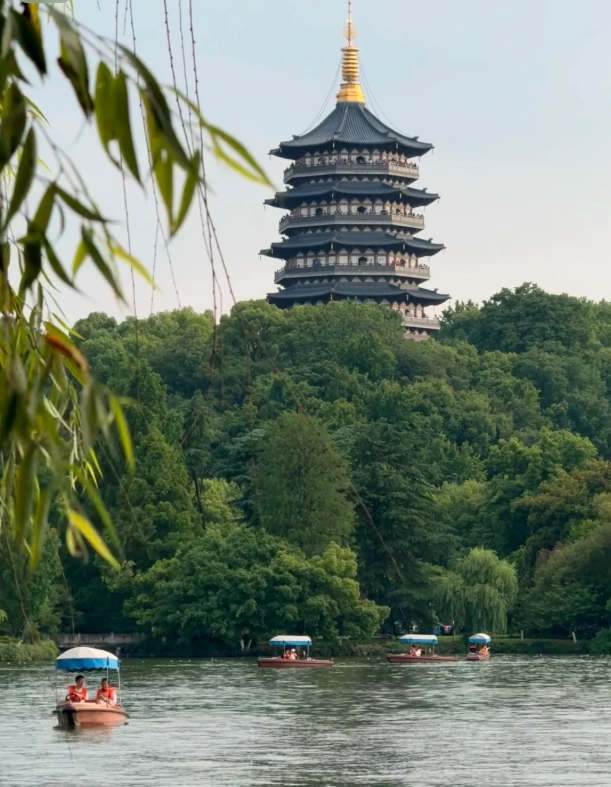
The Truth About Days: 2 Is Sweet, 3 Is Optional
If you have a full 48 hours (excluding arrival/departure), you can hit West Lake, Lingyin Temple, a tea plantation, and the historic canal district without rushing. Three days gives you buffer for a day trip to the Anhui border or Qiandao Lake, but honestly? Two days captures Hangzhou’s essence. I always tell my clients: “Day one is the lake, day two is everything else.”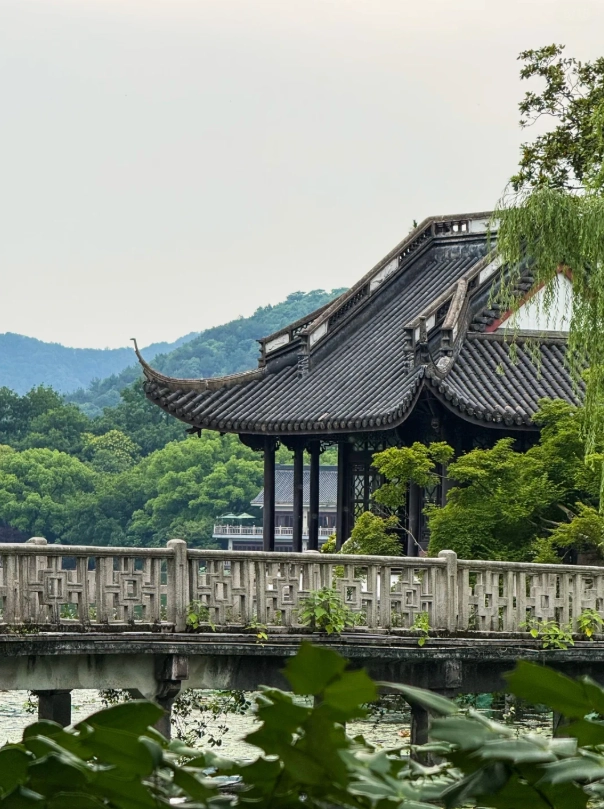
Day 1: West Lake – The Right Way
Morning: Broken Bridge & Su Causeway (7:00 AM – 10:00 AM)
Drop your taxi at Beishan Road, near the Broken Bridge. Do NOT get off at the main south gate – that’s where the tour buses unload. Walk from the bridge southward along the Su Causeway. It’s a 2.8 km raised path with willow trees and ancient stone bridges. The light is soft, the air is crisp, and you’ll have the path mostly to yourself until 9 AM.
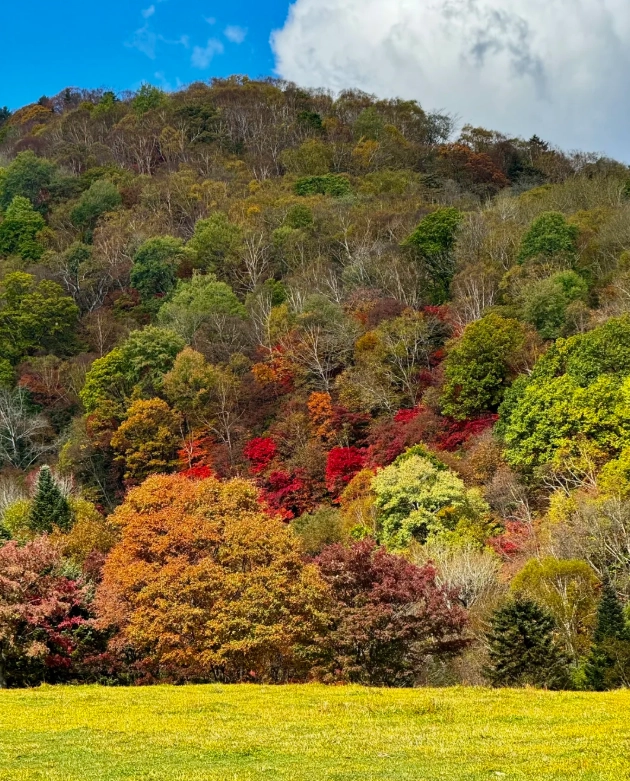
By 9:30, you’ll reach Huagang Guan Yu (Flower Harbor). This is the best spot for a photo of the lake framed by peach blossoms (or autumn leaves). Don’t stop too long – keep moving to the small Leifeng Pagoda in the distance. But here is a trick: don’t go up the pagoda. The queue takes an hour, and the view from the base is just as good. Instead, hop on a public ferry from the South Gate Pier (no reservation needed, 55 RMB) to Little Yingzhou Island. The island has those iconic “one lake, three pagodas” photo ops. The ferry runs every 20 minutes.
Afternoon: Tea Village & Hidden Temple (1:00 PM – 4:30 PM)
After a quick lunch (more on that later), take a 15-minute taxi (25 RMB) to Longjing Village (Dragon Well). Skip the touristy tea museum on the main road. Instead, walk up the stone path behind the village to Longjing Temple – it’s free, and there’s a 500-year-old tea tree in the courtyard. The old ladies in the village will wave you into their homes for a tea tasting. Go ahead, they’re friendly, and a small cup of Longjing costs 10–20 RMB. But don’t buy the tea unless you’re prepared to haggle. I once paid 200 RMB for a tin that was worth 50.
From the village, walk 20 minutes downhill to Fajing Temple – a quiet Song Dynasty temple surrounded by bamboo. Very few tourists go here. Entrance is free, and the vegetarian noodles in the temple canteen (15 RMB) are surprisingly good. This is my secret escape when I need a break from the crowds.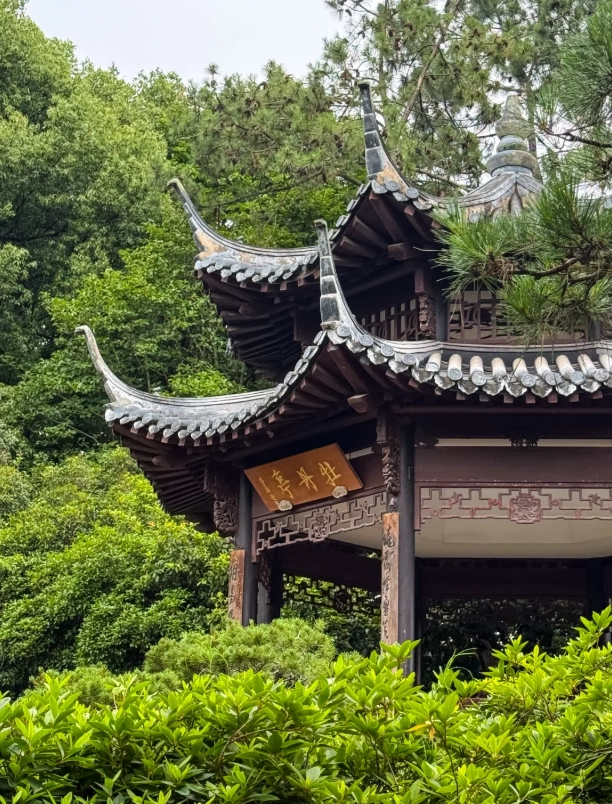
Evening: Hefang Street (Skip the Food)
Around 5 PM, taxi to Hefang Street. It’s a restored ancient shopping street. Great for watching calligraphy artists and buying quirky souvenirs. But the food here? Lousy. Overpriced, reheated, and targeted at tourists. I always tell my groups: “Walk through for the vibe, eat dinner elsewhere.” More on that in the food section.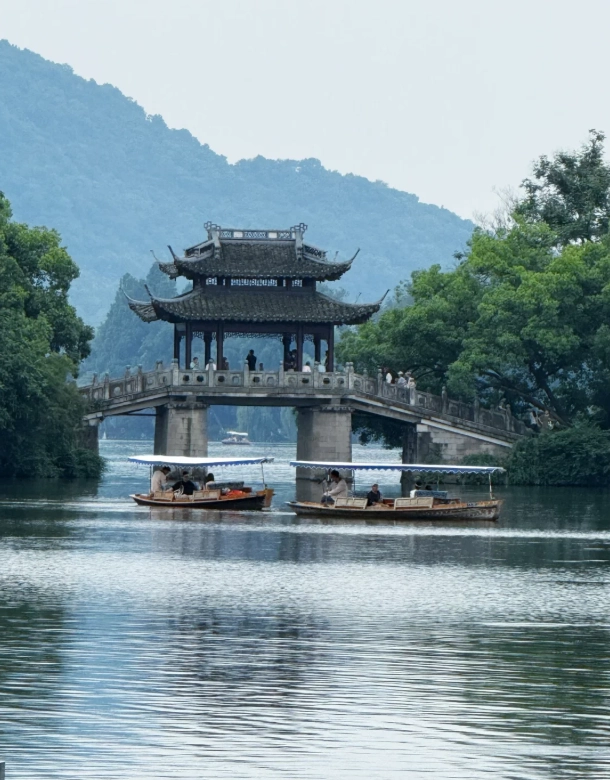
Day 2: Beyond the Lake – Lingyin, Tea, and the Canal
Morning: Lingyin Temple (6:30 AM – 9:30 AM)
Lingyin Temple opens at 6:30 AM, and that’s when you need to be at the east gate. Why so early? Because by 8:30, tour groups flood the main hall. The temple complex includes Feilai Feng (the carved cliff) and the huge golden Buddha. Combined ticket is 75 RMB. I always buy the combo online via Trip.com the night before – scanning your phone at the gate saves 20 minutes.
The highlight for me is the Hall of the 500 Arhats – a massive wooden building with larger-than-life statues. The incense smoke in the morning light creates an almost spiritual haze. Spend an hour, then walk up the 300 steps to the top of Feilai Feng for a view of the entire temple roof. It’s worth the sweat.
Afternoon: Longjing Tea Plantations (1:00 PM – 3:30 PM)
From Lingyin, take bus 103 (4 stops, 15 minutes) to Longjing Tea Farm area. This is different from the village – it’s a vast terrace of tea bushes on rolling hills. The “official” scenic area is free. Walk to the Shifeng viewpoint terrace. I bring a small thermos and sit on the steps for 20 minutes. It’s dead quiet. If you want to see tea being processed, visit the Longjing Tea Museum just down the hill – free entry, and there’s a short video in English.
One trap: vendors offering “free” tea and then pressuring you to buy a 500 RMB box. Smile, say “thank you, just looking,” and walk away. The real tea shops on the main street are more honest.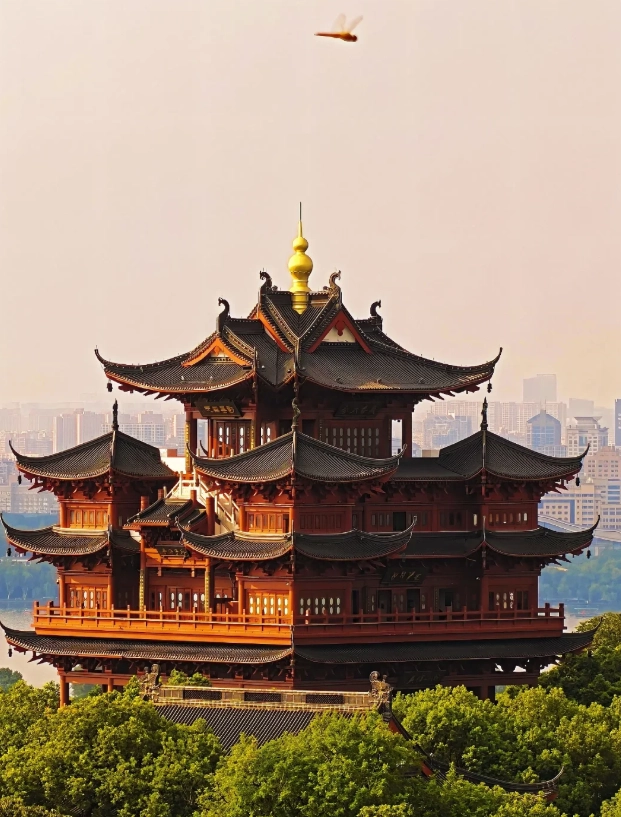
Evening: Night Cruise on the Grand Canal (7:00 PM – 9:00 PM)
Most people skip this, but the Beijing-Hangzhou Grand Canal is a UNESCO site. I book a night cruise from Wulinmen Dock (online via Klook, 100 RMB). The boat is glass-topped, and you float past illuminated ancient bridges and modern art museums. It’s peaceful and romantic. The cruise lasts one hour, and you can walk along the canal path afterward for a nightcap.
Where to Stay: My Recommendations
| Area | Hotel Example | Price Range (night) | Best For |
|---|---|---|---|
| Near West Lake (South) | Four Seasons Hangzhou | $250–$400 | Luxury, walking distance to lake |
| Near West Lake (North) | Liyu Garden Boutique Hotel | $90–$150 | Boutique vibe, quiet alleys |
| City Center (Wulin) | Holiday Inn Hangzhou | $70–$110 | Convenient, metro access |
| Budget (Hubin) | Pod Inn Hangzhou | $20–$35 | Backpackers, social hostel |
Personal pick: I usually book Liyu Garden when I’m with friends. The rooms have wooden windows and a small courtyard. The front desk speaks some English, but the wifi is a bit spotty (pay for the upgraded speed). Location is perfect: 5-minute walk to the lake’s Broken Bridge, and there’s a 24-hour convenience store next door.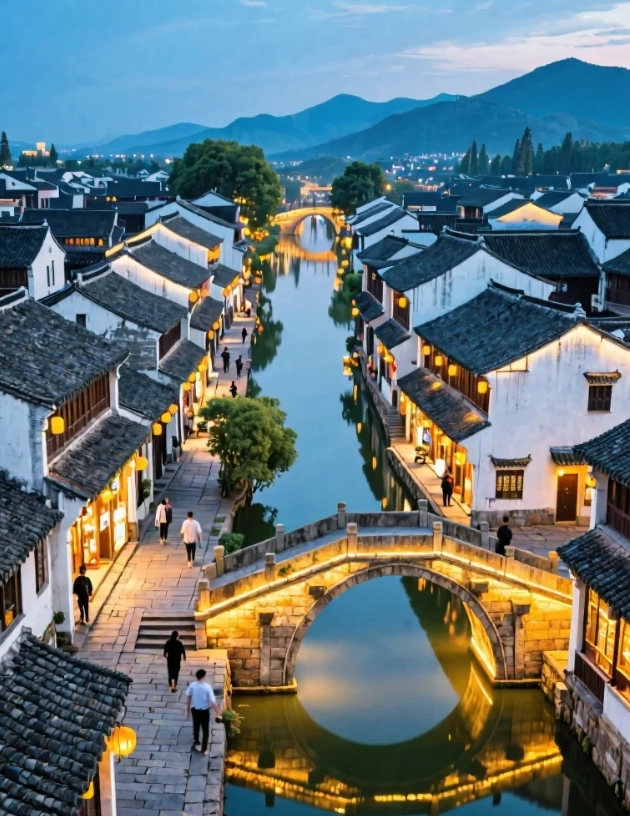
What to Eat: Real Hangzhou Food (Not Tourist Traps)
Skip the fancy restaurant at Hefang Street. Here are three places I bring every group:
- Lou Wai Lou (Building 1, Solitary Hill) – The original Hangzhou restaurant. Order Dongpo Pork (braised pork belly, sweet and sticky) and West Lake Fish in Vinegar Gravy. It’s not cheap (about 150 RMB per person), but each dish is a classic. The view of West Lake from the terrace is priceless. Go at 11:30 AM to avoid the rush; evening wait can be 45 minutes. They accept Visa and Alipay.
- Xin Bai Lu Noodle Shop (No. 17 Qingtai Street) – A hole-in-the-wall that has been running for 20 years. Their Pian Er Chuan (sliced noodle soup) is my go-to lunch: 18 RMB, chewy noodles, savory broth with pickled mustard greens. No English menu – just point at the photo. Cash only. I always tell clients: “This is where locals eat. Don’t judge by the plastic stools.”
- Gao Yin Tea House (inside Longjing Village) – Not actually a restaurant, but they serve simple tea-soaked rice (10 RMB) and fried tea leaves (15 RMB). The owner is a 70-year-old grandma who speaks no English but will insist you try her homemade pickles. Perfect for a light afternoon snack.
Desert: Try the Osmanthus Lotus Root from a street vendor near West Lake. Sweet, sticky, and refreshing. Look for a cart that’s actually steaming – not the pre-wrapped ones.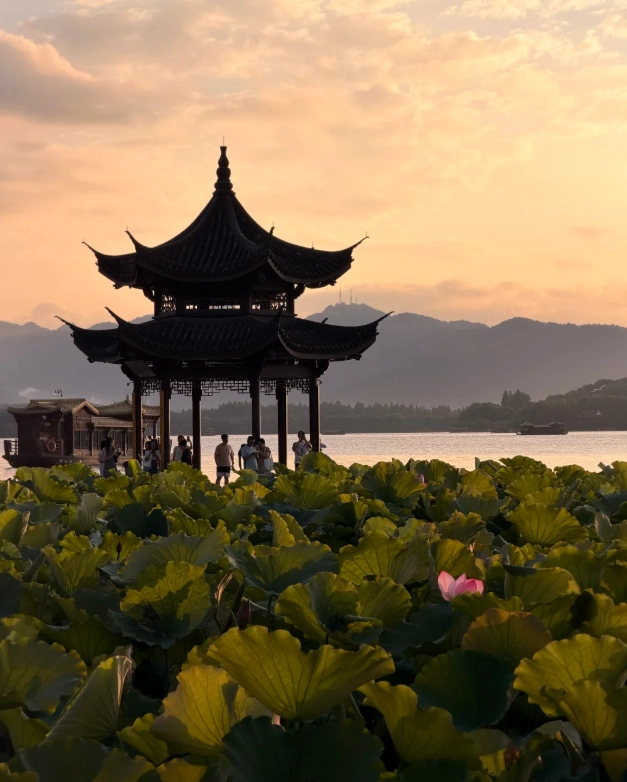
FAQ: How Many Days in Hangzhou for Different Travelers?
Verified and fact-checked by the editorial team.






No comments yet.