 Yan Zhou
Jump to What Matters
- Why the Bullet Train is Your Best Bet
- Step-by-Step: Booking Your Tickets Online
- Shanghai Stations: Hongqiao vs. Shanghai
- Hangzhou Stations: East vs. West – Which One for You?
- On the Train: Seats, Snacks, and Scenery
- The Last Mile: Getting to West Lake from Hangzhou Station
- A Perfect Day Trip Itinerary from Shanghai
- Pitfalls to Dodge: Common Tourist Mistakes
- Your Questions Answered
Hey there! I've been guiding tours across China for over ten years, and if there's one journey I recommend to every visitor, it's the high-speed train from Shanghai to Hangzhou. It's fast, it's smooth, and it gets you right into the heart of paradise. But let's be real – I've seen too many travelers fumble with tickets, end up at the wrong station, or waste precious time. So, pull up a chair, and let me walk you through this like I would my own tour group. By the end, you'll be booking and riding like a local.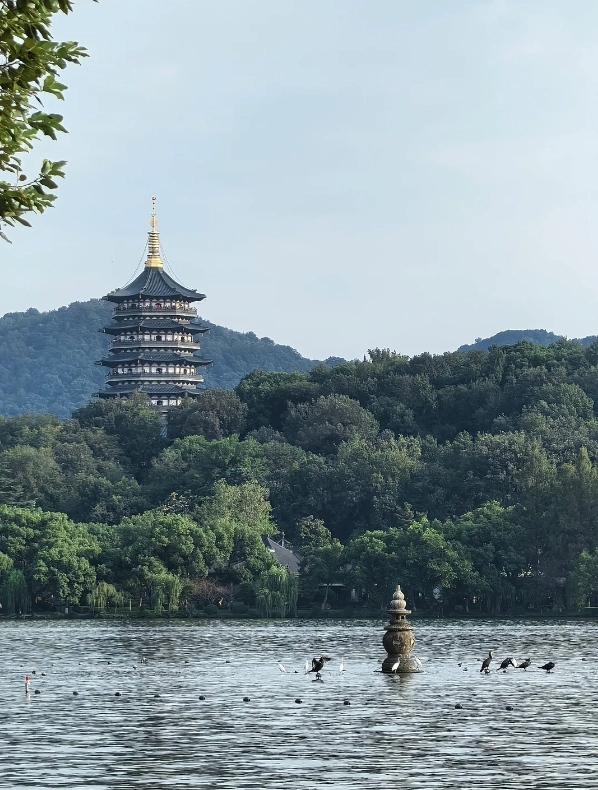
Why the Bullet Train is Your Best Bet
First things first: why take the train? The distance is about 180 kilometers. Driving? That's a solid three hours if traffic's kind, and let me tell you, around Shanghai, traffic is rarely kind. The high-speed train? Forty-five to sixty minutes. I've timed it myself on countless trips – from Shanghai Hongqiao to Hangzhou East, it's often under an hour. You skip airport hassles: no two-hour early arrival, no shoe removal at security. Show up 30 minutes before departure, and you're golden. These trains are punctual; in my decade of riding, I've never seen one delayed more than five minutes. And the view? As you zip along at 300 km/h, you'll catch glimpses of rural China – rice paddies, winding rivers, small villages – that you'd totally miss from a plane window. It's a serene transition from Shanghai's concrete jungle to Hangzhou's lush landscapes.
Step-by-Step: Booking Your Tickets Online
Booking tickets is where most tourists trip up. They think, "Oh, I'll just buy at the station." Sure, you can, but during peak times – weekends, holidays – trains sell out fast. I once had a family from Canada who showed up at Shanghai Hongqiao on a Saturday morning, hoping for a ticket to Hangzhou. The next available train was four hours later. They spent half their day in a station cafe instead of by West Lake.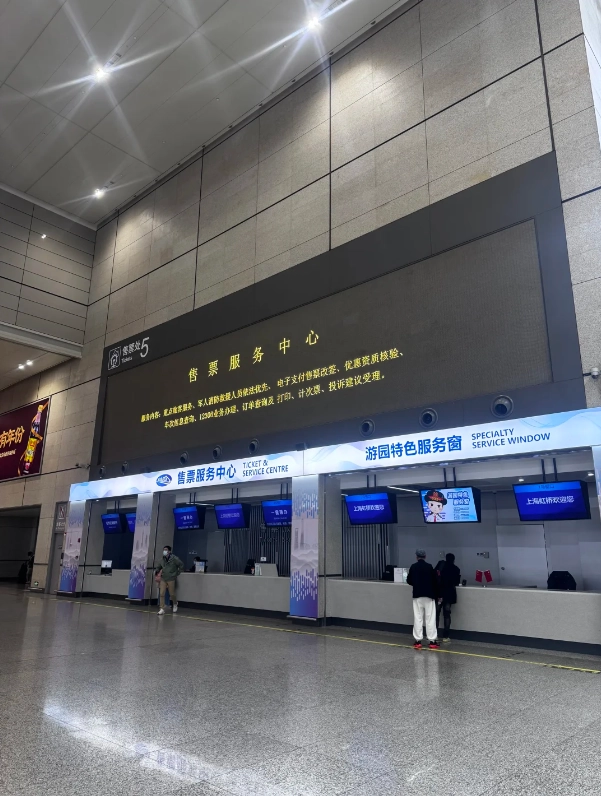
Here's how to do it right, the way I do for my groups:
- Use the Right Platform: The official China Railway site is 12306.cn. It has an English version, but it's clunky and often rejects international cards. My go-to is Trip.com or Ctrip – they're built for foreigners, accept Visa and Mastercard, and have customer service in English. I've booked hundreds of tickets through them without a hitch.
- Timing is Everything: Tickets go on sale 30 days in advance. For popular slots, like a 9 AM departure on a Saturday, book as soon as that window opens. If you're flexible, mid-week trains (Tuesday to Thursday) are less crowded and sometimes cheaper.
- Picking Your Seat: You'll see options: Second Class, First Class, Business Class. For 99% of travelers, Second Class is perfect – it's clean, comfy, and costs around 75 RMB (about $10 USD). First Class gives you wider seats and more legroom for about 120 RMB. Business Class? Only if you're expensing it to your company. I always book Second Class for my budget-conscious groups, and no one's ever complained.
- Payment Smarts: On Trip.com, use your international credit card. On 12306, you might need a Chinese bank card, so stick to third-party sites. After payment, you'll get an e-ticket via email or in the app. Save it on your phone – you'll scan the QR code at the gate. No printing needed.
Pro tip: Download the Trip.com app before you travel. It lets you store tickets offline, and you can even use it to book last-minute if plans change.
Shanghai Stations: Hongqiao vs. Shanghai
This is a classic mix-up. Shanghai has two main stations for high-speed trains to Hangzhou: Shanghai Hongqiao Railway Station and Shanghai Railway Station (often called Shanghai Zhan).
- Shanghai Hongqiao (Hongqiao Zhan): This is the hub for high-speed trains. It's massive, modern, and connected to Hongqiao Airport. If you're staying in Pudong, Jing'an, or anywhere along Metro Line 2 or 10, take those lines to Hongqiao Railway Station. Exit signs are in English – look for "Railway Station" pointers. From here, most trains to Hangzhou depart, and the journey is typically faster (45-50 minutes). The station has plenty of food options, but I always grab a coffee from Starbucks near Gate 1 before boarding.
- Shanghai Railway Station (Shanghai Zhan): Older, more central (near People's Square), but fewer high-speed trains. It's convenient if your hotel is right there, but trains from here might take closer to 60 minutes. I usually steer my groups to Hongqiao for efficiency. Once, a client insisted on Shanghai Station because it was closer to their hotel, but their train was delayed due to older infrastructure – we missed our Hangzhou lunch reservation.
Check your ticket like it's gold – it will clearly state the departure station. I've seen people sprint between stations, but with luggage, that's a nightmare.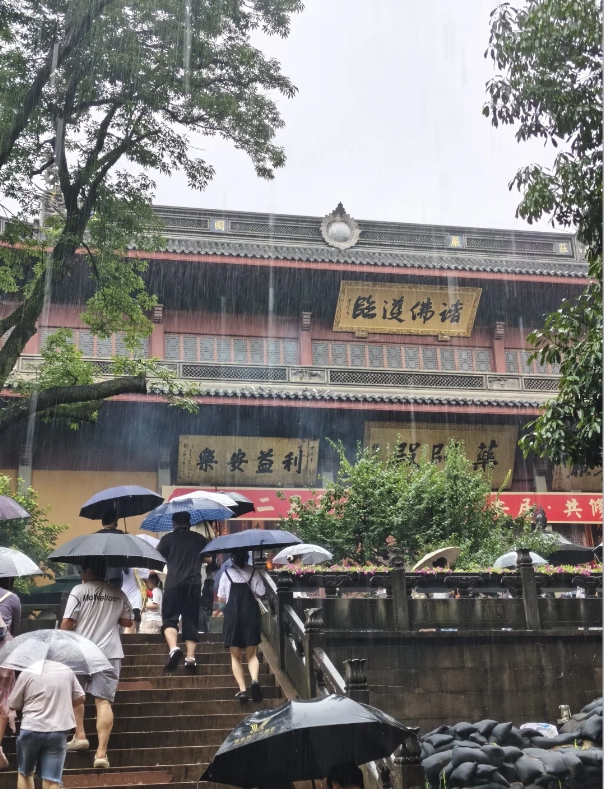
Hangzhou Stations: East vs. West – Which One for You?
In Hangzhou, you'll arrive at either Hangzhou East Railway Station (Hangzhoudong Zhan) or Hangzhou Railway Station (Hangzhou Zhan). Here's the lowdown:
- Hangzhou East (Hangzhoudong): The main high-speed station. It's huge, sleek, and about 8 kilometers from West Lake. Don't let the distance scare you – it's well-connected by metro. Take Line 1 or 4 to get downtown. The station has everything: food courts (try the local noodle shops), convenience stores, and taxi queues. But it can feel overwhelming; my first time there, I got lost for 10 minutes looking for the metro entrance. Follow the green signs for "Metro Line 1".
- Hangzhou Station (Hangzhou Zhan): Older, smaller, and much closer to West Lake – just 3 kilometers away. Some high-speed trains stop here, but not all. If your train goes here, it's a win for proximity. The station is simpler, with fewer amenities, but you can walk out and grab a taxi straight to the lake in under 10 minutes.
My advice: If you're heading directly to West Lake, aim for Hangzhou Station. But since most trains go to East Station, plan your exit. From East Station, a taxi to West Lake costs 30-40 RMB and takes 20 minutes in light traffic. Or, take Metro Line 1 to Longxiangqiao Station – that's the closest stop to the lake. Exit C, walk 10 minutes north, and you'll hit the southern shore. I always do this with my groups; it's cheap and avoids traffic.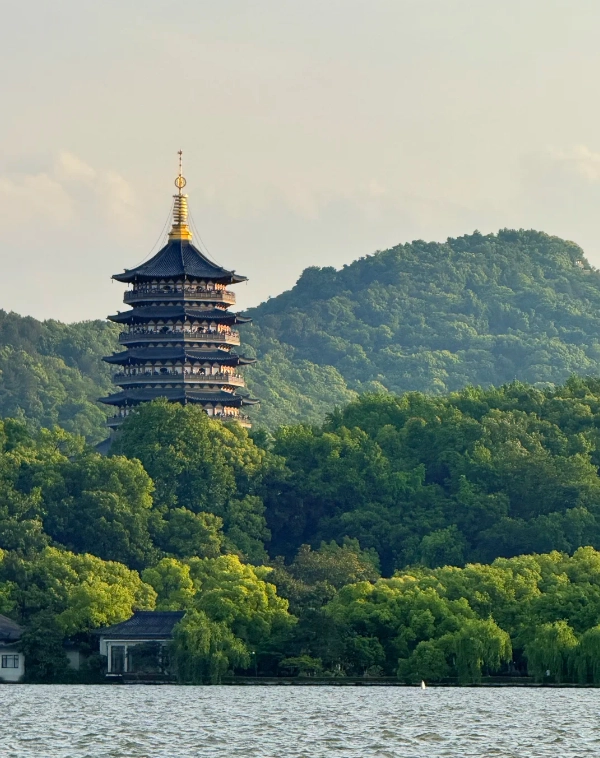
On the Train: Seats, Snacks, and Scenery
Once you're onboard, relax. These trains are spotless – I've never seen a dirty cabin. Seats recline gently, there's overhead space for luggage (even big suitcases fit), and each row has power outlets under the seats. I tell my clients: plug in your phone during the ride; you'll need it for navigation in Hangzhou.
A snack cart rolls through, selling bottled water (5 RMB), instant noodles (15 RMB), and packaged snacks like chips. Prices are fair, but I recommend bringing your own water and maybe an apple or some nuts. The dining car offers hot meals – think rice with chicken or beef – for around 40 RMB, but they're basic. On a recent trip with a family from the UK, we brought sandwiches from Shanghai, and it was perfect.
Now, the scenery. Sit on the right side if you're traveling from Shanghai to Hangzhou. You'll get better views of the countryside – little farms, canals, and occasional temples. I've watched tourists bury themselves in phones, but trust me, look out the window. It's a peaceful, rolling slideshow of rural life. Around the 40-minute mark, you'll start seeing the outskirts of Hangzhou, with hills in the distance. That's when you know you're almost there.
The Last Mile: Getting to West Lake from Hangzhou Station
You've arrived. Now, how to reach West Lake? If you're at Hangzhou East, here's your game plan:
- By Metro: Take Line 1 (the red line) to Longxiangqiao Station. It's 4 stops, costs 4 RMB, and takes 15 minutes. Exit C, and you'll be on Nanshan Road. Walk north for 10 minutes – you'll pass cafes and shops – and suddenly, the lake opens up before you. It's a lovely approach.
- By Taxi: Head to the taxi queue outside the station's south exit. It's orderly, but during rush hour (4-6 PM), the line can be 20 minutes long. A ride to West Lake should be 30-40 RMB. Insist on the meter; some drivers might quote a flat fee, but the meter is fairer.
- By Bus: There are buses like the 28, but for tourists, the metro is simpler. Buses can be crowded, and without Chinese, it's easy to miss your stop.
If you're at Hangzhou Station, you're lucky – you're close. Walk out the main entrance, and you can take bus Y2 (a tourist bus) directly to the lake, or a taxi for about 15 RMB. I often just walk with my groups; it's a 30-minute stroll through local streets, and you can stop for a steamed bun along the way.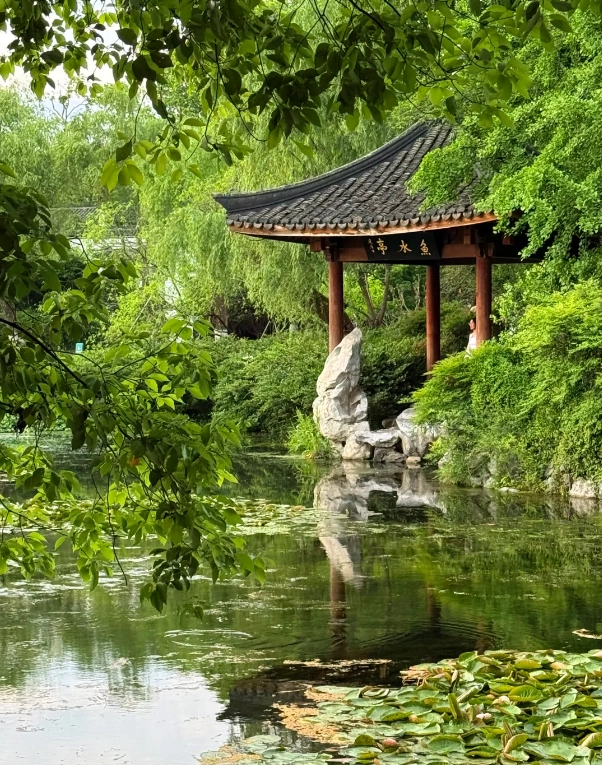
A Perfect Day Trip Itinerary from Shanghai
Got only 24 hours? Here's how I'd structure it for a client who wants to maximize every minute. I've run this itinerary dozens of times, and it works like a charm.
- 7:00 AM: Depart from Shanghai Hongqiao. Book the 7:30 AM train – it's early, but you'll beat the crowds. The station is quiet at this hour; I usually grab a coffee from the kiosk near Gate 3.
- 8:15 AM: Arrive at Hangzhou East. Take Metro Line 1 to Longxiangqiao. By 8:45 AM, you're at West Lake.
- 9:00 AM: Start at Broken Bridge (Duanqiao). It's iconic and less crowded in the morning. Stroll along the Bai Causeway – the views are stunning. Rent a bike from a dock (use the Hello Bike app; scan the QR code, it's 2 RMB per hour). Cycle halfway around the lake; it's flat and easy.
- 11:00 AM: Take a boat to Three Pools Mirroring the Moon (San Tan Yin Yue). Boat tickets are 55 RMB per person for a 20-minute ride. It's worth it – you get on-the-water perspectives. Book on-site; no need to pre-book.
- 12:30 PM: Lunch at Louwailou Restaurant near Solitary Hill. It's famous for Dongpo Pork (braised pork belly, slightly sweet) and West Lake Vinegar Fish. Expect to pay 100-150 RMB per person. It gets busy, but if you arrive before 12:30, you'll get a table. I always call ahead for my groups; they don't take reservations for small parties, but it's worth a try.
- 2:00 PM: Visit Leifeng Pagoda. Entrance is 40 RMB. Take the elevator to the top – the view over the lake is breathtaking. Avoid weekends; it's packed. On a Tuesday, you'll have space to breathe.
- 3:30 PM: Explore Hefang Street. It's a touristy pedestrian street, but fun for souvenirs like silk scarves or tea. Try some local snacks – I recommend the sticky rice cakes from a stall near the entrance.
- 5:00 PM: Catch a train back to Shanghai. Book a return for around 5:30 PM – you'll be back in Shanghai by 6:30 PM. I like the 5:45 PM departure; it gives you time to relax at Hangzhou East with a tea before boarding.
This is tight but doable. If you're tired, skip Leifeng Pagoda and just lounge by the lake. I once had a couple from Australia who did just that – they found a bench, people-watched, and said it was their best day in China.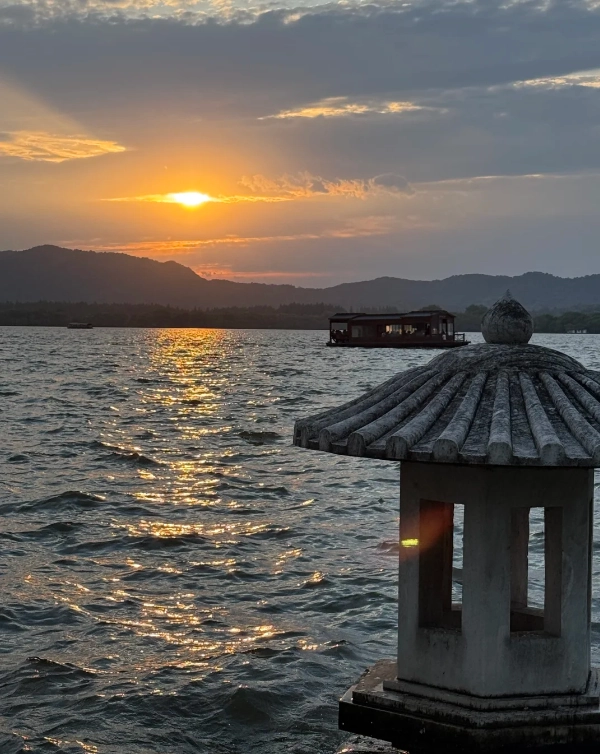
Pitfalls to Dodge: Common Tourist Mistakes
From my decade on the ground, here are the blunders I see over and over:
- Station Confusion: Hongqiao vs. Shanghai, East vs. West – always double-check your ticket. I had a client who went to Shanghai Station when their train was from Hongqiao; they missed it and had to buy a new ticket for 120 RMB. Ouch.
- Last-Minute Booking: Don't assume tickets are plentiful. For a Saturday trip, book at least three days ahead. I use Trip.com's alert feature to notify me when tickets are released.
- Overpacking for a Day Trip: The train has luggage space, but if you bring a massive suitcase, it's awkward in the aisles. For a day trip, a small backpack is ideal. I've seen tourists struggle with roller bags on crowded metro connections – not fun.
- Missing the Gate Close: Gates close 5 minutes before departure. Arrive at the station at least 30 minutes early to account for security (which is quick but mandatory) and finding your gate. I aim for 45 minutes early with groups, just to be safe.
- Relying Solely on Cards: Mobile pay like Alipay is king, but have some RMB cash. Taxis might not accept cards, and small vendors at West Lake only take cash or Chinese apps. Withdraw 200-300 RMB from an ATM at the station – there are usually ICBC or Bank of China ATMs that work with foreign cards.
Your Questions Answered
There you have it – everything I've learned from guiding countless travelers on this route. The key is planning ahead, staying flexible, and enjoying the ride. If you follow these tips, you'll glide from Shanghai to Hangzhou like a pro. Have an amazing trip, and if you spot me on the train (I'm the guy with a cap and a smile), say hi!
This article is based on my personal experiences guiding tours in China. Details are accurate as of my last visits, but always double-check on official sites like Trip.com for any updates.





No comments yet.