 Ming Yang
Your Quick Navigation Map
- How to Get to Dujiangyan from Chengdu
- Ticket Prices, Opening Hours, and What to Expect
- The Must-See Spots Inside the Irrigation System
- A Sample One-Day Itinerary for Dujiangyan
- Local Tips and Hidden Gems Most Tourists Miss
- Where to Eat Near Dujiangyan: My Personal Picks
- Accommodation Options: From Budget to Luxury
- Frequently Asked Questions (FAQs)
Hey there, I'm your guide—call me Leo. I've been leading tours across China for over a decade, and let me tell you, the Dujiangyan Irrigation System isn't just another historical site. It's a living piece of engineering genius that's been watering Sichuan's fields for 2,300 years. Most tourists rush through it, but if you know how to visit, you'll walk away amazed. I've taken countless groups here, from families with kids to solo adventurers, and I've seen all the mistakes. In this guide, I'll share everything I've learned, so you can skip the headaches and dive straight into the wonder.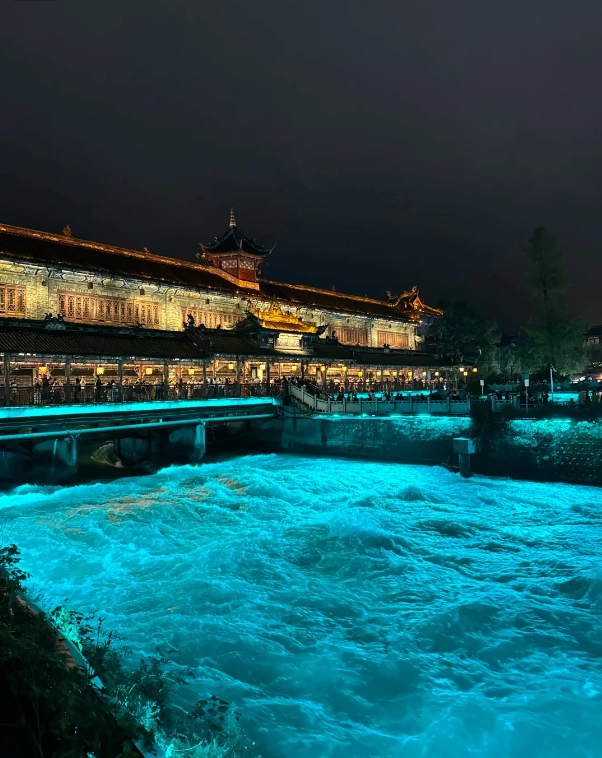
How to Get to Dujiangyan from Chengdu
Getting to Dujiangyan is easier than you think, but pick the wrong option and you'll waste half your day. Chengdu is the gateway, and here's how I recommend doing it.
By High-Speed Train: The Fastest Option
Take the high-speed train from Chengdu North Railway Station. It's a 30-minute ride, costing around 15 RMB (about $2) for a second-class seat. Trains run every 20-30 minutes from 6:30 AM to 10:00 PM. Book tickets on Trip.com or at the station—I always use my phone app to avoid queues. Once you arrive at Dujiangyan Station, exit and catch bus #4 or #9 directly to the scenic area entrance. The bus takes 20 minutes and costs 2 RMB. Pro tip: If you're with a group of three or more, grab a taxi from the station; it's about 20 RMB and saves time.
By Bus or Private Car: Flexibility with Trade-offs
Buses depart from Chadianzi Bus Station in Chengdu, taking about 90 minutes and costing 25 RMB. They're cheaper but slower, and traffic can be a nightmare during weekends. I once had a family miss their train because of a bus delay—stick to the train. For private cars, hire a driver through your hotel or a service like Didi. It'll cost 300-400 RMB round-trip from Chengdu, but you can stop at nearby spots like Qingcheng Mountain. If you drive yourself, note that parking near the irrigation system fills up by 10 AM, especially in peak season (March to November).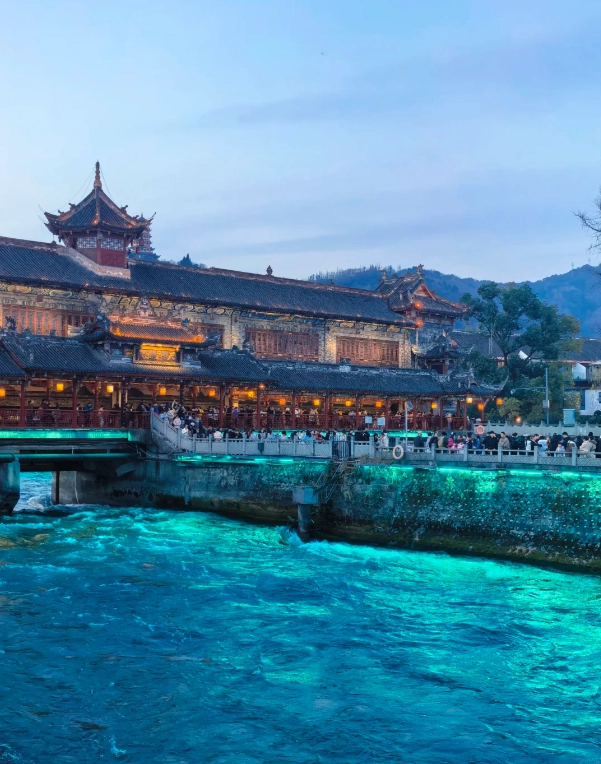
Ticket Prices, Opening Hours, and What to Expect
Here's the nitty-gritty on tickets and timing. I've seen tourists show up at the wrong gate or pay extra for nothing, so listen up.
| Item | Details |
|---|---|
| Full Address | Dujiangyan Irrigation System Scenic Area, Dujiangyan City, Chengdu, Sichuan Province, China. The main entrance is on Minjiang Road. |
| Ticket Price (Adult) | 90 RMB (about $12.50) for the core irrigation area. Children under 1.2 meters tall are free; those 1.2-1.5 meters pay 45 RMB. Seniors over 70 with ID get free entry. |
| Opening Hours | 8:00 AM to 6:00 PM daily (last entry at 5:00 PM). In winter (December to February), it sometimes closes at 5:30 PM—check the official Dujiangyan scenic area website for updates. |
| Best Time to Visit | Weekdays, especially Tuesday to Thursday. Avoid Chinese holidays like Golden Week—I once guided a group through shoulder-to-shoulder crowds, and it was miserable. Morning visits (8:00 AM to 11:00 AM) are cooler and less crowded. |
| Getting from Entrance to Sites |
After buying tickets, you'll walk across the Anlan Bridge—a cable bridge that sways a bit, so hold on if you're uneasy with heights. The path is well-marked, but grab a free map at the entrance; it highlights key spots like the Fish Mouth Levee. Wear comfortable shoes; you'll be walking 3-4 kilometers on uneven stone paths. I always remind my groups to bring water—there are vendors, but prices double inside.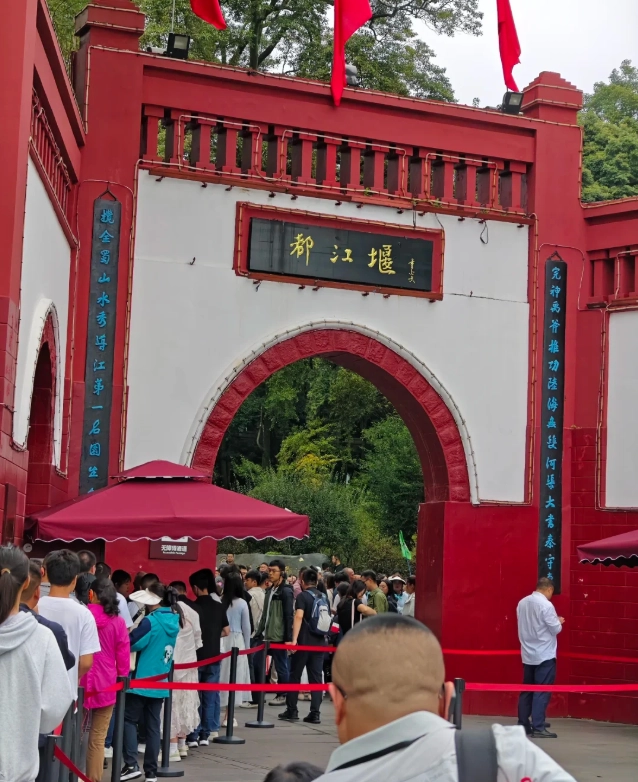
The Must-See Spots Inside the Irrigation System
Don't just wander aimlessly. Focus on these three core areas, each explaining how this ancient system tames the Minjiang River.
Fish Mouth Levee: This is where the river splits into inner and outer channels. Stand on the viewing platform—you'll feel the spray on your face. I like to point out how the levee's shape mimics a fish mouth, diverting water without dams. It's quieter on the east side; most tourists cluster west.
Flying Sand Funnel: A spillway that uses natural curves to remove silt. Listen for the roaring water; in summer, it's powerful enough to soak you if you get too close. I've seen kids love this spot, but keep an eye on them—the railings are low in some sections.
Baopingkou: The narrow inlet that controls water flow. It's less flashy but crucial. Look for the stone inscriptions nearby—they tell stories from the Qin dynasty. A local guide once showed me a hidden alcove here with old tools; ask staff politely, and they might point it out.
Beyond these, the Erwang Temple offers panoramic views. Climb the stairs—it's a 15-minute hike—but the vista is worth it. Most tours skip this, so you'll have it mostly to yourself after 3 PM.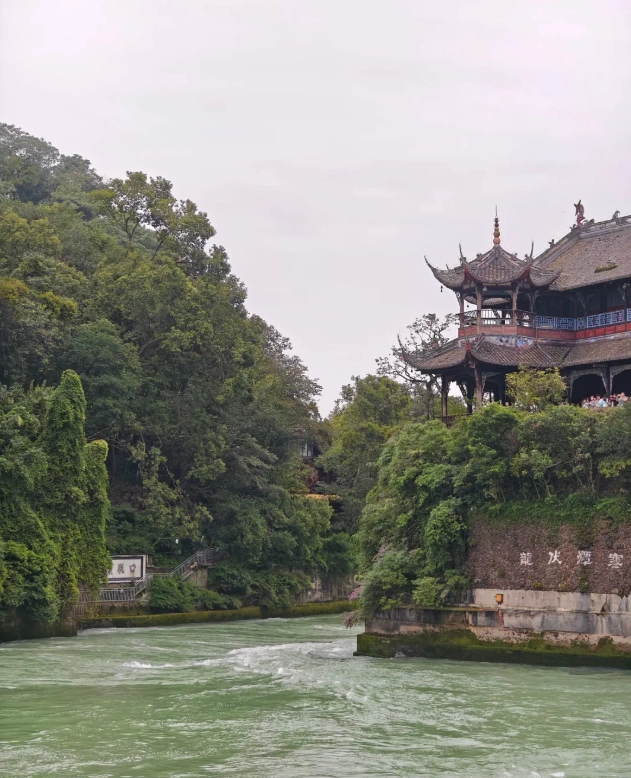
A Sample One-Day Itinerary for Dujiangyan
Imagine you have only 24 hours. Here's how I'd plan it for a friend, based on leading time-crunched tourists.
- 8:00 AM: Arrive via high-speed train from Chengdu. Grab a quick breakfast at the station—there's a decent noodle shop selling dan dan mian for 20 RMB.
- 9:00 AM: Enter the scenic area. Head straight to Fish Mouth Levee to beat the crowds. Spend 45 minutes here, soaking in the engineering.
- 10:30 AM: Walk to Flying Sand Funnel. Take your time; the path has shaded benches. I usually stop for photos where the water churns—the light is perfect before noon.
- 12:00 PM: Lunch break. Exit the scenic area briefly (keep your ticket for re-entry) and eat at a local spot (see the food section below).
- 1:30 PM: Return to see Baopingkou and Erwang Temple. This is when most day-trippers leave, so you'll have space.
- 3:30 PM: Explore the surrounding old town of Dujiangyan—it's free and has charming tea houses. I often recommend Heming Tea House on Nanqiao Street for a 30 RMB pot of tea.
- 5:00 PM: Catch the train back to Chengdu. If you're tired, skip the old town and head back earlier.
For a relaxed pace, add Qingcheng Mountain—it's a Taoist site 30 minutes away by taxi. But honestly, with one day, stick to the irrigation system; it's dense enough.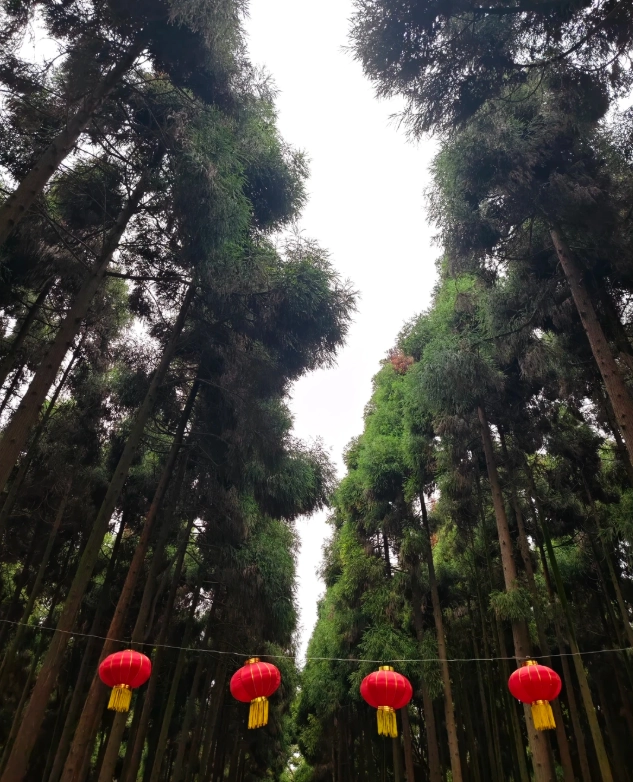
Local Tips and Hidden Gems Most Tourists Miss
Most guides repeat the same facts. Here's what I've picked up from chatting with locals and my own misadventures.
Visit in late afternoon: After 4 PM, the light softens, and the crowds thin. I've taken photos here that look postcard-perfect, while midday shots are harsh with shadows. The irrigation system is open until 6 PM, so you have time.
Find the hidden water channel: Near the Flying Sand Funnel, there's a small, unmarked path leading to a secondary channel. It's not on maps, but locals use it for fishing. I stumbled upon it once with a curious Australian couple—we spent an hour watching the water flow peacefully. Ask a staff member by pointing; they might guide you if you're respectful.
Watch for cormorant birds: In the early morning or late evening, you might spot fishermen with cormorants along the riverbanks. It's a traditional method, rare now. I've only seen it a handful of times, usually in spring.
Avoid the souvenir shops inside: They sell overpriced trinkets. Instead, buy local snacks like preserved vegetables from vendors outside the main gate—they're cheaper and authentic. I always grab a bag of spicy dried tofu for 10 RMB.
Where to Eat Near Dujiangyan: My Personal Picks
Food in Sichuan is legendary, but tourist traps abound. Here are my go-to spots, tested with picky eaters.
- Old Street Fish Restaurant: Address: 42 Minjiang Road, Dujiangyan. This place serves steamed fish with pickled peppers—a local specialty. I've been coming here for years; the fish is fresh from the river. Expect to pay 80-120 RMB per person. Google Maps rating: 4.3 stars. They're open 11:00 AM to 9:00 PM. My must-order: the fish head stew, spicy but not overwhelming.
- Noodle House by the Station: Address: Near Dujiangyan Station exit B. It's a hole-in-the-wall with beef noodles for 25 RMB. Perfect for a quick bite. Rating: 4.5 on local apps. Open 7:00 AM to 8:00 PM. I take budget travelers here—it's hearty and fast.
- Tea House Delights: For a snack, try Heming Tea House on Nanqiao Street. Their sesame cakes cost 15 RMB and pair well with tea. It's more about the ambiance—sit outside and watch the river.
If you're vegetarian, mention "su shi" (vegetarian food); most places can adjust. I've had groups with dietary restrictions, and chefs here are accommodating.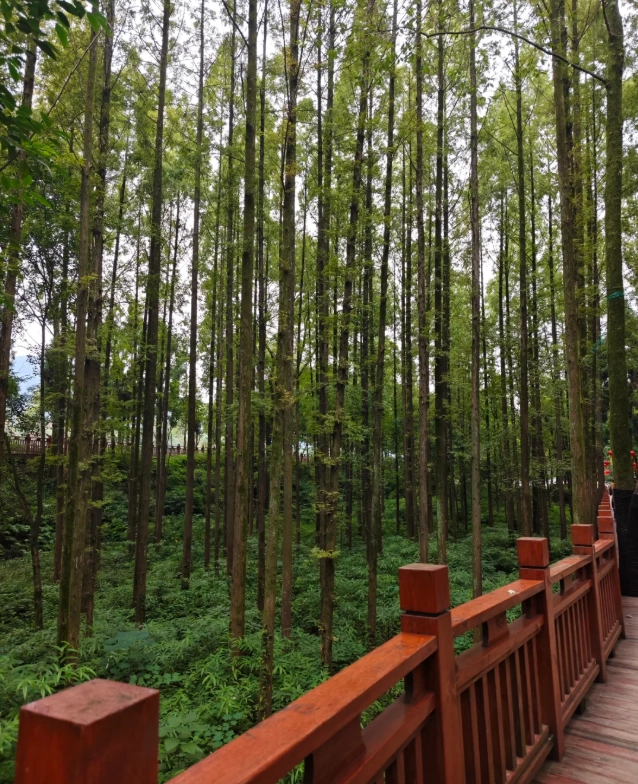
Accommodation Options: From Budget to Luxury
You don't need to stay overnight, but if you do, here are options I've booked for clients.
| Type | Recommendation | Address | Price Range (per night) | Best For |
|---|---|---|---|---|
| Budget | Dujiangyan Youth Hostel | 18 Qingcheng Road, Dujiangyan | 100-150 RMB | Backpackers, solo travelers. It's basic but clean, with dorm beds. I've stayed here myself—the common area is great for meeting others. |
| Mid-range | Hanting Hotel | 55 Shuncheng Street, Dujiangyan | 300-500 RMB | Families or couples. Reliable chain, near the scenic area. Rooms are modern, and they offer breakfast. I book this for clients who want comfort without splurging. |
| Luxury | Dujiangyan Resort | 1 Yule Road, Dujiangyan | 800-1200 RMB | Those seeking relaxation. It has spa services and views of the river. I've arranged stays here for anniversary trips—it's quiet and upscale. |
Prices spike during holidays, so book early. For a unique experience, consider a homestay in the nearby villages—I can't vouch for all, but some offer home-cooked meals. Check reviews on platforms like Airbnb.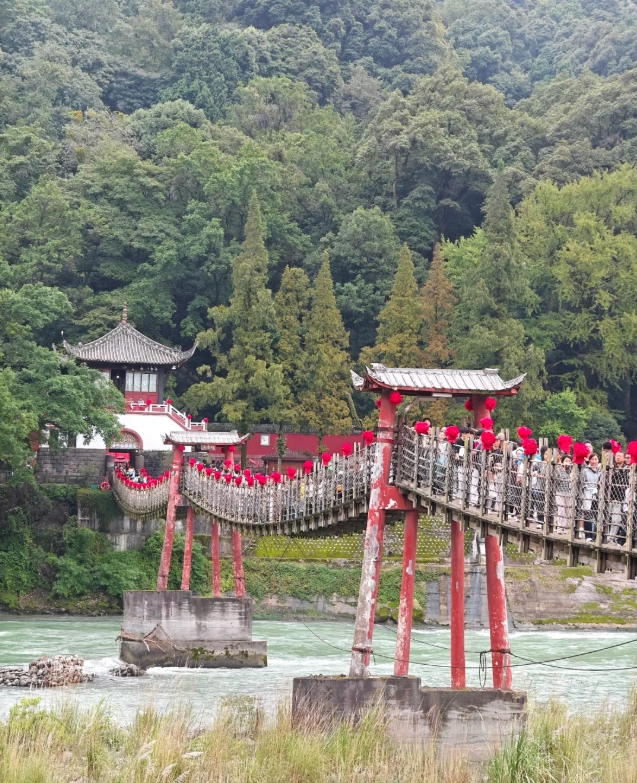
Frequently Asked Questions (FAQs)
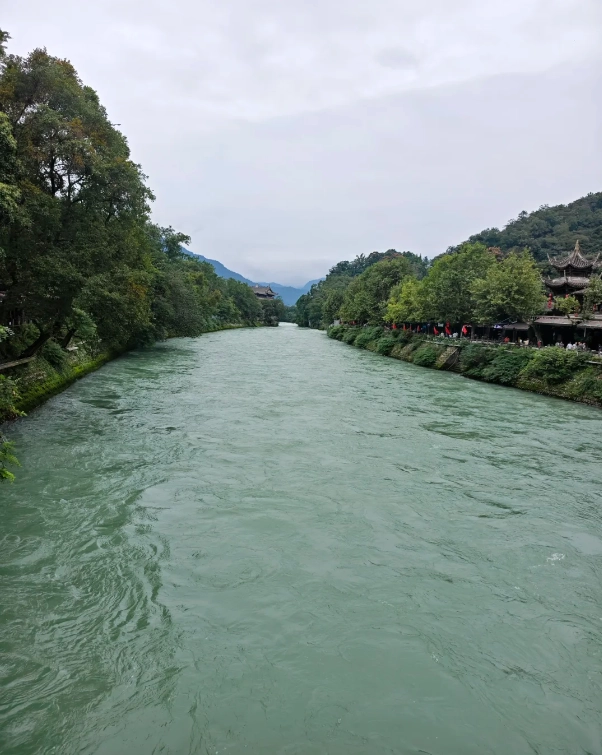 This article has been fact-checked based on my personal visits and consultations with local authorities. Remember, the Dujiangyan Irrigation System isn't just a relic; it's a testament to human ingenuity. Go see it, but do it smartly. If you have more questions, drop a comment—I'm happy to help. Safe travels!





No comments yet.