 Wei Zhang
Alright, settle in. I’ve been guiding folks around Chengdu for over a decade, and I’ve seen every mistake in the book. The rushed bus tours, the overpriced "authentic" meals in tourist traps, the disappointed faces when someone spends their whole morning at the panda base just watching sleeping fur balls. It doesn’t have to be that way.
This isn’t just a list of places. This is the exact blueprint I use for my private tours, tweaked for you, the independent traveler. We’re going to mix the must-sees with local secrets, manage your time like a pro, and eat like you live here. Chengdu’s magic is in its pace—the shufu (comfortable) lifestyle. This itinerary lets you taste it.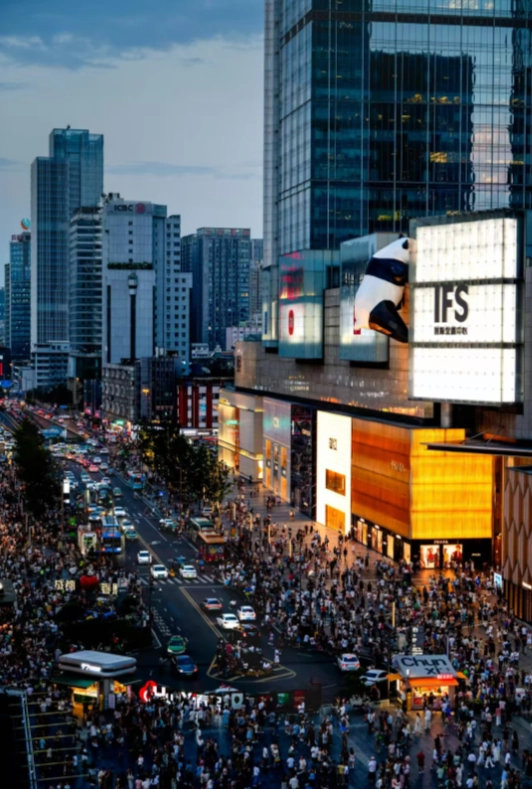
Your 3-Day Chengdu Roadmap
Day 1: Pandas, Hotpot & the Heart of the City
Morning (8:00 AM - 12:30 PM): Chengdu Research Base of Giant Panda Breeding. Let’s get this straight: timing is everything. Most blogs say "go in the morning." I say, be at the gate by 7:50 AM when it opens. Pandas are most active during their breakfast feeding, roughly between 8:30 and 10:00 AM. After that, they turn into adorable, snoring logs. I’ve watched too many groups arrive at 10:30 and wonder why they paid to see bamboo.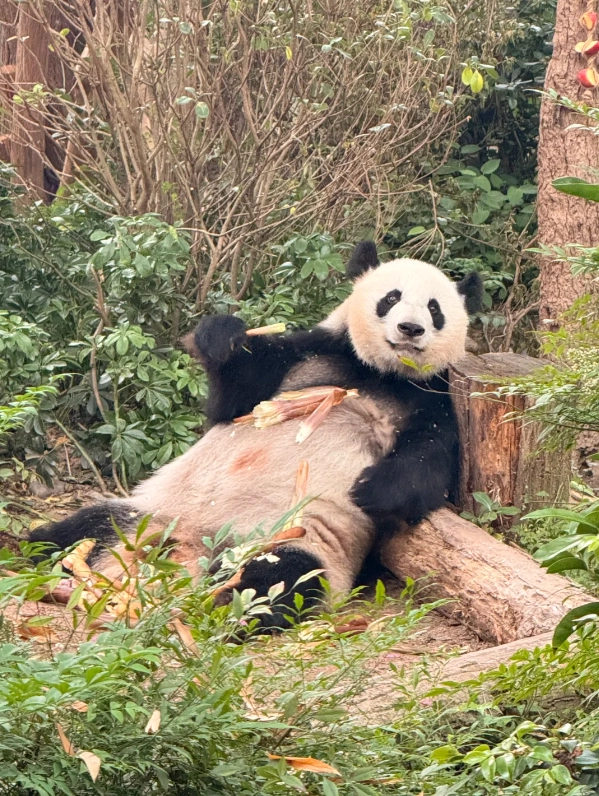
Local's Logistics:
Address: 1375 Panda Ave, Chenghua District. Take Metro Line 3 to Panda Avenue Station (Exit A). From there, it’s a 10-minute walk or a quick hop on the direct shuttle bus (¥2) that waits outside the exit. A taxi from downtown costs about ¥40-50.
Ticket: ¥55 per adult. Buy them online in advance on their official WeChat mini-program or platforms like Trip.com to skip the ticket line (the entrance gate queue is still unavoidable).
Focus your energy on the adult panda enclosures near the entrance first. The popular paby area is at the top of the hill and gets unbearably crowded by 9:30 AM.
Lunch (1:00 PM): The Real Hotpot Initiation. Skip the fancy chains in the mall. You want a place buzzing with locals, where the air smells like chili and beef tallow. My go-to for introducing visitors is Shu Jiu Xiang Hotpot. They have multiple branches; the one at 28 Shenxianshu North Road is consistently good. Why here? They have a split-pot (yuanyang guo) with a mild bone broth side perfect for beginners, and their dipping sauce station is well-labeled. Their jiu xiang beef and fresh huanghou (duck intestine) are stellar.
My order every time: Sliced beef, fresh shrimp paste balls, crispy pork belly, and sweet potato noodles. Budget ¥80-120 per person. It’s not the absolute cheapest, but the quality control is reliable for a first-timer’s stomach.
Afternoon (3:00 PM): People’s Park & Heming Teahouse. Walk off that hotpot (or take a short taxi) to People’s Park. This is where you see Chengdu’s soul. Elderly folks dancing, choirs singing revolutionary songs, parents at matchmaking corners with resumes of their single children. Find a bamboo chair at Heming Teahouse, order a cup of zhuyeqing (green tea, ¥30), and just watch life go by for an hour.
Here’s the move most tourists miss: try the ear cleaning (ta er). The practitioners with the long metal tools are legit. It’s a uniquely Sichuan sensory experience—ticklish, strange, and weirdly relaxing. Costs about ¥100.
Evening (7:00 PM): Jinli Ancient Street. Yes, it’s touristy. But at night, with the red lanterns lit, it has a certain charm. Go for the atmosphere, not for serious shopping or eating. The snack stalls are overpriced and mediocre. Instead, use it as a picturesque stroll. If you’re hungry, walk 10 minutes to the nearby Chunxi Road area for proper restaurants.
End your day early. You’ve earned it.
Day 2: Ancient Alleyways, a Temple & a Serene Museum
Morning (9:00 AM): Wenshu Monastery. Start your day in peaceful contrast. Wenshu Monastery is a working Buddhist monastery, not just a photo stop. The air is heavy with incense, and the sound of chanting is calming. Admission is free. Walk through the halls, admire the intricate architecture, and notice the locals praying sincerely.
The hidden gem is its vegetarian restaurant inside the complex. For lunch, their set meal (around ¥40) is a delicious and tranquil experience. But if vegetarian isn’t your thing, we have other plans.
Avoid the Crowd Trick:
Everyone goes to Kuanzhai Alley next. I suggest a detour. Exit Wenshu Monastery and walk 15 minutes south to Little Tong Alley (Xiao Tong Xiang). It’s what Kuanzhai Alley was 15 years ago—artsy, quiet, with independent coffee shops and small galleries tucked into traditional courtyard houses. Grab a coffee at one of the street-side shops. You’ll thank me later.
Afternoon (1:30 PM): Kuanzhai Alley (Wide and Narrow Alley). Now, head to the famous spot. It’s three parallel alleys (Kuan, Zhai, Jing) restored in Qing dynasty style. It’s beautiful, it’s crowded, it’s commercial. My advice? Appreciate the architecture, but spend your money and time elsewhere. The main lesson here is to explore the side branches off the main alleys. You’ll find quieter courtyards and sometimes, interesting small museums.
Late Afternoon (4:00 PM): Jinsha Site Museum. This is my top recommendation for a cultural deep dive. It’s the archaeological site of the ancient Shu Kingdom capital (circa 1200-650 BC). The star is the stunning Sun and Immortal Birds Gold Foil artifact, now a Chinese cultural heritage symbol. The site is beautifully presented, with ruins under a massive canopy. It’s air-conditioned, never as packed as the pandas, and profoundly impressive.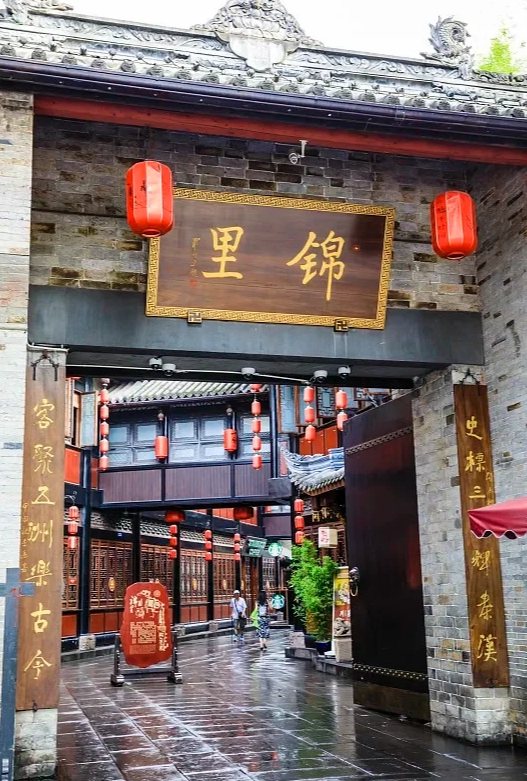
| Info | Details |
|---|---|
| Address | 2 Jinsha Site Road, Qingyang District |
| Metro | Line 7 to Jinsha Site Museum Station (Exit C). You'll see the modern entrance building. |
| Ticket | ¥70 per adult. Audio guides are available for ¥40 and are quite good. |
| Time Needed | 1.5 to 2 hours. It closes at 6:00 PM (last entry 5:00). |
Evening: Sichuan Opera & Local Dinner. For dinner, let’s eat proper Sichuan cuisine, not just hotpot. Head to Chen Mapo Tofu (Chen Mapo Doufu) at 197 Yulin East Road. This is the original restaurant for the famous Mapo Tofu dish. It’s spicy, numbing, and fantastic. Also order their ganbian sijidou (dry-fried green beans) and shuizhuroupian (boiled sliced pork in chili sauce). Budget ¥60-90 per person.
After dinner, catch a Sichuan Opera show. The Shufeng Yayun Opera House inside the Culture Park is the classic venue. The face-changing (bian lian) act is mesmerizing. Book tickets online in advance (around ¥150-280). Shows usually start at 8:00 PM.
Day 3: An Engineering Marvel & Ancient Irrigation System
Full Day Trip: Dujiangyan Irrigation System. On your last day, escape the city. Dujiangyan is a 2,200-year-old irrigation project that still works today, taming the Min River. It’s a UNESCO site and a stunning example of ancient Chinese engineering wisdom. It’s not just a dam; it’s a beautiful mountainside park with temples, bridges, and roaring water.
How to get there like a pro: Do NOT take a slow tourist bus. Take Metro Line 2 or 6 to Xipu Station. Transfer to the high-speed intercity railway (CRH) from Xipu to Dujiangyan Station. The train ride is about 30 minutes and costs ¥10. From Dujiangyan Station, take taxi (¥15-20) to the scenic area's main entrance at Lidui Park. Total travel time: under 1.5 hours from downtown Chengdu.
The Visit: Buy the entrance ticket (¥80). I strongly recommend hiring a local guide at the gate (around ¥150 for a small group) for an hour. They’ll explain how the system splits the river, drains silt, and controls floods. Without the explanation, it’s just pretty water. Walk across the swaying Anlan Cable Bridge, visit the Erwang Temple, and follow the paths along the river. The views are spectacular.
Have lunch at one of the fish restaurants just outside the park's exit. They serve fresh river fish cooked in multiple Sichuan styles. A splurge, but worth it.
Return to Chengdu by late afternoon via the same train method. If you have energy and an evening flight, drop your bags at your hotel and take a final stroll through the futuristic Sino-Ocean Taikoo Li shopping area, right next to the ancient Daci Temple—a perfect metaphor for Chengdu itself.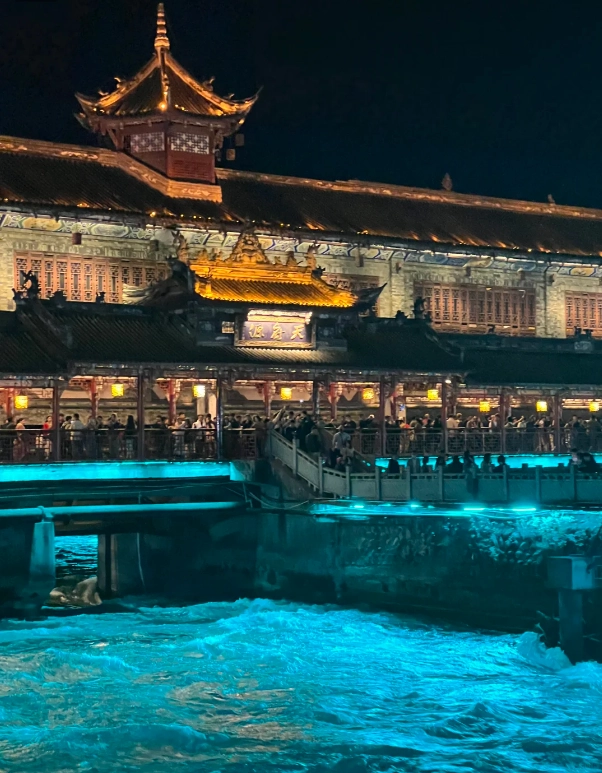
Where to Stay in Chengdu: A Neighborhood Breakdown
Choosing the right area saves you hours in transit.
Chunxi Road / Tianfu Square Area: The absolute best for first-timers. You’re at the intersection of Metro Lines 1, 2, and 3. Everything is accessible. It’s bustling, full of food options at all price points, and central to most sights in this itinerary.
- For Luxury: The Temple House. A stunning blend of traditional courtyard and modern design. Rates from ¥1,500/night.
- For Mid-Range/Boutique: Niccolo Chengdu. Reliable, great service, fantastic views. Rates from ¥800/night.
- For Budget/Social: Mr. Panda Hostel. Clean, friendly, and organizes great local tours. Dorm beds from ¥60, private rooms from ¥200.
Jinjiang / Near Jiuyanqiao: Slightly more local, still very convenient with great local food streets. Close to the river and some nightlife. Good for travelers wanting a slightly less touristy feel.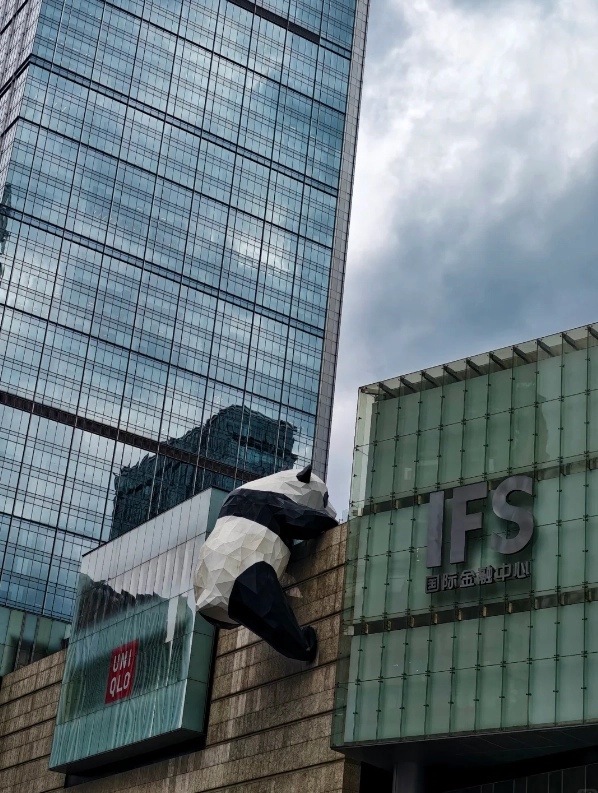
Avoid staying right next to the Panda Base. It’s too far from everything else. A 30-minute metro ride into the center is better than being stranded.
Chengdu Travel FAQ: Your Local Guide Answers
 There you have it. A Chengdu trip that goes deeper than the postcard. Follow this, and you’ll not only see the sights but feel the rhythm of the city. Remember, the goal isn’t to tick every box, but to leave feeling like you understood a piece of Sichuan. Now go enjoy your tea, and don’t rush.
This article has been fact-checked based on my on-the-ground experience and current local information.





No comments yet.