 Tao Xu
Your Shenzhen Roadmap: Jump to What Matters
Hey there! I’ve been guiding tours across China for more than ten years, and Shenzhen is a city I love introducing to first-time visitors. It’s not just about skyscrapers and tech—there’s a vibrant mix of green spaces, local eats, and hidden corners that most tourists miss. Let me walk you through my tried-and-tested 3-day itinerary. It’s the same plan I use for my own clients, packed with details you won’t find on generic travel sites. By the end, you’ll know exactly how to move around, where to eat, and how to avoid the common pitfalls.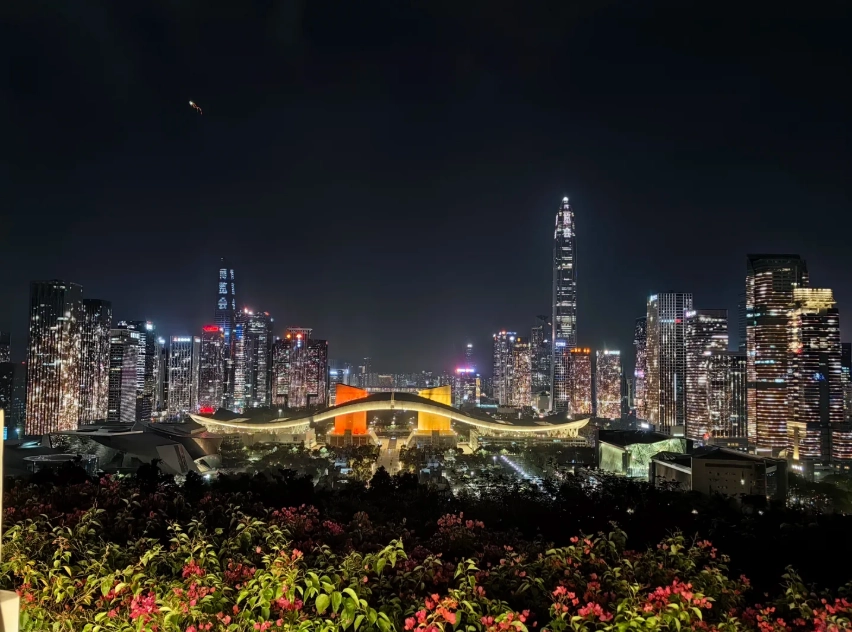
Why This Shenzhen Itinerary Works for First-Timers
Most first-timers make the same mistake: they try to cram too many far-flung spots into one day, ending up exhausted and missing the essence. I’ve seen it happen. This itinerary is different. It balances iconic sights with local experiences, groups activities by geography to minimize travel time, and includes realistic buffers for Shenzhen’s notorious traffic. I’ve timed everything based on actual tours—like how long it really takes to get from Lianhuashan Park to Futian CBD during rush hour (hint: take the metro).
Day 1: Modern Marvels & City Views
Day one is about getting oriented with Shenzhen’s skyline and energy. We’ll start easy with a park, dive into the financial heart, and end with a food street that comes alive at night.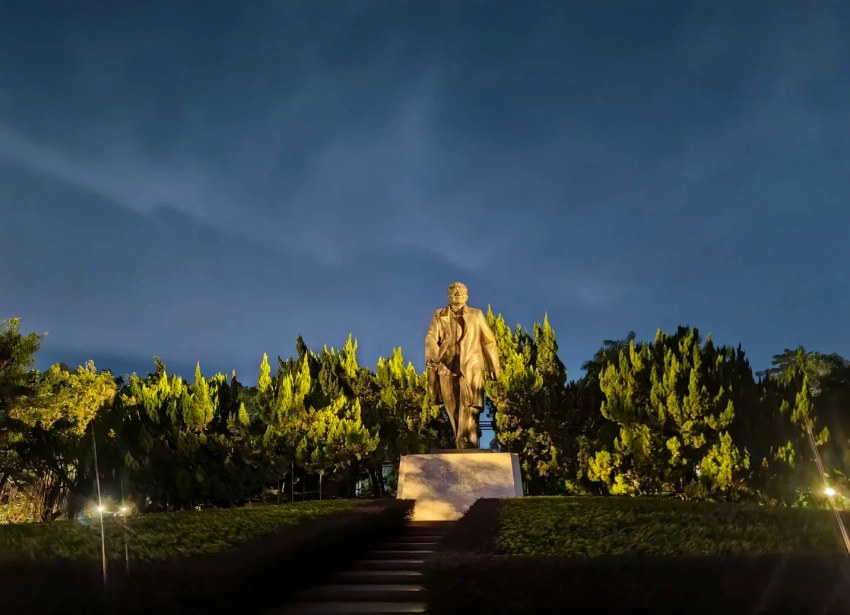
Morning: Lianhuashan Park for a Gentle Start
Address: Hongli Road, Futian District, Shenzhen, Guangdong. Nearest Metro: Line 3 or 4, Children’s Palace Station, Exit A2. From the exit, walk straight for about 5 minutes—you’ll see the park entrance on your left, marked by a large stone sign.
Hours: Open daily from 6:00 AM to 11:00 PM. Admission: Free. No booking needed.
I always bring first-timers here in the morning, around 8:30 AM. Why? The light is perfect for photos of the Deng Xiaoping statue with the city backdrop, and the crowds are thin. The park has gentle slopes, making it accessible for all ages. There’s a cable car (costs around 50 RMB per person) that goes to the top, but I recommend walking up—it’s a 30-minute hike with shaded paths. Once, a client from London insisted on the cable car, and we missed the best views because the windows were scratched. Walking lets you stop at the little pavilions.
Pro Tip: Bring water and a hat. The park has vendors, but prices are inflated. Also, the public toilets near the entrance often have lines; use the ones halfway up the hill.
Afternoon: Futian CBD and Shenzhen Museum
From Lianhuashan, take the metro back to Children’s Palace Station (same exit) and switch to Line 3 or 4 to Civic Center Station (one stop). Exit C, and you’re in the Futian Central Business District.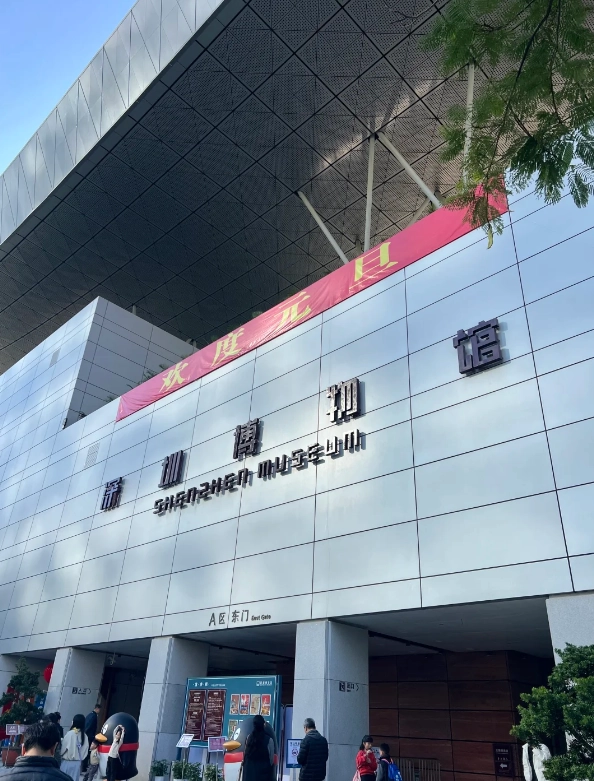
First, head to the Shenzhen Museum (History and Folk Culture Hall). Address: 6 Tonggu Road, Futian District. Hours: 10:00 AM to 6:00 PM, closed on Mondays. Admission: Free, but you need to book online in advance via their official website or WeChat mini-program. I’ve linked groups to the Shenzhen Museum website before—it’s straightforward with an English option.
The museum gives you a quick primer on Shenzhen’s transformation from a fishing village to a megacity. Spend about 1.5 hours here. Then, walk 10 minutes to the Ping An Finance Centre. You can go up to the observation deck (around 200 RMB per adult), but I often skip it with budget-conscious travelers. Instead, grab lunch at the food court in the COCO Park shopping mall nearby—look for “Haidilao” hot pot if you’re adventurous, or “Tai Hing” for reliable Cantonese roast meat (expect to pay 80-120 RMB per person).
Evening: Dongmen Pedestrian Street for Dinner
Take the metro Line 1 from Shopping Park Station to Laojie Station (about 15 minutes). Exit A, and you’ll be engulfed in Dongmen’s chaos—it’s a love-it-or-hate-it experience. This is where locals shop and eat street food.
My Go-To Spot: “Chen Jisheng” for clay pot rice. It’s at 123 Dongmen Road, tucked in a side alley. Look for the red sign with Chinese characters—no English menu, but they have picture menus. A clay pot rice costs about 35 RMB. The place is cramped and noisy, but the food is authentic. I took a Japanese couple here once, and they loved the crispy rice at the bottom. Be prepared to share tables during peak hours (7-9 PM).
After dinner, wander the streets. Try “stinky tofu” if you dare—it’s an acquired taste. Dongmen gets packed, so keep your belongings secure. Most stalls accept Alipay or WeChat Pay; carry some cash as backup.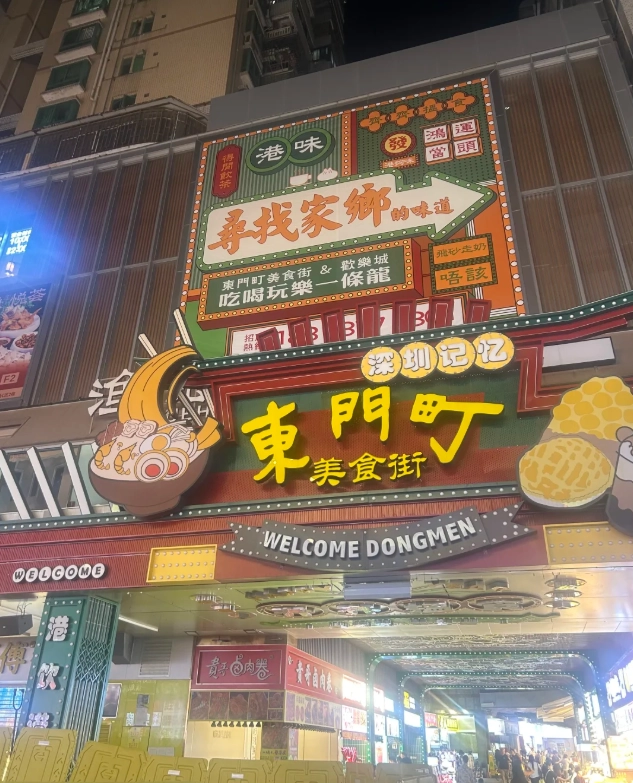
Day 2: Culture, History & Shopping
Day two mixes cultural depth with shopping thrills. We’ll explore creative zones and electronics markets, with options based on your interest.
Morning: OCT-LOFT Creative Culture Park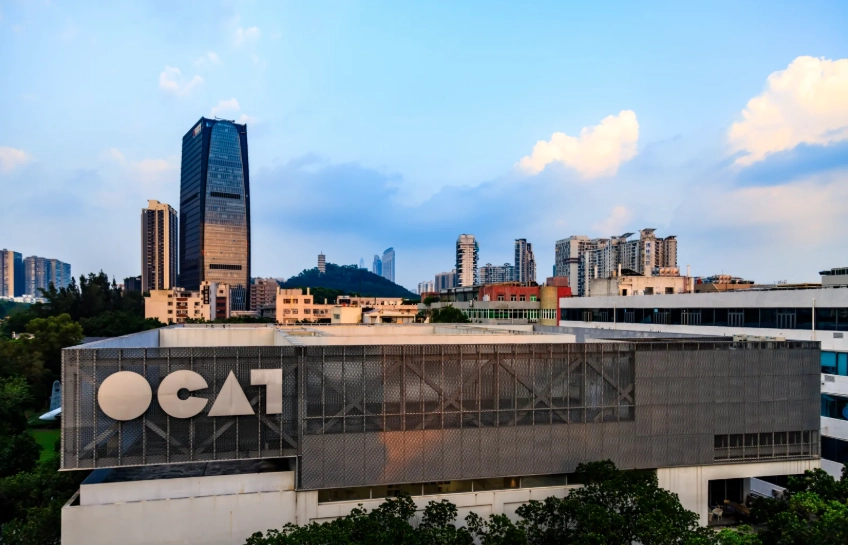
Address: Enping Road, Nanshan District. Nearest Metro: Line 1, Qiaocheng East Station, Exit A. Walk 10 minutes south—you’ll see converted factory buildings with graffiti.
Hours: Open area, shops and cafes usually open from 10:00 AM. Admission: Free.
OCT-LOFT is Shenzhen’s answer to Berlin’s art scenes. It’s less touristy than Window of the World and feels more genuine. I spend mornings here because the light filters through the trees, perfect for photos. There are galleries like the He Xiangning Art Museum (free entry, open 10 AM-5:30 PM, closed Mondays). Grab coffee at “Something For” cafe—their blue can industrial vibe is instagrammable, and a latte runs about 30 RMB.
Local Secret: Behind the main strip, there’s a small bookstore called “Old Heaven Books” that sells vintage Chinese posters. It’s a gem I found while killing time between tours.
Afternoon: Choose Your Adventure—Window of the World or Huaqiangbei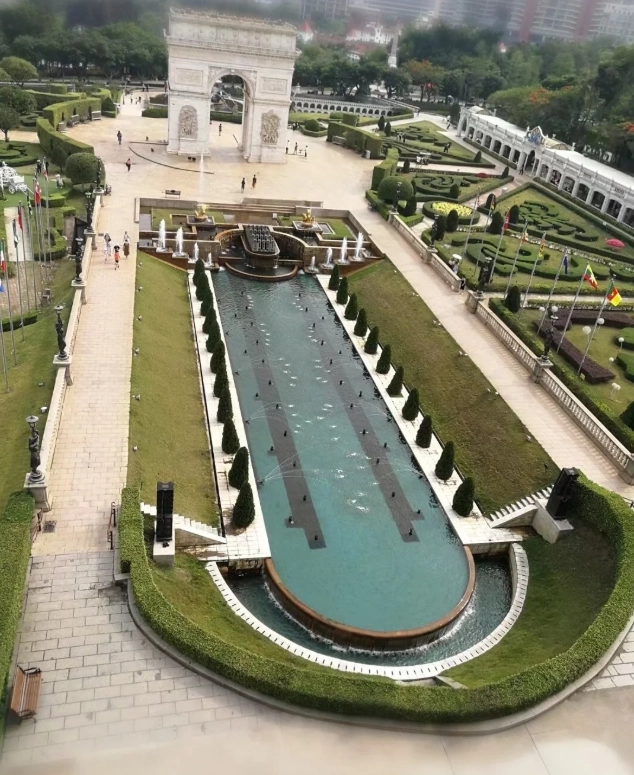
Here’s where I give options. If you love kitsch and miniatures, go to Window of the World. Address: 9037 Shennan Avenue, Nanshan District. Metro: Line 1 or 2, Window of the World Station, Exit H. Hours: 9:00 AM to 10:30 PM. Admission: 220 RMB for adults, 110 RMB for children (1.2-1.5m tall). Book online via Trip.com or Klook to skip queues. Honestly, I find it overpriced and crowded—the Eiffel Tower replica looks sad on a smoggy day. But if you’re with kids, they might enjoy it. Spend 2-3 hours.
My preferred choice: Huaqiangbei Electronics Market. Address: Huaqiang Road, Futian District. Metro: Line 1, Huaqiang Road Station, Exit A. This is the world’s largest electronics hub. Even if you’re not buying, it’s a spectacle. Go in the afternoon around 2 PM—the morning rush is for wholesalers. You’ll find everything from phone cases to drones. Bargain hard; start at 50% of the quoted price. I helped a German tourist buy a gimbal for half the listed price just by walking away once.
Food Break: In Huaqiangbei, try “Bao Yuan Jiaozi” for dumplings. It’s at 2002 Huaqiang Road, ground floor. A plate of 15 dumplings costs 25 RMB. They have an English menu with pictures.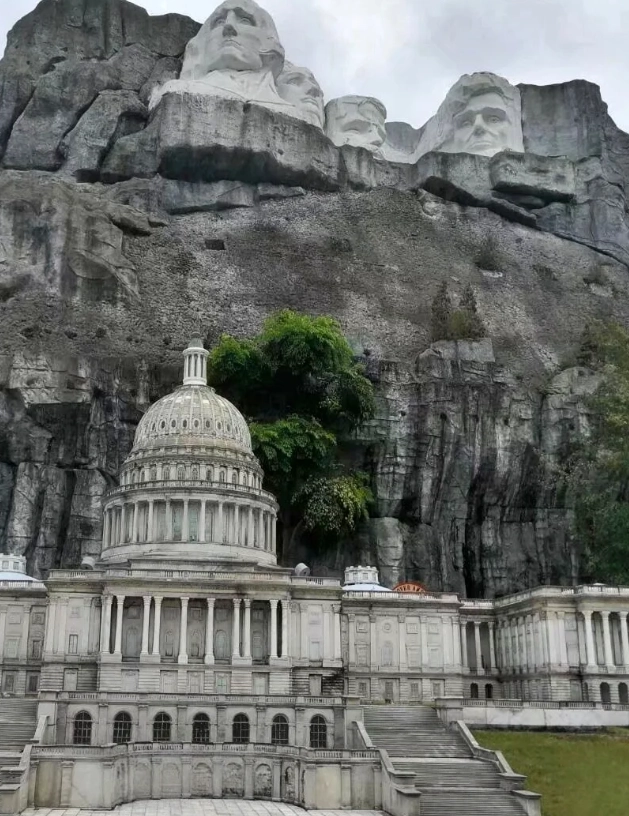
Evening: Shopping and Dinner at MixC World
From Huaqiangbei, take a Didi (China’s Uber) to MixC World in Nanshan—about 20 minutes, costing 25-35 RMB depending on traffic. This mall is sleek and less chaotic. It has brands from Zara to luxury stores. For dinner, head to “Din Tai Fung” on the 4th floor for xiaolongbao (soup dumplings). A meal for two runs about 150-200 RMB. They have English menus and accept credit cards, which is rare in Shenzhen.
If you’re tired, call it a night. But if you have energy, the mall’s rooftop bar “Sky Bar” offers views of the Shenzhen Bay Bridge—cocktails around 80 RMB each.
Day 3: Nature & Local Life
Day three is for escaping the urban jungle. We’ll hike a mountain, relax by the bay, and end with fresh seafood.
Morning: Wutong Mountain Hike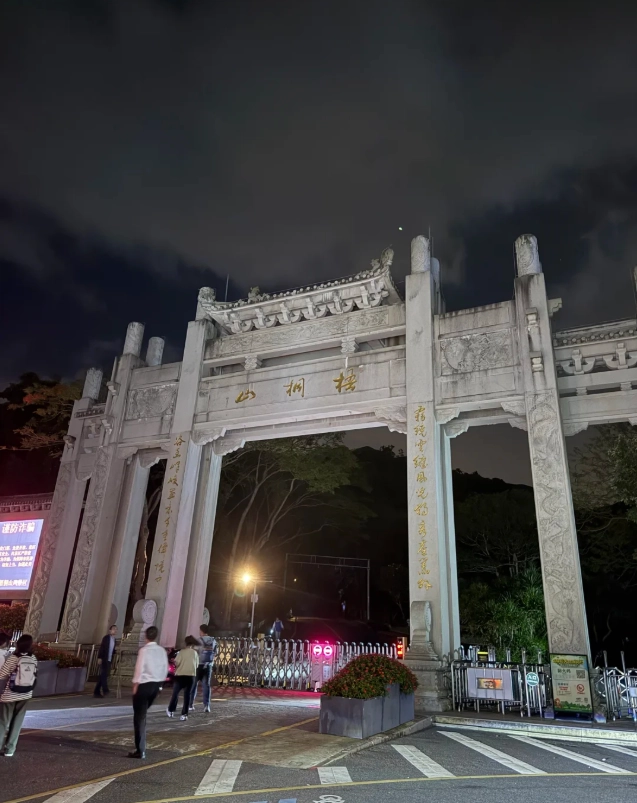
Address: Wutong Mountain Scenic Area, Luohu District. Nearest Metro: Line 2, Hubei Station, Exit C. From there, take a taxi to the south gate (about 15 RMB, 10 minutes).
Hours: 6:00 AM to 6:00 PM. Admission: Free, but the cable car costs 50 RMB one way.
Start early, by 7:30 AM. The hike to the summit (Dengta Peak) takes about 2.5 hours at a moderate pace. The trail is well-marked with stone steps. I’ve done this with clients from all fitness levels—take breaks at the benches. The view from the top is worth it: on clear days, you see Hong Kong. Bring snacks; there are vendors at the base but not on the trail. Water is essential.
Warning: The descent can be tough on knees. If you’re not up for it, take the cable car down (last ride at 5:30 PM). Once, a client twisted an ankle, and we had to hitch a ride with a local—now I always recommend sturdy shoes.
Afternoon: Shenzhen Bay Park Relaxation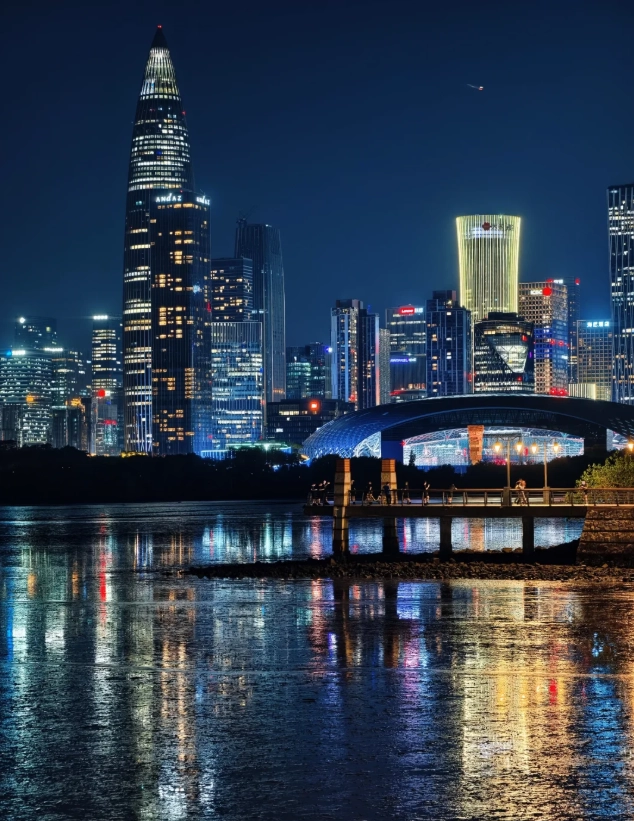
After the hike, take a taxi to Shenzhen Bay Park (about 30 minutes, 40-50 RMB). Address: Shenzhen Bay Coastal Leisure Belt, Nanshan District. Metro: Line 9, Shenzhen Bay Park Station, Exit D2.
This is a 15-kilometer waterfront park. Rent a bike from stations near the entrance—10 RMB per hour via WeChat scan. Cycle towards the Shenzhen Bay Sports Center. The breeze is refreshing, and you’ll spot birds. It’s best in the late afternoon, around 4 PM, when the sun isn’t too harsh. I often bring picnic snacks here—grab fruits from a vendor (like mangoes for 10 RMB each).
The park has clean toilets and drinking fountains. It’s wheelchair-friendly in sections.
Evening: Seafood Dinner at Shekou Seafood Street
From the park, take a Didi to Shekou Seafood Street (15 minutes, 20 RMB). This is where locals go for fresh seafood. The street is lined with tanks—you pick your fish, and they cook it.
My Recommendation: “Ming Hua Seafood Restaurant” at 88 Seafood Street. They have an English-speaking staff and picture menus. Expect to pay 150-250 RMB per person for a feast of crab, prawns, and fish. Tell them you want it steamed with garlic—that’s the local way. I’ve celebrated tour endings here with groups; the lobster is always a hit.
After dinner, stroll to the Shekou Ferry Terminal area. There are bars with live music. If you’re flying out, note that Shekou is close to Shenzhen Bao’an International Airport (a 30-minute taxi ride).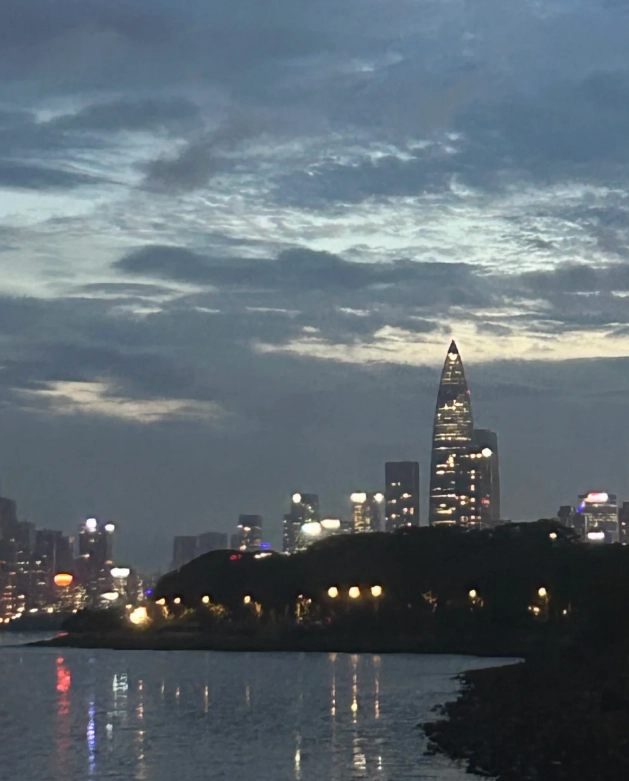
Essential Practical Tips for Your Shenzhen Trip
Let’s get practical. Here’s a quick table summing up the core info:
| Category | Key Details | Insider Advice |
|---|---|---|
| Transportation | Metro: Lines 1-11, single ride 2-10 RMB. Taxi/Didi: Start at 12 RMB. Use Shenzhen Tong card or Alipay Metro QR code. | Download the “Shenzhen Metro” app for maps. Avoid taxis during rush hour (7-9 AM, 5-7 PM)—metro is faster. Didi has an English app. |
| Accommodation | Futian District for centrality (hotels: 400-800 RMB/night). Nanshan for modernity. Hostels in Luohu for budget (100-200 RMB/bed). | I recommend “Shenzhen Marriott Hotel Futian” for families—great pool. For solo travelers, “Staytion Hostel” near Laoje has English-speaking staff and luggage storage. |
| Money & Payments | Currency: Chinese Yuan (RMB). Alipay and WeChat Pay dominate; international cards accepted in upscale places. | Carry 500 RMB in cash for small vendors. Set up Alipay Tour Pass before arriving—it’s a lifesaver. ATMs are in shopping malls. |
| Language | Mandarin is main; English limited to tourist spots. Learn basic phrases like “xiexie” (thank you). | Use Google Translate offline—point camera at signs. Hotel concierges can help with directions. |
| Connectivity | Buy a local SIM at airport (China Unicom, 100 RMB for 10GB). Free Wi-Fi in malls and cafes. | VPN needed for Google/Facebook. Get ExpressVPN before you come; it’s tricky to set up locally. |
For getting around, the Shenzhen Metro official site has real-time updates. I check it daily for delays.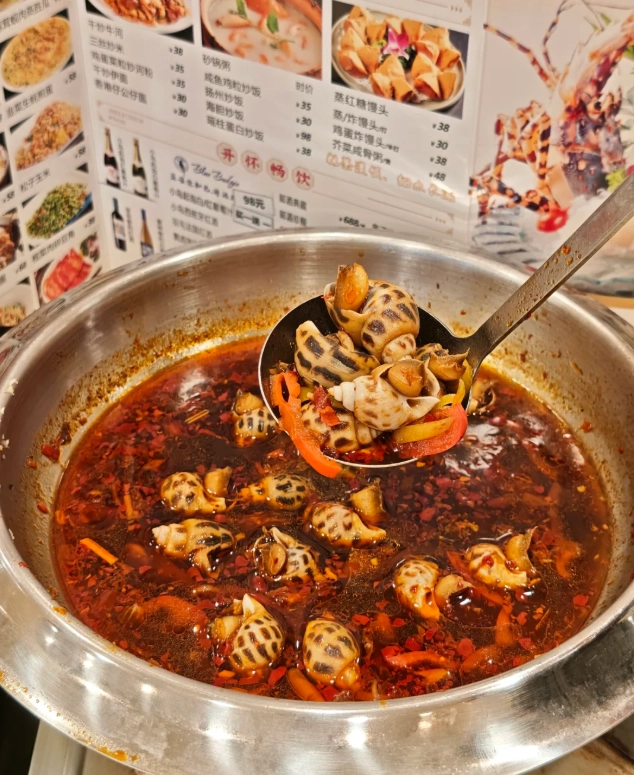
Frequently Asked Questions (FAQ)
This article has been fact-checked based on my on-ground experience and latest visits. Shenzhen changes fast, but these tips hold true. Now go enjoy your trip—and if you get lost, just ask a local with a smile. They might not speak English, but gestures go a long way.






No comments yet.